What Is A Multiscale Guitar: Complete Beginner Guide
A multiscale guitar uses different string lengths and angled frets to improve feel, tuning, and intonation.
If you have seen a guitar with slanted frets, you have likely encountered a multiscale guitar. This design looks unusual at first, but it solves real problems linked to string tension, low tuning, longer scale lengths, and playing comfort. This guide explains what is a multiscale guitar, how it works, who benefits from one, and what to consider before buying.
What Is a Multiscale Guitar?
A multiscale guitar has more than one scale length across its strings. The scale length is the distance from the nut to the bridge, measured along the vibrating part of the string.
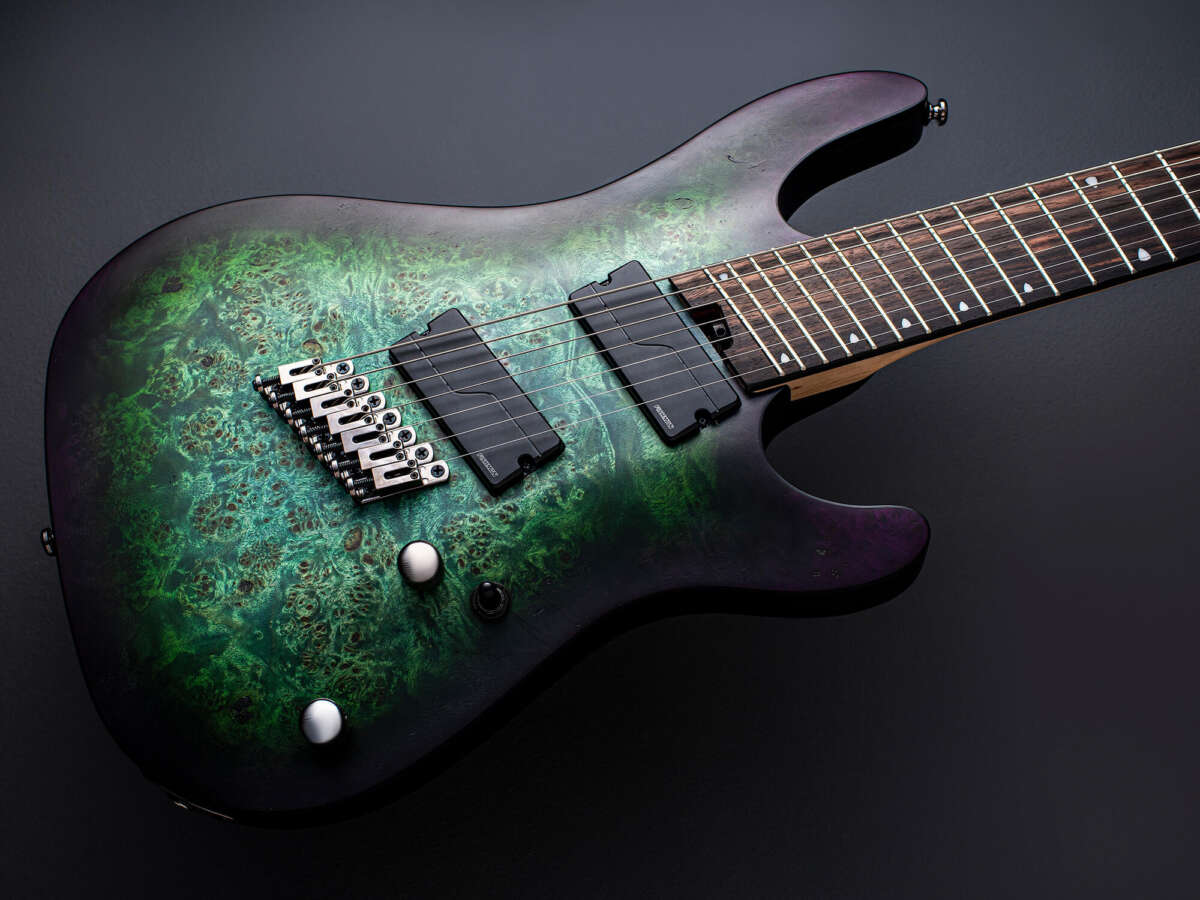
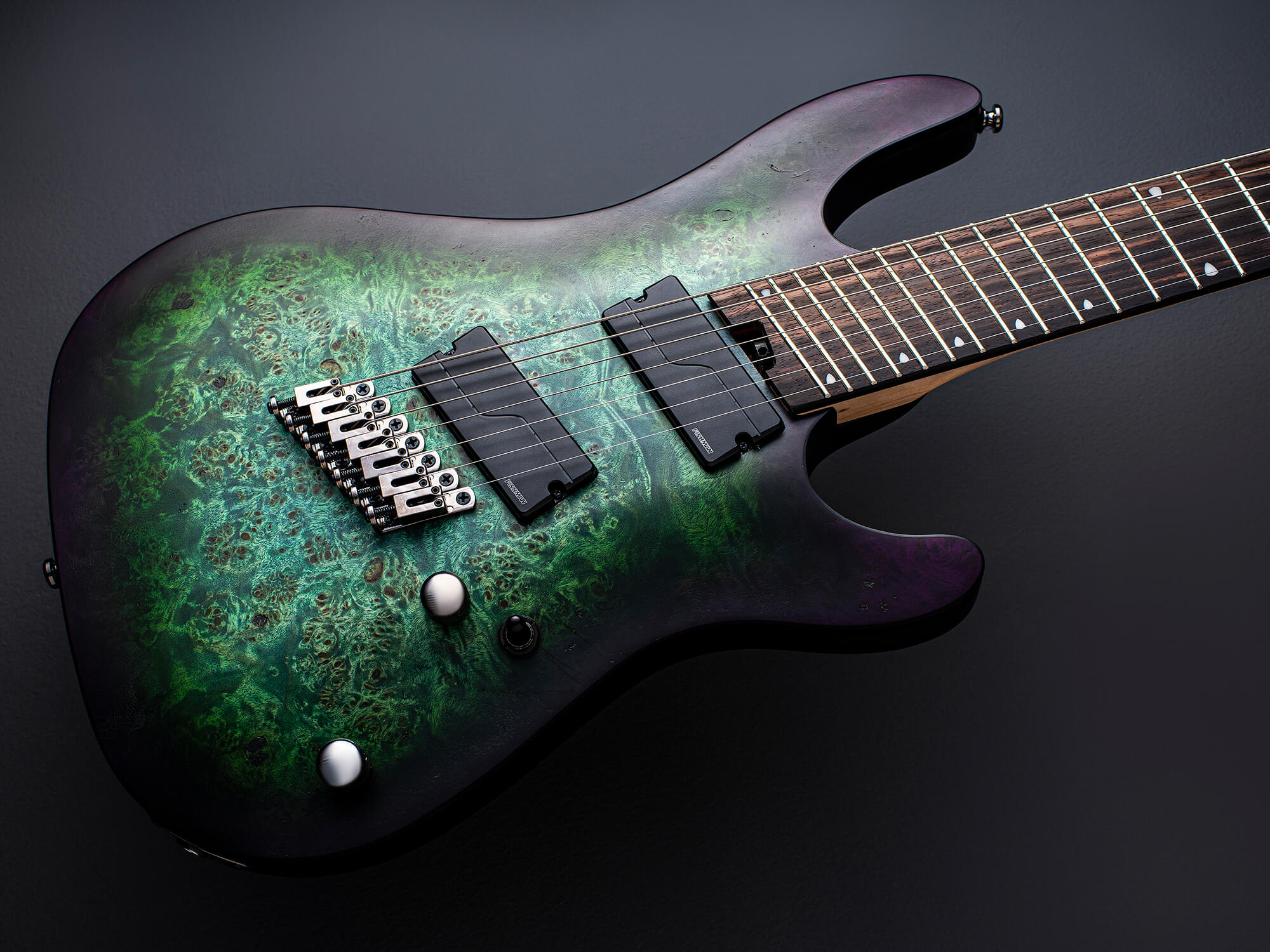
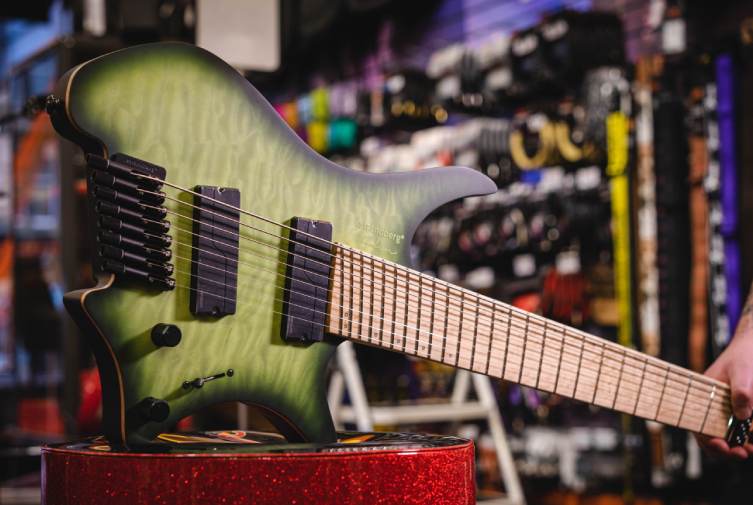
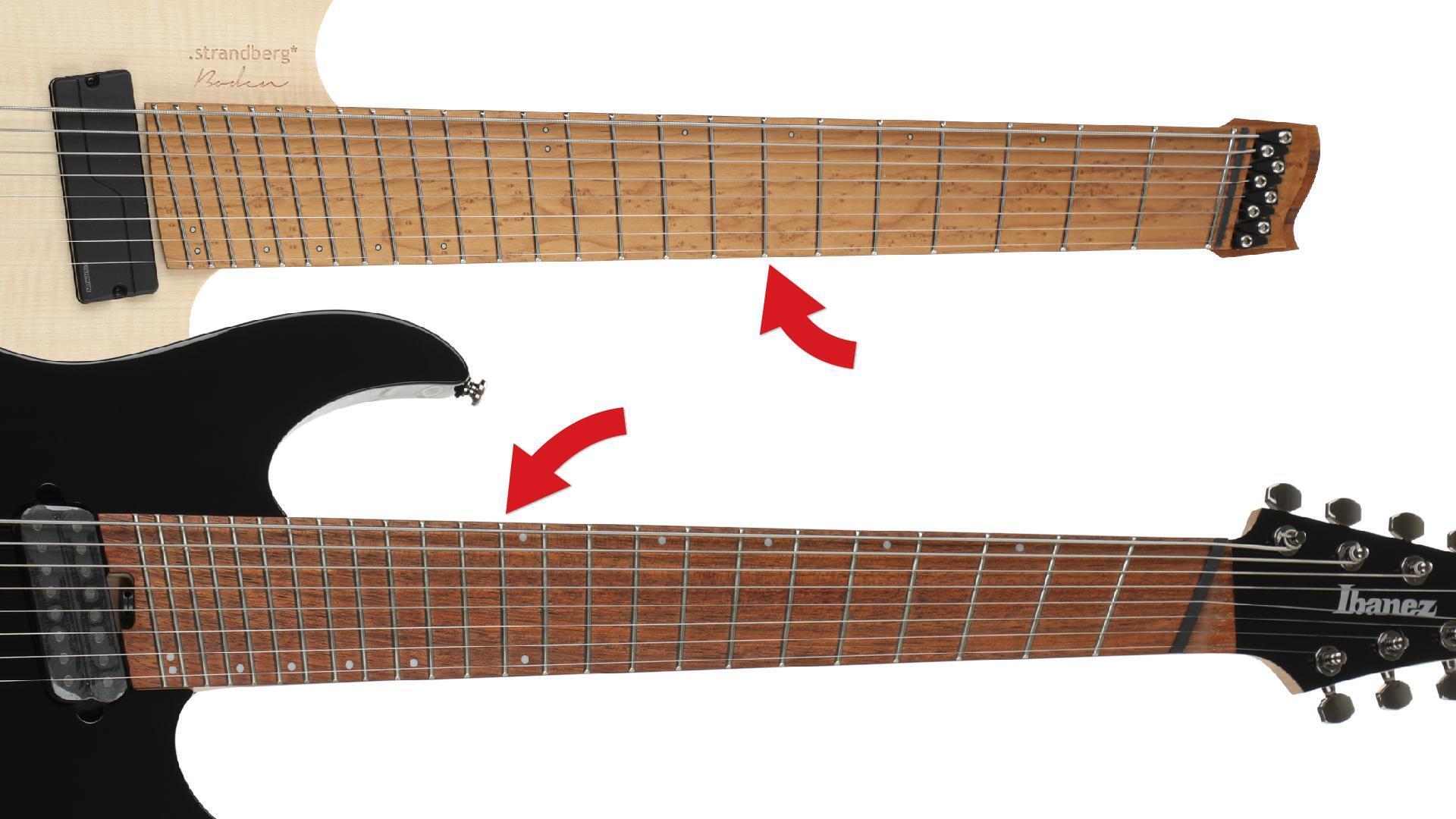
On a standard guitar, every string uses the same scale length. On a multiscale guitar, the lowest strings are usually longer than the highest strings. The frets appear angled or “fanned” because each string follows a slightly different scale length.
For example, a six-string multiscale guitar might use:
• 25.5 inches for the high E string
• 27 inches for the low E string
A seven-string or eight-string model may use an even longer scale for its lowest string.
The goal is simple: keep the high strings comfortable while giving the low strings more tension and control. So, when someone asks what is a multiscale guitar, the short answer is a guitar built with different scale lengths to balance the feel and sound of each string.
The design is also called a fanned-fret guitar. The terms “multiscale” and “fanned fret” often describe the same basic idea, although some builders use more complex layouts than others.
.jpg)
How Does a Multiscale Guitar Work?
To understand what is a multiscale guitar, it helps to understand string tension. String tension depends on several factors:
• Scale length
• String gauge
• Tuning pitch
• String material
A longer string creates more tension when tuned to the same note. This is why a 27-inch guitar usually feels tighter than a 25.5-inch guitar when both use the same string set and tuning.
A multiscale guitar places the longer scale where it is most useful: on the thicker, lower-pitched strings. The shorter scale remains on the thinner, higher-pitched strings. This creates a more balanced feel across the fretboard.
The Role of Fanned Frets
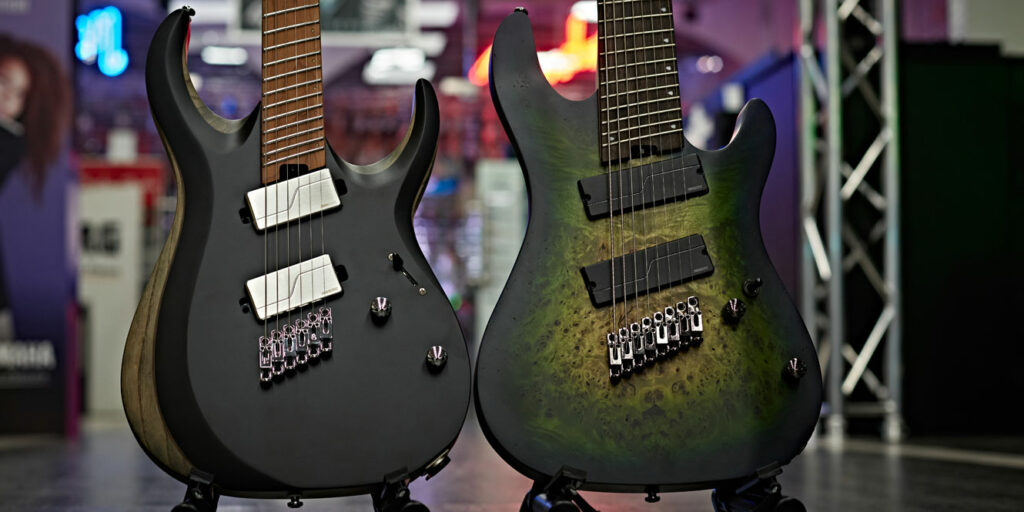
The frets angle because the scale length changes from one string to the next. The bridge saddles also sit at different distances from the nut to support proper intonation.
Most multiscale guitars use one “neutral” fret. This fret is often straight, while the others fan outward in both directions. Depending on the design, the neutral fret may be near the fifth, seventh, or twelfth fret.
The fan is not random. It follows careful measurements based on fret spacing, scale length, string tension, and bridge placement.
Multiscale Versus True Temperament
A multiscale guitar is not the same as a true-temperament guitar. Multiscale instruments use different scale lengths, but their frets usually still follow standard equal temperament.
True-temperament guitars use specially shaped frets to improve tuning accuracy between notes. Some instruments may combine both ideas, but they serve different purposes.
Why Do Guitarists Use Multiscale Guitars?
The main reason players choose a multiscale guitar is better balance. A single scale length forces every string to follow the same design, even though bass strings and treble strings behave very differently.
Here are the most common benefits.
Better Tension on Low Strings
Low strings can feel loose when tuned down. This is common with drop C, drop B, drop A, and lower tunings.
A longer scale adds tension without requiring an extremely thick string. This can make low notes feel clearer and more controlled. It may also reduce the loose, floppy feeling that causes tuning and intonation problems.
More Comfortable High Strings
A long-scale guitar can make the high strings feel stiff. A multiscale guitar avoids this by keeping the treble side shorter.
This gives the player tighter bass strings and more relaxed high strings on the same instrument. That balance is one of the strongest answers to what is a multiscale guitar and why it exists.
Improved Intonation
Intonation describes how accurately a guitar plays in tune across the fretboard. A longer scale can help low strings produce more stable notes, especially when they are tuned down.
Multiscale construction does not guarantee perfect intonation. Nut setup, bridge adjustment, string choice, fretwork, and playing pressure still matter. However, the design gives the builder a better foundation.
Clearer Low Notes
Low notes often sound muddy when the string moves too widely. More tension can reduce excessive movement and improve note definition.
This benefit is especially useful for:
• Progressive metal
• Djent
• Modern rock
• Extended-range guitar
• Baritone guitar
• Ambient music with low tunings
Better Chord Balance
A well-designed multiscale guitar can make chords feel more even across the neck. The bass notes stay firm, while the higher notes avoid feeling overly tight.
This does not mean every player will prefer the sound. Tone also depends on pickups, wood, strings, amplification, technique, and setup.
What Are the Disadvantages of a Multiscale Guitar?
Understanding what is a multiscale guitar also means looking at its limits. The design offers useful advantages, but it is not automatically better for every guitarist.
The Fretboard Takes Time to Learn
Angled frets can feel strange during the first few playing sessions. Chord shapes remain familiar, but your hand and eyes must adjust to the changing fret angles.
Most players adapt faster than expected. Still, a multiscale guitar may not be ideal if you need to switch instantly between several guitars with different neck designs.
Chords May Feel Different
Open chords usually feel normal, but wide stretches can feel unusual. Some players enjoy the natural angle of the frets. Others prefer the straight layout of a traditional guitar.
The farther the scale lengths are spread apart, the more noticeable the fan may feel.
String Replacement Requires More Care
Many standard string sets work on multiscale guitars, but you must choose the correct length. The lowest string may need extra winding length to reach the tuning post.
For longer instruments, such as eight-string guitars or extended-range baritones, regular guitar strings may not be long enough. Always check the manufacturer’s string-length recommendation.
Setup Can Be More Specialized
A multiscale guitar may require a tech who understands:
• Multiple scale lengths
• Angled bridge saddles
• Nut slot spacing
• String tension balance
• Extended-range intonation
A poor setup can hide the benefits of the design. If the guitar feels uncomfortable or plays out of tune, the issue may be setup rather than the instrument itself.
It May Cost More
Multiscale guitars often require more complex fretwork and bridge construction. As a result, they may cost more than comparable straight-fret guitars.
Affordable models are available, but quality can vary. Check fret edges, bridge adjustment, neck relief, pickup balance, and overall finish before buying.
Who Should Use a Multiscale Guitar?
A multiscale guitar can suit many players, but it is especially useful for certain musical styles and playing needs.
Players Who Use Low Tunings
If you regularly tune below standard E, a multiscale guitar can provide a tighter and more controlled response. It is often a practical choice for drop C, drop B, and lower tunings.
Seven- and Eight-String Guitarists
Extended-range players often need a longer scale for the lowest strings. A multiscale guitar helps keep those strings from feeling too loose.
For example, an eight-string guitar with a 25.5-to-27.5-inch scale range may keep the high strings comfortable while supporting a low F-sharp or F.
Baritone Players
Baritone guitars already use a longer scale, often around 27 to 30 inches. A multiscale baritone can provide even greater control across its range.
Fingerstyle and Chord Players
Some fingerstyle players like the different tension across the strings. The bass strings can feel firm, while the treble strings remain easy to bend and articulate.
Players With Wrist or Hand Concerns
The angled fret layout may feel natural to some players because the hand follows a less rigid path. However, this is personal. A multiscale guitar is not a medical solution, and you should test one before relying on it for comfort.
What Does a Multiscale Guitar Feel Like?
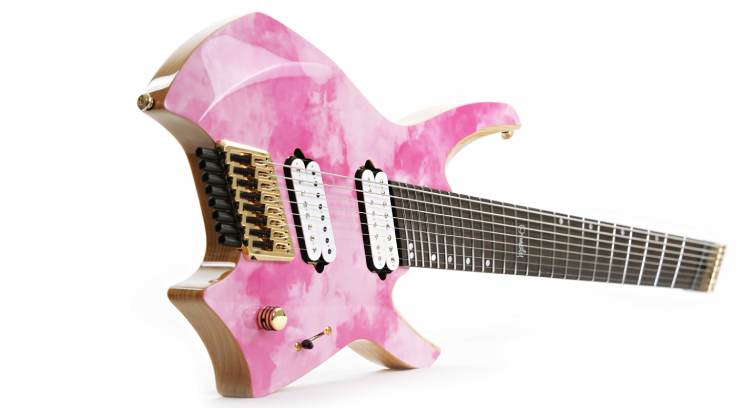
The first impression depends on the fan shape and scale range. A mild fan may feel almost normal. A wider fan can feel more noticeable near the lower frets.
When playing single-note lines, many guitarists adjust quickly. The frets still mark the same musical notes, so scales and patterns do not change. Your fingers simply approach the frets at slightly different angles.
Chords may require more attention. Try these tests in a store:
- Play open chords near the nut.
- Play barre chords around the fifth fret.
- Bend the high E and B strings.
- Play low-string riffs with a pick.
- Try fast alternate picking across several strings.
A useful lesson from players who move to multiscale instruments is to avoid judging one after only a few minutes. The neck may feel unfamiliar before it feels comfortable. Give it at least several playing sessions if possible.
How to Choose a Multiscale Guitar
Choosing the right model requires more than asking what is a multiscale guitar. You also need to match the design to your tuning, technique, and preferred neck shape.
Check the Scale Range
A smaller range, such as 25.5 to 26.5 inches, offers a gentle transition. A wider range, such as 25.5 to 28 inches, gives more tension to the lowest strings but creates a stronger fret fan.
Choose based on your tuning:
• Standard tuning: A mild fan may be enough.
• Drop C or drop B: A moderate fan can add useful tension.
• Very low tuning: Consider a longer bass scale.
• Eight-string tuning: Check the low-string scale carefully.
Consider the Number of Strings
A six-string multiscale guitar usually feels easier to learn. Seven- and eight-string designs provide more range but may require wider necks and different picking habits.
If you rarely use the lowest strings, an extended-range instrument may add weight and complexity without offering much value.
Inspect the Neutral Fret
The neutral fret is the straight or least-angled fret on many designs. A neutral fret near the seventh fret often feels familiar because it sits near the center of common playing positions.
The location is not automatically better or worse. It affects how the fan feels in different areas of the neck.
Choose the Right Strings
Do not select strings by gauge alone. Check their total length and winding length.
A practical starting point is to use the manufacturer’s recommended set. After that, adjust the gauge to your tuning and playing style. A professional setup can help balance the string tension further.
Test the Instrument Unplugged
Play the guitar without amplification first. Listen for buzzing, uneven volume, dead notes, and uncomfortable fret edges.
Then test it through an amplifier. Check whether the low notes remain clear and whether the pickups balance well across the strings.

Multiscale Guitar Setup and Maintenance
A multiscale guitar needs the same basic care as any quality guitar, but some adjustments require extra attention.
Neck Relief
Neck relief is the slight forward curve in the neck. Too much relief can make the guitar hard to play. Too little can cause fret buzz.
Adjust the truss rod in small steps. If you are unsure, use a qualified guitar technician.
Intonation
Each string must be adjusted at the bridge so notes remain accurate up the neck. Because the scale lengths differ, saddle positions will also differ.
Do not expect all saddles to line up in a straight row. Their angled arrangement is part of the design.
Nut Slots
The nut must hold each string at the correct height. If a slot is too high, notes near the first fret may play sharp. If it is too low, the string may buzz.
Nut work is best handled by a trained repair professional.
Cleaning and Climate Care
Keep the instrument away from extreme heat and sudden humidity changes. Wood expands and contracts with climate shifts, which can affect neck relief and fretwork.
Use a clean, dry cloth after playing. Follow the builder’s instructions for oils, polish, and fretboard care.
Common Myths About Multiscale Guitars
Several myths can make the design seem more complex than it is.
Myth: Multiscale Guitars Are Only for Metal
Many metal players use them, but they also work well for rock, jazz, blues, country, folk, and experimental music. The guitar responds to the player, not just the genre.
Myth: You Cannot Bend Strings
You can bend strings normally. The shorter treble scale may even make bends feel easier than on a long-scale baritone.
Myth: Chords Become Impossible
Common chords remain playable. You may need a short adjustment period, especially with large stretches and barre chords.
Myth: The Sound Is Always Better
A multiscale guitar can improve tension and low-note response, but sound is subjective. Pickups, strings, technique, amp settings, and construction still shape the final tone.
Myth: Every Multiscale Guitar Feels the Same
They do not. Scale range, neutral fret position, neck profile, fret size, string spacing, and fan angle can create very different experiences.
Frequently Asked Questions About What Is a Multiscale Guitar
What is a multiscale guitar used for?
A multiscale guitar is used to balance string tension across the fretboard. It is especially useful for low tunings, baritone instruments, and seven- or eight-string guitars.
Are multiscale guitars harder to play?
They can feel unusual at first, but most players adapt with practice. The difficulty depends on the fan angle, scale range, neck shape, and your playing style.
Do multiscale guitars improve intonation?
They can improve low-string stability and provide a strong foundation for accurate intonation. However, proper setup, string choice, fretwork, and playing technique remain essential.
Can I use normal strings on a multiscale guitar?
Often, yes, but the strings must be long enough for the instrument. Extended-range and long-scale guitars may need special string sets with extra winding length.
Are multiscale guitars good for beginners?
They can be good for beginners who want low tunings or extended range. However, a standard-scale guitar may offer a simpler starting point if the player is still learning basic technique.
Do multiscale guitars sound different?
They may sound tighter and clearer on low notes because of the increased scale length and tension. The overall tone still depends on the pickups, strings, wood, amplifier, and player.
What is the difference between a baritone and a multiscale guitar?
A baritone guitar uses one long scale length across all strings. A multiscale guitar uses different scale lengths, usually combining a shorter treble scale with a longer bass scale.
Conclusion
A multiscale guitar uses different scale lengths to create a more balanced relationship between the strings. Its fanned frets can improve low-string tension, tuning stability, comfort, and note clarity, especially in low tunings and extended-range designs.
The trade-offs are real. The fretboard may take time to learn, string selection can require care, and a good setup matters greatly. Before buying, test the fan angle, scale range, neck shape, and string feel in person if possible.
Now that you understand what is a multiscale guitar, try one at a local music store or compare several models online. Share your experience, questions, or favorite multiscale design in the comments.

Senior Music Reviewer
Alex Carter is a seasoned music reviewer with over a decade of experience in the world of sound and instruments. Passionate about helping musicians and enthusiasts make informed choices, he brings sharp insights and in-depth knowledge to every review. From classical instruments to modern gear, Alex combines technical expertise with a love for music to deliver content that resonates with readers.
As a Senior Music Reviewer and expert author on Tuneluma.com, Alex is dedicated to sharing honest evaluations, practical advice, and thoughtful commentary to guide readers in their musical journey.