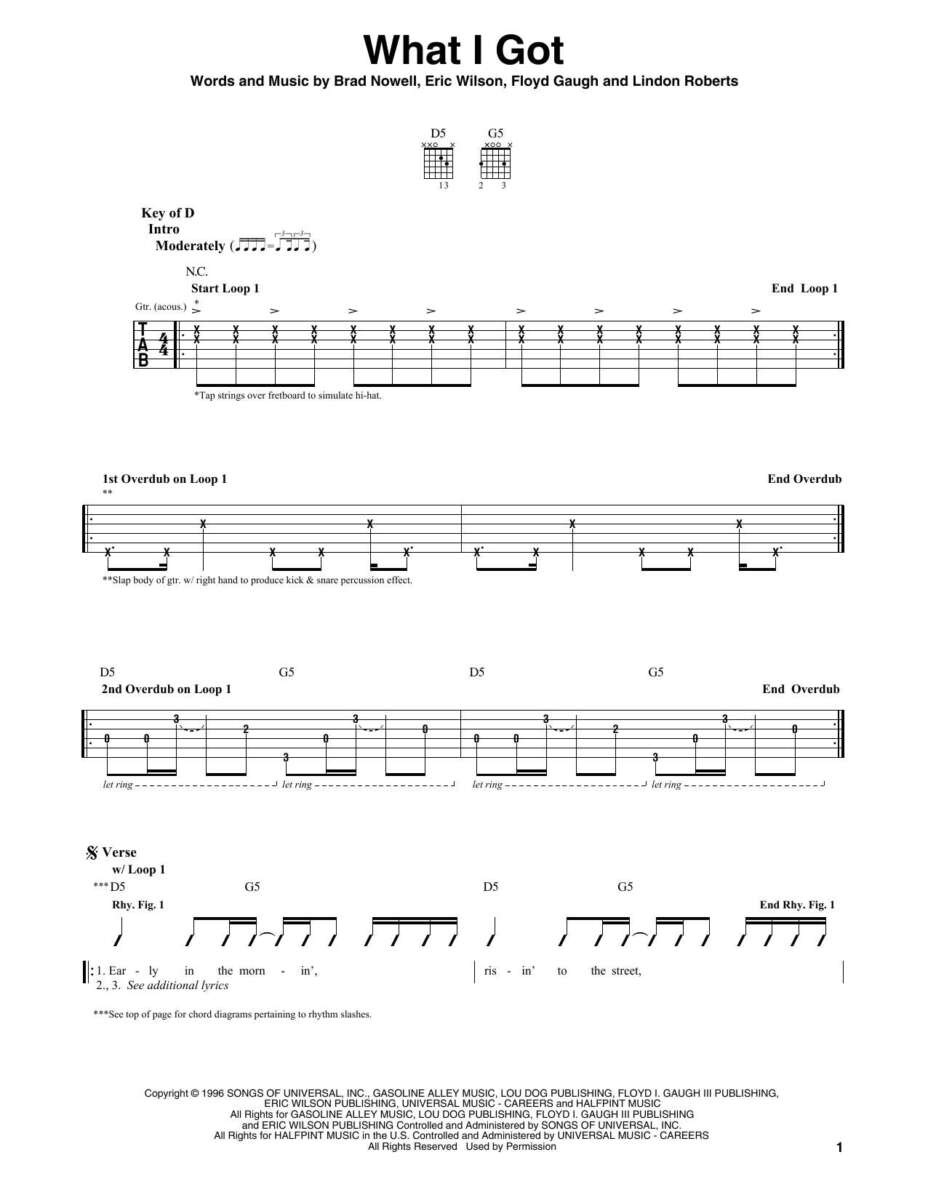
What I Got Guitar Tab: Easy Chords And Tabs
The What I Got guitar tab helps players learn Sublime’s relaxed chords, bright rhythm, and memorable acoustic groove.
Learning the What I Got guitar tab is a great way to build timing, chord changes, and reggae-influenced strumming. Sublime’s 1996 song sounds simple at first, yet its feel depends on clean muting, steady rhythm, and a relaxed right hand. This guide explains how to approach the tab, choose a reliable arrangement, avoid common mistakes, and make the song sound musical rather than mechanical.
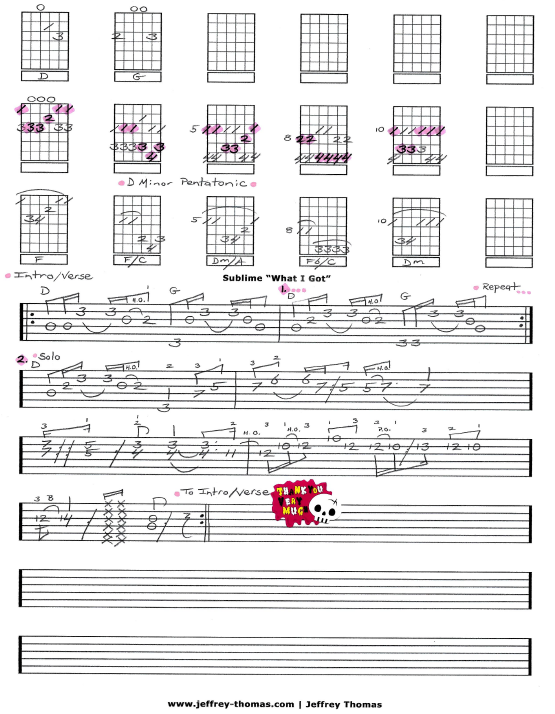
What Is the What I Got Guitar Tab?
The What I Got guitar tab usually refers to guitar arrangements for Sublime’s well-known song “What I Got.” The track appears on the band’s self-titled 1996 album and blends acoustic rock, reggae, punk, and ska influences.
A guitar tab shows which string and fret to play. Unlike standard music notation, tablature gives guitarists a visual map of the fretboard. Many versions of the What I Got guitar tab also include chord names, rhythm marks, strumming symbols, and tuning notes.
The song has a friendly, open sound. However, the groove is more important than playing many notes. A player who uses the correct rhythm and muting can sound convincing with a simple arrangement.

What You Need Before Learning the Tab
Before opening a What I Got guitar tab, prepare your guitar and your practice space. Small setup choices can make the song much easier to learn.
You will usually need:
• An acoustic or clean electric guitar
• A guitar in standard tuning
• A pick, although fingerstyle also works
• A metronome or slow backing track
• A legal, readable tab arrangement
Most common versions use standard tuning: E, A, D, G, B, and E from the lowest string to the highest. Still, check the tuning listed on the tab. Some online arrangements may use alternate tuning or simplify the original guitar part.
Start by tuning carefully. A guitar that is slightly out of tune can make correct chord shapes sound wrong. This is especially clear when using open chords.

Understanding the Main Guitar Style
The What I Got guitar tab is less about speed and more about feel. The guitar part uses a light, steady groove with a strong sense of space.
Sublime’s style often places emphasis on the offbeat. In simple terms, the hand keeps moving while the pick or fingers strike selected upstrokes. This gives the song its loose reggae-rock character.
Try this basic movement:
-
Count “one and two and three and four and.”
-
Keep your strumming hand moving down and up.
-
Play only a few strokes at first.
-
Mute the strings between selected chords.
-
Add the full rhythm after the hand motion feels natural.
Do not rush to copy every mark in the What I Got guitar tab. First, make your strumming hand feel like a pendulum. A steady hand is the engine of this song.
Chords and Shapes Used in Common Arrangements
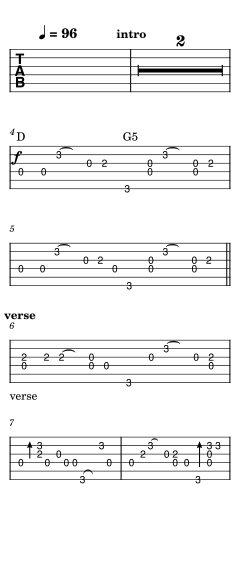
Many beginner arrangements of the What I Got guitar tab use familiar open-position chords. These shapes are useful because they let the notes ring clearly while keeping the left hand relaxed.
Depending on the arrangement, you may see:
• Open major chords
• Minor chords that add emotional contrast
• Short chord stabs
• Muted transitions
• Simple bass movement between chord shapes
The exact chord order can differ between tabs. Some arrangements match the studio recording closely, while others simplify the song for beginners. Compare the tab with the recording before assuming that every version is identical.
Practice each chord on its own first. Then switch between two chords at a time. Aim for smooth movement instead of speed. If your fingers lift too far from the fretboard, the changes will feel slow and uneven.
A useful exercise is to change chords once every four beats. When that feels easy, change every two beats. Only increase the pace when each chord sounds clean.

How to Read the What I Got Guitar Tab
Guitar tablature has six horizontal lines. The bottom line usually represents the low E string, while the top line represents the high E string.
Numbers show fret positions:
• 0 means play the string open
• 1 means fret the first fret
• 2 means fret the second fret
• X means mute the string
• Numbers stacked vertically are played together
Rhythm can be harder to understand because basic tab does not always show timing well. Listen to the recording while following the What I Got guitar tab. This helps you connect the written notes to the actual groove.
Look for chord diagrams above the tab. They show where to place your fingers. If the tab includes slash marks, those often represent strumming directions, but the symbols may vary by website or publisher.
When the rhythm looks unclear, simplify it. Play one downstroke per beat. Once the chord changes are stable, add the offbeat rhythm.

A Step-by-Step Practice Plan
A clear practice plan will help you learn the What I Got guitar tab without feeling overwhelmed.
Step 1: Tune and warm up
Tune each string and play a few slow chord changes. Relax your shoulders and keep your thumb behind the guitar neck.
Step 2: Learn the chord shapes
Practice the chords without strumming a full pattern. Check each string one at a time to find muted or buzzing notes.
Step 3: Practice the rhythm on muted strings
Lay your fretting hand lightly over the strings. Strum the rhythm without producing clear notes. This isolates the right-hand movement.
Step 4: Add two chords
Choose the first two chords in your What I Got guitar tab. Move between them slowly while keeping the rhythm steady.
Step 5: Add muting
Release pressure from your fretting hand without removing your fingers. This creates short, percussive sounds between the chord hits.
Step 6: Practice with a metronome
Begin at a slow tempo. Increase the speed by small amounts only when your playing remains relaxed.
Step 7: Play with the recording
Use the original recording as a timing guide. Do not try to match every detail at once. Focus on the pulse, chord changes, and overall feel.

Common Mistakes Players Make
Many guitarists can learn the notes in the What I Got guitar tab but still struggle to make the song sound right. The problem is often rhythm, not technique.
Here are common issues to watch for:
• Strumming every beat with the same force
• Ignoring muted strokes
• Changing chords too late
• Playing too fast during the first practice session
• Holding the pick too tightly
• Letting unwanted strings ring
• Copying a complex tab before learning the basic groove
The most common mistake is treating the song like a straight rock pattern. Its character comes from space and offbeat movement. Think of the rhythm as a conversation: some strokes speak clearly, while others stay quiet.
In practice sessions, I have found that players improve faster when they first use muted strings. This removes the pressure of getting every chord perfect and lets the strumming hand learn the groove.
How to Make the Tab Sound More Like the Recording
A tab only gives you part of the information. Your tone, attack, muting, and timing also shape the performance.
For an acoustic guitar, try a light to medium pick. A softer attack can sound closer to the relaxed quality of the recording. Avoid digging too deeply into the strings, since that can make the rhythm harsh.
For an electric guitar, use a clean or slightly driven setting. Too much distortion can hide the short chord hits and make the groove sound muddy.
You can also try these adjustments:
• Keep the wrist loose
• Use small strumming movements
• Accent the offbeats lightly
• Mute with the fretting hand
• Let selected chords ring
• Avoid playing louder just because the rhythm becomes busy
The What I Got guitar tab should serve the song, not control your hands. Once you understand the pattern, add small changes in dynamics. That is often what makes a beginner performance sound more polished.
Acoustic Guitar or Electric Guitar?
Both guitars can work well for the What I Got guitar tab. Your choice depends on the sound you want and your skill level.
An acoustic guitar is a good choice for beginners. It makes the rhythm clear and does not require an amplifier or effects. It also exposes buzzing notes and weak chord changes, which can help you improve.
An electric guitar gives you more control over tone. A clean setting can make the chord stabs sharp and clear. A small amount of overdrive may work for a fuller rock sound, but too much gain can blur the rhythm.
If your acoustic guitar feels difficult to play, check the action and string condition. High string action can make simple chords tiring. A basic setup from a qualified guitar technician may make a noticeable difference.
How Long Does It Take to Learn?
The time needed to learn the What I Got guitar tab depends on your experience and the arrangement you choose.
A beginner may learn the basic chords in a few practice sessions. A more complete version can take longer because it may include rhythmic accents, fills, and muted strokes.
A practical schedule looks like this:
• Five minutes for tuning and warm-up
• Ten minutes for chord changes
• Ten minutes for rhythm practice
• Five minutes with a metronome
• Five minutes playing along with the recording
Short, focused practice is often better than one long session. Even 20 minutes a day can build strong muscle memory when you practice with care.
Do not measure progress only by whether you can play from start to finish. Clean chord changes, steady timing, and relaxed movement are better signs of improvement.
Choosing a Reliable What I Got Guitar Tab
Not every online tab is accurate. User-submitted arrangements can contain wrong chords, unclear timing, or missing sections.
Before trusting a What I Got guitar tab, check the following:
• Does it list the tuning?
• Does the chord pattern match the recording?
• Are rhythm marks included?
• Does the tab identify sections clearly?
• Do several versions agree on the main parts?
• Is the arrangement legally provided?
Licensed tab services and official songbooks are often more reliable than random copies. They may also include rhythm notation, chord diagrams, and performance notes.
There is another limitation to remember: a written tab cannot fully capture the feel of a live performance. Even an accurate arrangement may sound different from the recording if the strumming attack or muting is missing.
Copyright and Legal Use
Guitar tabs are written arrangements of copyrighted music. The song itself, its recording, and many published arrangements may be protected by copyright.
For personal study, use a licensed tab, official songbook, or authorized lesson resource. Avoid copying or republishing a complete tab without permission. If you share a performance online, follow the platform’s music licensing rules.
This guide focuses on learning methods, technique, and musical context. It does not reproduce the complete What I Got guitar tab. That approach respects the rights of the songwriters, publishers, and tab creators while still helping you learn the part properly.
Tips for Beginners
If this is one of your first full songs, keep the goal simple. You do not need to master every detail before enjoying the music.
Try these beginner-friendly tips:
• Learn the chord changes before the fills
• Practice slowly enough to avoid tension
• Use a metronome at a comfortable speed
• Record yourself once a week
• Listen for unwanted string noise
• Take breaks when your hand feels tired
• Play along with a slower backing track
One mistake I often see is stopping every time a chord change goes wrong. Keep the beat moving instead. In a real performance, a missed chord is less noticeable than a long pause.
Think of the rhythm as a road. If one note goes wrong, stay on the road and continue to the next beat.
Frequently Asked Questions About the What I Got Guitar Tab
What tuning is used for the What I Got guitar tab?
Most common arrangements use standard tuning: E, A, D, G, B, and E. Always check the tuning shown on your specific tab because some versions may simplify or change the arrangement.
Is the What I Got guitar tab suitable for beginners?
Yes, the basic chord version is suitable for many beginners. The main challenge is keeping the offbeat rhythm steady while changing chords smoothly.
Should I play the song on acoustic or electric guitar?
Either guitar can work. Acoustic guitar gives a clear, natural rhythm, while clean electric guitar can create a sharper and more controlled chord sound.
Why does my version not sound like the recording?
The difference may come from rhythm, muting, tone, or chord voicings. Many tabs simplify the original part, so compare your arrangement with a licensed version and listen closely to the recording.
How can I improve the strumming pattern?
Practice the rhythm on muted strings first. Keep your hand moving evenly, then add the chord shapes without changing the motion.
Do I need a pick to play the song?
No. A pick can make the rhythm bright and clear, but fingers can produce a softer sound. Try both methods and choose the one that gives you better control.
Where can I find an accurate What I Got guitar tab?
Look for an authorized tab service, official songbook, or reputable lesson resource. Check that the arrangement lists tuning, chords, rhythm, and song sections clearly.
Conclusion
The What I Got guitar tab is a useful study piece for open chords, muted strumming, offbeat rhythm, and relaxed performance. Start with the chord shapes, learn the groove on muted strings, and build speed only after your timing feels steady.
Use a licensed arrangement, listen to the original recording, and focus on the song’s feel rather than chasing every note at once. Pick up your guitar today, practice one section slowly, and share your progress or favorite version in the comments.

Senior Music Reviewer
Alex Carter is a seasoned music reviewer with over a decade of experience in the world of sound and instruments. Passionate about helping musicians and enthusiasts make informed choices, he brings sharp insights and in-depth knowledge to every review. From classical instruments to modern gear, Alex combines technical expertise with a love for music to deliver content that resonates with readers.
As a Senior Music Reviewer and expert author on Tuneluma.com, Alex is dedicated to sharing honest evaluations, practical advice, and thoughtful commentary to guide readers in their musical journey.