What Sound Does A Drum Make: Hear The Classic Beat
A drum makes a deep, sharp beat when its stretched head vibrates and moves nearby air.
The answer to “what sound does a drum make” depends on the drum’s size, shape, material, and playing method. A large bass drum gives a low boom, while a small snare drum creates a bright crack. This guide explains the science, language, types, and real-world factors behind a drum’s sound.

What sound does a drum make?
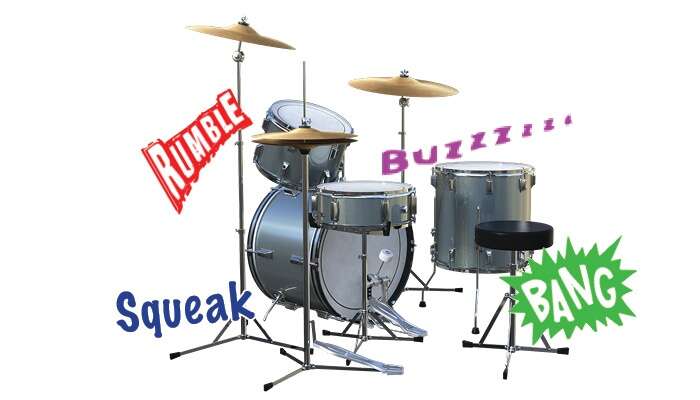
A drum usually makes a boom, bang, thump, beat, or pop. The exact word depends on the drum and the way someone strikes it.
A drum does not make just one fixed sound. Its tone can range from soft and warm to loud and sharp. A hand drum may produce a rounded “dum” sound, while a snare drum may make a crisp “rat-a-tat” sound.
Common drum sound words include:
• Boom: A deep sound with strong low tones
• Thump: A short, soft, low sound
• Bang: A loud, forceful hit
• Pop: A quick, bright sound
• Crack: A sharp sound with a strong attack
• Rattle: A trembling sound, often made by snare wires
• Tap: A light and gentle strike
• Roll: A rapid series of repeated hits
In simple terms, a drum makes a percussive sound. This means the sound begins when an object is struck, shaken, scraped, or hit.
How does a drum produce sound?
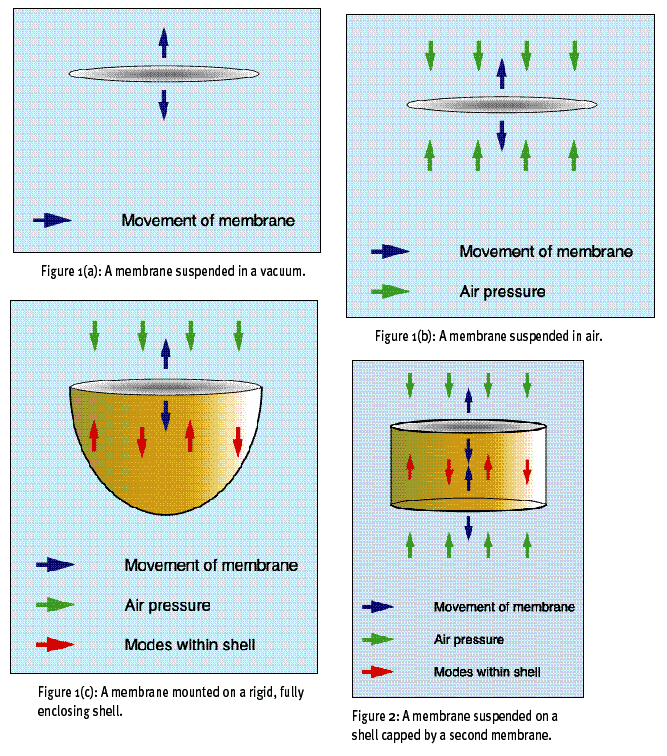
A drum produces sound through vibration. When a player strikes the drumhead, the head moves up and down. This motion pushes the air around it and creates sound waves that travel to your ears.
Think of the drumhead as a flexible trampoline. A hard hit makes it move with more energy. A soft hit creates smaller movements and a quieter sound.
The main steps are:
- A stick, hand, or mallet hits the drumhead.
- The drumhead begins to vibrate.
- The shell and air inside the drum respond to that vibration.
- Sound waves move through the air.
- Your ears detect the waves as a drum sound.
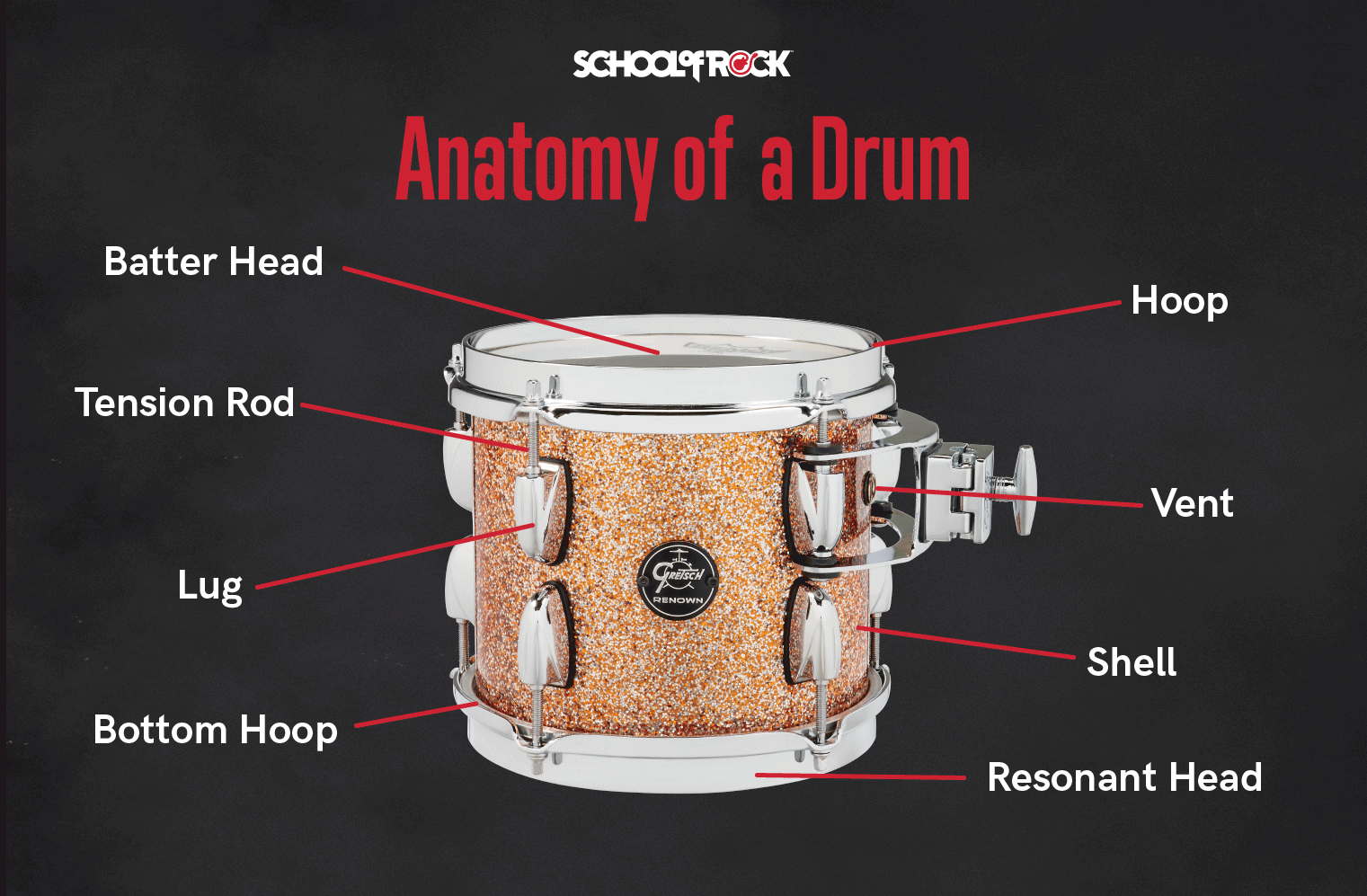
The shell also matters. It helps support the drumhead and shapes the movement of air inside the drum. The air trapped in the shell can strengthen certain tones, much like the body of an acoustic guitar helps make a string louder.
A drum does not have a clear musical pitch in the same way a piano key does. It creates many frequencies at once. Some drums, such as timpani, can produce a more controlled pitch, but most drums sound more like a blend of tones and noise.
What affects a drum’s sound?
Several physical features change what sound a drum makes. Even two drums that look similar may sound very different.
Drum size
A larger drum usually produces lower sounds. Its larger air space and wider head support slower vibrations.
A smaller drum tends to produce higher sounds. For example, a bass drum makes a low boom, while a small tom or snare drum sounds brighter and more focused.
Drumhead tension
Tightening the drumhead often raises its pitch and makes the sound more focused. A loose head creates a lower, softer, and sometimes more rough sound.
Drummers adjust tension with metal tuning lugs around the rim. Small changes can make a big difference, especially on snare drums and toms.
Drum shell material
Drum shells may be made from wood, metal, acrylic, or other materials. Each material affects the tone.
• Wood often creates a warm and balanced sound
• Metal often creates a bright and powerful sound
• Acrylic can produce a clear and lively tone
• Fiberglass and composite shells may offer strong projection and durability
The material does not work alone. Shell thickness, shape, bearing edges, and internal air space also affect the result.
Playing surface
A coated drumhead may sound warmer and softer than a clear head. A mesh head often creates a quieter sound and is common on electronic or practice drums.
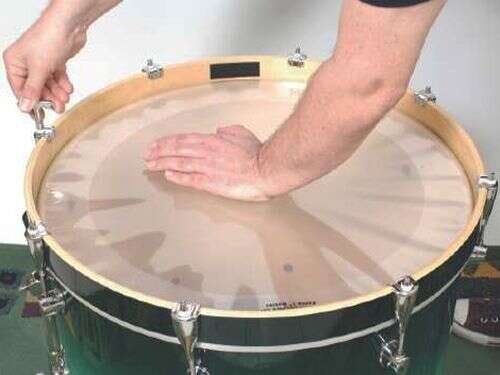
A player can also place a hand, cloth, or dampening pad on the head. This reduces ringing and creates a shorter sound.
Striking tool
The tool changes both volume and tone.
• Hands create warm, rounded sounds
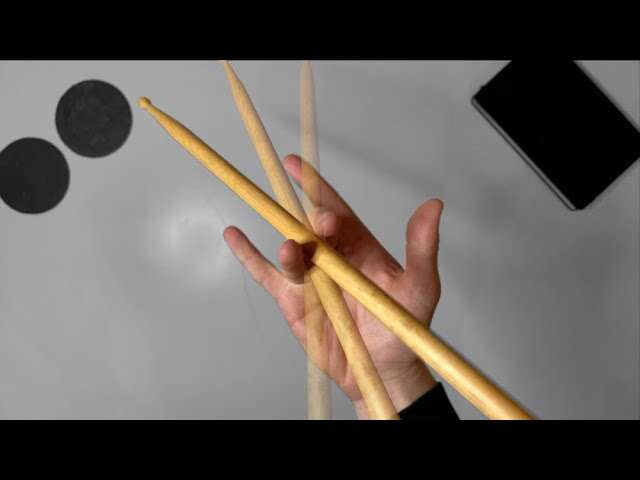
• Wood sticks create clear attacks
• Felt mallets create soft, deep sounds
• Brushes create a swish and gentle scrape
• Hard beaters create strong, powerful attacks
The place where the player strikes also matters. Hitting the center often creates a fuller tone. Hitting near the edge creates a sharper and thinner sound.
What sound does each type of drum make?
Different drums serve different musical roles. Their sound depends on design, size, tuning, and playing style.
Bass drum
A bass drum makes a deep boom or low thump. It often supports the pulse of a marching band, orchestra, rock group, or concert ensemble.
A soft mallet may create a round and gentle boom. A hard beater can make the attack more direct and forceful.
Snare drum
A snare drum makes a sharp crack, pop, or rattle. Metal wires called snares stretch across the bottom head. When the drum is hit, these wires vibrate and create its famous buzzing sound.
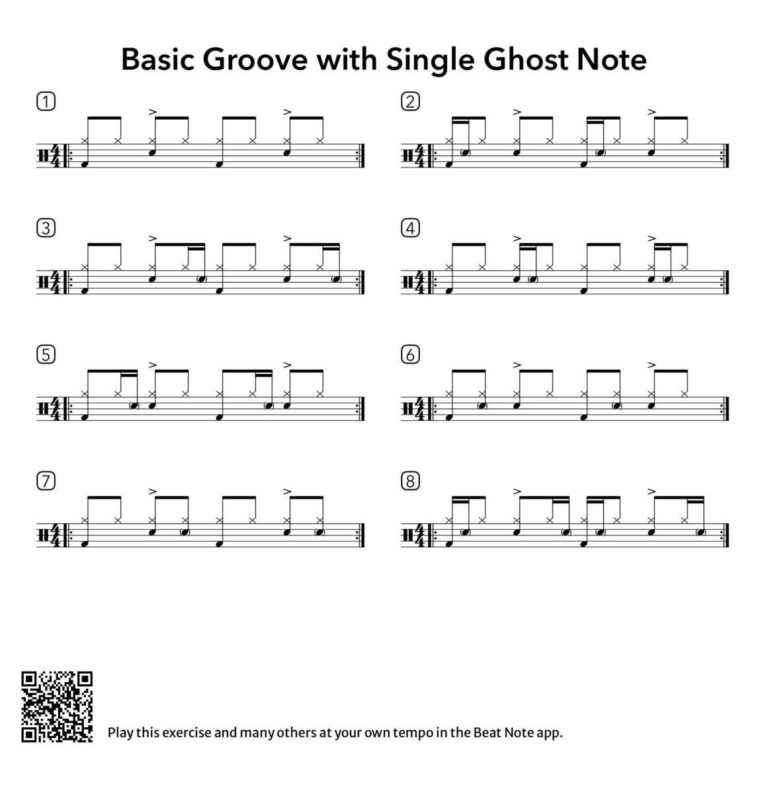
The snare is often used to mark backbeats in rock, pop, funk, and many other styles. It can also produce soft ghost notes, loud accents, and fast rolls.
Tom-tom
A tom-tom makes a rounded “tom” or “dum” sound. Toms come in different sizes, so some create medium tones while others produce deep, powerful sounds.
Drummers often use toms in fills. A fill is a short rhythmic phrase that connects parts of a song.
Floor tom
A floor tom makes a low, full sound. It often sounds deeper than mounted toms and may be used to build tension or add weight to a rhythm.
Bongo drums
Bongos are small paired drums. One drum is higher, and the other is lower. They create bright, lively sounds such as “click,” “tone,” and “dum.”
Players often use their fingers and palms. The sound can change greatly depending on whether the center, edge, or rim is struck.
Conga drum
A conga creates a rich, open tone. It can make low bass notes, sharp slaps, and clear open tones.
The conga is common in Afro-Cuban music and many modern styles. Skilled players use several parts of the hand to create different sounds.
Djembe
A djembe makes three main sounds:
• Bass: A deep tone from the center
• Tone: A clear sound near the edge
• Slap: A sharp, bright sound made with the fingers
The djembe has a wide range of tones for one drum. Its sound can be powerful enough for outdoor group playing.
Timpani
Timpani make deep, rounded notes that can be tuned to specific pitches. Unlike most drums, timpani often play clear melodic or harmonic parts in orchestral music.
A pedal allows the player to change the tension of the head. This changes the pitch while the musician plays.
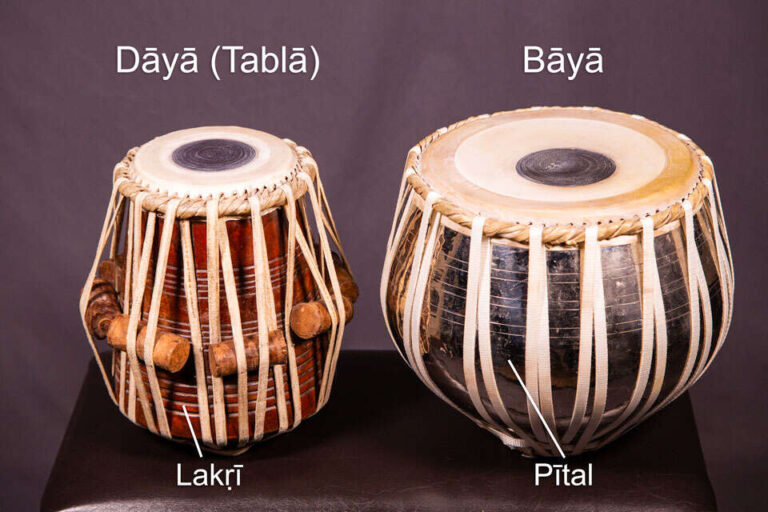
Tabla
Tabla drums create detailed, changing tones. Players use their fingers and palms to make bass notes, high notes, clicks, and complex rhythmic patterns.
The smaller drum often produces bright, precise sounds. The larger drum creates deeper tones.
Is a drum sound high or low?
A drum can sound high, low, or somewhere between. Size and tension are two of the biggest factors.
Large drums with loose heads usually produce low sounds. Small drums with tight heads tend to produce higher sounds. However, the material, shell shape, head type, and playing technique also affect pitch.
A drum sound is often described by more than pitch. Musicians also listen for:
• Tone: The main character of the sound
• Volume: How loud or quiet it is
• Attack: How quickly the sound begins
• Sustain: How long the sound continues
• Decay: How the sound fades
• Resonance: How much the sound rings
• Timbre: What makes one drum sound different from another
This is why two drums can play the same general note but still sound completely different. One may be warm and short, while the other is bright and ringing.

What sound does a drum make in words?
People use sound words, also called onomatopoeia, to describe drum sounds. These words imitate or suggest the sound itself.
Common examples include:
• Boom boom: A large, low drum
• Dum dum: A hand drum or tom
• Rat-a-tat: A repeated snare sound
• Ba-dum: A short drum pattern
• Bang: A hard strike
• Tap tap: Light hits
• Thump: A muted bass sound
• Roll: A fast, continuous series of notes
The word “drum” itself does not tell us the exact sound. In a children’s story, a drum may go “rat-a-tat-tat.” In a marching band, it may sound like a strong “boom.” In a jazz club, a brush may create a soft “shhh” across the head.
Language gives us a useful picture, but recorded audio or live listening gives the most accurate idea.
What sound does a drum make when played in different ways?
The same drum can make many sounds. A skilled player uses touch, speed, pressure, and location to shape each note.
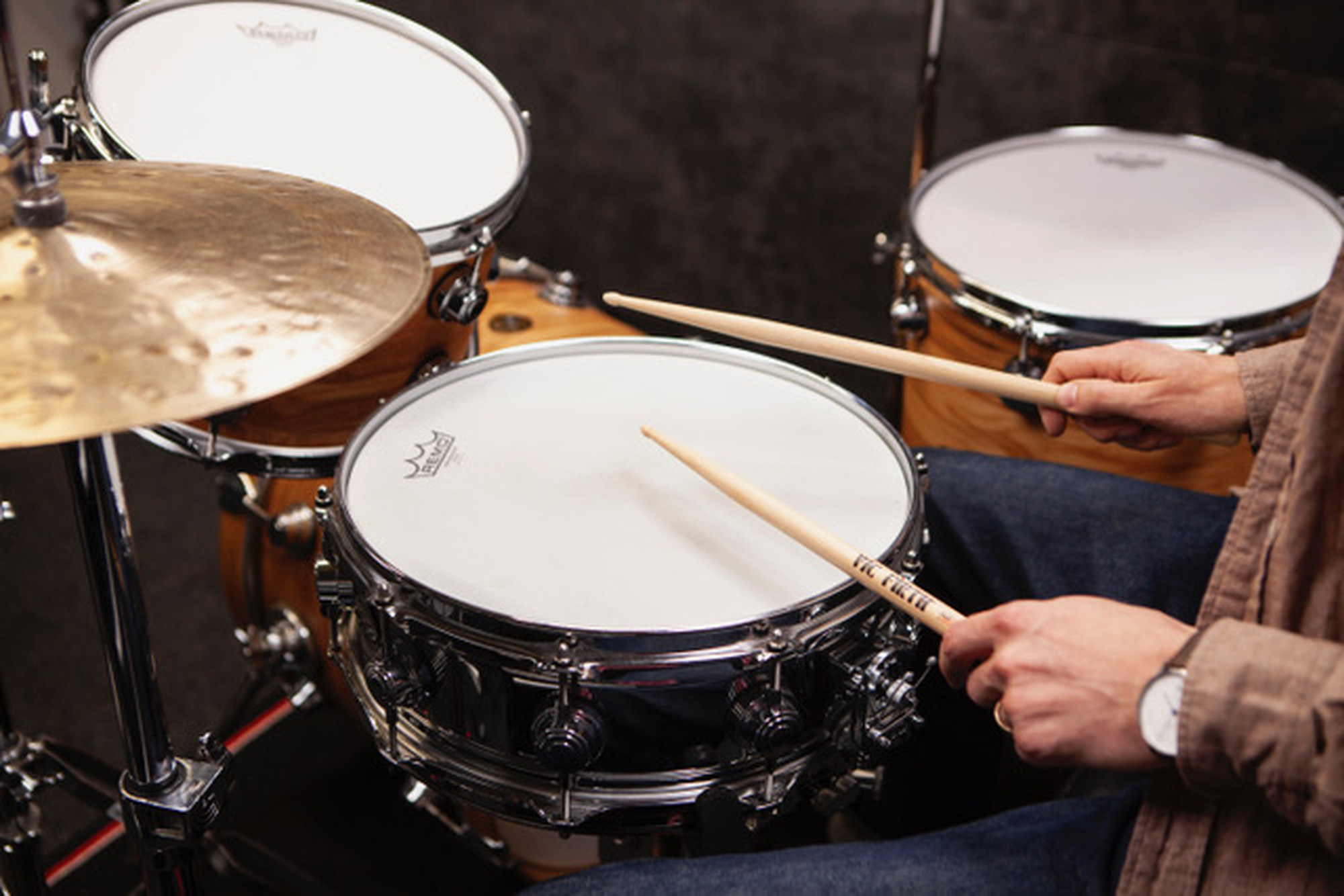
A center hit usually produces a full and strong tone. An edge hit often produces a brighter attack. A rimshot strikes the head and rim at the same time, creating a loud, sharp crack.
A drummer may also use these techniques:
• Ghost note: A very soft note played between stronger beats
• Rim click: A dry click made by striking the rim or shell
• Flam: Two close hits that sound like one wider note
• Roll: Many quick hits played in succession
• Cross-stick: A stick rests on the head while its other end strikes the rim
• Muting: A hand or object reduces ringing
• Open tone: A clear sound allowed to ring
During hands-on drum testing, one common lesson becomes clear: the player often shapes the sound more than beginners expect. A gentle touch near the edge can sound more musical than a hard hit in the center.
A frequent beginner mistake is striking every drum with the same force. That can make a set sound flat and harsh. Start with light hits, listen closely, and increase force only when the music needs more energy.

Why do drums sound different from each other?
Drums sound different because each one has a unique combination of physical features and playing methods.
A snare drum has thin heads and metal wires, so it creates a bright attack and buzzing response. A bass drum has a large body and larger heads, so it creates a deep and wide sound.
Cultural traditions also shape drum design. West African djembes, Indian tablas, Japanese taiko drums, Latin congas, and European orchestral drums all use different forms and techniques. Their sounds reflect both their construction and the music in which they are used.
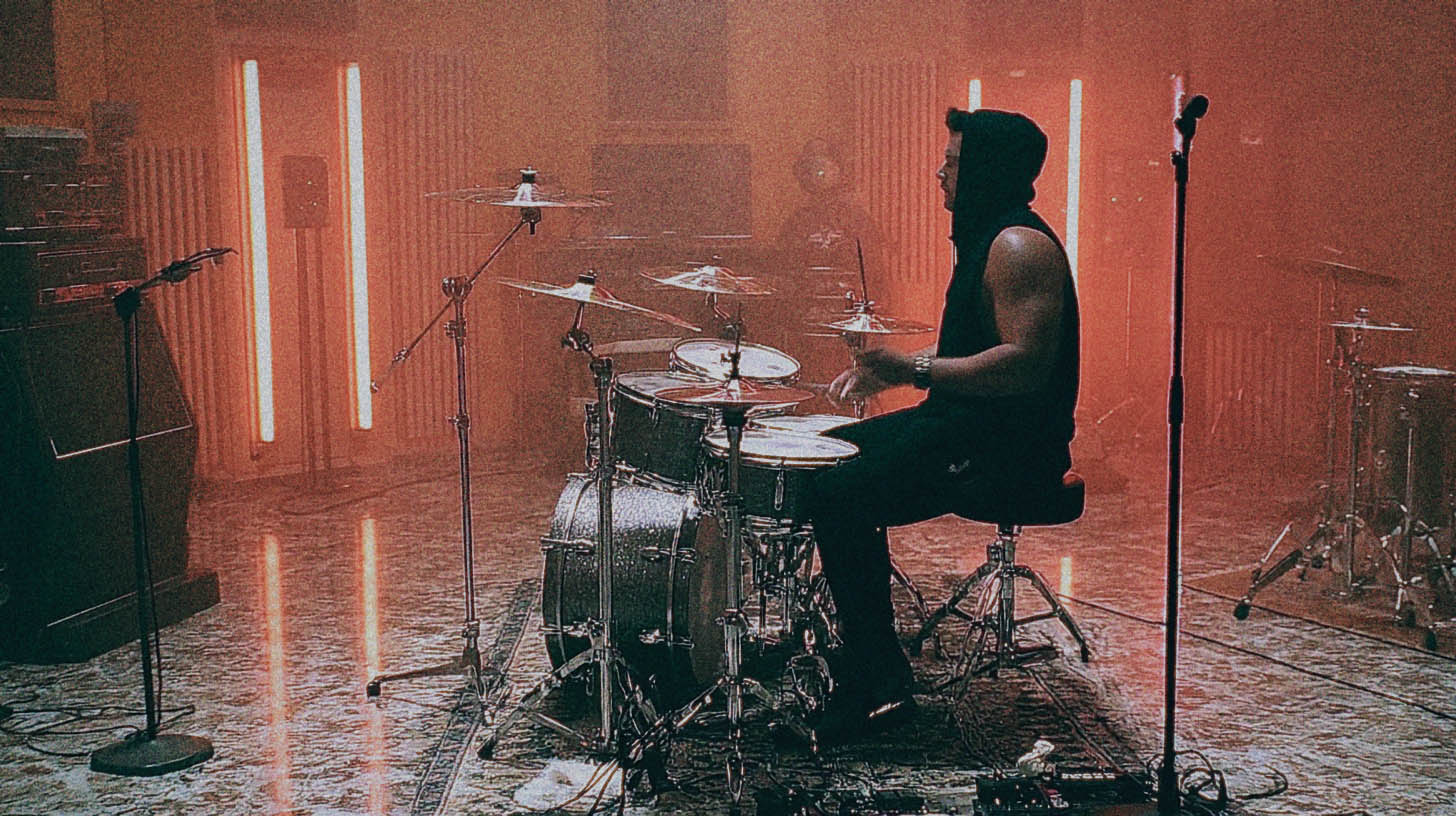
Room acoustics matter too. A drum played in a small room may sound loud and sharp because sound reflects from the walls. In a large hall, the same drum may sound more open and spacious.
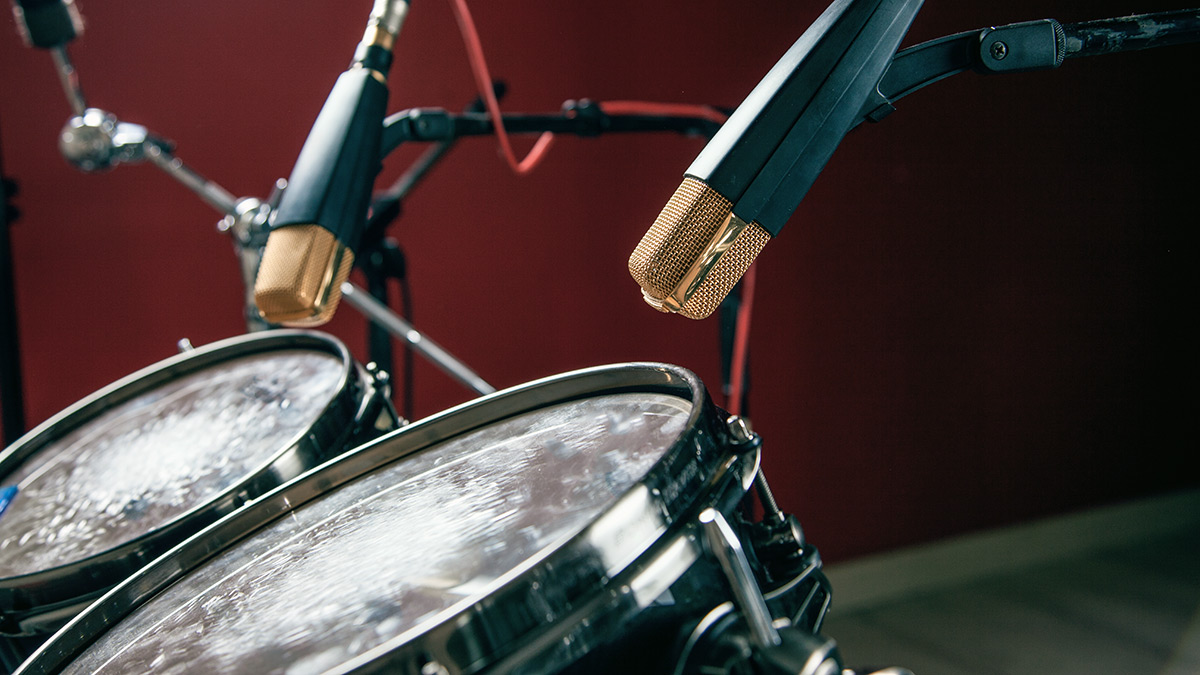
Microphones can change the result again. A close microphone captures attack and detail. A distant microphone captures more room sound and natural resonance.
How to make a drum sound better
Good drum sound begins with proper setup. You do not need expensive equipment to improve a basic drum.
Try these practical steps:
- Tune the head evenly around the rim.
- Replace damaged or badly stretched heads.
- Keep the drum shell and hardware secure.
- Use the right stick, mallet, or beater.
- Strike with controlled movement instead of excess force.
- Add light dampening if the drum rings too much.
- Test the drum in the room where it will be played.
- Protect your hearing during loud practice or performances.
Uneven tuning is one of the most common problems. Tap near each tuning lug and compare the tones. They should sound close to one another.
Avoid adding too much dampening. A small piece of gel or tape may control unwanted ringing, but covering most of the head can make the drum lifeless.
For children, a practice pad or electronic drum kit can reduce noise. For all players, hearing protection is wise during long sessions. Repeated exposure to loud sound can harm hearing, even when the music feels enjoyable.
The role of drums in music
Drums provide rhythm, energy, movement, and structure. They help listeners feel the beat and help musicians stay together.
A simple kick and snare pattern can make a song feel steady. A hand drum can create a flowing groove. A timpani roll can build drama before an orchestra reaches a powerful moment.
Drums also communicate emotion. A soft beat may feel calm or thoughtful. Fast, loud hits may suggest excitement, anger, celebration, or urgency.
In many cultures, drums have roles beyond entertainment. They may support dance, ceremonies, storytelling, worship, and community events. Their sound can bring people together because rhythm is easy to feel, even when people speak different languages.
Frequently Asked Questions About What Sound Does a Drum Make
What sound does a drum make?
A drum can make a boom, bang, thump, pop, crack, or rattle. The sound depends on the drum’s size, head tension, shell material, and playing method.
What is the sound of a bass drum called?
A bass drum usually makes a deep boom or low thump. Its large size and low tuning help create strong low-frequency sound.
What sound does a snare drum make?
A snare drum makes a sharp crack, pop, or rattling sound. Its snare wires vibrate against the bottom head and create the distinctive buzz.
Do all drums make the same sound?
No. Drums vary in size, shape, materials, tuning, and playing style. A djembe, tabla, snare, and bass drum can all produce very different tones.
Why does a drum make a loud sound?
A drum becomes loud when its head moves a large amount of air. A stronger strike, larger head, resonant shell, and reflective room can all increase volume.
Can a drum make a high-pitched sound?
Yes. Small drums with tight heads can make higher sounds. Timpani can also produce controlled high or low notes by changing head tension.
What are drum sound words for children?
Common words include boom, bang, thump, tap, pop, and rat-a-tat. These words help children connect written language with the sounds they hear.
Conclusion
A drum makes sound when a stretched head vibrates and sends waves through the air. The result may be a deep boom, bright crack, soft tap, lively rattle, or many other tones.
Size, tension, shell material, head type, striking tool, playing technique, and room acoustics all shape what sound does a drum make. Once you understand these factors, it becomes easier to choose, tune, play, and describe any drum.
Listen to different drums in person or through quality recordings, then notice the pitch, attack, resonance, and volume. Explore more rhythm guides, practice with care, and share your favorite drum sound in the comments.

Senior Music Reviewer
Alex Carter is a seasoned music reviewer with over a decade of experience in the world of sound and instruments. Passionate about helping musicians and enthusiasts make informed choices, he brings sharp insights and in-depth knowledge to every review. From classical instruments to modern gear, Alex combines technical expertise with a love for music to deliver content that resonates with readers.
As a Senior Music Reviewer and expert author on Tuneluma.com, Alex is dedicated to sharing honest evaluations, practical advice, and thoughtful commentary to guide readers in their musical journey.