What Is A Tabla Drum: History, Sound, And Uses
A tabla drum is a pair of tuned Indian hand drums used in classical, folk, and popular music.
If you have heard bright, rapid rhythms in Hindustani music, you have likely heard a tabla drum. This guide explains its parts, history, sound, playing style, tuning, cultural role, and practical care so you can understand the instrument with confidence.
What Is a Tabla Drum?
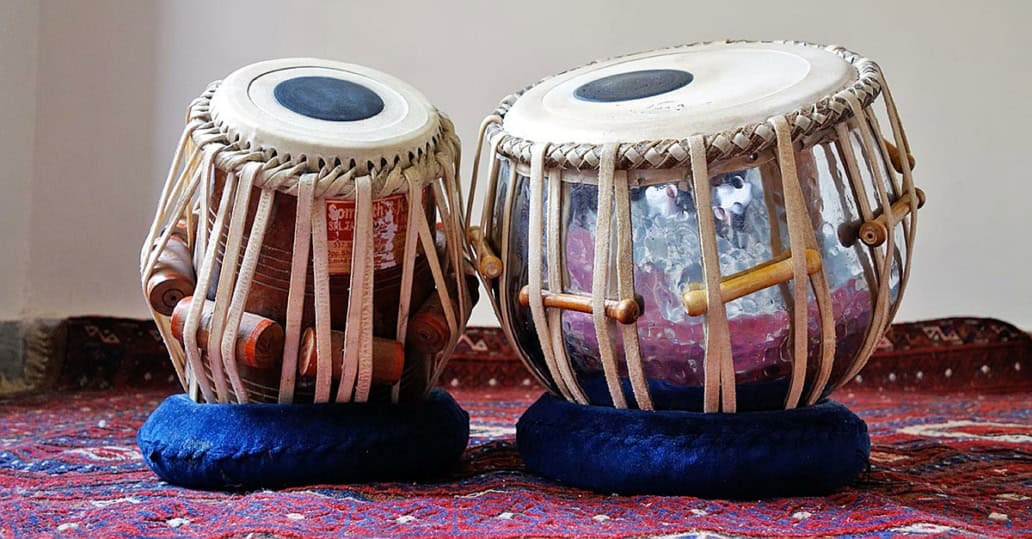
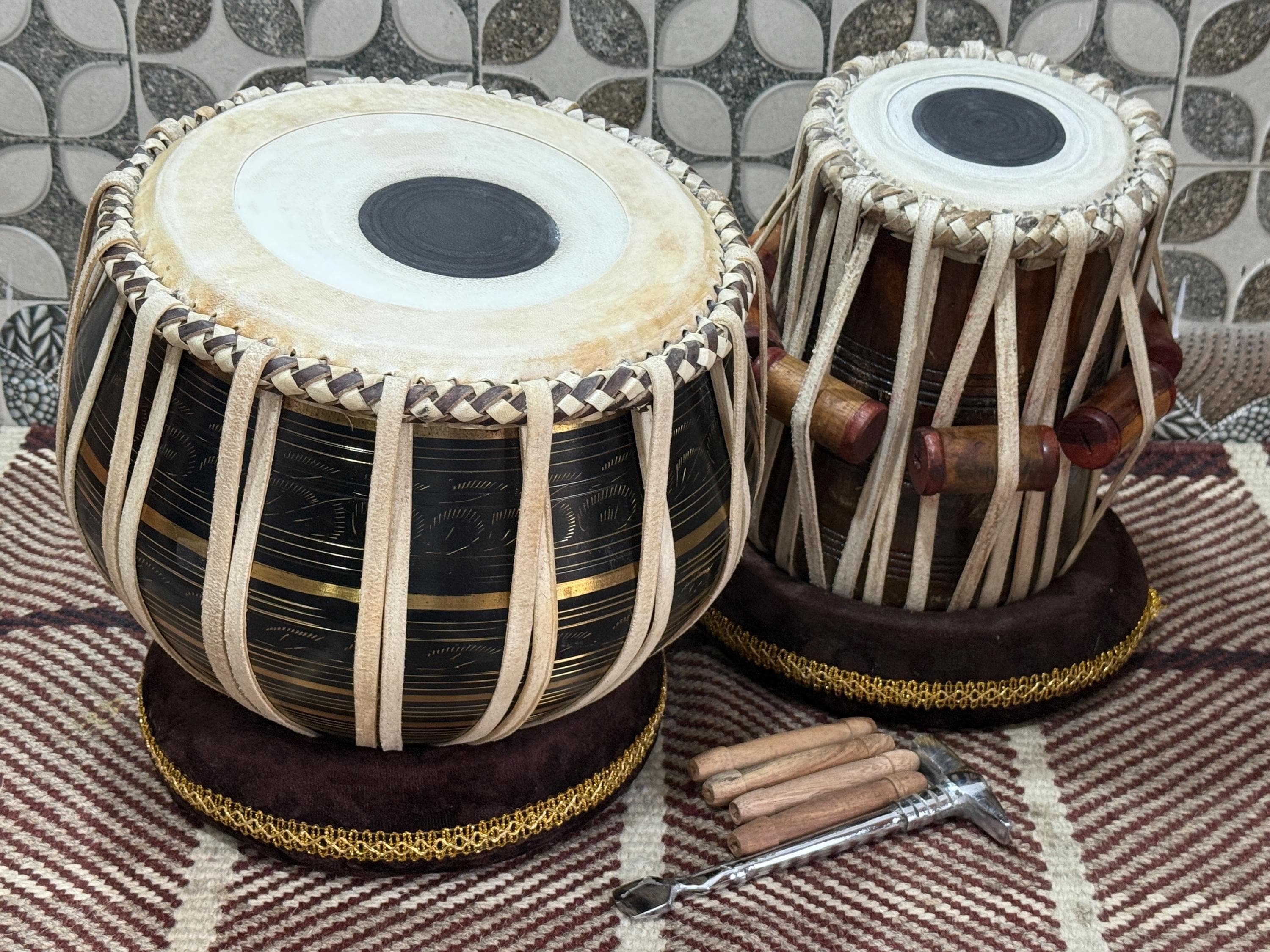
A tabla drum is a set of two small, barrel-shaped hand drums from the Indian subcontinent. Players sit with the drums in front of them and use their fingers, palms, and hands to create many tones.
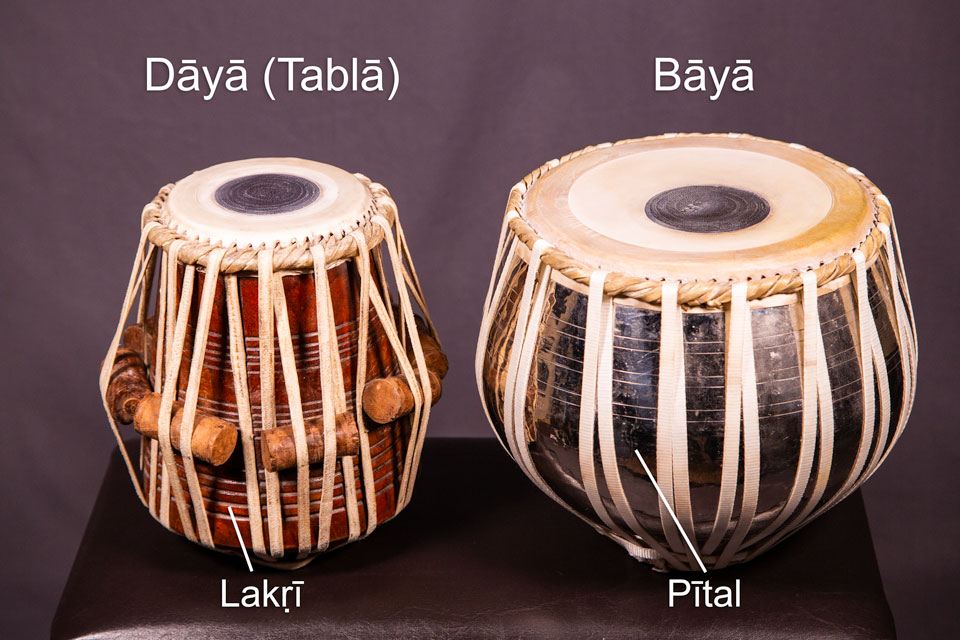
The smaller drum is called the dayan. It is usually played with the right hand. The larger drum is called the bayan, and it is usually played with the left hand. Together, these drums create sharp notes, deep bass tones, soft taps, and complex rhythmic patterns.
The tabla drum is central to Hindustani, or North Indian, classical music. It also appears in devotional music, folk traditions, film music, fusion, jazz, and modern world music.
Unlike a basic percussion instrument that only marks the beat, the tabla drum can speak almost like a language. Each stroke has a name, sound, and place within a rhythmic cycle.

Parts of a Tabla Drum
A tabla drum has several important parts. Each one affects the instrument’s tone, strength, and response.
Dayan
The dayan is the smaller, higher-pitched drum. It is often made from wood, though some modern versions use other materials.
The dayan is tuned to the main note of the music. In a classical performance, its pitch often matches the tonic note, known as Sa. The exact tuning depends on the singer, instrument, or musical piece.
Bayan
The bayan is the larger bass drum. It is commonly made from metal, clay, wood, or fiberglass.
Players can gently press the heel or base of the hand against the bayan skin. This changes the pitch while the drum is being played. That sliding bass effect is one of the tabla drum’s most recognizable sounds.
Drumhead
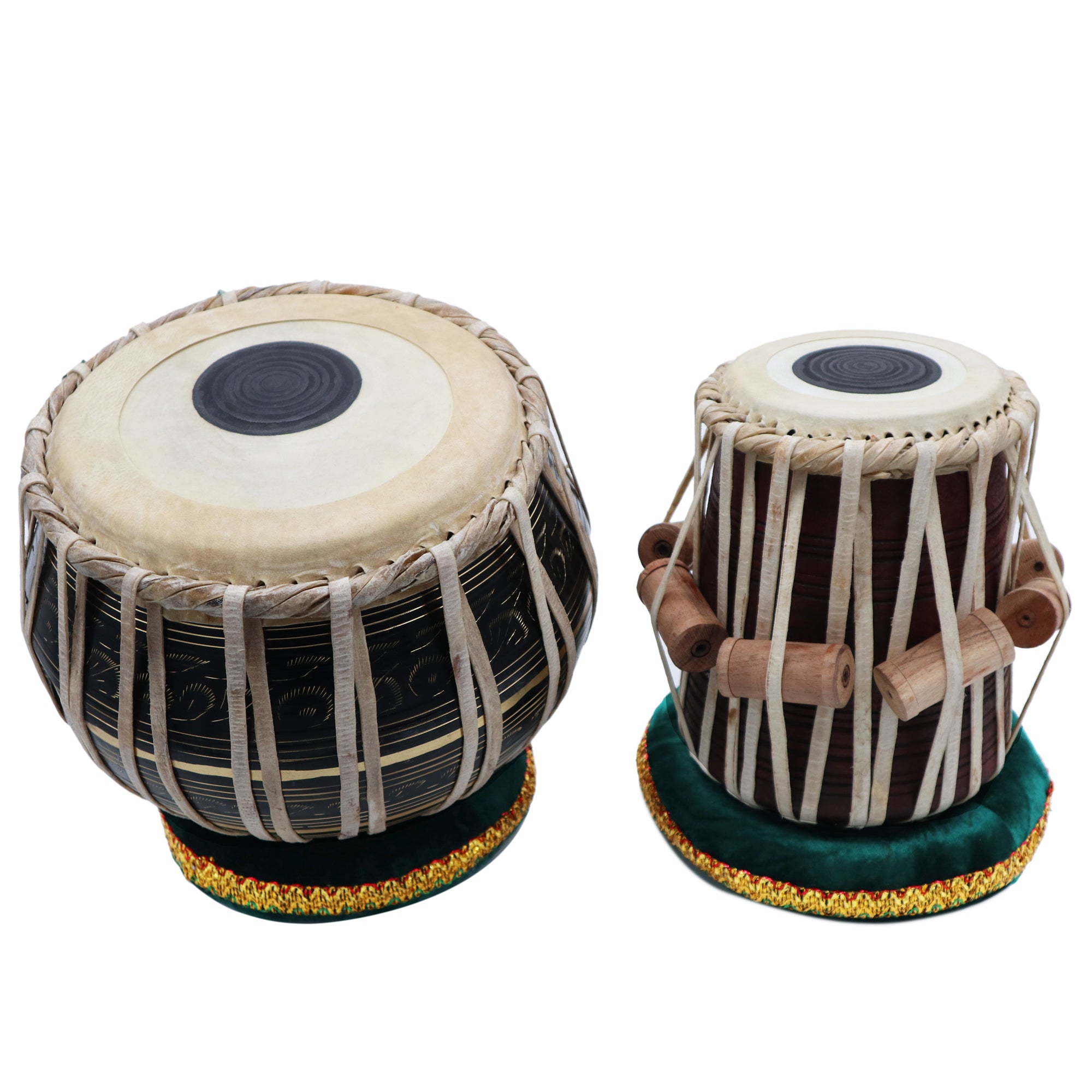
Each drum has a layered head made from animal skin or synthetic materials. The center contains a dark circular patch called the syahi.
The syahi is made from a carefully applied mixture that adds weight to the center of the drumhead. This helps produce a clear, focused pitch instead of a dull thud.
Gajra and Chanti
The gajra is the woven outer ring around the edge of the drumhead. It helps hold the head in place.
The chanti is the outer playing area near the rim. It creates a brighter, more open sound than the center of the drum.
Straps and Wooden Blocks
Strong leather or synthetic straps connect the drumhead to the lower part of the shell. Small wooden blocks sit between the straps and the shell.
Moving these blocks changes the tension of the head. This allows the player or maker to tune the tabla drum with a small hammer.

History and Cultural Background
The exact origin of the tabla drum is not fully certain. A popular story credits the medieval musician Amir Khusrau, but historians have found no firm evidence that he invented the modern tabla.
The instrument likely developed over time from older Indian drums and from changes in musical performance. Its modern form became especially important in North Indian classical music during the 18th and 19th centuries.
The tabla drum grew alongside the development of the khayal singing style, the sitar, the sarod, and other Hindustani instruments. It became both an accompanying instrument and a solo instrument.
Today, tabla players carry knowledge through the guru-shishya tradition. In this system, a student learns directly from a teacher through years of listening, repetition, correction, and performance.
This teaching style matters because tabla music is not only about hand movement. It also involves language, memory, timing, expression, and a deep sense of musical balance.
How Does a Tabla Drum Make Sound?
A tabla drum creates sound through controlled contact between the hands and the drumhead. Different parts of the hand produce different tones.
Common strokes include:
• Na: A clear stroke near the edge of the dayan.
• Tin: A bright, ringing stroke made on the dayan.
• Ta: A sharper open stroke with a crisp attack.
• Ge: A deep bayan sound.
• Ke: A muted or lighter bass stroke.
• Dha: A combined stroke played on both drums.
• Dhin: A resonant combined stroke with a rich tone.
These syllables are called bols. Bols help students learn and remember rhythmic phrases before they can play them with ease.
The sound of a tabla drum depends on more than the stroke. Skin type, head tension, shell size, room acoustics, humidity, and playing technique all affect the final tone.
A skilled player can make the same tabla drum sound gentle, forceful, dry, bright, or deep. That range gives the instrument its expressive character.
What Is Tabla Rhythm?
Tabla rhythm is based on repeating cycles called tala. A tala is not simply a beat pattern. It has a fixed number of beats, a structure, accents, and a traditional way of reciting its bols.
For example, teental has 16 beats. It is one of the most common cycles in Hindustani classical music.
A simple teental structure is:
- Dha Dhin Dhin Dha
- Dha Dhin Dhin Dha
- Dha Tin Tin Ta
- Ta Dhin Dhin Dha
The cycle is divided into sections called vibhag. The first beat, called sam, is especially important because musical phrases often resolve there.
Tabla players also use improvisation. They may perform a fixed composition, create variations, or build a solo through gradual increases in speed and complexity.
This is why a tabla drum performance can feel both structured and spontaneous. The rhythm has a clear map, but the player can explore many paths within it.
How Is a Tabla Drum Played?
A player usually sits on the floor with the dayan near the right hand and the bayan near the left hand. Each drum rests on a round cushion called a gaddi.
The hands stay relaxed. Good technique comes from small, controlled movements rather than force. Beginners often make the mistake of striking too hard, which creates tension and a harsh sound.
A basic learning process often includes:
- Learning the names of the bols.
- Practicing each stroke separately.
- Combining strokes into short phrases.
- Repeating phrases with a steady pulse.
- Learning simple tala cycles.
- Practicing with a metronome or tanpura.
- Playing with another musician or teacher.
One practical lesson I have seen again and again in tabla practice is that slow playing builds speed better than rushed playing. When the hands learn clean movements, faster passages become more natural.
A teacher can also spot problems that are hard to hear alone. Wrist tension, uneven volume, and poor finger position may seem small at first, but they can limit progress later.
Tuning a Tabla Drum
The dayan is usually tuned by adjusting the tension of its straps and wooden blocks. A small tuning hammer is used to tap the blocks or the outer rim.
The correct pitch depends on the musical setting. A singer may choose a different tonic than a sitar player. The tabla drum must then be tuned to fit that pitch.
The bayan does not always stay at one fixed note. Players often tune it to complement the main pitch, but they also change its sound with hand pressure during performance.
Tuning requires care. Striking the shell or tightening one area too much can damage the head or create uneven tension.
For beginners, it is wise to ask an experienced teacher or repair specialist for help. A good tabla maker can also recommend the right drum size, head style, and pitch range.
Tabla Drum Materials and Sizes
Traditional tabla drums use natural materials, but modern instruments may include synthetic parts.
Common materials include:
• Sheesham or other hardwoods for the dayan shell.
• Metal, clay, wood, or fiberglass for the bayan shell.
• Goat skin or other animal skin for traditional drumheads.
• Synthetic heads for players who want easier maintenance or consistent performance.
The size of the dayan affects its pitch range and response. A smaller dayan usually produces a higher sound, while a larger one may offer a fuller tone.
The bayan’s size affects its bass depth. A larger bayan can produce a broad, powerful low tone, but it may be heavier and less convenient to transport.
When buying a tabla drum, do not judge it only by appearance. Check the clarity of the dayan, the strength of the bass response, the evenness of the head, and the quality of the straps.
Tabla Drum Uses in Music
The tabla drum is best known for Hindustani classical music, but its use extends far beyond the concert stage.
You may hear a tabla drum in:
• Khayal and dhrupad performances.
• Instrumental music with sitar, sarod, bansuri, or violin.
• Bhajan and devotional music.
• Indian film soundtracks.
• Folk music from South Asia.
• Meditation and yoga recordings.
• World music and jazz fusion.
• Pop, rock, and electronic productions.
In a classical setting, the tabla player follows the soloist while maintaining the tala. In popular music, the player may support a groove, add fills, or blend tabla patterns with a drum kit.
The instrument works well in fusion because it offers both pitch-like tones and rhythm. A producer can use a tabla drum for a quiet pulse, a fast pattern, or a dramatic accent.
Benefits and Challenges of Learning Tabla
Learning tabla offers several musical and mental benefits. It builds timing, listening skills, hand coordination, memory, and patience.
Students also learn to understand rhythm as a living structure. Instead of only counting beats, they begin to feel how a phrase moves toward resolution.
Still, tabla requires consistent practice. The finger strokes can feel awkward at first, and the traditional vocabulary may seem unfamiliar.
Common challenges include:
• Keeping both hands relaxed.
• Producing clear strokes.
• Staying inside the tala cycle.
• Remembering long compositions.
• Playing evenly at faster speeds.
• Understanding improvisation.
Short daily practice is usually more helpful than one long session each week. Even 15 to 20 focused minutes can build control when the practice is regular.
How to Choose a Tabla Drum
A beginner should choose an instrument that is playable, stable, and suited to the correct pitch.
Before buying, consider these points:
• Ask your teacher which pitch and size you need.
• Test the dayan for a clear, ringing tone.
• Check that the syahi is centered and smooth.
• Listen for unwanted buzzing or dull areas.
• Make sure the bayan has a strong bass response.
• Inspect the straps, blocks, cushion, and hammer.
• Buy from a respected maker or specialist when possible.
• Choose a repairable instrument rather than the cheapest set.
A very inexpensive tabla drum may look attractive online but can have poor tuning, weak skin, or uneven construction. If possible, have an experienced player test it before you buy.
For children, the drum size should match the student’s age and hand reach. A teacher can help avoid buying an instrument that is too large or difficult to control.
Tabla Drum Care and Maintenance
A tabla drum needs protection from moisture, heat, dust, and sudden temperature changes. Natural skin can expand in humid air and tighten in dry conditions.
Use these care habits:
• Store the drums in a padded case.
• Keep them away from direct sunlight and heaters.
• Wipe dust away with a soft, dry cloth.
• Do not place objects on the drumheads.
• Avoid using oil, water, or household cleaners on the skin.
• Loosen or adjust tension only when needed.
• Check the head and straps before each performance.
In damp weather, the dayan may sound lower or less crisp. In very dry weather, the skin may become tight and fragile. Small changes are normal, but sudden changes can damage the drum.
A professional should handle major repairs, head replacement, and syahi work. These tasks require skill and can permanently affect the sound.
Tabla Drum vs. Other Indian Drums
The tabla drum is often compared with the mridangam, pakhawaj, dholak, and dhol. Each instrument has a different shape, tradition, sound, and playing role.
The tabla is a pair of separate drums with a tuned high drum and an adjustable bass drum. The mridangam is a long, double-headed drum strongly linked with South Indian Carnatic music.
The pakhawaj is a larger barrel drum used in older North Indian traditions, especially dhrupad. The dholak and dhol are common in folk, festive, and popular music.
These instruments should not be treated as interchangeable. A tabla drum has its own technique, vocabulary, tuning system, and musical culture.
Frequently Asked Questions About What Is a Tabla Drum
What is a tabla drum made of?
A tabla drum usually has a wood dayan and a larger bayan made from metal, clay, wood, or fiberglass. Both drums have layered heads with a dark syahi patch in the center.
Is a tabla drum one drum or two?
A tabla drum is a paired instrument made of two drums. The smaller dayan produces higher notes, while the larger bayan creates bass tones.
Is a tabla drum hard to learn?
Tabla can be challenging because it requires hand coordination, rhythmic memory, and careful timing. Regular practice with a skilled teacher makes the learning process much easier.
Can beginners play a tabla drum?
Yes, beginners can start with basic bols, simple hand exercises, and easy tala cycles. A properly tuned instrument and clear instruction help prevent bad habits.
How is a tabla drum tuned?
The dayan is tuned by adjusting the head tension with straps, wooden blocks, and a small hammer. The bayan is tuned more loosely and can also change pitch through hand pressure.
What music uses a tabla drum?
A tabla drum is used in Hindustani classical music, devotional music, folk music, Indian film music, fusion, jazz, and many modern recordings. Its flexible tone allows it to fit both traditional and contemporary styles.
How much does a tabla drum cost?
The price varies based on materials, craftsmanship, size, tuning, and the maker’s reputation. A beginner set may cost less, while professional instruments can be much more expensive.
Conclusion
A tabla drum is a tuned pair of hand drums with a rich voice, deep cultural history, and highly developed rhythm system. Its dayan creates clear high tones, while its bayan adds flexible bass and expressive movement.
The instrument may look simple, but its sound comes from careful design, skilled hands, and years of musical practice. If you want to learn tabla, begin with a good teacher, a reliable set, and short, steady practice sessions.
Listen closely to great players, learn the bols, and explore basic tala cycles. Then share your questions or experiences with the tabla drum in the comments and keep discovering the world of Indian rhythm.

Senior Music Reviewer
Alex Carter is a seasoned music reviewer with over a decade of experience in the world of sound and instruments. Passionate about helping musicians and enthusiasts make informed choices, he brings sharp insights and in-depth knowledge to every review. From classical instruments to modern gear, Alex combines technical expertise with a love for music to deliver content that resonates with readers.
As a Senior Music Reviewer and expert author on Tuneluma.com, Alex is dedicated to sharing honest evaluations, practical advice, and thoughtful commentary to guide readers in their musical journey.