How To Create Drum And Bass: Beginner Guide
To create drum and bass, build a fast groove with punchy drums, deep bass, and strong musical movement.
Learning how to create drum and bass starts with rhythm, sound choice, and control. The genre may feel complex, but its core is clear: tight drums, a focused bassline, and enough space for both to hit hard. This guide explains the full process, from choosing a tempo to mixing and finishing a release-ready track.
Understand the Sound of Drum and Bass
Drum and bass, often called DnB, usually runs between 160 and 180 beats per minute. Many producers work around 170 BPM because it gives the music speed without making every part feel rushed.
The style has many forms. Liquid drum and bass uses warm chords, vocals, and smooth bass. Dancefloor DnB often uses bright synths and large drops. Techstep and neurofunk focus on dark tones, complex bass movement, and sharp drums. Jump-up relies on playful bass sounds and simple, memorable hooks.
Even with these differences, most drum and bass tracks share several traits:
• A fast tempo, often near 174 BPM
• A strong snare on beats two and four
• A syncopated breakbeat or programmed drum pattern
• A bassline that supports or answers the drums
• A clear build, drop, breakdown, and second drop
• Contrast between tension and release
Think of the track as a conversation. The drums speak first. The bass answers. The synths and vocals add emotion without covering the main voices.
Set Up Your Music Production Workspace
You can learn how to create drum and bass with almost any modern digital audio workstation. Ableton Live, FL Studio, Logic Pro, Cubase, Bitwig Studio, and similar tools all provide what you need.
Your basic setup should include:
• A computer that can run your DAW and instruments
• Closed-back headphones or accurate studio monitors
• A MIDI keyboard or pad controller
• A reliable drum sampler
• A synthesizer for bass and lead sounds
• Audio effects such as EQ, compression, saturation, delay, and reverb
Room treatment helps, but it is not essential on day one. If you use headphones, check your mix on several systems. Try earbuds, a car stereo, a phone speaker, and a small Bluetooth speaker.
Reference tracks are also important. Choose two or three professional DnB tracks with a similar mood. Compare the low end, drum level, arrangement, and loudness. Do not copy them. Use them as a map.
A common beginner mistake is collecting too many plugins. One good synthesizer and a small set of dependable effects can take you far. Skill matters more than a large plugin folder.

Choose the Tempo and Build the Drum Pattern
Start your project between 170 and 175 BPM. For a darker, heavier feel, try 172 BPM. For a smoother liquid track, 174 BPM often works well. The right tempo depends on the style and energy you want.
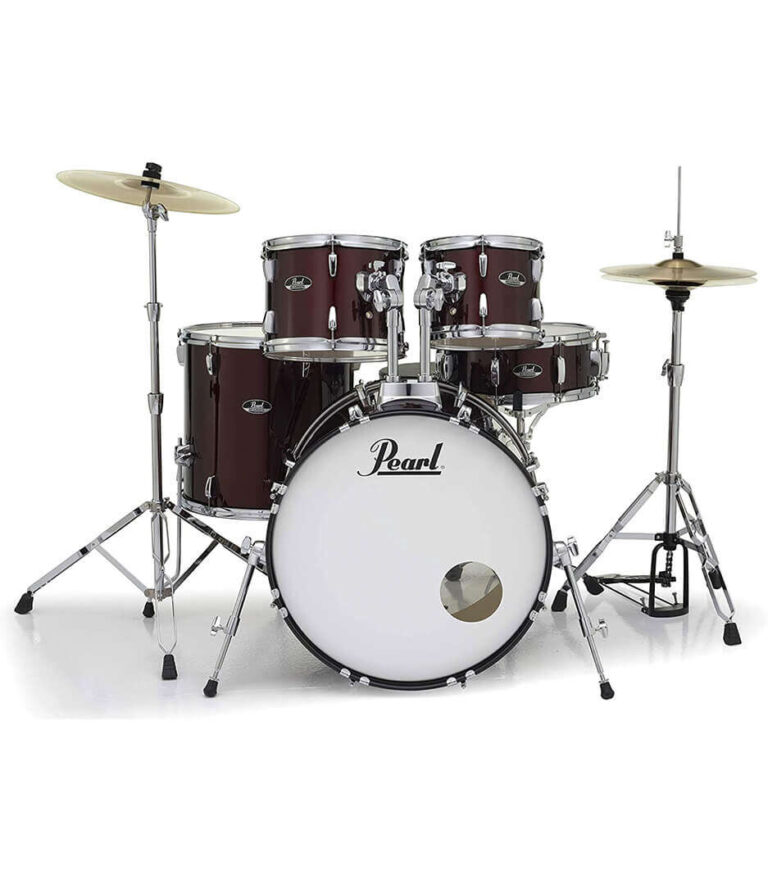
Begin with a one-bar or two-bar drum loop. Use a kick, snare, hi-hat, and one breakbeat sample. Place the snare clearly on beats two and four. In a 16-step grid, this often means placing snares on steps five and thirteen.
A simple starting pattern may look like this:
• Kick on step one and a syncopated position before the snare
• Snare on beats two and four
• Closed hi-hats on eighth notes or sixteenth notes
• Extra ghost hits at a lower volume
• A breakbeat loop layered quietly under the main drums
Do not make every hit the same volume. Small changes in velocity create movement. Lower ghost snares and hats can make the groove feel human, even when the track is heavily quantized.
Layering is useful, but too many samples can weaken the beat. Use one sample for body, one for character, and one for texture. Tune your kick and snare when needed. A snare that clashes with the bass or main key can make the whole mix feel unstable.
When learning how to create drum and bass, spend time on the drum loop before adding many instruments. A weak groove cannot be saved by a large arrangement.

Use Breakbeats Without Losing Clarity
Breakbeats are a major part of drum and bass history. Classic funk and soul breaks helped shape the genre, while modern producers often combine chopped breaks with clean one-shot drums.
You can use a break in three main ways:
- Place the full break quietly under programmed drums.
- Slice the break into small hits and rearrange them.
- Use only selected textures, such as ghost snares or shuffled hats.
First, align the break to the project grid. Then check its timing by ear. Strict quantization can remove life, while too much timing drift can make the groove messy.
High-pass the break if it competes with the kick and bass. A gentle EQ cut below the useful midrange can create space. You may also compress the break lightly or use transient shaping to control sharp hits.
Always use samples legally. Royalty-free packs, licensed libraries, and your own recordings are safer choices than unknown uploads. Clearance problems can delay a release or prevent commercial use.

Design a Powerful Drum and Bass Bassline
The bassline is often the emotional and physical center of a DnB track. It must sound deep, but deep does not mean uncontrolled. The best bass parts feel large because their timing, tone, and frequency range work together.
Start with a simple sub bass. A sine wave or triangle wave can work well. Play notes one or two octaves below the main musical range, but check that the notes translate on smaller speakers.
Then add a mid bass layer if the track needs more character. This layer can use:
• Distortion for harmonics
• Frequency modulation for metallic movement
• Filters for changing tone
• LFOs for rhythm
• Pitch envelopes for attack
• Reverb or delay used with care
Keep the sub layer simple and clean. Put movement in the mid bass instead of forcing the lowest octave to carry every effect.
A useful bassline often leaves gaps for the kick. You can use sidechain compression, volume automation, or manual note edits. Short gaps may create more power than a constant wall of sound.
For example, let the bass hit after the kick rather than at the exact same moment. This creates a call-and-response effect. The kick gives the first punch, and the bass fills the space behind it.
Many producers make the sub too loud while mixing on headphones. Check it with a spectrum analyzer, but trust your ears and reference tracks too. There is no single perfect bass level for every song.

Write Chords, Melodies, and Hooks
A drum and bass track does not need complex music theory. A strong two-note bass phrase or a short vocal line can carry the entire drop.
Start by choosing a key. Minor keys often suit dark, emotional, and dramatic tracks. Major keys can work well for bright liquid DnB. Play a simple chord progression, then remove notes that do not support the groove.
Try these musical ideas:
• Use a short piano or electric piano chord loop
• Create a vocal phrase with space between words
• Write a two- or four-bar synth motif
• Add a pad during the breakdown
• Use a high lead only during the drop
• Repeat the hook with small changes
Repetition helps listeners remember a track. Variation keeps it alive. Change the final note, remove the kick for one beat, or bring in a new counter melody during the second drop.
Avoid filling every gap. Silence is part of the arrangement. If the drums, bass, chords, vocals, and effects all play at once, the song loses focus.
When learning how to create drum and bass, ask one simple question: what should the listener remember after the drop? Make that element clear.

Arrange the Track for Energy and Impact
A strong arrangement guides the listener from one moment to the next. Many DnB tracks last between three and six minutes, but the ideal length depends on the purpose of the track.
A practical arrangement could follow this structure:
- Intro: drums, atmosphere, or a filtered musical idea
- Build: add tension with percussion, risers, and automation
- First drop: introduce the main drums, bass, and hook
- Breakdown: reduce energy and develop the musical idea
- Second build: add variation and greater tension
- Second drop: return with a new bass sound or drum change
- Outro: remove layers for mixing or a final resolution
DJ-friendly intros and outros often use drums without too much melody. This gives another DJ room to blend tracks.
Automation creates movement. Automate filter cutoff, reverb sends, volume, and drum density. A drop feels powerful because the section before it creates expectation.
One lesson many producers learn late is that the second drop should not be an exact copy of the first. Add a new fill, change the bass rhythm, introduce a vocal chop, or remove one element for contrast.

Mix the Drums and Bass Correctly
Mixing drum and bass requires careful low-end control. The kick and sub bass should feel like partners, not competitors.
Start with gain staging. Pull down every channel and create headroom before adding heavy processing. A master peak below 0 dBFS is essential during production, but you do not need to chase a specific peak number while writing.
Use EQ with a clear purpose:
• Remove low rumble from sounds that do not need it
• Cut harsh frequencies from aggressive hats
• Reduce muddy low mids in pads and synths
• Shape the kick so its main body is easy to hear
• Keep the sub bass focused in the lowest useful range
Compression can control dynamics, but it should not remove all movement. Use a fast attack to reduce sharp transients or a slower attack to preserve punch. Always compare the processed sound with the bypassed signal.
Sidechain compression is common in DnB. Set the kick to trigger a small reduction in the bass. Start with a modest amount and adjust the release so the bass returns in time with the groove.
Stereo width needs care. Keep the sub bass close to mono, especially below the low-mid range. Wider pads, effects, and percussion can create space around the center.
Loudness standards vary by platform and release goal. Streaming services may normalize playback, so excessive limiting does not always make a track sound louder. Leave enough headroom for mastering and compare your mix at a sensible listening level.