You can buy a drum set from local music stores, major online retailers, used gear sites, or trusted private sellers.
Finding where can I buy a drum set is easier when you know what to look for first. The best choice depends on your budget, playing level, space, and need for expert help. This guide compares the most reliable places to shop, explains what each option offers, and shares practical tips to help you avoid an expensive mistake.
The Best Places to Buy a Drum Set
There is no single best store for every drummer. A beginner may need help choosing the right size, while an experienced player may want a specific shell material, cymbal set, or electronic module.
When deciding where can I buy a drum set, consider these main options:


- Local music stores
- Large online music retailers
- Used gear marketplaces
- Drum specialty shops
- Manufacturer websites
- General online marketplaces
- Pawn shops and estate sales
Each option has strengths and limits. A local store lets you inspect and test a kit. An online retailer may offer more models and better price comparisons. A used marketplace can save money, but it requires more care.
For most beginners, a local music store or a trusted online music retailer offers the safest balance of selection, support, and buyer protection.

Buy a Drum Set From a Local Music Store
A local music store is often the best place to start if you are buying your first drum kit. You can see the real size of the set, ask questions, and sometimes play it before paying.
A good store may also help you choose:
- Drum shell sizes
- Cymbal types
- Hardware quality
- Drum throne height
- Bass drum pedal design
- Electronic drum features
- Replacement heads and sticks
This support matters because drum sets can look similar online while feeling very different in person. A low-cost kit may include thin cymbals, weak stands, and a poor pedal. A slightly more expensive kit may last much longer.
When people ask where can I buy a drum set, I often suggest visiting at least one local shop before ordering online. Even if you later buy elsewhere, testing a few kits helps you understand sound, size, and comfort.
Call before visiting. Some smaller stores do not keep complete drum sets assembled on the floor. Ask whether they have acoustic and electronic kits available to test.

Shop Online for a Drum Set
Online music retailers are useful when you want a large selection. Many stores show detailed specifications, customer reviews, setup videos, warranty information, and package contents.
Popular online options in the United States include:


- Sweetwater
- Guitar Center
- Musician’s Friend
- Zzounds
- Drum specialty retailers
- Reverb for new and used equipment
These retailers often sell beginner drum packages, intermediate kits, professional shell packs, electronic drum kits, and individual parts. Some also offer payment plans, free shipping, or extended return periods.
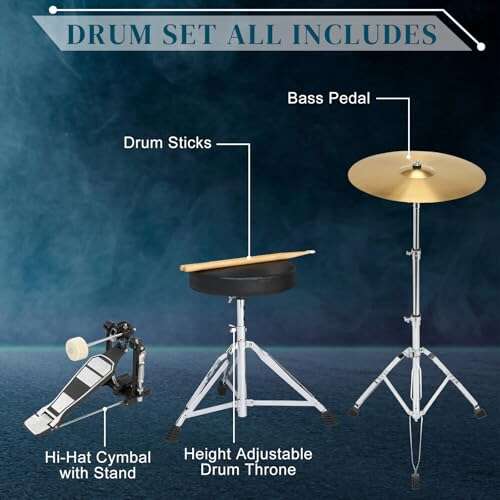
Before ordering, check what the package includes. A “complete drum set” may not include a throne, cymbals, or a bass drum pedal. Other packages include everything needed to play, but the included cymbals may be basic.
If you are deciding where can I buy a drum set online, review these details:
- Exact drum sizes
- Number of cymbals
- Cymbal stand count
- Bass drum pedal inclusion
- Drum throne inclusion
- Warranty terms
- Return shipping rules
- Assembly requirements
- Shipping damage procedures
Read recent reviews with care. A review about shipping may not tell you much about the drum’s sound. Look for comments about tuning, hardware strength, customer support, and long-term use.

Buy a Drum Set From a Drum Specialty Shop
Drum specialty shops focus mainly on percussion gear. They may offer deeper knowledge than a general music store, especially if you want professional or unusual equipment.
A specialty shop can help with:
- Acoustic drum shell selection
- Cymbal matching
- Snare drum tuning
- Electronic drum triggers
- Mesh heads and rubber pads
- Vintage drum restoration
- Replacement hardware
- Custom configurations
These stores are especially helpful for intermediate and advanced players. You can often compare different cymbal weights and hear how wood, metal, and synthetic shells change the sound.
The main limitation is availability. A specialty shop may have excellent gear but fewer beginner packages. Prices may also be higher because the staff offers setup, advice, repairs, and personal service.
If you are unsure where can I buy a drum set for serious playing, a respected drum shop is worth visiting. Good advice can save more money than a small online discount.
Buy a Used Drum Set
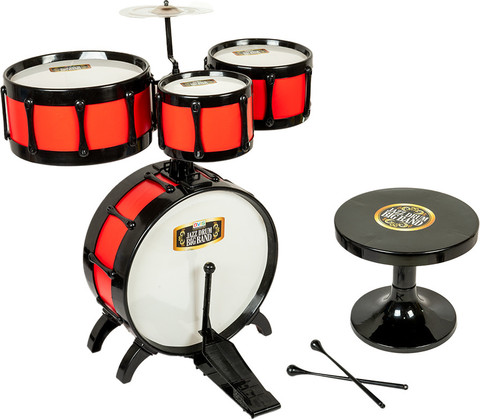
Used drums can offer excellent value. Many beginner and intermediate kits lose value after the first owner opens the boxes, even though the drums still work well.
You may find used drum sets through:
- Reverb
- Facebook Marketplace
- Craigslist
- Local music stores
- Pawn shops
- School music programs
- Community bulletin boards
- Estate sales
A used kit may include upgraded cymbals, a better throne, or stronger hardware at the price of a basic new kit. This makes used gear appealing for adults, students, and families working with a limited budget.
However, buying used requires inspection. Check every drum and stand before you agree to the price.


Look for:
- Cracks near the bearing edges
- Warped hoops
- Missing tension rods
- Rust on hardware
- Bent cymbal stands
- Damaged bass drum spurs
- Broken snare wires
- Deep dents in cymbals
- Peeling wraps or swollen wood
- Missing electronic cables
Small scratches are usually cosmetic. Cracks, severe rust, and warped shells can become costly problems.
One lesson many new drummers learn the hard way is that a cheap used kit is not always a good deal. A complete kit with poor cymbals and missing hardware may cost more to repair than a clean, modest new kit.

Buy a Drum Set From a Private Seller
Private sellers can offer lower prices than stores. You may also find local deals that include extra sticks, cases, stands, practice pads, and lessons.
When meeting a private seller, choose a safe public location when possible. For a large acoustic kit, a music store, rehearsal space, or another appropriate place may be better than a parking lot.
Ask the seller:
- How old is the kit?
- Why are you selling it?
- Has it been stored in a dry room?
- Are all drums and stands included?
- Have any shells or hardware been repaired?
- Can I inspect or test the kit?
- Are the cymbals included in the listed price?
Avoid sending money before seeing expensive gear. Be careful with sellers who rush you, refuse a test, or use stock photos instead of real images.
If you are searching where can I buy a drum set through a private seller, patience is one of your best tools. New listings appear often, and the first deal you see may not be the best one.

Should You Buy a New or Used Drum Set?
The right answer depends on your budget, confidence, and goals. New drums provide clearer warranties and fewer hidden problems. Used drums can provide more equipment for less money.
A new drum set may be better when:
- You are a complete beginner
- You need store support
- You want a warranty
- You do not know how to inspect used gear
- You want modern electronic features
- You need easy returns
A used drum set may be better when:
- Your budget is limited
- You can test the kit first
- You understand basic drum parts
- You want better cymbals for your money
- You are comfortable replacing drumheads
- You found a respected brand in good condition
For a first acoustic kit, buying a reliable used shell pack and adding cymbals later can be a smart plan. For an electronic kit, buying new may reduce the risk of worn triggers, damaged cables, and outdated modules.
When comparing where can I buy a drum set, do not compare only the sticker price. Include shipping, tax, replacement heads, cymbals, a throne, and a pedal.


How Much Does a Drum Set Cost?
Drum set prices vary widely. A simple beginner acoustic kit may cost about $300 to $800. Better intermediate kits often range from $800 to $2,000, while professional setups can cost several thousand dollars.
Electronic drum sets have a similar range:
- Basic electronic kits: about $300 to $700
- Midrange electronic kits: about $700 to $1,800
- Advanced electronic kits: $1,800 and higher
These are broad estimates. Sales, brand, included hardware, and regional pricing can change the final cost.
Remember the hidden costs. You may also need:
- Drum throne: $50 to $300
- Bass drum pedal: $50 to $500
- Cymbals: $150 to $2,000 or more
- Headphones for electronic drums: $30 to $200
- Drumsticks: $10 to $30
- Practice pad: $20 to $100
- Drum rug: $30 to $150
- Acoustic drum mutes: $30 to $150
A low price is not useful if the kit cannot stay in tune or the hardware breaks quickly. In many cases, buying a smaller kit from a reliable brand is wiser than buying a large kit with weak parts.
How to Choose the Right Drum Set
Before searching where can I buy a drum set, decide what type of kit suits your life.
Acoustic Drum Sets
Acoustic drums produce a natural, powerful sound. They are ideal for bands, live performance, recording, and players who want a traditional experience.
They also create more noise. If you live in an apartment, share walls, or practice late at night, sound control may be a serious concern.
Electronic Drum Sets
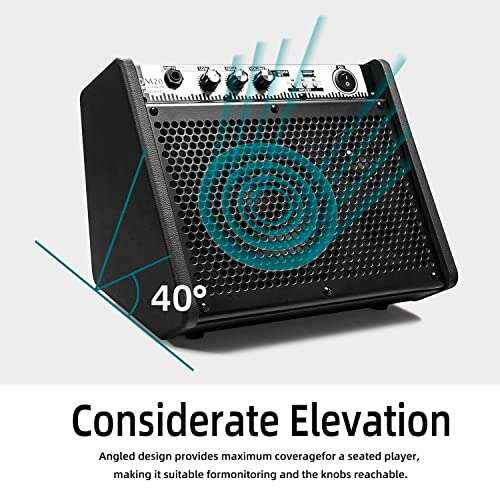
Electronic drums use pads, sensors, and a sound module. You can play with headphones, control volume, use built-in sounds, and connect to music software.
They are often better for quiet practice. Still, electronic kits need power, cables, and a stable setup. Cheap models may also have small pads or limited playing response.
Junior Drum Sets
Junior kits use smaller drums for children. They can make the instrument easier to reach, but not every small kit offers good quality.
For a child who is serious about learning, choose a stable kit with adjustable hardware. A poor kit can make tuning and playing harder than necessary.
Shell Pack Versus Complete Kit
A shell pack usually includes the main drums but not cymbals or all hardware. A complete kit usually includes more parts and may be ready to play.
Always read the package list. Product photos can show cymbals and stands that are sold separately.


What Brands Make Reliable Drum Sets?
Several brands have strong reputations across beginner, intermediate, and professional ranges. Examples include Yamaha, Pearl, Tama, Gretsch, Ludwig, Mapex, Sonor, Roland, and Alesis.
Brand reputation helps, but it should not be your only guide. A respected company may sell both entry-level and professional products. Compare the exact model, included hardware, warranty, and user reviews.
For acoustic drums, inspect the shell, bearing edges, lugs, hoops, and finish. For electronic drums, pay attention to pad size, trigger response, module sounds, USB or MIDI support, and replacement part availability.
Independent testing and long-term owner feedback are more useful than marketing claims alone. Drum teachers and working players can also provide practical advice because they have handled many kits in real settings.
Mistakes to Avoid When Buying a Drum Set
Many first-time buyers focus on the number of drums. More drums do not always mean better value.
Avoid these common mistakes:
- Buying without checking whether cymbals are included
- Choosing a kit that is too loud for your home
- Ignoring the quality of the bass drum pedal
- Buying damaged used cymbals
- Forgetting the cost of a drum throne
- Selecting a kit without replacement parts
- Trusting product photos without reading specifications
- Buying a very cheap kit with unstable hardware
- Skipping a return policy
- Paying before inspecting private-sale equipment
Another mistake is buying for an imagined future instead of your current needs. If you are learning basic rock, pop, or worship rhythms, a simple five-piece kit may be enough. You can upgrade cymbals and pedals later.
A practical approach is to spend more on the parts you touch most: the throne, bass drum pedal, snare, and cymbals. Comfort and control help you practice longer.
How to Inspect a Used Acoustic Drum Set
Take a small flashlight and a drum key when inspecting used drums. You do not need to be an expert, but a careful check can reveal major issues.
Use this process:
- Look over every shell for cracks, swelling, and major dents.
- Spin each tension rod to make sure it moves smoothly.
- Check that hoops sit evenly around the drum.
- Inspect the bearing edge for chips or flat spots.
- Test every stand and tighten its adjustment points.
- Tap each cymbal lightly and listen for cracks or unusual buzzing.
- Test the bass drum pedal for smooth movement.
- Make sure the snare strainer works correctly.
- Confirm that all listed parts are present.
- Ask to hear the drums if the seller has them assembled.
A drum that needs new heads is not automatically a bad purchase. Drumheads are normal wear items. A cracked cymbal, damaged shell, or broken hardware joint is more serious.
How to Buy a Drum Set Online Safely
Online shopping is convenient, but the details matter. Use retailers with clear contact information, written return policies, secure payment options, and strong customer service.
Before checkout, confirm:
- The seller’s physical address or support information
- The full package contents
- Shipping insurance
- Damage claims procedure
- Return time limit
- Restocking fees
- Manufacturer warranty
- Estimated delivery date
Take photos as soon as the package arrives. If a shell or cymbal is damaged, keep the box and packing materials until the seller explains the next step.
For marketplace purchases, check the seller’s history and recent reviews. Pay through the platform’s protected payment system rather than using an unprotected transfer.


The safest answer to where can I buy a drum set online is usually a retailer with a clear return process and dependable support, not simply the seller with the lowest price.
Frequently Asked Questions About Where Can I Buy a Drum Set
Where can I buy a drum set for a beginner?
A local music store or trusted online music retailer is usually best for beginners. These sellers often offer complete packages, warranties, setup advice, and return support.
Is it cheaper to buy a drum set online?
Online stores often have more discounts and a wider selection, but shipping and missing accessories can raise the total cost. Compare the complete package price rather than the advertised base price.
Should I buy a drum set from Amazon or Walmart?
These marketplaces may offer low-cost beginner kits, but product quality and after-sales support can vary. Check the exact seller, warranty, reviews, package contents, and return rules before buying.
Is buying a used drum set a good idea?
Yes, a used kit can be a strong value when the shells, hardware, and cymbals are in good condition. Inspect it in person when possible and budget for replacement heads or missing parts.
What is the best drum set for an apartment?
An electronic drum set is usually more practical because you can use headphones and control the volume. You may still need a thick mat to reduce foot and pedal noise.
How much should I spend on my first drum set?
Many beginners can find a usable acoustic or electronic kit for about $400 to $800, excluding possible upgrades. Spend enough for stable hardware, a playable snare, and a comfortable throne.
Do drum sets come with cymbals and a throne?
Some complete kits include cymbals, a throne, and a bass drum pedal, while shell packs often do not. Read the package list carefully before placing your order.
Conclusion
The best answer to where can I buy a drum set depends on your playing goals, home space, budget, and comfort with inspecting gear. Local music stores offer personal guidance, online retailers provide broad selection, and used marketplaces can deliver excellent value when you check the equipment carefully.
Start by choosing between acoustic and electronic drums. Then compare the full package, including cymbals, hardware, throne, pedal, warranty, and shipping. Take your time, test kits when possible, and choose a dependable set that makes you want to practice.
Explore local stores and trusted online retailers, compare complete prices, and share your drum-buying experience with other players.

Senior Music Reviewer
Alex Carter is a seasoned music reviewer with over a decade of experience in the world of sound and instruments. Passionate about helping musicians and enthusiasts make informed choices, he brings sharp insights and in-depth knowledge to every review. From classical instruments to modern gear, Alex combines technical expertise with a love for music to deliver content that resonates with readers.
As a Senior Music Reviewer and expert author on Tuneluma.com, Alex is dedicated to sharing honest evaluations, practical advice, and thoughtful commentary to guide readers in their musical journey.