What Is A Telecaster Guitar: Complete Beginner’s Guide
A Telecaster guitar is a solid-body electric guitar known for bright tone, simple controls, and strong build quality.
If you have wondered what is a Telecaster guitar, you are looking at one of the most important electric guitars ever made. Its sharp attack, clear sound, and practical design have shaped country, rock, blues, punk, indie, and many other styles. This guide explains its history, parts, tone, strengths, limits, and how to choose the right model.

What Is a Telecaster Guitar?
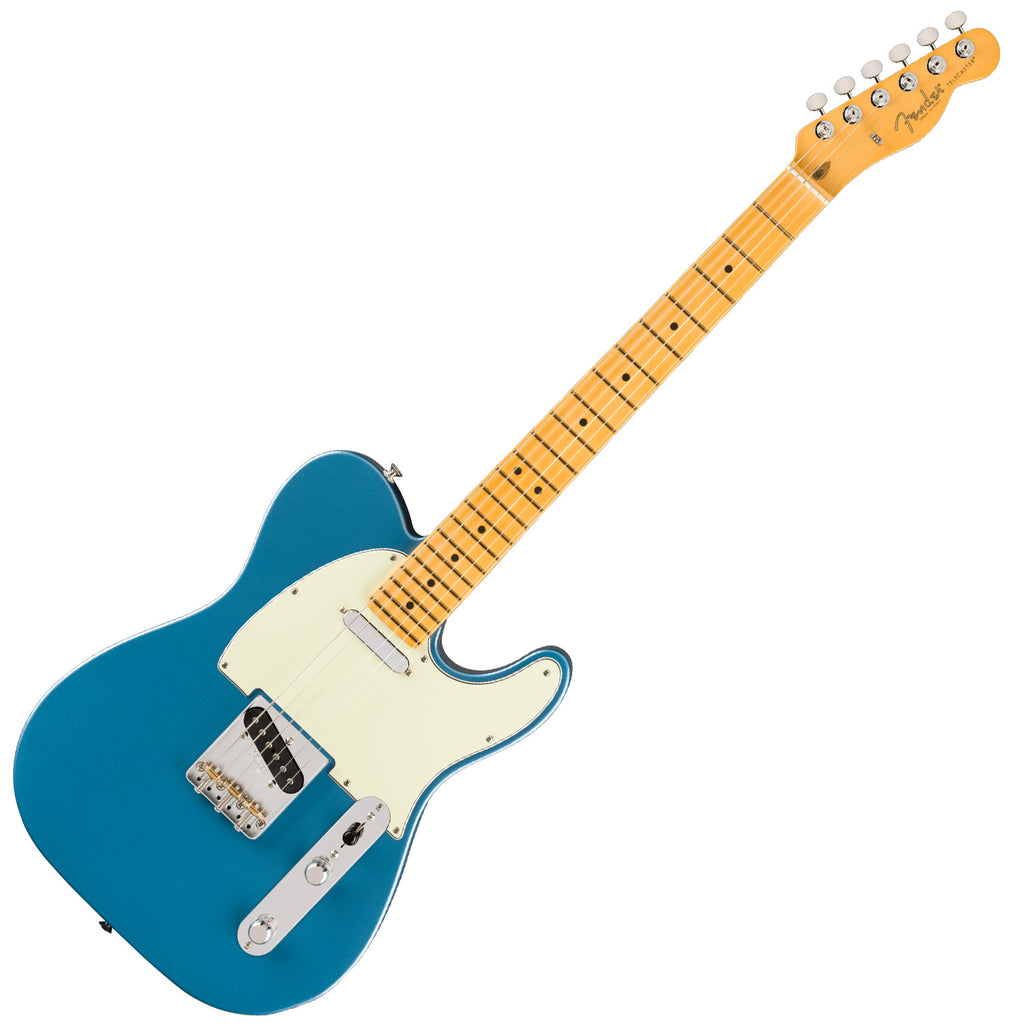
A Telecaster guitar is a solid-body electric guitar made famous by Fender. It usually has two single-coil pickups, a bolt-on maple neck, a flat body, and a distinctive bridge with metal saddles.
The Telecaster was first introduced in the early 1950s. It began as the Broadcaster, but Fender changed the name after a trademark conflict. The new name, Telecaster, soon became linked with a clear, cutting sound and a simple, durable design.
When asking what is a Telecaster guitar, it helps to think of it as a working musician’s tool. It does not rely on a complex shape or many controls. Instead, it gives players a direct connection to the strings, pickups, amplifier, and their own playing style.
The guitar has stayed popular because its design works. It is easy to repair, easy to modify, and suitable for beginners and professionals alike.

The History of the Telecaster
The Telecaster grew from Leo Fender’s early work on practical electric instruments. Before its arrival, many electric guitars had carved tops, hollow bodies, and ornate designs. Fender took a different path by creating a flat, solid guitar that was easier to build and maintain.
Early Fender models used a simple ash body and a maple neck. These materials helped create a bright response and also kept production efficient. The guitar was designed for musicians who needed a reliable instrument that could perform night after night.
The Telecaster became especially popular with country players. Its bridge pickup produced the crisp twang heard in chicken-picking, honky-tonk, and Bakersfield country. Later, rock, blues, punk, alternative, and metal players showed that the same guitar could sound aggressive, warm, or atmospheric.
Important historical features include:
- The solid body, which helped reduce feedback compared with many hollow guitars.
- The bolt-on neck, which made repair and replacement easier.
- The two-pickup layout, which offered useful tonal contrast.
- The metal bridge, which added strong attack and stable string placement.
- The simple control system, which made live adjustments fast.
The answer to what is a Telecaster guitar is also a story about innovation. The instrument changed the direction of electric guitar design and influenced many later models.

Main Parts of a Telecaster Guitar
Understanding the parts of a Telecaster makes its sound and feel easier to understand. Each part has a practical role.
Solid Body
The body is usually made from ash or alder, although many modern models use other woods. Ash can sound open and lively, while alder often gives a balanced response. Wood is only one part of the sound, so the pickups, bridge, strings, amplifier, and player also matter.
The body shape has a comfortable waist and a single cutaway. This allows access to the higher frets while keeping the design simple.
Bolt-On Neck
A Telecaster normally has a maple neck attached with four screws. Some models use a separate fingerboard, such as rosewood or maple.
A bolt-on neck can make service easier. If the neck becomes damaged or a player wants a different shape, a qualified technician can replace it without rebuilding the entire guitar.
Single-Coil Pickups
Most traditional Telecasters use two single-coil pickups:
- The bridge pickup creates a bright, sharp, twangy sound.
- The neck pickup produces a rounder, smoother, and warmer tone.
- The middle position combines both pickups for a balanced sound.
Single-coil pickups are clear and responsive, but they can produce a low electrical hum under some lighting or with certain power systems. This is normal for many traditional single-coil designs.
Bridge
The classic Telecaster bridge has metal saddles and a metal plate. Older designs often use three saddles, with two strings sharing each saddle. Modern versions may use six separate saddles for easier intonation adjustment.
The bridge contributes to the guitar’s attack and helps create its familiar snap. It also supports several playing styles, including palm muting, string bending, and slide guitar.
Controls
A standard Telecaster has:
- One master volume control.
- One tone control.
- One three-way pickup selector.
This layout is simple but powerful. The volume knob can clean up an overdriven amplifier, while the tone knob can soften the bridge pickup or add bite to the neck pickup.

What Does a Telecaster Guitar Sound Like?
A Telecaster guitar often sounds bright, clear, punchy, and direct. Its bridge pickup can deliver a sharp attack that works well for rhythm parts, country leads, funk patterns, and rock riffs.
The neck pickup is usually smoother. It can suit blues lines, jazz-influenced chords, mellow pop parts, and clean lead work. The combined pickup position offers a balanced sound with both clarity and body.
The final tone depends on more than the guitar. These factors also matter:
- The amplifier and its settings.
- The type and age of the strings.
- The player’s pick attack.
- The pickup height.
- The guitar’s setup.
- Effects such as compression, overdrive, delay, and reverb.
- The recording room or performance space.
A common mistake is to judge what is a Telecaster guitar from a short online recording. Microphones, speakers, and mixing can change the sound greatly. It is better to play the guitar through a familiar amplifier when possible.
In practical use, a Telecaster can cover many sounds:
- Bright country twang.
- Clean blues.
- Crunchy classic rock.
- Tight punk rhythm.
- Sparkly indie parts.
- Warm neck-pickup chords.
- Heavy sounds with the right amplifier and pickups.

Why Is the Telecaster So Popular?
The Telecaster remains popular because it combines a strong voice with a simple design. It does not force the player into one genre.
Many players also value its reliability. A well-maintained Telecaster can handle travel, rehearsals, recording sessions, and frequent stage use. Its parts are widely available, and most guitar technicians know how to set one up.
Other benefits include:
- Clear note separation, even when playing chords.
- Strong rhythm tone that stays audible in a full band.
- Easy access to replacement parts.
- A wide range of aftermarket pickups and bridges.
- Good compatibility with pedals and tube amplifiers.
- A design that often holds value well.
The guitar also rewards touch. Playing softly can produce a clean, gentle sound. Picking harder can create more bite and volume. That response makes the instrument feel expressive rather than compressed.
When explaining what is a Telecaster guitar to a new player, I often compare it to a reliable pickup truck. It may look plain beside a luxury instrument, but it works, carries a lot, and gets better when you learn how to use it.

What Are the Limitations of a Telecaster Guitar?
A Telecaster is not perfect for every player or every situation. Its bright bridge pickup may sound too sharp with a bright amplifier or fresh steel strings. Some players also find the traditional neck shape less comfortable than modern designs.
Common limitations include:
- Single-coil hum in electrically noisy rooms.
- A sharp bridge tone that may need careful amplifier settings.
- Limited control options compared with guitars with multiple switching systems.
- A slab-style body that some players find less contoured.
- Traditional three-saddle bridges that can make precise intonation more difficult.
- Less natural sustain than some set-neck or heavier guitars, depending on the model.
These limits are not automatic faults. They are part of the instrument’s character. A player who wants a very dark, smooth, hum-free sound may prefer a guitar with humbucker pickups.
A simple solution can often improve the experience. Adjusting pickup height, using a warmer amplifier setting, changing string type, or choosing a noiseless pickup may solve the issue without replacing the guitar.

Telecaster Guitar Versus Stratocaster
The Telecaster and Stratocaster are both Fender guitars, but they feel and sound different.
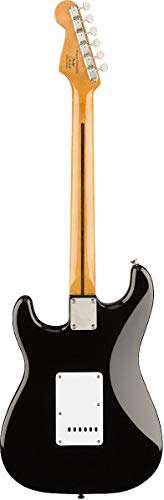
A traditional Telecaster usually has two pickups, a three-way switch, and a fixed bridge. A Stratocaster normally has three pickups, a five-way switch, and a tremolo bridge.
Here is a basic comparison:
| Feature | Telecaster | Stratocaster |
|---|---|---|
| Typical pickups | Two single-coils | Three single-coils |
| Bridge | Fixed bridge | Tremolo bridge |
| Tone | Direct, bright, punchy | Glassy, smooth, and flexible |
| Controls | One volume and one tone | One volume and two tones |
| Common feel | Simple and firm | Contoured and versatile |
| Popular styles | Country, rock, punk, blues | Rock, blues, funk, pop |
The Telecaster often has a stronger fundamental note and sharper attack. The Stratocaster may offer more tonal colors, especially in its two and four pickup positions.
Neither guitar is better for everyone. If you want a firm bridge feel and strong rhythm sound, the Telecaster may suit you. If you want tremolo effects and a wider range of pickup combinations, a Stratocaster may be a better choice.
Telecaster Guitar Versus Les Paul
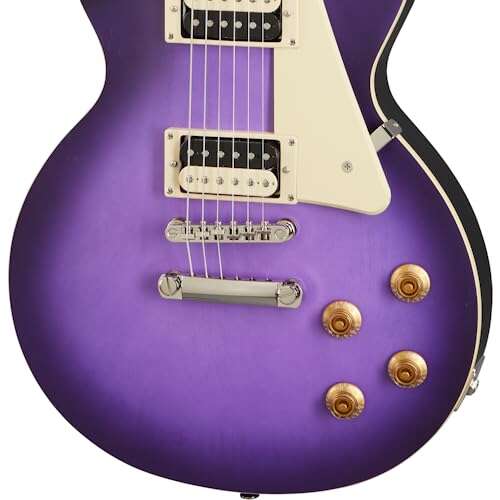
A Telecaster and a Les Paul represent two different approaches to electric guitar design. A Les Paul commonly uses a thicker body, a set neck, and humbucker pickups. A Telecaster usually uses a lighter body, a bolt-on neck, and single-coil pickups.
A Les Paul often produces a thicker, warmer, and more compressed sound. A Telecaster usually offers more snap, separation, and high-end detail.
Choose a Telecaster when you want:
- Bright clean tones.
- Strong chord definition.
- A lighter and simpler design.
- Easy maintenance.
- Clear response with lower-gain effects.
Choose a Les Paul when you want:
- Thick overdrive.
- Long sustain.
- A fuller midrange.
- Reduced single-coil hum.
- A heavier rock or metal voice.
Of course, modern pickup designs blur these lines. Telecaster models with humbuckers can sound thick, while Les Paul models with lower-output pickups can sound clear. The specific model matters as much as the brand name.
Is a Telecaster Good for Beginners?
Yes, a Telecaster can be an excellent beginner guitar. Its controls are easy to understand, and its fixed bridge makes string changes simpler than on many tremolo-equipped guitars.
A beginner should focus on setup quality. A poorly adjusted guitar can have high action, sharp fret ends, tuning problems, or uncomfortable intonation. Those problems can make learning feel harder than it needs to be.
Before buying, check these points:
- The neck feels comfortable in your hand.
- The strings are not unusually high above the fretboard.
- The frets do not feel sharp at the edges.
- The tuning machines turn smoothly.
- The pickup selector and controls work without loud crackling.
- The guitar stays in tune during normal playing.
One lesson I have learned from testing many entry-level instruments is that setup often matters more than price. A modest Telecaster with a good setup can feel better than an expensive guitar that has not been adjusted.