How Do I Tune My Guitar: Easy Step-By-Step Guide
To tune your guitar, match each string to the correct pitch with a clip-on, phone, or pedal tuner.
Learning how do i tune my guitar is one of the first skills every guitarist should build. A well-tuned guitar makes chords sound clear, helps your practice stay productive, and makes playing with others much easier. After years of tuning guitars before lessons, rehearsals, and recording sessions, I have learned that the best method is simple: use a reliable tuner, turn the peg slowly, and always check your strings twice.

What does standard guitar tuning mean?
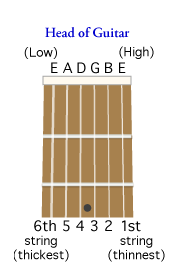
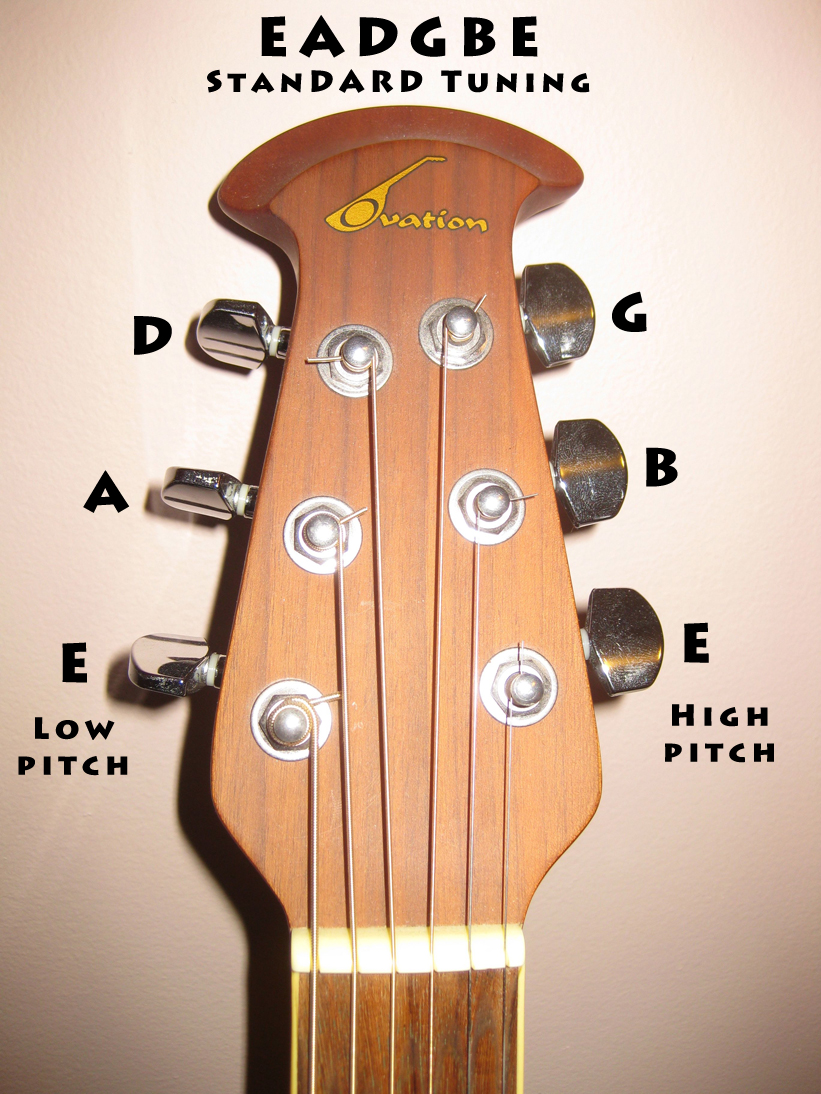
Most guitars use standard tuning. From the thickest string to the thinnest string, the notes are:
| String | Position | Note | Common name |
|---|---|---|---|
| 6th | Thickest | E | Low E |
| 5th | A | A string | |
| 4th | D | D string | |
| 3rd | G | G string | |
| 2nd | B | B string | |
| 1st | Thinnest | E | High E |
The tuning pattern is written as E A D G B E. The two E strings are two octaves apart, so they have the same letter name but different pitches.
When people ask, “How do I tune my guitar?” they usually mean how to tune it to standard tuning. This setup works for most beginner lessons, popular songs, rock, blues, country, folk, and many other styles.
The thickest string has the lowest sound. The thinnest string has the highest sound. Think of the strings as steps on a musical ladder. Each string must reach the right step.
What you need to tune a guitar
You do not need expensive gear to tune a guitar. A few simple tools can make the process quick and accurate.
• Clip-on tuner: This attaches to the headstock and senses the guitar’s vibration. It works well in loud rooms.
• Phone tuning app: A smartphone app uses the microphone to hear the note. It works best in a quiet space.
• Pedal tuner: This is useful for electric guitar players who tune during rehearsals or performances.
• Reference pitch: A piano, tuning fork, or another tuned instrument can provide a starting note. This method takes more practice.
• Guitar pick: A pick gives each string a clear, steady sound.
For most new players, I suggest a clip-on chromatic tuner. It is affordable, easy to read, and less affected by room noise than many phone apps.
A chromatic tuner detects every note, not only the six notes used in standard tuning. This matters because you may later use drop D, open G, half-step-down tuning, or other setups.

How do I tune my guitar with a clip-on tuner?
A clip-on tuner is one of the easiest ways to learn how do i tune my guitar. Follow these steps in order.
-
Attach the tuner to the headstock. Place it where you can see the display clearly.
-
Turn the tuner on and select chromatic mode if it has more than one mode.
-
Start with the thickest string, the low E string.
-
Pluck the string once. Let the note ring without touching it.
-
Watch the tuner. It will show the note it hears and whether the pitch is too low, too high, or correct.
-
Turn the tuning peg in tiny movements. Stop and pluck the string again after each adjustment.
-
Bring the string to E. Most tuners show a green light, a centered needle, or a similar signal when the note is in tune.
-
Tune the remaining strings in this order: A, D, G, B, and high E.
-
Play each string again. Then repeat the full process once more.
The key is to make small turns. Beginners often turn the peg too far, then swing back and forth between sharp and flat. Slow movements give you better control.
If the tuner shows the correct letter but the note is still wrong, check the display carefully. For example, an E can be one octave too high or too low. The tuner may show an octave number, or you can compare the sound to the expected string pitch.
When deciding whether to tune up or down, I usually loosen the string slightly below the target and then tune upward. This helps reduce slack in the tuning gears and can improve stability.
How do I tune my guitar with a phone app?
A phone app can answer how do i tune my guitar when you do not have a physical tuner. The basic process is much like using a clip-on tuner.
-
Open a trusted chromatic tuner app.
-
Allow microphone access if the app requests it.
-
Sit in a quiet room.
-
Hold the phone near the guitar, but not directly against the strings.
-
Pluck one open string at a time.
-
Adjust the tuning peg until the app shows the correct note and pitch.
Background noise can confuse a phone tuner. Turn off fans, televisions, and nearby music. Tune one string at a time, and mute the other strings with your picking hand.
Phone microphones can also hear overtones. These are extra tones that naturally ring above the main note. If the app jumps between notes, pluck closer to the middle of the string and let the sound settle before turning the peg.
A phone app is convenient, but it is not always ideal on a busy stage. For live playing, a clip-on or pedal tuner usually gives a steadier reading.
How do I tune my guitar by ear?
Tuning by ear is useful, but it takes practice. You need one correct reference note, such as the low E from a piano, tuning fork, or another instrument.
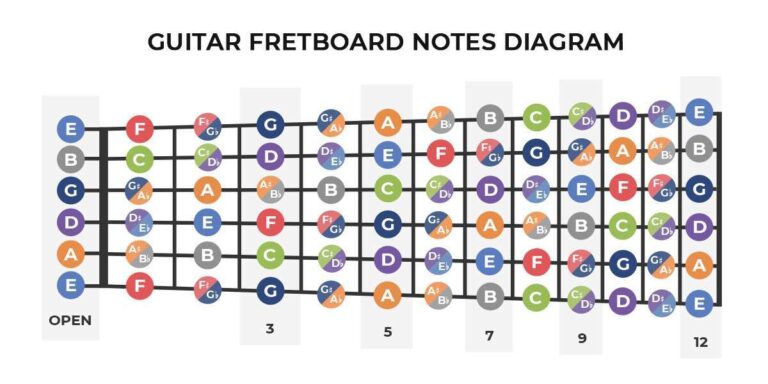
Once the low E is correct, you can tune the other strings by using the fifth-fret method:
• Tune the 5th string by pressing the 6th string at the 5th fret. These sounds should match.
• Tune the 4th string by pressing the 5th string at the 5th fret.
• Tune the 3rd string by pressing the 4th string at the 5th fret.
• Tune the 2nd string by pressing the 3rd string at the 4th fret.
• Tune the 1st string by pressing the 2nd string at the 5th fret.
The 4th-fret change between the G and B strings is important. Many beginners miss it and wonder why the high strings sound wrong.
You can hear two sounds as they approach the same pitch. When they are close but not equal, you may hear a pulsing or wavering effect. The pulses slow down as the notes match. This skill is called listening for beats.
Tuning by ear improves your musical awareness, but electronic tuners are more accurate for beginners. I still use a tuner before recording or performing, then use my ears to check the final result.

How do I tune my guitar without a tuner?
You can tune a guitar without a tuner if you have a reliable reference pitch. The reference could come from a piano, another guitar, a keyboard, or a tuning fork.
Match your low E string to the reference. Then use the fifth-fret method to tune the remaining strings. This method will make the strings sound correct relative to one another, but the whole guitar may still be too high or too low if the first reference note is inaccurate.
You can also use a song or recording with a known tuning. This is less exact because recordings may be slightly faster, slower, or tuned away from standard pitch.
For casual practice, this approach may be enough. For playing with other musicians, use an electronic tuner whenever possible. Even a small pitch difference can make a guitar sound rough when combined with a piano, keyboard, or another guitar.

How do I tune my guitar step by step?
Here is a complete method that works for most acoustic and electric guitars.
-
Find a quiet place.