Best Budget Headphones For Digital Piano: Top Picks
The Yamaha HPH-100WH is my top pick for clear piano tone, low cost, and quiet home practice.
You sit at the piano after a long day, ready to play, but someone nearby is sleeping. A good pair of headphones lets you practice scales, learn songs, and hear small mistakes without filling the room with sound. The best budget headphones for digital piano should feel light, use a wired plug, and deliver a clean tone without harsh bass. I reviewed the listed headphones and keyboard bundles with those needs in mind. A few items are digital pianos rather than headphones, so I explain where they fit and where they do not.
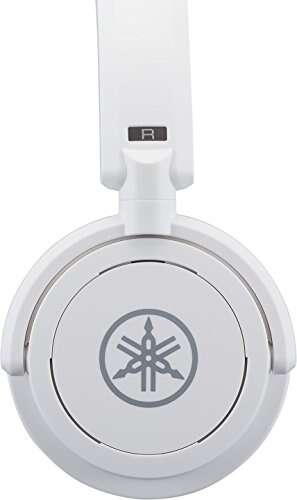
Yamaha HPH-100WH Headphones

The Yamaha HPH-100WH is a simple, sensible choice for digital piano practice. Its closed on-ear design helps keep your playing private while giving the notes a focused sound. I like this style for beginners because it does not add a large, heavy feel to the head. The white finish also matches many Yamaha keyboards and looks neat in a home studio.
These headphones use a wired connection, which is the right choice for most digital pianos. A cable avoids Bluetooth delay, so the note reaches your ears at the right time. The ear cups can swivel, which helps the headphones sit more naturally when you move. Yamaha does not market this model as a studio reference headphone, but it offers a practical balance for lessons, warm-ups, and daily play.
Pros:
- Clear and focused tone for piano practice
- Closed design helps reduce sound leakage
- Light feel suits long beginner sessions
- Swiveling ear cups improve fit and storage
- Wired design avoids wireless audio delay
- Yamaha styling pairs well with many keyboards
Cons:
- On-ear pads may feel less sealed than over-ear pads
- White plastic can show marks over time
- Cable length may not suit every piano setup
My Recommendation
I recommend the Yamaha HPH-100WH for students, casual players, and families who need reliable private practice at a sensible price. It is especially useful when you want a familiar keyboard brand and a straightforward wired setup. The sound has enough detail to hear note balance, pedal use, and uneven scales without making the session tiring. In my view, it is the safest all-around choice in this group for shoppers seeking the best budget headphones for digital piano.
| Best for | Why |
|---|---|
| Beginner piano students | Simple fit, clear sound, and easy wired use |
| Quiet home practice | Closed cups help limit sound spill |
| Yamaha keyboard owners | Matching design and familiar brand support |
QccHieUs Premium Piano Headphones

The QccHieUs Premium Wired Headphones are aimed directly at keyboard and digital piano players. That focus matters because piano headphones need a quick response and a balanced presentation. The wired connection makes them a better match for a piano jack than most low-cost Bluetooth headphones. They can also serve as general headphones for a phone, tablet, or computer when you unplug from the instrument.
I would consider this model for a buyer who wants a dedicated piano accessory without paying studio-monitor prices. A closed fit can help keep practice sound inside the cups, though the exact level of isolation depends on the seal around your ears. The main thing to check before ordering is your piano’s headphone jack size and the included plug arrangement. Fit is also personal, so buyers with large ears should pay close attention to the product dimensions.
Pros:
- Designed with digital piano use in mind
- Wired signal keeps timing natural while playing
- Closed style supports private practice
- Useful for keyboards, computers, and other devices
- Good option for shoppers on a tight budget
- Simple plug-in setup requires no battery
Cons:
- Brand has less long-term history than Yamaha
- Fit and pad comfort may vary by user
- Buyers should confirm plug compatibility first
My Recommendation
I suggest the QccHieUs model for new players who want the best budget headphones for digital piano and value direct piano compatibility. It makes sense for dorm rooms, apartments, and shared homes where quiet playing matters. It is also a useful backup pair for teachers or families with more than one keyboard. Choose it when its fit and included connector match your setup, and consider Yamaha instead if you prefer a more established instrument brand.
| Best for | Why |
|---|---|
| Low-cost piano practice | Dedicated wired design keeps the setup simple |
| Shared living spaces | Closed cups help make practice more private |
| Multi-device use | Can work with keyboards and common audio devices |
Pianote H800P Headphones
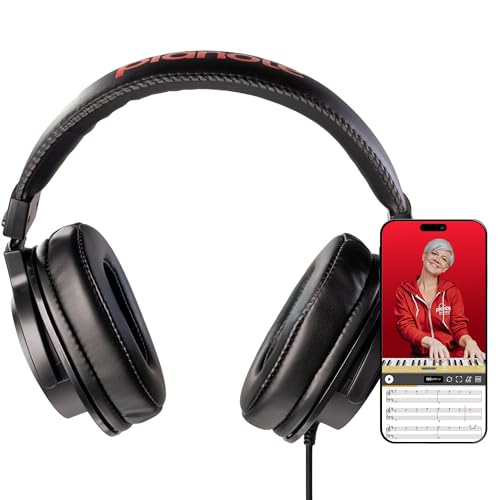
The Pianote H800P Headphones appeal to learners who want a piano-focused accessory from a teaching-oriented brand. For digital piano, I look for three things first: a wired connection, a comfortable fit, and a sound that does not hide the middle range. That midrange carries much of the piano’s character. If the H800P fits your head well, it can make practice feel more direct and less distracting.
This pair may suit students who follow online lessons and switch between a keyboard and a computer. A wired set avoids the small delay that can make Bluetooth headphones feel wrong during live playing. The H800P is still a personal listening product, so I would not assume it replaces professional studio headphones. Before buying, check the cable, jack, ear-pad size, and return terms, since those details often matter more than a long feature list.
Pros:
- Strong match for online piano learners
- Wired playback supports accurate playing response
- Useful for practice, lessons, and music study
- Simple design should be easy for beginners
- Can help block outside distractions during lessons
- Good alternative to generic gaming headphones
Cons:
- Less widely known than major audio brands
- Comfort depends on head size and pad pressure
- Not the best choice for users who need wireless freedom
My Recommendation
The Pianote H800P is best for learners who spend time with guided lessons and want one pair for practice and study. I would pick it for a student who values a piano education brand and plans to use a computer as often as a keyboard. It earns a place among the best budget headphones for digital piano when the sale price stays competitive. If you need the lowest-risk purchase, Yamaha remains the more proven pick.
| Best for | Why |
|---|---|
| Online piano lessons | Its purpose fits guided practice and study |
| Students using a computer | Wired audio works well for lessons and playing |
| Focused practice | Headphone listening reduces room distractions |
Yamaha HPH-150WH Open Headphones

The Yamaha HPH-150WH takes a different approach from the closed HPH-100WH. Its open on-ear design aims for a more natural, less boxed-in listening feel. That can be pleasant when you want the digital piano tone to breathe. It also has a compact look that fits neatly beside a keyboard instead of feeling like large studio gear.
The trade-off is sound leakage. People nearby may hear some of your playing, and outside noise can reach your ears more easily. I like open headphones for a quiet room, a private music corner, or a player who dislikes a sealed feeling. I would not choose them for late-night practice beside a sleeping partner. Their wired design still makes them a strong technical match for most digital pianos.
Pros:
- Open design can sound natural and spacious
- Light, compact shape suits keyboard players
- Wired connection avoids Bluetooth latency
- Yamaha build gives buyers a familiar brand
- Good choice for quiet rooms and relaxed practice
- White finish matches many digital piano setups
Cons:
- Open cups allow more sound to escape
- Outside noise can interrupt quiet passages
- On-ear fit may not suit every listener
My Recommendation
I recommend the HPH-150WH for players who want a more open sound and do not need strong isolation. It works well in a calm room where you can still hear a doorbell, a teacher, or another person. For that user, it may feel more natural than closed headphones. It is one of the best budget headphones for digital piano when comfort and an airy presentation matter more than complete privacy.
| Best for | Why |
|---|---|
| Quiet home rooms | Open cups provide a relaxed listening feel |
| Players who dislike sealed pads | Less closed-in than many closed headphones |
| Compact keyboard setups | Small design stores and travels easily |
TERENCE 88-Key Digital Piano

The TERENCE 88-key digital piano is not a headphone, but it belongs in this list because the keyboard itself can shape your headphone experience. An 88-key layout gives players the full range of a traditional piano. Weighted keys can also make practice feel closer to an acoustic instrument. If you do not own a keyboard yet, this type of package may offer more value than buying headphones alone.
I would check the listing carefully for the exact jack type, included accessories, and current specifications before ordering. A digital piano needs a usable headphone output for private practice, and the right headphones must match that output. Once connected, a wired pair such as the Yamaha HPH-100WH can make the setup much quieter. The keyboard is best viewed as a piano purchase, not as one of the best budget headphones for digital piano.
Pros:
- Full 88-key range supports serious piano study
- Weighted keys can build stronger playing habits
- Useful base for private headphone practice
- May offer better value for a new player
- Suitable for learners who want room to grow
- More piano-like layout than a small keyboard
Cons:
- This is a keyboard, not a headphone product
- Large size needs a stable place to sit
- Buyers must verify output and accessory details
My Recommendation
I recommend the TERENCE piano for a beginner who needs both an instrument and a private-practice plan. Pair it with wired headphones after confirming the jack and included features. It is not suitable for someone who already owns a digital piano and only needs audio gear. For headphone shoppers, treat this item as a possible keyboard bundle rather than a contender for the best budget headphones for digital piano.
| Best for | Why |
|---|---|
| New piano students | Full range leaves room for long-term growth |
| Weighted-key practice | Key resistance can support better technique |
| Complete setup buyers | May pair well with separate wired headphones |
RockJam RJ490 Mini Keyboard

The RockJam RJ490 is another keyboard rather than a pair of headphones. Its compact 49-key format makes it easier to place in a small room or move between locations. The mint green finish gives it a fun look that may appeal to children and casual learners. Built-in speakers can help during group use, while headphones can provide a quieter option if the model includes the required output.
A 49-key keyboard cannot cover the same range as an 88-key piano. That limit may not matter for simple songs, basic chords, or first lessons, but advanced players will notice it. I would confirm the headphone connection before buying a separate set. With a compatible wired pair, this keyboard can support quiet practice, but the product itself should not be confused with the best budget headphones for digital piano.
Pros:
- Compact size suits desks and small rooms
- Fun finish may encourage younger learners
- Built-in speakers support easy casual play
- Portable format is easier to move
- Can work with headphones if the output matches
- Friendly option for basic music exploration
Cons:
- Not a headphone product
- 49 keys offer less range than a full piano
- May feel limited for advanced classical pieces
My Recommendation
I would choose the RockJam RJ490 for a child, beginner, or casual player who values size and style. It makes sense when space is tight and the goal is to learn basic notes and songs. Add wired headphones only after checking the keyboard’s connector. If your main search is for the best budget headphones for digital piano, skip this item and focus on the Yamaha or QccHieUs models above.
| Best for | Why |
|---|---|
| Small rooms | Compact keyboard design saves space |
| Young beginners | Bright color and simple format feel welcoming |
| Casual music play | Speakers make quick practice easy |
Amazon Basics 61-Key Keyboard

The Amazon Basics 61-key portable keyboard is designed for entry-level use. It offers more range than a mini keyboard while staying smaller than an 88-key digital piano. Built-in songs and speakers can help a first-time player start without a complex setup. For quiet work, the key question is whether the keyboard has a compatible headphone jack.
This product may suit families who want a simple learning keyboard before investing in a weighted piano. It is not the right tool for a pianist who needs realistic hammer action or a full concert range. I suggest checking the manual and the current listing for output details before choosing headphones. A wired pair is usually the safer match because it avoids delay during play.
Pros:
- 61 keys provide useful beginner range
- Portable body fits many desks and tables
- Built-in songs can support early lessons
- Speakers allow quick play without extra gear
- Potentially useful with wired practice headphones
- Simple format suits first-time buyers
Cons:
- This is a keyboard, not headphones
- Keys may not provide weighted piano action
- Output details require careful checking
My Recommendation
The Amazon Basics keyboard is best for a beginner who wants a low-cost way to explore piano before moving to a larger instrument. It can become a quiet practice setup when paired with suitable wired headphones. I would not buy it as a substitute for the best budget headphones for digital piano. Instead, see it as an entry keyboard that may need a separate headphone purchase.
| Best for | Why |
|---|---|
| First-time players | Simple features reduce the learning curve |
| Portable practice | 61 keys take less room than a full piano |
| Families on a budget | Offers a low-cost starting point |
Longeye 88-Key Piano Bundle
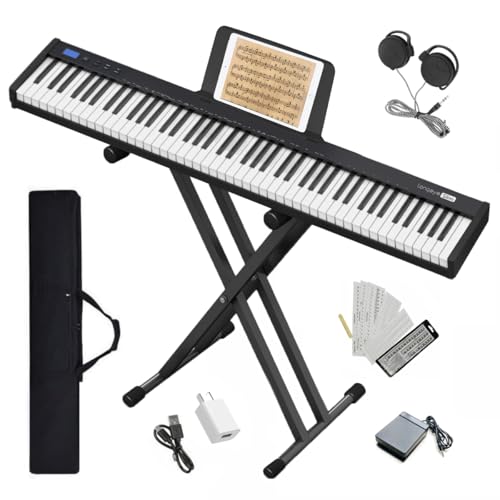
The Longeye 88-key bundle stands out because the package includes a digital piano and headphones. It uses full-size keys and a compact form, which can help a beginner gain the feel of a complete piano without buying every item separately. The included sustain pedal and carrying case add practical value for a new owner. This makes it more of a starter system than a headphone-only product.
Bundled headphones are convenient, but I would keep expectations realistic. They may work well for first lessons, yet a separate pair can offer better comfort or a more controlled tone. The semi-weighted keys can support basic practice, while the compact body helps in apartments and smaller rooms. Check the included headphone style and connector if private practice is a major reason for your purchase.
Pros:
- Full 88-key layout supports a wider song range
- Headphones are included in the package
- Sustain pedal helps build basic piano habits
- Carrying case supports transport and storage
- Compact design may suit small living spaces
- Useful value for a complete beginner setup
Cons:
- Included headphones may not fit everyone
- This is a keyboard bundle, not a headphone review pick
- Semi-weighted action may not match an acoustic piano
My Recommendation
I recommend the Longeye bundle for a beginner who needs an instrument, pedal, case, and headphones in one purchase. It reduces the guesswork that often troubles first-time buyers. If you already own a good piano, the bundle adds items you may not need. For the best budget headphones for digital piano, I would still compare the included headset with a dedicated Yamaha or QccHieUs pair before deciding.
| Best for | Why |
|---|---|
| Complete beginner setups | Several needed accessories come together |
| Small homes | Compact body is easier to place and store |
| Traveling learners | Case and lighter design help with moving |
Best Choice Products 88-Key Piano

The Best Choice Products 88-Key Weighted Full Size Digital Piano is built for shoppers who want a more traditional home setup. Its full key count supports beginner work, chord practice, and a broad range of piano music. The weighted design may feel more substantial than a basic portable keyboard. It also lists a headphone jack, which is important for quiet practice.
This model includes a desk-style design, metal legs, pedals, and MIDI features according to its listing. Those additions make it more suitable for a fixed music corner than for frequent travel. A good wired headphone can let you practice without using the built-in speakers. Still, remember that this product is an instrument, not one of the best budget headphones for digital piano, so budget separately for the headset if needed.
Pros:
- Full 88-key layout feels more piano-like
- Weighted keys support serious beginner practice
- Headphone jack enables private playing
- Built-in pedal setup adds useful control
- Desk-style frame creates a stable home station
- MIDI support may help computer music users
Cons:
- Large frame is less portable
- Separate headphones may still be required
- Not a headphone product despite its useful jack
My Recommendation
I would choose this piano for a buyer who wants a permanent home instrument with private practice support. It is a better fit than a small keyboard for someone studying full pieces and wanting weighted keys. Pair it with a balanced wired headset, such as the Yamaha HPH-100WH, after checking connector needs. It is not itself a choice for the best budget headphones for digital piano, but it can provide an excellent base for them.
| Best for | Why |
|---|---|
| Home piano corners | Desk frame and pedals create a stable setup |
| Full-range learners | 88 keys support a wider music library |
| Computer music users | MIDI features may expand creative options |
How I Choose Budget Piano Headphones
Price alone does not tell me whether headphones suit a digital piano. I first check the connection. A wired set usually works best because Bluetooth can add delay between the key press and the sound. Even a small delay can make a player feel as if the piano is chasing the hands.
I then consider the sound. A piano has bright high notes, a rich middle, and low notes that should feel full but not muddy. Headphones with too much bass can blur left-hand chords. Headphones with sharp treble can make repeated practice tiring. I prefer a clean, even sound that helps me hear touch and timing.
Comfort matters just as much. Beginners may practice for 20 minutes, while advanced players may stay at the keyboard for hours. Tight pads, hot ear cups, or a stiff headband can turn practice into a chore. Light headphones often win here, but the best fit depends on your head size and ear shape.
What to Look for Before You Buy
Choose wired headphones first
Most digital pianos include a headphone output. A wired headset connects at once and does not need charging. It also avoids the wireless delay that can affect rhythm and feel. For that reason, I usually rank wired models above wireless models for piano playing.
Some keyboards use a standard 3.5-millimeter jack. Others use a larger quarter-inch jack, or they include an adapter. Check your piano manual before ordering. A small adapter is not expensive, but the wrong connector can stop a good pair from working until you fix the issue.
Closed versus open design
Closed headphones keep more sound inside. They are useful in an apartment, bedroom, or shared room. They can also help you focus when a fan, television, or street noise competes with the piano.
Open headphones let air and sound pass through the ear cups. They may feel more natural and less trapped. However, people nearby can hear your notes, and outside noise can reach your ears. The Yamaha HPH-150WH is the open-style choice in this review, while the HPH-100WH better suits private practice.
On-ear versus over-ear fit
On-ear pads rest on the ears. They often keep the weight low and the shape small. Some players like that airy feel. Others find pressure on the ear uncomfortable during long sessions.
Over-ear pads surround the ears. They may provide better isolation and comfort for some users. Yet they can feel warmer and take up more room. If you wear glasses, test the seal and pressure when possible. Small gaps can reduce isolation and change the sound.
Do not chase huge bass
Digital piano headphones should help you judge your playing. Strong bass may sound exciting for pop music, but it can cover small changes in left-hand notes. Piano practice needs detail more than a dramatic sound effect.
I listen for clear chords, a smooth upper range, and enough volume without harshness. You should also protect your hearing by keeping the volume at a safe level. If the sound feels sharp or loud, turn it down rather than trying to play through it.
Why Headphones Improve Digital Piano Practice
Headphones remove a common barrier: fear of disturbing other people. That freedom helps players practice more often. You can repeat a hard bar, work on scales, or play slowly without feeling watched.
They also reveal details that built-in speakers may hide. I can hear uneven key strikes, pedal noise, and timing slips more clearly through a close listening setup. This does not make headphones magic, but it gives useful feedback. The sound becomes a mirror for the hands.
Headphones can also make lessons easier. A student can hear the teacher’s backing track or lesson video while keeping the room quiet. If you use an app, check whether your keyboard sends the app’s sound through the same connection. Some setups need a mixer, audio interface, or separate device connection.
Common Buying Mistakes
The first mistake is buying wireless headphones only because they feel modern. Wireless freedom sounds nice, but delay can ruin the link between finger and ear. For digital piano, I would choose a wired model unless the keyboard clearly supports low-latency wireless audio.
The second mistake is ignoring comfort. A low price does not help if the headset hurts after ten minutes. Look for soft pads, an adjustable band, and a cable that does not pull on the piano jack.
The third mistake is assuming every headset works with every keyboard. Jack sizes differ. Some instruments have separate outputs for phones, headphones, or line-level devices. Confirm the port before you click Buy.
The fourth mistake is picking gaming headphones with a heavy bass boost. They can work, but they may color the piano tone. A balanced wired headset usually gives better practice feedback.
The fifth mistake is using open headphones when privacy matters. Open cups can leak enough sound to bother someone nearby. They are not wrong; they simply fit a different room and routine.
Care Tips for Longer Headphone Life
Unplug the cable by holding the plug, not the wire. Pulling the cable can loosen the connection over time. Store the headset on a stand or in a soft case instead of leaving it under sheet music.
Wipe the pads and headband with a dry or lightly damp cloth. Do not soak the ear cups. Sweat and dust can wear down pads, especially during long practice sessions. If the pads become hard or cracked, replacement pads may restore comfort.
Keep the volume moderate. Loud sound can cause ringing and fatigue. A comfortable level helps you practice longer and hear more detail. If you need maximum volume to hear the piano, inspect the plug and keyboard settings first.
FAQs Of best budget headphones for digital piano
Are wired headphones better for a digital piano?
Usually, yes. Wired headphones avoid battery limits and reduce the delay that can occur with Bluetooth. They are the safest choice for real-time piano playing.
Can I use regular headphones with a digital piano?
Yes, if the plug and impedance work with the piano. Check whether your keyboard uses a 3.5-millimeter or quarter-inch jack. You may need a simple adapter.
Should I choose closed or open headphones?
Choose closed headphones for privacy and noise control. Choose open headphones for a more airy sound in a quiet room. The right choice depends on your space.
Are expensive studio headphones needed for piano practice?
No. A clean, comfortable budget headset can work very well. Spend more only if you need stronger build quality, a wider fit, or more detailed sound.
What are the best budget headphones for digital piano beginners?
The Yamaha HPH-100WH is my leading beginner pick. It offers a simple wired setup, focused sound, and a trusted instrument brand at a reasonable price.
Final Verdict: Which Should You Buy?
The Yamaha HPH-100WH is my top choice for clear tone, private practice, comfort, and dependable wired use. The QccHieUs is a good low-cost alternative, while the Yamaha HPH-150WH suits quiet rooms and open sound.
For most players, the best budget headphones for digital piano should be wired, balanced, and comfortable. Check the jack, keep volume safe, and choose the fit that makes practice feel easy.

Senior Music Reviewer
Alex Carter is a seasoned music reviewer with over a decade of experience in the world of sound and instruments. Passionate about helping musicians and enthusiasts make informed choices, he brings sharp insights and in-depth knowledge to every review. From classical instruments to modern gear, Alex combines technical expertise with a love for music to deliver content that resonates with readers.
As a Senior Music Reviewer and expert author on Tuneluma.com, Alex is dedicated to sharing honest evaluations, practical advice, and thoughtful commentary to guide readers in their musical journey.