How Do I Tune An Acoustic Guitar: Easy Step-By-Step Guide
To tune an acoustic guitar, match each string to the correct note using a chromatic tuner and make small peg adjustments.
Learning how do I tune an acoustic guitar is one of the first skills every guitarist should master. A well-tuned guitar sounds clearer, feels better under your fingers, and helps you build a reliable ear. This guide explains standard tuning, tuner use, string order, common mistakes, alternate tunings, and simple checks that work in real playing situations.
What Is Standard Acoustic Guitar Tuning?
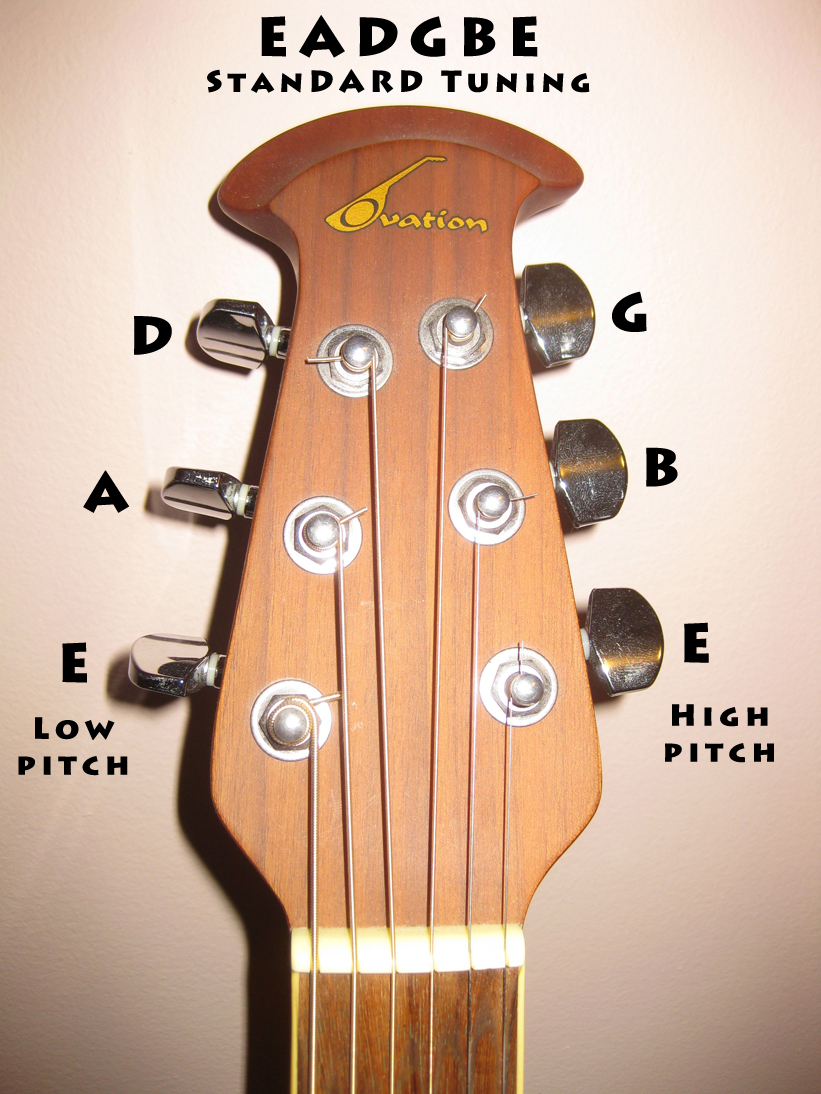
Most acoustic guitars use standard tuning. From the thickest string to the thinnest string, the notes are:
• 6th string: E, the low or thick E string
• 5th string: A
• 4th string: D
• 3rd string: G
• 2nd string: B
• 1st string: E, the high or thin E string
The notes are often written as E A D G B E. A simple memory phrase is “Eddie Ate Dynamite, Good Bye Eddie.”
When people ask how do I tune an acoustic guitar, they usually mean how to tune these six strings to standard pitch. Standard tuning works well for most songs, lessons, chord charts, and beginner exercises.
Each string has a target frequency. The low E is about 82.41 Hz, while the high E is about 329.63 Hz. You do not need to memorize these numbers. A good chromatic tuner measures the pitch for you.

What You Need to Tune an Acoustic Guitar
The easiest setup uses a clip-on chromatic tuner. It listens to the vibration of the guitar through the headstock, so it works even in a noisy room.
You can also use a phone tuning app, a pedal tuner, or another tuned instrument. Each option has strengths and limits.
• Clip-on tuner: Accurate, portable, and easy to see
• Phone app: Convenient and often free, but background noise can affect it
• Pedal tuner: Excellent for live performance and electric or acoustic-electric guitars
• Piano or keyboard: Useful if the instrument is properly tuned
• Pitch pipe: Reliable with practice, but harder for beginners
A chromatic tuner is the best choice for most new players. It detects any note, not just the six notes used in standard tuning. This makes it useful for alternate tunings too.
Before you start, sit in a quiet place and hold the guitar in normal playing position. Keep the tuner where you can see it. On many tuners, green means the string is in tune, while arrows show whether the pitch is too high or too low.

How Do I Tune an Acoustic Guitar Step by Step?
Follow these steps to tune an acoustic guitar accurately.
1. Turn on the tuner
Set the tuner to chromatic mode if it has more than one setting. Make sure it is calibrated to A440, which is the standard reference used in most modern music.
A440 means the A note above middle C vibrates at 440 cycles per second. Some bands tune slightly higher or lower, but A440 is the correct starting point for normal playing.
2. Start with the low E string
Play the thickest string by itself. Let it ring for a moment, then watch the tuner.
The tuner should display E. If it displays D or another note, turn the tuning peg slowly until the note moves toward E. Do not turn the peg quickly or force it.
If the tuner shows a note below E, the string is too loose. Tighten it slowly. If it shows a note above E, the string is too tight. Loosen it slowly.
3. Tune the A, D, G, B, and high E strings
Tune the remaining strings in this order:
- A
- D
- G
- B
- High E
Pluck one string at a time. The tuner may show a nearby note, such as F when you need E. Use the tuning peg to move the pitch carefully until the tuner recognizes the correct letter.
The most important part of how do I tune an acoustic guitar is identifying the correct note before adjusting the peg. A string can appear close to the target while still being one or more notes away.
4. Tune up to the note when possible
If a string is flat, loosen it slightly below the target and then tighten it until the tuner shows the correct pitch. This helps reduce slack around the tuning post.
For example, if the B string is slightly sharp, loosen it below B first. Then raise it back to B with small turns. This method often gives more stable tuning than stopping while the string is moving downward.
5. Check all six strings again
Tuning one string can change the tension on the neck and bridge very slightly. This can pull other strings out of tune.
After the first pass, repeat the process. Most guitars need two or three passes, especially after new strings are installed. When all six strings remain centered on the tuner, play a few chords and check again.
How to Tune an Acoustic Guitar Without a Tuner
You can tune an acoustic guitar by using one string as a reference for the others. This method is helpful when you do not have a tuner, but it depends on having at least one correctly pitched note.
The fifth-fret method works like this:
• Tune the 6th string to a known low E
• Play the 6th string at the 5th fret and tune the open 5th string to that note
• Play the 5th string at the 5th fret and tune the open 4th string
• Play the 4th string at the 5th fret and tune the open 3rd string
• Play the 3rd string at the 4th fret and tune the open 2nd string
• Play the 2nd string at the 5th fret and tune the open 1st string
The third string is different. You use the fourth fret because the distance between G and B is a major third rather than a perfect fourth.
This method shows how do I tune an acoustic guitar by ear, but it does not guarantee concert pitch unless the first string or note is accurate. The guitar may sound in tune with itself while being too high or too low compared with another instrument.
You can also compare octave notes. For example, the low E string at the 12th fret should match the open high E string. The A string at the 12th fret should match the open A string one octave higher.

How to Use a Clip-On Tuner Correctly
Clip the tuner firmly to the headstock. Most clip-on tuners detect vibration, not just sound, so they can work well during rehearsals or performances.
Pluck the string near the soundhole with a steady touch. A very hard attack can make the pitch sound briefly sharp. A very light touch may not produce enough vibration for the tuner to read clearly.
Watch both the note name and the tuning indicator. The note must be correct first. A green light does not help if the tuner is showing F while you are trying to tune an E string.
Use these simple signals:
• Note below the target: Tighten the string slowly
• Note above the target: Loosen the string slowly
• Indicator left of center: Pitch is flat
• Indicator right of center: Pitch is sharp
• Indicator centered: The string is close to correct pitch
If the tuner jumps between notes, pluck the string again and mute the other strings with your free hand. Check that the tuner has fresh batteries and is set to the correct calibration.

Common Mistakes When Tuning an Acoustic Guitar
Small mistakes can make tuning harder than it needs to be. The following problems are common among new players.
Turning the wrong tuning peg
The peg layout can feel confusing at first. Trace each string from the bridge to its tuning post before making an adjustment. Turn the peg a little, pluck the string, and watch the tuner.
If the pitch moves in the wrong direction, reverse the turn. Never keep turning a peg when you are unsure which string it controls.
Tuning too quickly
Large turns can raise the pitch far too much. They can also increase the chance of breaking an old or damaged string.
Make quarter-turn or smaller adjustments. Pause after each turn so the string can settle.
Tuning only once
A guitar is not always finished after one pass. String tension affects the neck and bridge, so earlier strings may shift as you tune later ones.
Always tune all six strings again before playing. This takes less than a minute and improves the result.
Ignoring the guitar’s condition
Old strings may sound dull and may not hold pitch well. A loose bridge, worn nut slot, damaged tuning machine, or neck problem can also cause tuning trouble.
If one string constantly goes flat or sharp while the others behave normally, the issue may not be your technique. An experienced guitar technician can inspect the instrument.
Tightening beyond the target note
Never continue tightening after the string reaches its target. Extra tension can break the string or damage the instrument.
If you pass the note, loosen it below the target and tune upward again. This is safer and often more stable.

Why Does My Acoustic Guitar Keep Going Out of Tune?
A guitar can go out of tune for several normal reasons. New strings stretch as they settle, so they may need frequent adjustment during the first few playing sessions.
Temperature and humidity also affect the instrument. Wood expands and contracts with changes in moisture, which can alter string tension and neck movement. Keep the guitar away from heaters, air conditioners, direct sunlight, and very damp spaces.
Other common causes include:
• New strings that have not stretched
• Old strings with flat spots or corrosion
• Loose tuning machine screws
• Poor string winding around the tuning post
• A string that is not seated at the bridge or nut
• Bending strings during playing
• A damaged tuning peg or nut slot
After installing new strings, gently stretch each one by pulling it upward a small amount along the fretboard. Retune several times. Do not pull hard, since excessive force can damage the string or guitar.
A useful habit is to tune before every practice session. It takes little time and trains your ear to notice pitch changes.