How Do I Tune My Guitar: Easy Step-By-Step Guide
To tune your guitar, match each string to the correct pitch with a clip-on, phone, or pedal tuner.
Learning how do i tune my guitar is one of the first skills every guitarist should build. A well-tuned guitar makes chords sound clear, helps your practice stay productive, and makes playing with others much easier. After years of tuning guitars before lessons, rehearsals, and recording sessions, I have learned that the best method is simple: use a reliable tuner, turn the peg slowly, and always check your strings twice.

What does standard guitar tuning mean?
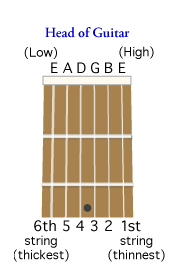
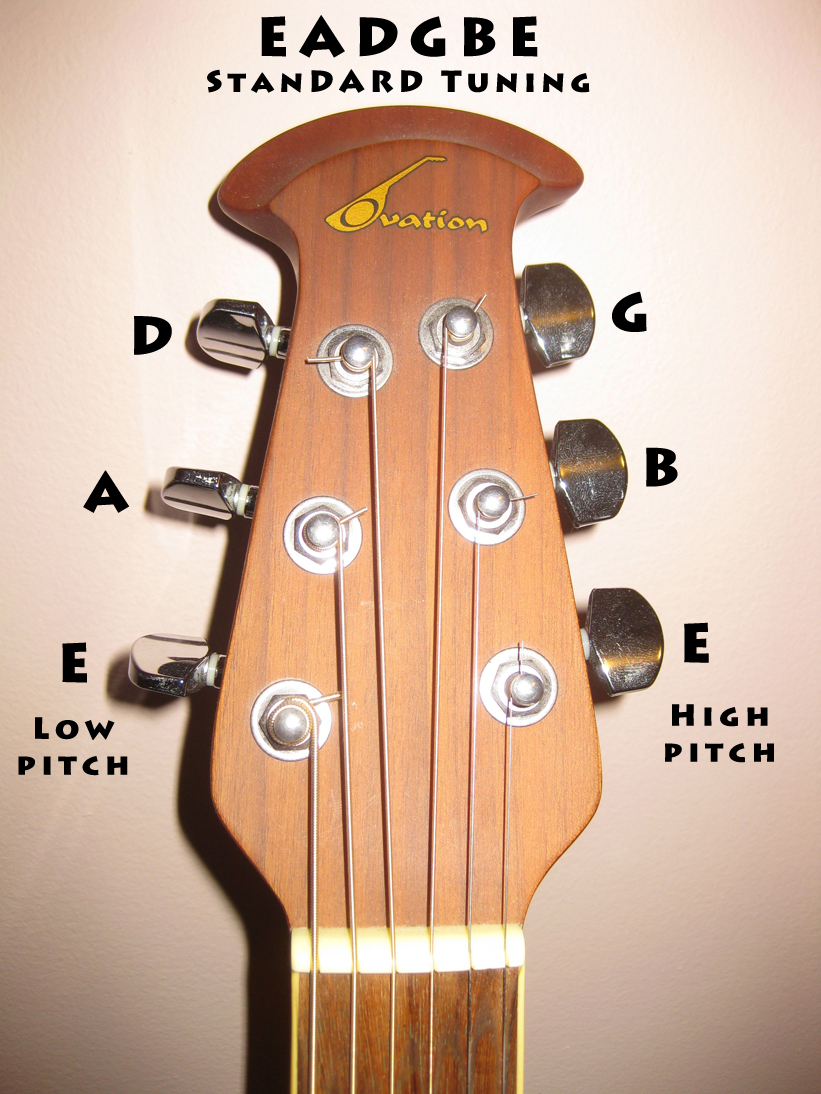
Most guitars use standard tuning. From the thickest string to the thinnest string, the notes are:
| String | Position | Note | Common name |
|---|---|---|---|
| 6th | Thickest | E | Low E |
| 5th | A | A string | |
| 4th | D | D string | |
| 3rd | G | G string | |
| 2nd | B | B string | |
| 1st | Thinnest | E | High E |
The tuning pattern is written as E A D G B E. The two E strings are two octaves apart, so they have the same letter name but different pitches.
When people ask, “How do I tune my guitar?” they usually mean how to tune it to standard tuning. This setup works for most beginner lessons, popular songs, rock, blues, country, folk, and many other styles.
The thickest string has the lowest sound. The thinnest string has the highest sound. Think of the strings as steps on a musical ladder. Each string must reach the right step.
What you need to tune a guitar
You do not need expensive gear to tune a guitar. A few simple tools can make the process quick and accurate.
• Clip-on tuner: This attaches to the headstock and senses the guitar’s vibration. It works well in loud rooms.
• Phone tuning app: A smartphone app uses the microphone to hear the note. It works best in a quiet space.
• Pedal tuner: This is useful for electric guitar players who tune during rehearsals or performances.
• Reference pitch: A piano, tuning fork, or another tuned instrument can provide a starting note. This method takes more practice.
• Guitar pick: A pick gives each string a clear, steady sound.
For most new players, I suggest a clip-on chromatic tuner. It is affordable, easy to read, and less affected by room noise than many phone apps.
A chromatic tuner detects every note, not only the six notes used in standard tuning. This matters because you may later use drop D, open G, half-step-down tuning, or other setups.

How do I tune my guitar with a clip-on tuner?
A clip-on tuner is one of the easiest ways to learn how do i tune my guitar. Follow these steps in order.
-
Attach the tuner to the headstock. Place it where you can see the display clearly.
-
Turn the tuner on and select chromatic mode if it has more than one mode.
-
Start with the thickest string, the low E string.
-
Pluck the string once. Let the note ring without touching it.
-
Watch the tuner. It will show the note it hears and whether the pitch is too low, too high, or correct.
-
Turn the tuning peg in tiny movements. Stop and pluck the string again after each adjustment.
-
Bring the string to E. Most tuners show a green light, a centered needle, or a similar signal when the note is in tune.
-
Tune the remaining strings in this order: A, D, G, B, and high E.
-
Play each string again. Then repeat the full process once more.
The key is to make small turns. Beginners often turn the peg too far, then swing back and forth between sharp and flat. Slow movements give you better control.
If the tuner shows the correct letter but the note is still wrong, check the display carefully. For example, an E can be one octave too high or too low. The tuner may show an octave number, or you can compare the sound to the expected string pitch.
When deciding whether to tune up or down, I usually loosen the string slightly below the target and then tune upward. This helps reduce slack in the tuning gears and can improve stability.
How do I tune my guitar with a phone app?
A phone app can answer how do i tune my guitar when you do not have a physical tuner. The basic process is much like using a clip-on tuner.
-
Open a trusted chromatic tuner app.
-
Allow microphone access if the app requests it.
-
Sit in a quiet room.
-
Hold the phone near the guitar, but not directly against the strings.
-
Pluck one open string at a time.
-
Adjust the tuning peg until the app shows the correct note and pitch.
Background noise can confuse a phone tuner. Turn off fans, televisions, and nearby music. Tune one string at a time, and mute the other strings with your picking hand.
Phone microphones can also hear overtones. These are extra tones that naturally ring above the main note. If the app jumps between notes, pluck closer to the middle of the string and let the sound settle before turning the peg.
A phone app is convenient, but it is not always ideal on a busy stage. For live playing, a clip-on or pedal tuner usually gives a steadier reading.
How do I tune my guitar by ear?
Tuning by ear is useful, but it takes practice. You need one correct reference note, such as the low E from a piano, tuning fork, or another instrument.
Once the low E is correct, you can tune the other strings by using the fifth-fret method:
• Tune the 5th string by pressing the 6th string at the 5th fret. These sounds should match.
• Tune the 4th string by pressing the 5th string at the 5th fret.
• Tune the 3rd string by pressing the 4th string at the 5th fret.
• Tune the 2nd string by pressing the 3rd string at the 4th fret.
• Tune the 1st string by pressing the 2nd string at the 5th fret.
The 4th-fret change between the G and B strings is important. Many beginners miss it and wonder why the high strings sound wrong.
You can hear two sounds as they approach the same pitch. When they are close but not equal, you may hear a pulsing or wavering effect. The pulses slow down as the notes match. This skill is called listening for beats.
Tuning by ear improves your musical awareness, but electronic tuners are more accurate for beginners. I still use a tuner before recording or performing, then use my ears to check the final result.

How do I tune my guitar without a tuner?
You can tune a guitar without a tuner if you have a reliable reference pitch. The reference could come from a piano, another guitar, a keyboard, or a tuning fork.
Match your low E string to the reference. Then use the fifth-fret method to tune the remaining strings. This method will make the strings sound correct relative to one another, but the whole guitar may still be too high or too low if the first reference note is inaccurate.
You can also use a song or recording with a known tuning. This is less exact because recordings may be slightly faster, slower, or tuned away from standard pitch.
For casual practice, this approach may be enough. For playing with other musicians, use an electronic tuner whenever possible. Even a small pitch difference can make a guitar sound rough when combined with a piano, keyboard, or another guitar.

How do I tune my guitar step by step?
Here is a complete method that works for most acoustic and electric guitars.
-
Find a quiet place.
-
Sit with the guitar in your normal playing position.
-
Turn on a chromatic tuner.
-
Tune the low E string.
-
Tune the A string.
-
Tune the D string.
-
Tune the G string.
-
Tune the B string.
-
Tune the high E string.
-
Check all six strings again.
-
Play a familiar chord, such as G, C, or D.
-
Listen for clean notes and unwanted beating sounds.
The second pass matters because changing one string can slightly affect the neck tension. This is more noticeable on new strings, guitars with floating bridges, and instruments that need setup work.
Pluck each string with the same force. A hard attack can make the note sound briefly sharp. A very soft attack may produce an unclear reading.
Do not tune while pressing a fret. Tune open strings unless you are intentionally checking a fretted note. Pressing a string changes its length and raises its pitch.

How do I tune my guitar when the tuner shows the wrong note?
If the tuner displays the wrong letter, stop before turning the peg too much. You may be tuning the wrong string, or the string may be far from its target pitch.
Check these common issues:
• The string is tuned to the wrong octave.
• The tuner is in an instrument-specific mode instead of chromatic mode.
• The tuner is hearing another string.
• The string is not ringing clearly.
• The string is so loose that the tuner cannot identify it.
• The string is so tight that you may risk breaking it.
For standard tuning, the target letters are E, A, D, G, B, and E from thickest to thinnest. If a thick string shows a very high note, loosen it carefully rather than forcing it higher.
New players sometimes mistake the low E for the A string because both can sound deep. Look at the string’s position and thickness before making an adjustment.
If a string feels unusually tight or looks damaged, stop. A broken string can snap near your face or hand. Turn your face away from the headstock while making large pitch changes.
Why does my guitar go out of tune?
A guitar may go out of tune for several reasons. Some causes are normal, while others point to a setup problem.
New strings stretch during the first few hours or days. After installing a string, gently pull it upward from the fretboard in several places, retune it, and repeat the process. Do not pull hard enough to damage the string.
Temperature and humidity also affect tuning. Wood expands and contracts as conditions change. Avoid leaving a guitar in a hot car, near a heater, or in direct sunlight.
Other common causes include:
• Loose tuning posts
• Poorly wound strings
• A string binding in the nut slot
• Old or corroded strings
• A floating tremolo bridge
• A neck that needs adjustment
• Heavy bending or aggressive playing
My most common early mistake was tuning only once after changing strings. The guitar sounded fine for a few minutes, then drifted badly during practice. A second and third tuning pass solved much of the problem.
If one string goes flat again and again, check the tuning post and nut area. If all strings drift together, temperature or new-string stretch is more likely.
How do alternate guitar tunings work?
Alternate tunings change one or more strings from standard tuning. They can make certain chords, riffs, and songs easier to play.
Common examples include:
• Drop D: D A D G B E
• Half-step down: E-flat, A-flat, D-flat, G-flat, B-flat, E-flat
• DADGAD: D A D G A D
• Open G: D G D G B D
• Open D: D A D F-sharp A D
Drop D is popular in rock and metal. Lowering the low E string to D gives you a deep bass note and makes some power chords easier.
Open tunings make a full chord when you strum all open strings. They are common in blues, slide guitar, folk, and roots music.
Always check the tuning instructions for the song. A tutorial may assume a different tuning, capo position, string gauge, or guitar setup. If you use an alternate tuning often, ask a qualified guitar technician to check the instrument.
How often should you tune your guitar?
Tune your guitar every time you play. It takes less than a minute once you know how do i tune my guitar, and it prevents you from practicing with incorrect notes.
Tune again when:
• You install new strings.
• The room temperature changes.
• You move the guitar to a new location.
• You use a capo.
• You play with another instrument.
• You hear chords that sound rough.
• You perform or record.
A capo can change pitch slightly, especially if you press it too hard. Place the capo just behind the fret, not in the middle of the fret space. After attaching it, check the tuning again.
A guitar does not need to be perfectly tuned forever. Strings move. The goal is to check often and make small corrections.
Tuning tips for acoustic and electric guitars
Acoustic and electric guitars use the same basic tuning process, but their hardware can change the experience.
For acoustic guitar:
• Use a clip-on tuner near the headstock.
• Check for strings that stick in the nut.
• Replace old strings when they sound dull or lose tension.
• Avoid overtightening the tuning pegs.
For electric guitar:
• Use a pedal tuner or clip-on tuner.
• Plug directly into a pedal tuner when possible.
• Mute other strings to reduce extra signals.
• Check the bridge if one string stays sharp or flat.
• Be careful with tremolo systems, which can make tuning more complex.
Electric guitars with locking nuts or floating bridges may need a special tuning process. Tune according to the manufacturer’s instructions, and do not force the bridge or locking hardware.
If the guitar will not stay in tune after careful adjustments, the problem may not be your technique. A professional setup can check the nut, neck relief, bridge, intonation, and tuning machines.
Common guitar tuning mistakes to avoid
Small errors can make tuning take much longer than it should. Avoid these habits:
• Turning the peg while the tuner is still reading the last note.
• Tuning every string several steps too high.
• Forgetting the fourth-fret rule between G and B when tuning by ear.
• Plucking several strings at once.
• Ignoring the second tuning pass.
• Using a damaged or very old string.
• Tuning in a loud room with a phone microphone.
• Pressing a fret while tuning an open string.
• Assuming the string is correct because the letter looks right.
A tuner only helps when it hears a clean note. Let each string ring for a moment, then adjust it slowly.
Also, avoid tuning only by the direction of the needle. Confirm both the note letter and the pitch position. A centered needle on the wrong note is still wrong.
How to improve your tuning accuracy
Good tuning is part equipment, part technique, and part listening. These habits will make the process faster.
First, use fresh strings that match your guitar and playing style. Very light strings may feel easy to bend, while heavier strings can offer a fuller sound and more stable tension. The best gauge depends on your instrument, tuning, and comfort.
Second, tune upward into the note when possible. If you pass the target, loosen the string below the note and then raise it slowly. This reduces slack around the tuning post.
Third, stretch new strings gently. Pressing and pulling them helps remove excess slack. Retune after each stretch.
Fourth, check your intonation if open strings sound right but fretted notes sound wrong. Intonation is the guitar’s ability to play in tune across the fretboard. It is adjusted at the bridge and may require a technician.
Finally, train your ears. Play an in-tune chord each day and listen to the relationship between its notes. A tuner tells you the pitch, but your ears tell you how the music feels.
Frequently Asked Questions About How Do I Tune My Guitar
How do I tune my guitar to standard tuning?
Tune the six open strings to E, A, D, G, B, and E from the thickest string to the thinnest. A chromatic clip-on tuner is the simplest tool for this job.
What is the easiest way to tune a guitar?
The easiest way is to use a clip-on chromatic tuner. Pluck one open string at a time and adjust its tuning peg until the tuner shows the correct note and pitch.
Should I tune my guitar up or down?
Tune upward into the target pitch when you can. If you go too high, loosen the string below the target and raise it again slowly.
Why does my guitar go out of tune so quickly?
New strings, temperature changes, loose tuning posts, poor string winding, and nut friction can cause tuning problems. If one string keeps drifting, a professional setup may help find the cause.
Can I tune my guitar with a phone?
Yes. A chromatic tuning app can hear your guitar through the phone microphone. Use it in a quiet room and mute the other strings so the app hears only the note you are tuning.
How do I know if my guitar is in tune by ear?
Use a trusted reference pitch, then compare the strings with the fifth-fret method. When two close notes match, the pulsing sound between them slows and disappears.
Conclusion
Knowing how do i tune my guitar gives you a stronger start every time you play. Use standard tuning of E A D G B E, adjust each peg slowly, check the note letter, and repeat the process after all six strings are tuned.
A reliable tuner is the best choice for accuracy, while ear training helps you become a more independent musician. Tune before practice, after changing strings, and whenever your chords sound unsettled.
Pick up your guitar today, tune each string with care, and play one clear chord. For more practical guitar tips, explore additional lessons or share your tuning questions in the comments.

Senior Music Reviewer
Alex Carter is a seasoned music reviewer with over a decade of experience in the world of sound and instruments. Passionate about helping musicians and enthusiasts make informed choices, he brings sharp insights and in-depth knowledge to every review. From classical instruments to modern gear, Alex combines technical expertise with a love for music to deliver content that resonates with readers.
As a Senior Music Reviewer and expert author on Tuneluma.com, Alex is dedicated to sharing honest evaluations, practical advice, and thoughtful commentary to guide readers in their musical journey.