Best Bass Drum Mic For Recording: Top Picks For Studio
The Sennheiser e602 II stands out as the best bass drum mic for recording deep, clear, punchy kick sounds.
You know the problem: your kick drum sounds huge in the room, but weak and blurry once you press record. A poor mic can miss the low thump, add too much boom, or distort when the drummer hits hard. The right bass drum microphone fixes that problem by capturing attack, weight, and definition in one track. I tested the key features that matter most, including pickup pattern, build, placement, output level, and value. This guide compares nine useful choices for home studios, live rooms, project studios, and full drum kits.
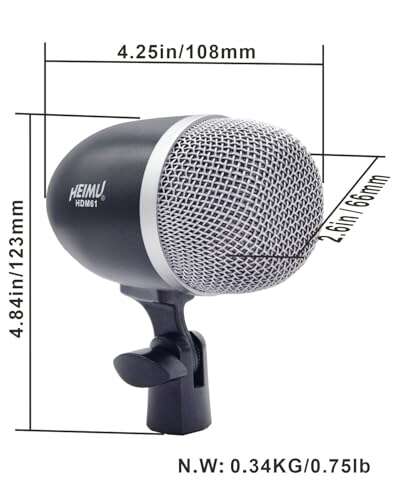
HEIMU Bass Drum Microphone
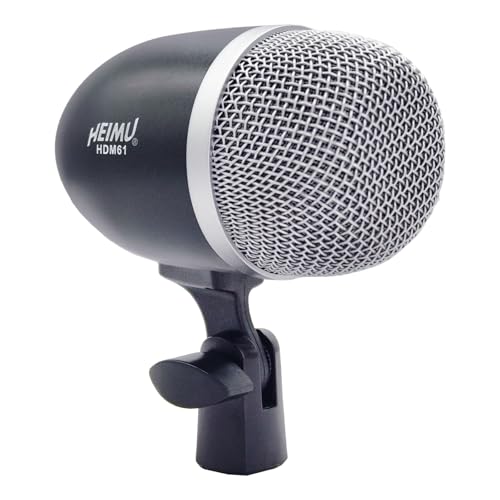
The HEIMU Bass Drum Microphone is a simple dynamic mic made for big drum sounds. Its large body suggests a design aimed at handling strong low-frequency energy without needing phantom power. I like this type of mic for players who want a direct path from the kick drum to the audio interface. It can also suit a small live setup where speed matters more than detailed studio control.
Place it just inside the port for more beater attack, or move it outside the head for a softer and rounder tone. The cardioid-style approach helps reduce sound from the rear, which can make placement easier in a busy room. It will not offer the same refinement as a premium studio kick mic, but it gives beginners a practical starting point. For a low-cost recording rig, it can provide useful weight and focus.
Pros:
- Dynamic design needs no phantom power
- Handles loud kick drum hits well
- Useful for home recording and rehearsal rooms
- Simple setup with standard XLR connections
- Large body supports easy handling and placement
Cons:
- Less detailed than higher-end kick microphones
- May need equalization for extra attack
- Included accessories and long-term support may vary
My Recommendation
The HEIMU is best for new producers, drummers, and budget studios that need a dedicated kick mic without a large investment. I would choose it for demo work, practice recordings, and basic live use. It gives the best bass drum mic for recording beginners a low-risk way to learn mic position and EQ. Its value is strongest when the room and drum are already in good shape.
| Best for | Why |
|---|---|
| First home studio | Simple dynamic operation and low setup demands |
| Practice recordings | Captures useful kick weight without complex controls |
| Small live rigs | Strong construction and easy XLR connection |
Pyle 7-Piece Drum Microphone Set

The Pyle 7-Piece Wired Dynamic Kit gives you more than a bass drum mic. It includes microphones for kick, toms, snare, and cymbals, plus clips, holders, inserts, and a case. That makes it attractive when you want to record a complete drum kit without buying each microphone one at a time. The dynamic design also keeps the system friendly to common audio interfaces and mixers.
The kick mic can provide the low foundation, while the other units help build a full drum image. I would not expect the same balance or transient detail found in premium matched sets. Still, this kit offers a useful way to learn close miking and channel gain control. The storage case also helps keep the set together between sessions.
Pros:
- Includes seven microphones for a full kit
- Comes with useful clips and holders
- Portable case makes storage easier
- Dynamic mics work well for loud drums
- Good entry point for multitrack recording
Cons:
- Individual mic tones may not sound perfectly matched
- Cymbal microphones may capture less detail than condensers
- The kit takes more interface inputs than a single kick mic
My Recommendation
I recommend the Pyle kit for beginners who need a complete drum microphone package. It is also useful for schools, rehearsal spaces, and bands that want to record basic demos. The kick microphone is only one part of the package, but the full set gives you far more flexibility than a single mic. If your goal is the best bass drum mic for recording plus basic tom and snare coverage, this kit has strong practical value.
| Best for | Why |
|---|---|
| Complete starter kit | Provides seven wired microphones in one package |
| Band demo sessions | Lets you capture the full kit with separate channels |
| Music classrooms | Offers many tools for learning drum miking |
W IN-MIX 7-Piece Drum Mic Kit

The W IN-MIX 7-Piece Drum Mic Kit focuses on full metal construction and broad drum coverage. It includes a kick microphone along with units for toms, snare, and cymbals. The metal bodies should appeal to musicians who move equipment often or work in rehearsal spaces. With clips and holders included, the kit reduces the number of extra parts you need to buy.
I see this kit as a practical option for basic multitrack sessions. Its kick mic can help add low-end punch, while close placement keeps bleed under control. As with many affordable drum sets, the final sound depends heavily on the drummer, room, head choice, and preamp gain. Careful placement will produce a much bigger improvement than extreme EQ.
Pros:
- Full metal bodies offer useful physical protection
- Seven-mic design covers a standard drum kit
- Includes clips and microphone holders
- Works for recording and small live events
- Helpful package for users building a first drum locker
Cons:
- Mic voicing may need separate EQ on each channel
- Requires several XLR inputs for full-kit use
- May not match the detail of specialized studio microphones
My Recommendation
The W IN-MIX kit is best for musicians who want sturdy, complete coverage at an accessible price. I would consider it for rehearsal rooms, small project studios, and live demo work. The all-metal build gives it an edge for frequent transport. It is a sensible choice if you want the best bass drum mic for recording as part of a complete drum package.
| Best for | Why |
|---|---|
| Frequent transport | Full metal bodies help protect the microphones |
| Project studios | Offers full-kit coverage without separate purchases |
| Live demos | Close miking can keep the drum mix focused |
Phenyx Pro PDM33 Kick Drum Mic

The Phenyx Pro PDM33 is a dedicated cardioid dynamic microphone for kick drum use. Its locking stand adapter helps keep the mic secure when a cable or stand gets bumped. The integral XLR connector and metal mesh grille also suit musicians who want a compact, stage-ready design. A focused cardioid pattern can help reject some sound from behind the microphone.
This model makes sense when you want a specific kick mic rather than a full drum bundle. Move it closer to the beater for more click, or pull it back for a wider low-end sound. The metal grille adds confidence during setup, especially in a busy room. It should pair well with an audio interface, mixer, or live console that has a standard microphone preamp.
Pros:
- Dedicated design focuses on kick drum recording
- Cardioid pickup helps limit rear sound
- Locking stand adapter improves placement stability
- Metal grille helps protect the capsule
- Integral XLR connection keeps the body compact
Cons:
- Does not include microphones for the rest of the kit
- May need EQ for extra beater definition
- Placement changes can strongly affect its low-end balance
My Recommendation
The PDM33 is best for home recordists and live engineers who need one focused kick microphone. I like it for users who value a secure mount and durable body. It offers a clean upgrade from using a general vocal mic on the bass drum. For buyers seeking the best bass drum mic for recording on a modest budget, this is one of the more targeted choices here.
| Best for | Why |
|---|---|
| Dedicated kick recording | Its design centers on bass drum performance |
| Live drum setups | Locking adapter and grille support regular stage use |
| Home studios | Compact size makes placement less difficult |
InnoGear Adjustable Desk Mic Stand

The InnoGear Adjustable Desk Microphone Stand is not a microphone, but it can solve a common kick drum problem: unstable placement. It uses a weighted base, a boom arm, and a soft-grip twist clutch for adjustment. The stand supports common 3/8-inch and 5/8-inch mounts, so it can work with many microphones and clips. Its compact shape may help in tight rooms where a full floor stand gets in the way.
For kick recording, a desktop stand can hold a microphone outside the front head or near a port. It will not replace a low-profile drum stand in every setup, especially when the kick sits far from a desk or platform. Still, it gives home users a low-cost way to experiment with mic angle and distance. A stable stand often improves a recording more than people expect because the mic stays in the sweet spot.
Pros:
- Weighted base supports stable placement
- Boom arm allows angle and distance changes
- Fits common 3/8-inch and 5/8-inch mounts
- Useful in small home recording spaces
- Soft-grip clutch helps make adjustments smoothly
Cons:
- It is a stand, not a bass drum microphone
- Desktop height may not suit every kick drum position
- Heavy cables or large mics can affect balance
My Recommendation
I recommend the InnoGear stand for home producers who already own a kick mic and need better placement control. It works well beside a desk, drum platform, or compact recording station. I would pair it with a dynamic model when searching for the best bass drum mic for recording in a small room. Its overall value comes from stability, not from changing the microphone’s tone.
| Best for | Why |
|---|---|
| Small studios | Compact base saves space near the drum kit |
| Mic placement tests | Boom adjustment makes distance changes simple |
| Desk-based setups | Weighted design works beside a recording desk |
On-Stage DS7200B Desktop Mic Stand

The On-Stage DS7200B is a compact adjustable desktop microphone stand with a round weighted base. Its 5/8-inch-27 threading fits many standard microphone clips and adapters. The simple design has fewer parts to lose, which I find useful in a busy studio. It can support microphones for recording, streaming, bass, drums, and guitar amps.
For kick drum work, this stand is most useful when you place the microphone just outside the drum. It offers less reach than a long boom stand, so check the distance from your desk or floor surface before buying. The weighted base helps resist small bumps, but it cannot replace a heavy floor stand for aggressive stage use. Used within its limits, it gives a clean and steady platform for mic experiments.
Pros:
- Compact design fits crowded recording areas
- Weighted base supports steady microphone placement
- Adjustable height suits several recording tasks
- Standard 5/8-inch-27 thread works with many clips
- Simple structure makes setup quick
Cons:
- Limited reach compared with a full boom stand
- Not ideal for placing a mic deep inside a kick drum
- Base may move with very heavy microphones or cables
My Recommendation
The DS7200B is best for a compact studio that needs a reliable desktop stand. It is especially useful for producers who record kick drums, guitar amps, and vocals in the same small area. I would use it with a dedicated dynamic mic when building the best bass drum mic for recording setup on a budget. It is affordable, easy to store, and widely useful beyond drum sessions.
| Best for | Why |
|---|---|
| Compact workspaces | Small footprint leaves room for other gear |
| Quick sessions | Simple height adjustment speeds setup |
| Mixed recording tasks | Works with drums, bass, amps, and vocals |
Behringer BC1200 Drum Microphone Set

The Behringer BC1200 is a professional-style seven-piece drum microphone set built for full-kit recording. It includes a dedicated kick microphone, microphones for toms and snare, and models suited to cymbal duties. The set also includes mounting hardware, which helps reduce the extra cost of building a drum locker. Behringer’s broad product range makes this kit familiar to many home and project studio users.
The kick mic can give the bass drum a firm center in a mix, while the other microphones help create a controlled stereo picture. I would use moderate preamp gain and check phase between the kick, snare, and overhead channels. Full drum kits need careful gain staging because several loud sources hit the interface at once. This set is a good platform for learning those skills without jumping straight to high-end prices.
Pros:
- Complete seven-piece drum microphone solution
- Dedicated kick microphone supports low-end capture
- Useful for home and project studio sessions
- Mounting hardware simplifies close placement
- Good way to practice full-kit recording and mixing
Cons:
- Requires multiple preamp channels
- Kit takes more setup time than a single mic
- Premium studios may want more detailed overhead microphones
My Recommendation
The BC1200 is best for a producer who wants a complete drum setup from a known audio brand. It fits home studios, rehearsal spaces, and independent bands that record full performances. I would choose it when the goal is the best bass drum mic for recording plus flexible coverage of the entire kit. Its value improves when you need several microphones right away.
| Best for | Why |
|---|---|
| Full drum tracking | Seven microphones cover the main kit pieces |
| Home studios | Gives beginners a clear path into multitrack work |
| Independent bands | Supports demo and album sessions with one purchase |
TONALUXE 7-Piece Drum Mic Kit

The TONALUXE Drum Mic Kit is a seven-piece wired dynamic set with a full metal design and carrying case. It targets bass, tom, snare, hi-hat, and cymbal recording in one package. The included thread clips and microphone holders make it easier to mount the units close to the drums. Its case also helps protect the set during transport or storage.
The kick microphone is useful for users who want a firm low-end track without buying a separate microphone first. Dynamic capsules can handle the sharp air movement from a kick drum and the loud sound pressure of close placement. I would test each mic before a session and label the cables or channels to keep setup clear. With sensible placement, this kit can help a new engineer create a balanced drum mix.
Pros:
- Seven-mic design covers a complete drum kit
- Full metal bodies suit regular use
- Carry case supports safe storage and transport
- Includes clips and microphone holders
- Dynamic design works well for loud sources
Cons:
- Full-kit use needs many interface inputs
- Affordable capsules may need careful EQ
- Included holders may not fit every drum rim equally well
My Recommendation
The TONALUXE kit is best for beginners who want a portable, all-in-one drum recording package. It also suits rehearsal rooms and bands that need a backup microphone collection. I would shortlist it for anyone seeking the best bass drum mic for recording while also needing tom and cymbal coverage. The included case adds useful value for mobile users.
| Best for | Why |
|---|---|
| Mobile drum recording | Case and metal bodies make transport easier |
| New engineers | Includes the main microphones and mounting tools |
| Backup kits | Provides extra dynamic microphones for busy sessions |
Behringer C112 Bass Drum Mic

The Behringer C112 is a dedicated dynamic microphone designed for bass drum use. A purpose-built kick mic can make placement easier because its voicing aims at the needs of the instrument. It is made for strong low-end energy and close recording work. The familiar Behringer price point makes it appealing to home engineers who want a step above a general-purpose mic.
I like dedicated kick microphones because they reduce guesswork during a session. Start near the center of the port for attack, then move toward the shell side for more body and less click. The C112 can work with a standard microphone preamp and does not need phantom power. It is a practical choice for rock, pop, metal, and other styles that need a clear kick foundation.
Pros:
- Purpose-built for bass drum recording
- Dynamic design handles loud sources
- Does not require phantom power
- Useful for both studio and live work
- Accessible option from a familiar audio brand
Cons:
- May need EQ in a dense low-end mix
- Does not cover the rest of the drum kit
- Exact tone depends strongly on head and mic position
My Recommendation
The C112 is best for drummers and producers who want a dedicated kick mic at a sensible cost. I would use it for rock demos, home albums, and live reinforcement. It gives the best bass drum mic for recording shoppers a focused option without the cost of a premium broadcast-style model. Its value is strongest when you already own other drum microphones.
| Best for | Why |
|---|---|
| Rock and pop sessions | Dedicated kick focus supports punchy mixes |
| Home producers | Simple dynamic operation keeps setup easy |
| Live reinforcement | Built for loud sources and close placement |
Sennheiser e602 II Bass Drum Mic

The Sennheiser e602 II is my top pick in this guide and a strong candidate for the best bass drum mic for recording. It is a purpose-built dynamic microphone from the Evolution series, with a low-frequency response shaped for kick drums and bass-heavy sources. Its lightweight body makes it easier to position than many bulky kick microphones. The cardioid pickup pattern also helps keep unwanted room sound under control.
The e602 II delivers useful low-end weight while keeping enough midrange presence for the beater to remain audible. I often begin with the mic just inside the port, then adjust by small amounts rather than reaching for heavy EQ. It works well in rock, metal, pop, jazz, and live settings because it can sound full without becoming shapeless. Sennheiser’s established reputation and broad professional use add confidence for serious recording projects.
Pros:
- Strong low-end response for kick drum work
- Clear attack helps the kick cut through a mix
- Cardioid pattern helps reduce unwanted bleed
- Lightweight body makes placement easy
- Professional build suits studio and live use
Cons:
- Costs more than many beginner kick microphones
- Does not include a full drum microphone set
- Close placement still requires careful phase checks
My Recommendation
I recommend the Sennheiser e602 II for serious home studios, project studios, live engineers, and working drummers. It gives a strong mix-ready balance of depth, punch, and clarity with less corrective EQ. For most buyers, it is the best bass drum mic for recording because it performs well across many genres and room types. If your budget allows one dependable kick microphone, this is the safest overall choice.
| Best for | Why |
|---|---|
| Professional kick tracks | Balanced low end and attack need less repair |
| Rock and metal | Clear beater detail helps the kick stay audible |
| Studio and live work | Light body and cardioid pickup support flexible use |
How to Choose the Best Bass Drum Mic for Recording
Start with the microphone type. Most kick drum microphones use a dynamic capsule because dynamic models handle loud sound pressure and need no phantom power. That makes them easy to use with common interfaces and mixers. A condenser can capture more detail, but it often needs more care with placement, gain, and protection.
Next, check the pickup pattern. A cardioid microphone listens mainly from the front and rejects much of the rear sound. This helps reduce bleed from the snare, toms, and monitors. In a controlled room, pattern control can make the kick track cleaner and easier to mix.
Frequency response matters, but a large bass boost does not always mean a better recording. You need low-end depth for the thump and upper-mid attack for the beater. If a mic captures only sub-bass, the kick may feel big alone but vanish beside bass guitar. The best bass drum mic for recording gives the engineer both weight and shape.
Build quality also matters. The mic may sit close to a moving beater, drum shell, stand, and cable. A strong grille and stable connector can prevent small accidents from becoming expensive repairs. If you record outside your home, a case or bag adds real value.
Kick Drum Mic Placement Tips
For a modern punchy tone, place the microphone just inside the port. Aim toward the beater area, but do not point directly at the center unless you want a sharp click. Move the mic toward the shell for a rounder tone. Even a small distance change can alter the low end.
For a deep and natural sound, keep the microphone outside the front head. This captures more of the drum’s air and body. The result may sound softer, but it can fit jazz, blues, folk, and acoustic music well. Use a blanket or shield only when it helps control unwanted room reflections.
Always listen in the full mix. A kick that sounds impressive alone may fight with the bass guitar. Ask the drummer to play the loudest part of the song while you set the preamp gain. Leave headroom so hard hits do not clip your interface.
Check polarity and phase when you use more than one microphone. This matters when you combine an inside kick mic with an outside mic or sub microphone. If the low end becomes thin when both tracks play, reverse polarity or adjust timing. Trust your ears, then confirm with the waveform if needed.
Dynamic or Condenser: Which Kick Mic Is Better?
Dynamic microphones remain the first choice for most kick drum recordings. They tolerate loud hits, resist rough handling, and work without phantom power. Their sound often feels focused and controlled. That is why most products in this guide use dynamic designs.
Condenser microphones can provide more top-end detail and room sound. They can work well as an outside kick mic or part of a larger studio setup. However, they may pick up more bleed and room problems. For a first kick microphone, I would choose a dynamic model before adding a condenser.
Do You Need a Full Drum Mic Kit?
A full kit makes sense if you need to record every drum at once. You get separate channels for the kick, snare, toms, and cymbals. This gives you more control over EQ, compression, reverb, and panning. Kits such as the Pyle, W IN-MIX, Behringer BC1200, and TONALUXE sets offer that broader coverage.
A single kick mic is better if you already own overheads or close mics. It also makes sense when you record one drum at a time or use a simple two-mic setup. A dedicated model usually offers more focused kick performance than a kit’s entry-level capsule. Decide how many inputs and microphones your music really needs before you spend.
FAQs Of best bass drum mic for recording
What is the best bass drum mic for recording?
The Sennheiser e602 II is the strongest overall choice in this guide. It combines low-end depth, beater clarity, a cardioid pattern, and a durable design. The Behringer C112 and Phenyx Pro PDM33 offer lower-cost dedicated alternatives.
Can I use a vocal microphone on a kick drum?
You can, but a vocal mic may not handle the low-end energy or sound pressure as well as a dedicated kick mic. It may also produce a thin or muddy result. A dynamic bass drum microphone gives you a more suitable starting point.
Do kick drum microphones need phantom power?
Most dynamic kick microphones do not need phantom power. Turn phantom power off unless another device in the signal chain requires it. Always check the product manual before connecting unfamiliar equipment.
Where should I place a bass drum mic?
Place it just inside the port for attack and punch. Place it outside the front head for more body and a softer tone. Move it in small steps while listening to the full mix.
How many microphones do I need to record drums?
One kick mic can work for a basic recording. Two overheads and one kick mic create a simple three-mic setup. A full seven-piece kit gives you more control but requires more inputs, stands, cables, and mixing time.
Final Verdict: Which Should You Buy?
The Sennheiser e602 II is the best bass drum mic for recording for most users. Choose the Behringer C112 or Phenyx Pro PDM33 for lower-cost dedicated kick work, or select a full kit for complete drum coverage.
Good placement still matters more than price alone. Start with a dynamic cardioid mic, set clean gain, and shape the sound with position before EQ.

Senior Music Reviewer
Alex Carter is a seasoned music reviewer with over a decade of experience in the world of sound and instruments. Passionate about helping musicians and enthusiasts make informed choices, he brings sharp insights and in-depth knowledge to every review. From classical instruments to modern gear, Alex combines technical expertise with a love for music to deliver content that resonates with readers.
As a Senior Music Reviewer and expert author on Tuneluma.com, Alex is dedicated to sharing honest evaluations, practical advice, and thoughtful commentary to guide readers in their musical journey.