What Is A Drum Trap: Complete Plumbing Guide
A drum trap is an old plumbing device that holds water to block sewer gases from entering a home.
If you live in an older house, you may find one beneath a bathtub, shower, or laundry fixture. Understanding what is a drum trap helps you spot drainage problems, plan safe repairs, and decide when replacement makes more sense than cleaning. This guide explains its design, purpose, common faults, maintenance, and modern alternatives in clear terms.
What Is a Drum Trap?
A drum trap is a round, barrel-shaped plumbing trap that holds a small amount of water. This water forms a seal between the drain line and the sewer system. The seal blocks sewer gas, odors, and some pests from moving back into the home.
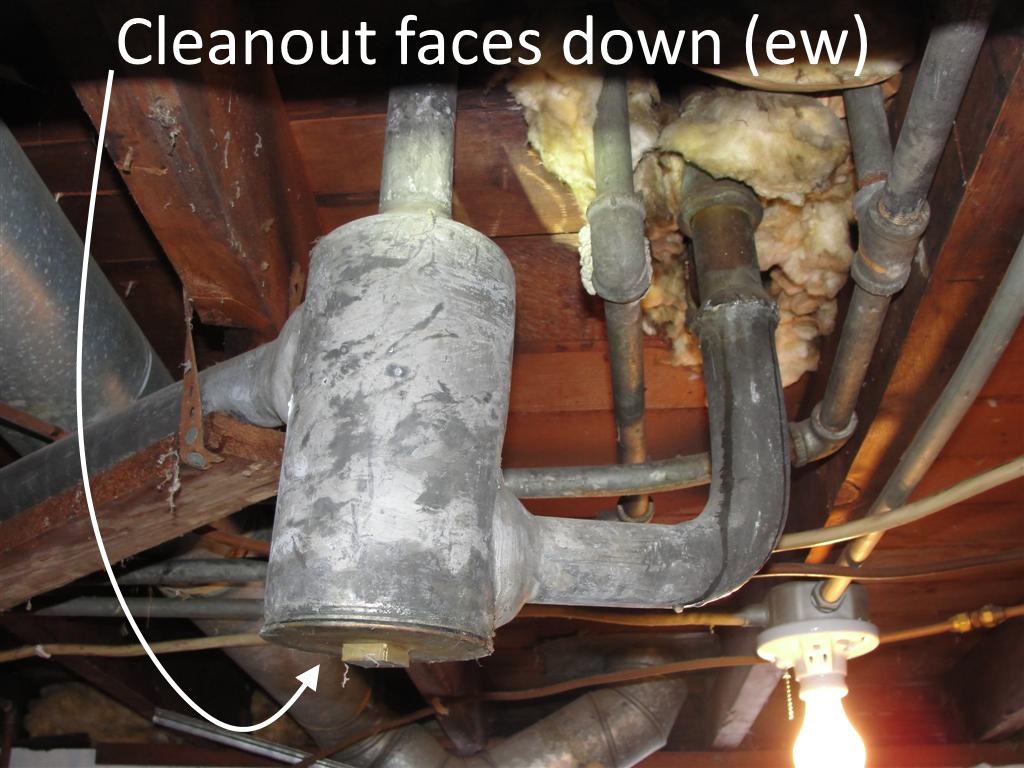
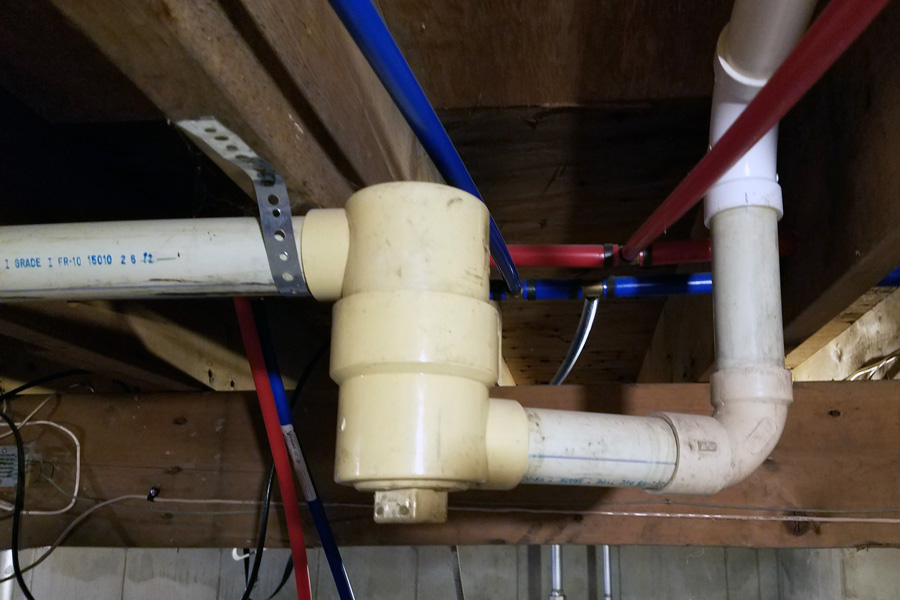
The trap gets its name from its shape. Unlike a modern P-trap, which looks like the letter “P,” a drum trap looks more like a small metal can or drum. Many older models are made from cast iron, galvanized steel, or brass.
A drum trap usually has:
• An inlet where wastewater enters
• An outlet that carries water to the drain line
• A cylindrical chamber that holds water
• A removable cover or cleanout plug
• A water seal that blocks sewer gases
The basic answer to what is a drum trap is simple: it is a water-filled barrier in a drain system. Its design, however, can make inspection and cleaning harder than with newer traps.

How Does a Drum Trap Work?
A drum trap works through gravity and water retention. When you use a bathtub or fixture, wastewater flows into the drum-shaped chamber. The water level rises, and the extra water leaves through the outlet toward the sewer line.
After the fixture stops draining, some water remains inside the trap. This retained water is called the trap seal. It acts like a closed door that sewer gases cannot easily pass through.


The process is straightforward:
-
Wastewater flows from the fixture into the trap.
-
Solid material and heavy debris may settle in the chamber.
-
Water leaves through the outlet and continues into the drain.
-
A small amount of water stays behind.
-
The trapped water blocks odors and gases from returning.
This explains what is a drum trap in practical terms. It is not meant to filter water like a strainer. Its main job is to create a water seal and provide a place where some debris can settle.
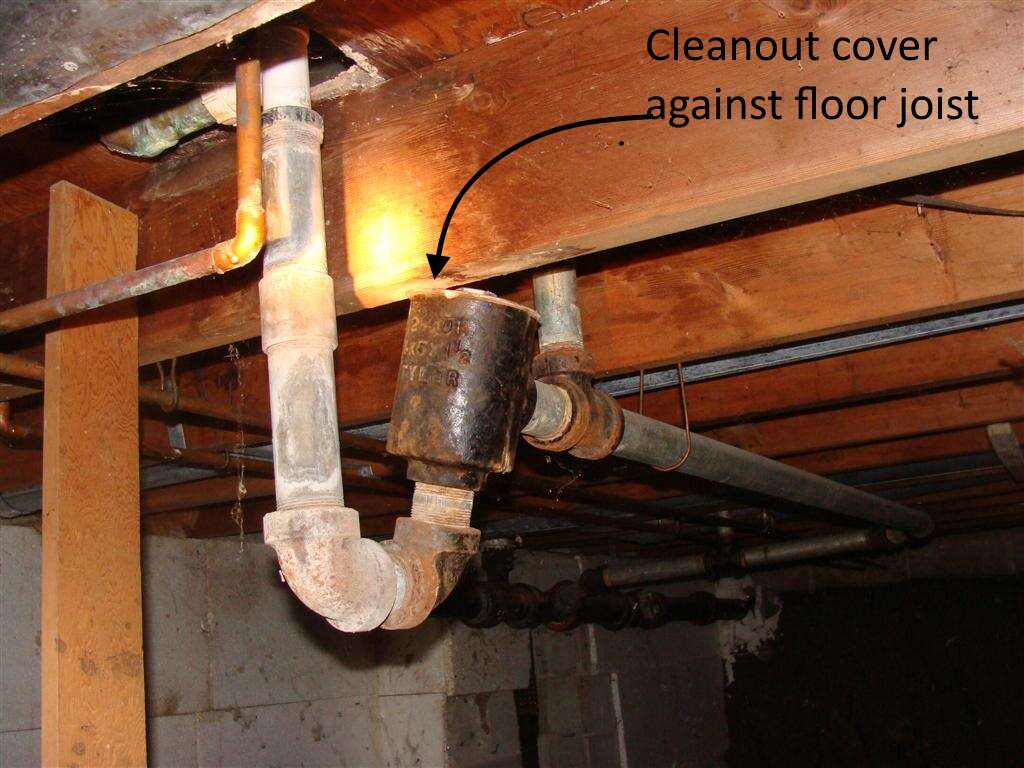
Older drum traps may have a cover on top or at the side. A plumber can sometimes remove this cover to inspect or clean the trap. In practice, rusted covers, damaged threads, and years of buildup can make access difficult.
Where Are Drum Traps Commonly Found?
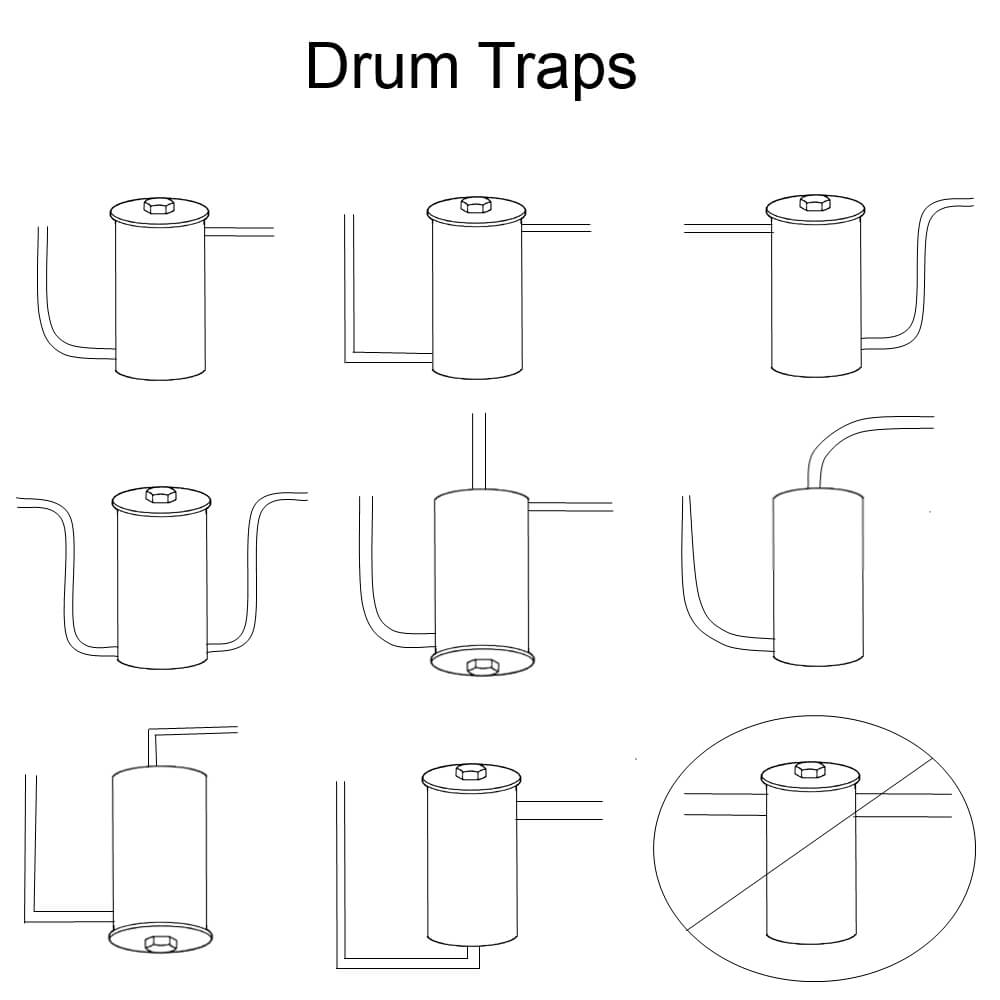
Drum traps are most common in homes built several decades ago. They were often installed under bathtubs because the wide chamber could catch hair, soap, and other debris.
You may also find one connected to:
• Older shower drains
• Laundry sinks
• Basement floor drains
• Utility sinks


• Some older kitchen fixtures
Bathtub drum traps are especially common in homes with cast iron drain systems. They may be hidden below the floor, behind an access panel, or inside a basement ceiling.
If your home has a slow tub drain and was built before modern plumbing practices became standard, the trap may be worth checking. Still, do not assume every slow drain has a drum trap. A clog can also exist in the fixture drain, branch line, vent, or main sewer line.
Knowing what is a drum trap can help you read old plumbing layouts. It can also prevent a common mistake: opening a random fitting without knowing whether it contains standing wastewater.
Why Were Drum Traps Used?
Drum traps were popular because they offered a large water-holding chamber. Plumbers believed the chamber could catch debris before it entered the main drain.
Their wide shape also made them useful beneath tubs. A bathtub can release hair, lint, soap, and body oils. The drum gave these materials a place to collect.
The design had some practical benefits:
• It created a strong water seal when properly installed.
• It offered a large chamber for debris.
• It could be opened for cleaning.
• It fit well in some older floor layouts.
• It worked with the gravity-based plumbing systems of its time.
However, a design that looks useful on paper may be difficult in real life. Once a drum trap becomes coated with sludge or corrosion, cleaning it can be unpleasant and unreliable. This is one reason modern plumbing systems favor simpler, self-scouring P-traps.


Drum Trap vs. P-Trap
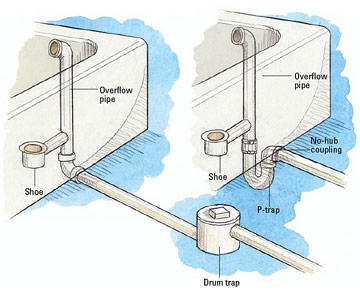
The main difference between a drum trap and a P-trap is shape and serviceability. A P-trap has a curved section that holds water. A drum trap uses a larger cylindrical chamber.
| Feature | Drum trap | P-trap |
|---|---|---|
| Shape | Cylindrical or barrel-like | P-shaped bend |
| Common material in older homes | Cast iron, steel, or brass | PVC, ABS, copper, or newer metal |
| Cleaning | Often difficult | Usually easier |
| Debris buildup | More likely to collect inside | Often flushed through |
| Use in new plumbing | Limited or restricted in many areas | Standard choice |
| Access | May have a threaded cover | Often has a removable slip joint or cleanout |
A P-trap usually has a smoother flow path. Its bend holds water but does not provide a large chamber where waste can sit for long periods. That can reduce stagnant buildup.
When people ask what is a drum trap compared with a P-trap, the key point is this: both can block sewer gases, but a P-trap is generally easier to inspect, clean, and replace.
Local plumbing codes control what may be installed during new construction or remodeling. Many current codes require approved trap designs and restrict older drum traps. Rules vary by state, city, and plumbing code edition, so check with the local authority or a licensed plumber before changing one.
Common Problems With Drum Traps
Drum traps can work for many years, but age creates several problems. The most common issue is buildup inside the chamber.
Hair, soap, grease, rust flakes, and mineral deposits can collect in the trap. This reduces the opening and slows drainage. In severe cases, water may rise in the tub or shower.
Other common problems include:
• A broken or missing cleanout cover
• Corrosion around the drum
• A damaged or weak trap seal
• Leaks at threaded joints
• Sewer odors from a dry or damaged trap
• Cracks caused by freezing
• Buildup that resists plunging


• A trap that is difficult to reach
A drum trap can also become difficult to identify. It may be buried below a finished floor or covered by insulation. Some homeowners mistake its cleanout cover for an unrelated plumbing fitting.
One important lesson from older plumbing repairs is to avoid force. A corroded plug may break when turned. If it snaps, you may create a larger leak or damage the drain connection. A professional can assess the material and choose the safest access method.

Signs You May Have a Drum Trap Problem
A slow drain is the most common warning sign, but it is not the only one. Pay attention to patterns. A problem that affects one bathtub usually points to a local drain or trap. Several slow fixtures may suggest a branch or main line issue.
Look for these signs:
• Water drains slowly from an older bathtub.
• The tub makes a gurgling sound.
• A sewer odor comes from the drain.
• Water backs up after plunging.
• The cleanout cover shows rust or moisture.
• The fixture drains well for a short time, then slows again.
• A plumber mentions a buried or unusual trap.
Odor does not always mean the drum trap has failed. A dry trap, poor venting, loose cleanout, or cracked pipe can also allow sewer gas into a room.
If wastewater backs up, stop using the fixture until the cause is clear. Dirty water can contain harmful organisms. Keep children and pets away from the area, and use gloves when handling exposed plumbing.

How to Clean a Drum Trap
Cleaning a drum trap is more complex than cleaning a modern P-trap. The first step is to identify the trap and locate a safe access point. Do not remove a cover if the fitting is badly rusted or under pressure from surrounding materials.
A basic inspection may involve these steps:
-
Stop using the connected fixture.
-
Place a bucket and towels below the access point.
-
Identify the cleanout cover or removable plug.
-
Check for corrosion, movement, and signs of leakage.
-
Open the cover only with suitable tools and care.
-
Remove loose debris without damaging the trap.
-
Flush the fixture with clean water after reassembly.
-
Check the joint for leaks.
Avoid pouring chemical drain cleaners into an old drum trap. Strong chemicals may remain in the chamber, damage aging metal, or injure someone who later opens the fitting. They can also harm the environment if they enter wastewater systems.
A hand auger may help with a nearby drain blockage, but it may not pass safely through every drum trap. Do not push a cable with excessive force. If the cable catches, the trap or drain pipe may be fragile.
In older homes, cleaning often provides only temporary relief. If the metal is heavily corroded or the trap repeatedly clogs, replacement may be the better long-term choice.

Should You Replace a Drum Trap?
Replacement is often worth considering when a drum trap is damaged, inaccessible, or repeatedly blocked. A plumber may replace it with a code-approved P-trap and update nearby drain piping.
Replacement may be appropriate when:
• The trap leaks.
• The cleanout cover will not seal.
• The trap is badly corroded.
• The drain clogs again after cleaning.
• The trap has no safe service access.
• A remodeling project exposes the plumbing.
• Local code requires a different trap design.
Replacing a drum trap is not always a simple do-it-yourself task. The work may involve cutting old pipe, supporting heavy cast iron, adjusting drain height, and preserving the correct trap seal. A bathtub may also need to be removed for proper access.
A qualified plumber should check:
• The pipe material and condition
• Drain size
• Trap seal depth
• Vent connection
• Drain slope
• Access for future service
• Local permit and inspection requirements
The goal is not simply to remove the old drum. The new assembly must protect against sewer gas and drain correctly. Poor slope or improper venting can create new problems even when the old trap is gone.
Benefits and Limitations of a Drum Trap
A drum trap has a few useful features, especially in the plumbing systems where it was originally installed. Yet its limitations are important for modern homeowners.
Potential benefits
• It can provide a reliable water seal when intact.
• Its large chamber may catch debris.
• Some models have a serviceable cleanout.
• It can continue working for decades when protected from corrosion.
Common limitations
• Debris can remain trapped for long periods.
• Cleaning may be difficult.
• Corroded covers can be dangerous to remove.
• The trap may be hidden or hard to reach.
• It can produce slow drainage.
• Many current plumbing rules do not favor its use in new work.
The best way to understand what is a drum trap is to view it as an older solution that solved one problem while creating others. It can block sewer gas, but its large chamber may become a storage bin for sludge.
Are Drum Traps Allowed by Plumbing Code?
Whether a drum trap is allowed depends on the local plumbing code and the type of work being done. Existing plumbing may be permitted to remain if it is safe and functioning. New installations and major remodels may require a listed, approved P-trap instead.
The International Plumbing Code and Uniform Plumbing Code are widely used model codes, but local jurisdictions may adopt different editions or amendments. A local building department has the final say for permits and inspections.
Do not remove a functioning drum trap solely because it looks old. Age alone does not prove failure. At the same time, do not assume that an old trap meets the requirements for new construction.
For accurate advice, ask:
• Is the work repair, replacement, or new installation?
• Does the local code allow this existing trap to remain?
• Is a permit required?
• Must the new trap be accessible?
• Does the fixture have proper venting?
This approach avoids both extremes: unnecessary replacement and unsafe preservation.
Practical Maintenance Tips
Good maintenance can reduce drain trouble, but it cannot make an unsafe trap safe. Keep hair, wipes, grease, and thick materials out of the connected fixture.
Helpful habits include:
• Use a drain screen over tubs and showers.
• Remove visible hair before it enters the drain.
• Do not pour cooking grease into any drain.
• Avoid flushing wipes, paper towels, or cleaning cloths.
• Run warm water after using a bathroom fixture.
• Watch for small leaks around the cleanout.
• Keep access panels clear.
• Fix sewer odors instead of masking them with air freshener.
A drain screen is a small step with a large payoff. It keeps the drum from becoming a hidden compost pile of hair and soap.
If the drain slows several times each year, schedule an inspection. Repeated cleaning may cost more over time than correcting the trap and nearby piping.
A Real-World Example
Consider a 1940s house with a bathtub that drains slowly. The homeowner plunges it, and the water improves for a few days. Then the problem returns, along with a faint odor.
An inspection may reveal a cast iron drum trap beneath the tub. Inside, years of hair, soap, and rust have formed a thick layer. Cleaning may restore flow, but corrosion around the cover could make future service risky.
In a case like this, the long-term plan may be to replace the drum trap with a properly sized P-trap during a bathroom renovation. The plumber should also inspect the branch drain, confirm venting, and test the completed work for leaks.
The lesson is useful: do not treat every recurring clog as a simple blockage. Sometimes the shape and age of the trap are the real cause.
Safety Tips Before You Work on One
Plumbing work around an old drum trap deserves caution. Old metal can break without warning, and wastewater may contain bacteria or other contaminants.
Follow these basic safety steps:
• Wear waterproof gloves and eye protection.
• Place a container below the trap before opening it.
• Ventilate the room if sewer odors are strong.
• Never mix drain chemicals.
• Do not use an open flame near plumbing or sewer gas.
• Stop if the fitting begins to twist in the wall or floor.
• Call a licensed plumber if the trap is buried, cracked, or badly rusted.
If you smell a strong sewer odor, leave the area if you feel dizzy, sick, or short of breath. Sewer gas can contain hazardous compounds. A qualified professional can test the space and locate the source safely.
Frequently Asked Questions About What Is a Drum Trap
What is a drum trap used for?
A drum trap is used to hold water in a drain line and block sewer gases from entering a building. Its larger chamber may also collect some debris before it reaches the main drain.
How can I tell if I have a drum trap?
You may have one if your older home has a slow bathtub drain and a round metal cleanout beneath or near the tub. A plumber can confirm it by inspecting exposed piping or using a camera when access is limited.
Is a drum trap the same as a P-trap?
No. Both use a water seal, but a drum trap has a cylindrical chamber while a P-trap has a curved, P-shaped section. P-traps are usually easier to clean and are the standard choice for modern fixture drains.
Are drum traps bad?
A drum trap is not automatically defective. However, it can collect debris, corrode, and become hard to service, so many plumbers recommend replacement when it leaks, clogs often, or is exposed during remodeling.
Can I clean a drum trap myself?
You may be able to clean an accessible trap in good condition, but old covers can break and release wastewater. Avoid harsh chemicals, and call a plumber if the fitting is corroded, buried, or difficult to open.
Should a drum trap be replaced during a bathroom remodel?
Often, yes, especially if the trap is exposed and shows corrosion or repeated blockage. The replacement must meet local code and include correct sizing, venting, slope, and access.
Does a drum trap stop sewer odors?
It can stop sewer odors when it holds the correct amount of water and remains intact. Odors can still enter if the trap dries out, leaks, has a damaged cover, or connects to a poorly vented drain.
Conclusion
A drum trap is an older water-seal device designed to stop sewer gases and catch some drain debris. It can work when intact, but its large chamber, hidden location, corrosion risk, and difficult cleaning make it less practical than a modern P-trap.
If your home has a slow bathtub drain, recurring clogs, or sewer odors, inspect the trap before reaching for harsh chemicals. Have a licensed plumber evaluate its condition and local code requirements, especially before a remodel. Use this guide to understand what is a drum trap, then make a safe, informed plan for repair or replacement.

Senior Music Reviewer
Alex Carter is a seasoned music reviewer with over a decade of experience in the world of sound and instruments. Passionate about helping musicians and enthusiasts make informed choices, he brings sharp insights and in-depth knowledge to every review. From classical instruments to modern gear, Alex combines technical expertise with a love for music to deliver content that resonates with readers.
As a Senior Music Reviewer and expert author on Tuneluma.com, Alex is dedicated to sharing honest evaluations, practical advice, and thoughtful commentary to guide readers in their musical journey.