Where Are Ludwig Drums Made: Brand Origins Explained
Ludwig drums are made mainly in Monroe, North Carolina, while some affordable models are produced overseas.
The answer to where are Ludwig drums made depends on the series, model, and production era. Ludwig has deep American roots, but its current lineup includes both USA-made drums and imported kits. Knowing the difference can help you judge build quality, price, resale value, and the sound you can expect.

Where are Ludwig drums made today?
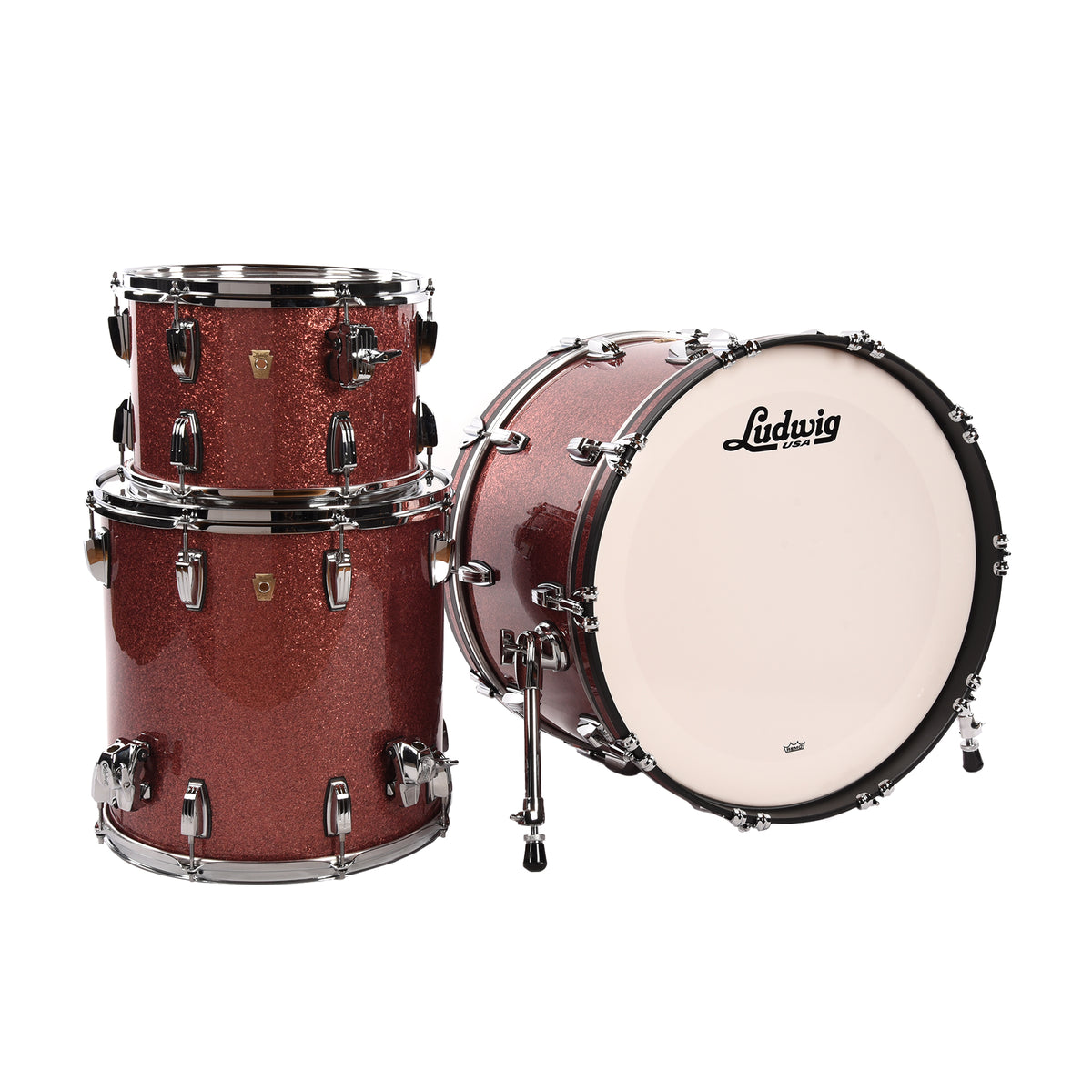
Most professional Ludwig drums are made in the United States at the company’s facility in Monroe, North Carolina. This factory produces many of Ludwig’s best-known USA lines, including selected Classic Maple, Legacy, Classic Oak, and Black Beauty snare drum models.
However, not every Ludwig drum comes from the Monroe factory. Ludwig also sells more affordable drum kits that are made outside the United States, often in Asian factories. These imported drums help the brand offer lower prices for students, new players, schools, and working drummers on a budget.
The clearest answer to where are Ludwig drums made is this:
• USA professional models are mainly made in Monroe, North Carolina.
• Some beginner and intermediate kits are made overseas.
• The exact country of origin depends on the model and production year.
• Drum hardware, accessories, and individual parts may come from different locations.
This mixed production system is common in the modern drum industry. A brand can design a product in the United States, build some parts overseas, and assemble or finish other models at a US facility.
Ludwig’s American manufacturing history
Ludwig began in Chicago in 1909. Brothers William and Theobald Ludwig created the company after developing early bass drum pedals and other percussion products. Their work helped shape the growing American drum industry.
For much of the 20th century, Ludwig drums were closely tied to Chicago manufacturing. The brand became famous for its strong shells, classic finishes, and distinctive snare drums. The Beatles’ appearance on “The Ed Sullivan Show” also created enormous demand for Ludwig drums after Ringo Starr played a Ludwig Oyster Black Pearl kit.
Ludwig later moved much of its drum production to Monroe, North Carolina, in the 1980s. The move gave the company a larger modern facility while keeping its American production alive. Today, the Monroe plant remains central to understanding where are Ludwig drums made.
The company is now part of Conn-Selmer, a major musical instrument group. Even under new ownership, Ludwig continues to produce selected professional drums in the United States.
Which Ludwig drums are made in the USA?
Several Ludwig professional lines are associated with American production. Still, model availability can change, so buyers should confirm the current specifications before ordering.
Common USA-made Ludwig lines include:
• Classic Maple: A versatile maple series used by touring and studio drummers.
• Legacy Maple: A vintage-style shell design with a warm and open tone.
• Classic Oak: A strong, lively shell made for projection and attack.
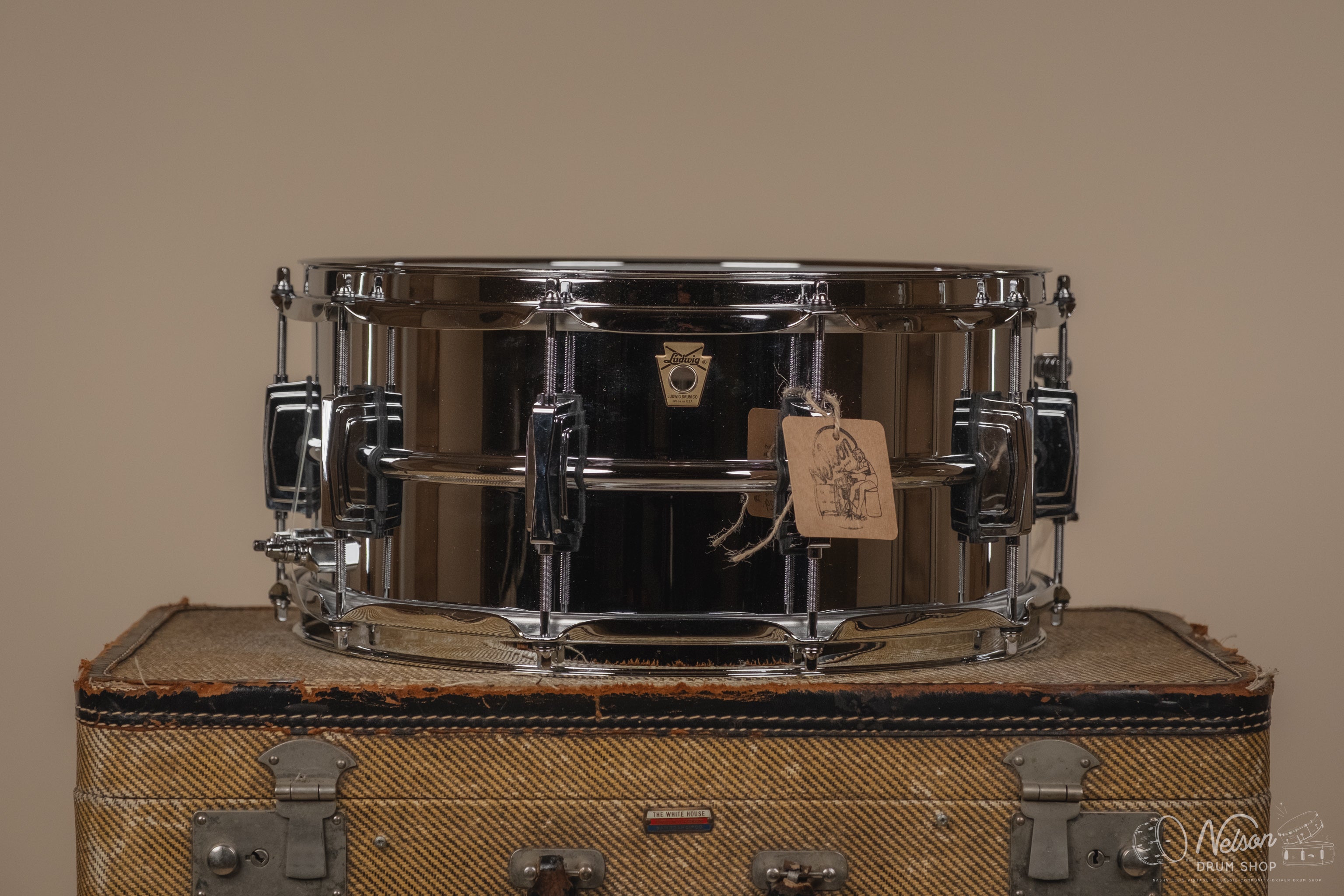
• Black Beauty snare drums: Famous brass snares that are often made at the Monroe facility.
• Supraphonic snare drums: Iconic metal snares available in several finishes and configurations.
• Certain limited-edition and artist models: These may receive special production treatment in the United States.
USA-made Ludwig drums often carry a higher price because they use more labor, tighter finishing standards, and premium components. Their price also reflects the company’s heritage and the reputation of professional Ludwig instruments.
That does not mean every imported Ludwig drum is poor. A well-made overseas kit can perform very well. The main difference is often the level of finishing, shell options, hardware quality, and available customization.
Which Ludwig drums are made overseas?
Ludwig’s entry-level and lower-priced drum kits are commonly produced overseas. These instruments allow new players to buy a complete kit with drums, stands, pedals, and cymbals at a practical price.
Examples may include selected beginner and intermediate series sold under names such as:
• Questlove-inspired beginner kits
• Accent kits
• Breakbeats kits
• Element Evolution kits
• Certain compact and student-focused packages
The exact factory location may vary by model and year. Many imported drum kits in this market are produced in China or other Asian manufacturing centers. The country can also differ between the drums, hardware, and included accessories.
If you want to know where are Ludwig drums made, check the product page, packaging, or label for wording such as “Made in USA” or “Made in China.” Do not rely only on the Ludwig name or the appearance of the badge.
How to tell where your Ludwig drums were made
The most reliable method is to identify the model and inspect the drum itself. A badge may show the Ludwig name, but it does not always state the country of origin.
Use these steps:
-
Find the model name or catalog number.
-
Check the inside of the shell for a label or stamp.
-
Inspect the original box and product paperwork.
-
Look for a country-of-origin statement near the serial number.
-
Compare the model with the current official product description.
-
Ask an authorized Ludwig dealer to confirm the production location.
Vintage drums require extra care. A pre-owned Ludwig kit may have changed parts over time. A new badge, replacement shell, or swapped snare can make identification harder.
Serial numbers can help, but they are not always a complete manufacturing guide. Ludwig has used different numbering systems across different decades. A serial number may identify an era or product family without proving the exact location of every component.
Does country of origin affect Ludwig drum quality?
Country of origin can affect a drum’s design, materials, labor, and quality control. It does not automatically decide whether the drum sounds good.
USA-made Ludwig drums often offer:
• More shell and finish options
• Higher-end bearing-edge work
• A wider range of custom features
• Premium lugs, hoops, and strainers
• Stronger vintage-style details
Imported Ludwig drums often offer:
• Lower purchase prices
• Complete kits for beginners
• Simple setup and easy replacement parts
• Good value for practice and small performances
In real use, tuning matters just as much as the factory location. A modest kit with fresh heads, clean bearing edges, and careful tuning can sound far better than an expensive kit that is poorly maintained.
When I compare drum kits for practical use, I pay close attention to shell roundness, bearing edges, lug alignment, and hardware movement. These details tell me more than the badge alone. A drum should feel solid, tune evenly, and hold its pitch during play.