What Is A Drum Skin Made Of: Materials Explained
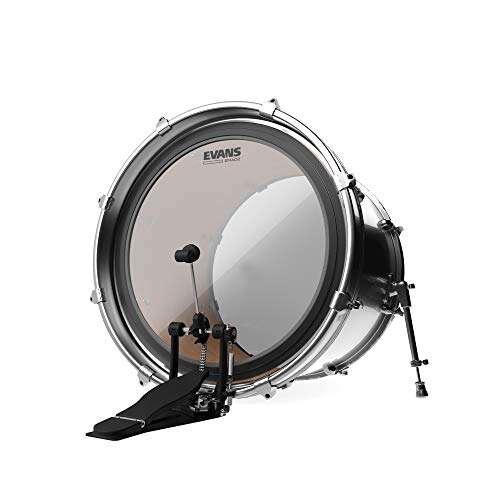
A drum skin is made from animal hide, synthetic plastic film, or woven mesh designed to vibrate and create sound.
The phrase “drum skin” comes from older drums that used stretched animal hide. Today, most modern drumheads use thin plastic films because they offer steady tone, strong durability, and easier care. Understanding what is a drum skin made of helps you choose the right head, tune it well, and get the sound you want.
What Is a Drum Skin Made Of?
A drum skin, also called a drumhead, is the stretched surface that covers one or both sides of a drum. When a player strikes it, the material vibrates and moves air inside the shell. That movement creates the drum’s sound.
So, what is a drum skin made of in most modern kits? It is usually made of one or more layers of polyester film. This material is often sold under the general name Mylar, a trade name for a type of polyethylene terephthalate film.
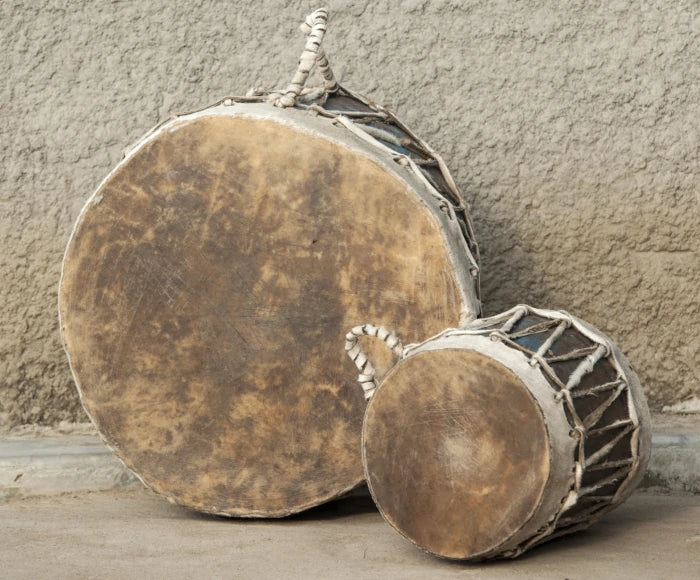
Traditional drum skins are made from animal hide. Common choices include:
• Calfskin
• Goatskin
• Sheepskin
• Cowhide
• Buffalo hide
Modern drumheads may also use:
• Single-ply plastic film
• Two or more plastic plies
• Coated plastic film
• Reinforced film
• Synthetic mesh
The material affects the drum’s pitch, attack, sustain, warmth, volume, and response. It also affects how the head feels under a stick or hand.

Traditional Drum Skins Made From Animal Hide
Before plastic film became common, nearly all drum skins came from animal hide. Makers cleaned, soaked, stretched, and dried the hide over a drum shell. The finished skin became tight as it dried.
Calfskin is known for a warm and rich sound. It responds well to light playing and is common in orchestral drums, frame drums, and historical instruments.
Goatskin is often thinner and more flexible. It can produce a clear, lively tone in hand drums such as djembes and bodhráns.
Cowhide and buffalo hide are thicker. They can handle strong playing and create a deep, powerful tone. These hides are common in large folk drums, ceremonial drums, and some world percussion instruments.
The main benefit of natural hide is its complex tone. It can sound warm, deep, and full. Many players also enjoy the natural feel beneath the hand.
However, animal hide has limits. Humidity can make it loose, while dry air can make it tight or brittle. A sudden weather change may alter the pitch within minutes.
How Natural Hide Is Prepared
The basic process includes several steps:
-
The hide is cleaned to remove hair, fat, and dirt.
-
It is soaked to soften the fibers.
-
It is cut to the correct size.
-
It is fitted over the drum shell.
-
It is stretched and dried under tension.
-
The edges are trimmed or secured.
Some makers use a metal flesh hoop. The hide wraps around this hoop and stays in place when the drumhead is mounted.
The thickness is not always even. That variation is part of the charm of natural hide, but it can also create small changes in tone. For this reason, two heads made from the same animal may not sound exactly alike.

Modern Drum Skins Made From Plastic Film
Most drum kits today use synthetic drumheads made from polyester film. The film is thin, strong, and stable. It does not react to humidity as quickly as natural hide.
A single-ply drumhead uses one layer of film. It usually gives a bright tone, strong resonance, and quick response. Jazz, pop, and light rock players often like this open sound.
A two-ply drumhead uses two bonded layers. It is thicker and more durable. It often produces a shorter sustain, stronger attack, and deeper tone.
Some drumheads use different thicknesses for each layer. This lets manufacturers balance strength and musical response.
A clear head has a smooth, transparent surface. It often sounds bright and open. A coated head has a thin textured coating that creates a warmer sound and gives brushes more grip.
The plastic film may also include a built-in control ring or small reinforcement area. These features reduce unwanted overtones and help the head last longer.
When asking what is a drum skin made of, it helps to separate the base material from the design. Two heads can both use polyester film but sound very different because of their thickness, coating, ply count, and reinforcement.
What Are Synthetic Drumheads Made Of?
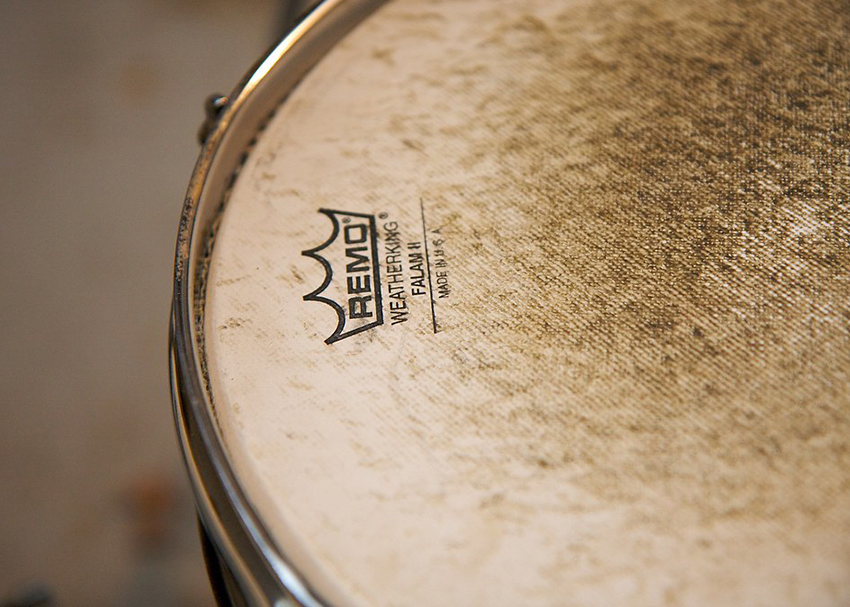
Synthetic drumheads are mainly made of polyester film. Some specialty heads use woven synthetic materials or thin polymer mesh.
Polyester is popular because it has several useful qualities:
• It has good tensile strength.
• It holds tension well.
• It resists small changes in humidity.
• It can be made in exact thicknesses.
• It works with clear and coated finishes.
• It supports consistent mass production.
Mesh heads use a woven synthetic fabric instead of a solid film. They are often used with electronic drum triggers. Mesh feels more like a real drumhead than a hard rubber pad, and it makes less acoustic noise in a home setting.
Some practice heads use rubber, silicone, or composite materials. These are designed more for quiet practice than for a full acoustic tone.
Manufacturers do not always publish the exact chemical formula or production method. The most accurate general answer is that common synthetic heads use polyester film, while special models may use other polymers or woven materials.

How Drum Skin Material Changes the Sound
The drumhead is one of the main parts that shapes a drum’s voice. The shell matters, but the head is the part that receives the strike and starts the vibration.
A thin head tends to vibrate easily. It often gives:
• More sensitivity
• A brighter attack
• Longer sustain