What Is A Drum Fill In Music: Essential Guide For Drummers
A drum fill is a short, played flourish that links sections and adds rhythmic color.
As an experienced drummer and music educator, I will explain what is a drum fill in music, how fills work, and why they matter for players and songwriters. I’ve played fills in live shows, recorded in studios, and taught students how to craft fills that tastefully support a song. Read on to get clear definitions, practical exercises, common patterns, and real-world tips you can apply right away.
What is a drum fill in music?
A drum fill is a brief, often improvised rhythmic phrase that marks a change. It can signal the end of a phrase, the start of a chorus, or add tension between sections. The role of a fill is both musical and communicative. It guides listeners and other musicians through the song.
If you search what is a drum fill in music, you'll find the same core idea: fills break repetition and add personality. They can use snare, toms, cymbals, kick drum, or any combination. A great fill fits the song’s style and supports the arrangement without overpowering it.
Typical lengths for fills are one or two bars. Simple fills use eight notes or simple triplets. Complex fills can include odd groupings and ghost notes. The key is taste and timing.

Why drum fills matter in music
Fills do more than decorate. They:
- Signal transitions between song sections.
- Add emotional punctuation, such as excitement or release.
- Maintain forward motion and prevent monotony.
- Help the band lock in feel and timing.
Knowing what is a drum fill in music improves your musical decisions. A well-chosen fill can lift a weak chorus or smooth a jarring tempo change. In my experience, the right fill at the right moment makes a song memorable. It also helps singers and instrumentalists feel where they are in the arrangement.

Common types and patterns of drum fills
Many fills follow familiar patterns. These are easy places to start.
- Single-stroke fills: alternate hands in steady notes. Good for clean, steady transitions.
- Double-stroke fills: two strokes per hand for fuller sound and flourish.
- Tom-focused fills: move around the toms for melodic motion.
- Snare-led fills: snare accents and ghost notes for subtlety.
- Cymbal crashes: used at the end of a fill to mark a hit or section change.
- Linear fills: no two limbs hit at the same time. Good for funky grooves.
When people ask what is a drum fill in music they often mean one of these types. Practice each slowly. Keep patterns musical, not showy.

How to practice drum fills (simple exercises)
To learn fills, use these steps:
- Lock with a simple groove at 60–80 BPM.
- Play a basic 4-bar pattern and add a one-bar fill at the end of every phrase.
- Start with single-stroke eighth-note fills. Keep dynamics even.
- Shift to tom patterns and add a cymbal crash on beat one.
- Practice triplet fills and uneven groupings once basic timing is steady.
Think about what is a drum fill in music function. It should be short and clear. I remember practicing fills by singing the phrase first. That helped me shape them musically. Mistakes I made early: overplaying and using fills for every phrase. Less is often more.
How fills fit into arrangement and composition
Composers ask what is a drum fill in music to decide where a fill should sit. Use fills to:
- Highlight the start of a chorus or bridge.
- Build tension before a drop.
- Add contrast after a repeated section.
- Give vocalists a phrase to breathe or cue.
Keep fills consistent with the song’s texture. A sparse acoustic ballad needs different fills than a heavy rock track. Producers often edit fills to fit the mix. This is normal. Be open to adjusting fills for arrangement needs.
Examples across genres
Hearing fills in context helps you understand them. Listen for fills like these:
- Rock: tom runs into a crash leading to the chorus.
- Funk: short, syncopated linear fills between vocal lines.
- Jazz: brush or snare rolls that resolve into the ride pattern.
- Pop: tight snare flams or short tom accents to support hooks.
- Metal: fast double-bass flourishes and blast accents.
Hearing what is a drum fill in music across styles shows how function stays the same while sound changes. Try copying a fill from a favorite song, then adapt it to your groove.
Common mistakes and how to avoid them
Beginner drummers often trip up. Watch for these errors:
- Overplaying: fills that steal the song’s focus.
- Poor timekeeping: fills that push or lag the downbeat.
- Wrong dynamics: fills that are too loud or too soft.
- Too many notes: busy fills that clutter the arrangement.
Many beginners ask what is a drum fill in music and think complexity equals quality. It rarely does. Focus on feel, timing, and serving the song.
My personal tips and lessons learned
From years on stage and in the studio, I offer these tips:
- Listen first. Match fills to the song mood.
- Count out loud. It keeps the fill tight to the bar.
- Record yourself. Small timing issues become obvious.
- Use space. A short rest before a chorus can be more powerful than a long fill.
- Practice rudiments slowly and apply them to fills.
A mistake I made early was practicing fills only at fast speeds. Slow practice builds control. Over time, fills become an expressive tool rather than a technical show.
Practical examples and simple fills to try
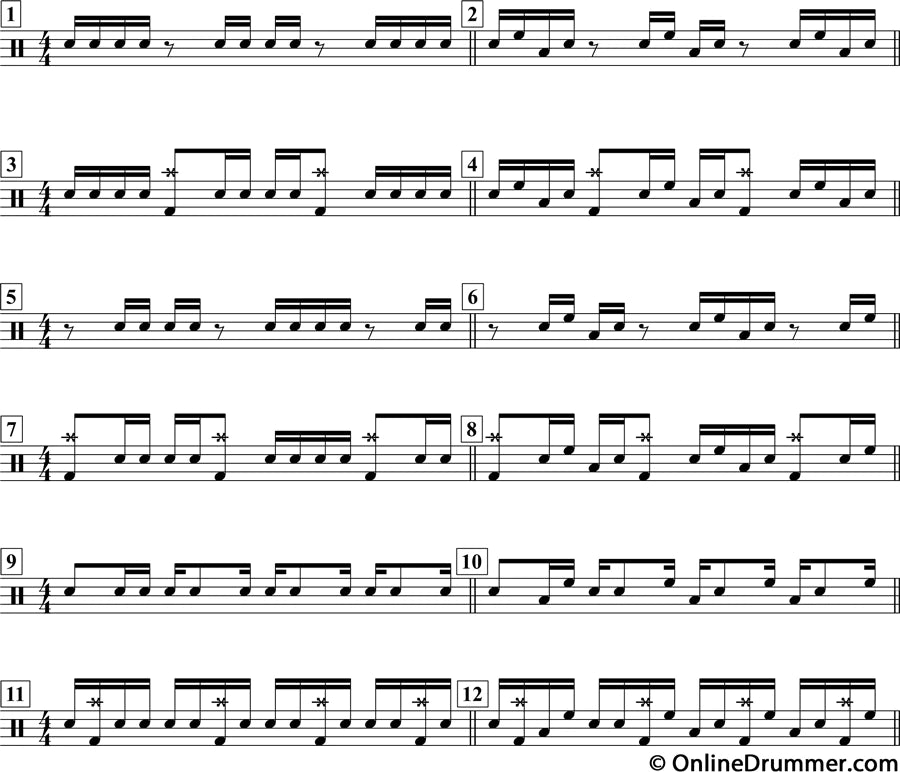
Start with these easy patterns. Each is one bar long.
- Eighth-note single-stroke: R L R L R L R L on snare/toms.
- Tom descending: high tom, mid tom, low tom, snare on beat one.
- Triplet feel: three notes per beat ending with a crash.
- Linear funk: kick, hand, kick, hand, snare, hand, cymbal.
Apply them in song practice. Swap fills between songs to build versatility.
Limitations and honest trade-offs
Fills are not a cure-all. They can clash with vocals or busy arrangements. Editing may be needed. Also, very complex fills can date a song or distract from the melody. Be honest about when a simple groove is stronger than a flashy fill.
Understanding what is a drum fill in music includes knowing its limits. Use fills to support the song, not to dominate it.
Frequently Asked Questions of what is a drum fill in music
What is the main purpose of a drum fill?
A drum fill marks transitions and adds interest. It tells listeners a section is changing and keeps energy moving.
How long should a drum fill be?
Most fills last one or two bars. Short fills are safer for pop songs; longer fills suit progressive genres.
Can any drummer create a good fill?
Yes. Good fills come from musical choices, timing, and taste—not just speed. Practice and listening matter more than pure technique.
How do you practice timing for fills?
Play fills at slow tempos with a metronome. Count the bars and record practice to check alignment with the downbeat.
Should fills always end with a crash?
No. A crash can emphasize the change, but subtle songs may work better with a snare hit or silence instead.
Conclusion
Drum fills are small but powerful tools. They guide listeners, shape song dynamics, and let drummers add personality. Learn what is a drum fill in music by listening, practicing simple patterns, and always asking if the fill serves the song. Try one new fill each week and record it. Share your progress, subscribe for more tips, or leave a comment about the fills that changed your songs.

Senior Music Reviewer
Alex Carter is a seasoned music reviewer with over a decade of experience in the world of sound and instruments. Passionate about helping musicians and enthusiasts make informed choices, he brings sharp insights and in-depth knowledge to every review. From classical instruments to modern gear, Alex combines technical expertise with a love for music to deliver content that resonates with readers.
As a Senior Music Reviewer and expert author on Tuneluma.com, Alex is dedicated to sharing honest evaluations, practical advice, and thoughtful commentary to guide readers in their musical journey.