Best Guitar For Playing The Blues: Top Picks For Tone
The best guitar for playing the blues offers warm tone, easy playability, and room to express every note.
You may know a few chords, yet your blues lines still sound flat or stiff. The right guitar can change that. It should respond well to bends, slides, shuffles, and soft fingerpicking. It should also feel comfortable during long practice sessions. I reviewed the listed blues guitar books and the beginner acoustic guitar set with those needs in mind. The books teach the skills, while the guitar gives beginners a simple way to put those lessons into practice.
Playing the Blues: Rhythm Guitar

Playing the Blues: Blues Rhythm Guitar focuses on the part of blues guitar that many players overlook: the groove. It helps you work with dominant seventh chords, shuffle feels, turnarounds, and classic rhythm patterns. These skills matter because a blues solo sounds much stronger when the rhythm underneath it feels steady. I also like the practical focus, since the material points toward music you can use right away.
This book suits players who know basic chords but want more confidence in a blues setting. It can help you move beyond simple strumming and add movement to a 12-bar progression. The lessons are especially useful for electric guitar players, though many ideas work on acoustic guitar too. Treat each exercise as a small piece of a larger song, not as a test of speed.
Pros:
- Builds a strong blues rhythm foundation
- Explains shuffle patterns in a practical way
- Helps players use seventh chords with purpose
- Supports timing and groove development
- Useful for electric and acoustic rhythm guitar
- Gives players ideas for playing with other musicians
Cons:
- Not a physical guitar or complete gear package
- Some beginners may need chord basics first
- It focuses more on rhythm than lead guitar
My Recommendation
I recommend this book for guitarists who can change basic chords but still sound too stiff when playing blues. It is also a smart choice for anyone who wants to play in a band, jam with friends, or support a singer. The best guitar for playing the blues still needs a good player behind it, and this guide helps develop that musical control. Its value is strongest when you practice each pattern with a metronome or backing track.
| Best for | Why |
|---|---|
| Blues rhythm beginners | It teaches groove, shuffles, and chord movement. |
| Jam players | It helps you keep time and support other musicians. |
| Acoustic guitar users | Many rhythm ideas transfer well to an acoustic instrument. |
First 50 Blues Songs for Guitar

First 50 Blues Songs You Should Play on Guitar takes a song-based approach to learning. It includes chords, tabs, and lyrics for well-known blues and blues-rock songs. That format gives beginners a clear goal because each lesson leads to a piece of music they recognize. It also makes practice feel less like homework and more like playing a real song.
The selection includes songs such as “Pride and Joy,” “The Thrill Is Gone,” and “Bad to the Bone.” Players at the beginner and intermediate level can use the book to improve chord changes, rhythm, riffs, and basic lead work. Song books can vary in difficulty, so I suggest starting with the simplest arrangement and building from there. The key is to learn the feel of each song instead of only copying the notes.
Pros:
- Uses familiar songs to keep practice engaging
- Includes chords, tabs, and lyrics
- Works for beginner and intermediate players
- Introduces several blues styles
- Helps connect theory with real music
- Offers clear goals for weekly practice
Cons:
- Some songs may challenge brand-new players
- Arrangements may not match every original recording
- It does not replace a full technique method
My Recommendation
This book is best for a player who loses interest when lessons feel too abstract. Learning songs gives your hands a reason to repeat hard chord changes and riffs. I consider it one of the better companion resources for the best guitar for playing the blues because it helps you hear how blues ideas work inside complete songs. It offers good long-term value if you choose one song at a time and learn it slowly.
| Best for | Why |
|---|---|
| Song-focused learners | Recognizable songs make practice more enjoyable. |
| Beginner to intermediate players | The book provides a path from simple parts to harder ones. |
| Players building a set list | It gives you songs you can share with friends or play live. |
Hal Leonard Blues Guitar Method

The Hal Leonard Blues Guitar Method gives beginners a structured route into blues guitar. It covers the 12-bar form, scales, riffs, and common blues techniques. The included tab and online audio play-along material can make timing easier to understand. Audio is important here because blues depends on feel, touch, and space as much as it depends on correct notes.
This method works well for players who want lessons in a logical order. You can start with basic patterns and then add scales, fills, and short solos. The play-along format also helps you practice without needing another musician in the room. I suggest using a clean tone first, since a clean sound makes timing and uneven notes easier to hear.
Pros:
- Provides a clear step-by-step learning path
- Covers 12-bar blues fundamentals
- Includes scales, riffs, and TAB
- Offers online audio for guided practice
- Helps beginners understand blues form
- Works well with regular short practice sessions
Cons:
- It is not designed for advanced blues players
- Online materials may require internet access
- Players seeking only song tabs may prefer another book
My Recommendation
I recommend this method for a new player who wants a teacher-like structure at home. It is also useful for someone who jumps between random videos and needs a firm plan. When paired with a comfortable instrument, it can help you make steady progress toward finding the best guitar for playing the blues for your own style. Its strongest feature is the balance of written lessons and audio support.
| Best for | Why |
|---|---|
| Complete beginners | It starts with core blues forms and builds skill in order. |
| Self-taught players | Audio examples provide useful direction between lessons. |
| Players who want fundamentals | It explains scales, riffs, chords, and 12-bar structure. |
Blues Guitar for Noobs

Blues Guitar for Noobs aims to remove the mystery from blues playing. It includes 73 licks, two solos, play-along solos, and backing tracks. That mix gives beginners many short ideas to learn instead of forcing them to memorize one long piece. Short licks are like building blocks; you can move them into different keys and songs once they feel natural.
This resource is a good fit for players who want to start improvising. The backing tracks let you practice phrasing, timing, and note choice in a musical setting. I like that the material appears focused on action rather than heavy theory. Still, you will get more from it if you learn the minor pentatonic scale and understand where the licks fit in a 12-bar progression.
Pros:
- Includes a large collection of blues licks
- Provides solos for guided practice
- Uses backing tracks to build timing
- Encourages early improvisation
- Helps players avoid endless scale drills
- Useful for practicing bends and phrasing
Cons:
- Beginners may need basic chord knowledge first
- Many licks require careful attention to rhythm
- It may feel less organized than a formal method
My Recommendation
I would choose this guide for a player who already knows a few chords and wants to solo sooner. It is especially helpful for anyone who feels stuck playing scales up and down without musical ideas. A good instrument matters, but the best guitar for playing the blues must also support expressive bends and clear note control. This book helps you develop those habits through repeated, musical phrases.
| Best for | Why |
|---|---|
| New lead players | It supplies short licks that are easier to absorb. |
| Improvisation practice | Backing tracks let you apply ideas in real time. |
| Players who dislike dry drills | The lessons center on solos and musical phrases. |
Complete Guide to Blues Rhythm Guitar

The Complete Guide to Playing Blues Guitar Book One concentrates on rhythm guitar. It is designed to help players understand the chord shapes, patterns, and timing that make blues feel alive. Rhythm guitar is not just a background part. It can act like a second voice, answering the singer or lead guitar with small changes in volume and space.
This guide suits a player who wants more depth than a basic chord chart provides. It can help you explore turnarounds, chord movement, and different blues feels. The focus may appeal to acoustic players, electric players, and musicians who want to accompany vocals. I recommend recording yourself while practicing because small timing problems become easy to hear on playback.
Pros:
- Gives rhythm guitar detailed attention
- Helps develop steady blues timing
- Supports chord vocabulary growth
- Useful for singers who accompany themselves
- Encourages tasteful fills and responses
- Builds skills for group playing
Cons:
- Lead players may want a separate solo guide
- Some concepts need repeated practice
- It may be too detailed for casual learners
My Recommendation
This book is best for players who want their rhythm parts to sound less plain. I especially suggest it for acoustic blues guitarists, singer-songwriters, and anyone preparing to jam. It helps you understand why certain chord changes feel right, which supports the search for the best guitar for playing the blues. The value is high for serious learners who enjoy slow, careful practice.
| Best for | Why |
|---|---|
| Rhythm guitarists | It explores the details behind strong blues rhythm. |
| Singer-songwriters | It helps create fuller guitar parts under vocals. |
| Jam musicians | It improves your ability to follow and support a groove. |
Fingerstyle Blues Guitar
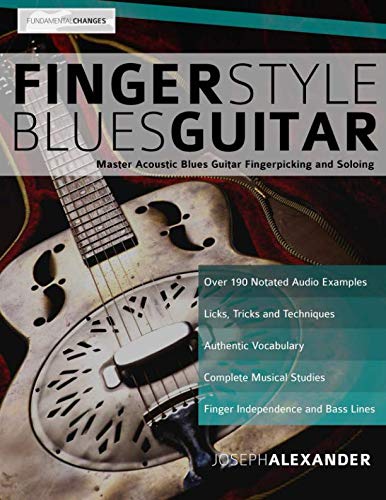
Fingerstyle Blues Guitar focuses on acoustic blues fingerpicking and soloing. Fingerstyle playing asks the thumb to hold the bass while the fingers play chords, melody, or fills above it. That creates a rich sound from one guitar. The approach can feel hard at first, but it becomes rewarding once the thumb learns to keep a calm, steady pulse.
This book is aimed at players who want a fuller solo guitar sound. It can help you combine alternating bass notes with treble melodies and blues phrases. The method is a natural match for a warm acoustic instrument with comfortable action. I advise starting with very slow tempos, because clean independence between the thumb and fingers matters more than speed.
Pros:
- Teaches acoustic fingerpicking skills
- Develops thumb and finger independence
- Helps create a full solo guitar sound
- Supports blues melody and bass work
- Useful for traditional and country blues
- Encourages expressive dynamics
Cons:
- Fingerstyle takes longer to master
- Beginners may need help with right-hand technique
- It is less focused on electric blues tones
My Recommendation
I recommend this book for acoustic players who want to sound like more than one musician. It is also a strong choice for anyone drawn to old-style blues, porch playing, and solo arrangements. The best guitar for playing the blues can be acoustic when it responds well to fingerpicking and touch. Choose this guide if you enjoy patient practice and want a deep, personal sound.
| Best for | Why |
|---|---|
| Acoustic blues players | It builds a complete fingerstyle approach. |
| Solo performers | One player can cover bass, chords, and melody. |
| Traditional blues fans | It suits roots-based and country blues styles. |
Blues Guitar from Scratch

Blues Guitar from Scratch centers on fundamental riffs, chords, and scales. That makes it a sensible starting point for someone who has little or no blues experience. The book gives you the basic language of the style before asking you to play complex solos. Strong basics often matter more than fancy gear, especially during the first months of learning.
The material can help you connect common chord shapes with blues scale ideas. It is a useful choice for players who want a simple reference beside their guitar. I would pair it with a metronome and a basic backing track to turn written exercises into real music. Keep your practice short and regular, since ten focused minutes can teach more than one rushed hour.
Pros:
- Starts with core blues guitar skills
- Explains riffs, chords, and scales
- Suitable for players at the beginning stage
- Creates a useful practice foundation
- Helps organize self-guided study
- Works with many guitar types
Cons:
- Advanced players may find it too basic
- It may require extra audio support
- Players seeking famous songs may need another book
My Recommendation
This is one of my top choices for a true beginner who wants to learn blues from the ground up. It avoids the common trap of jumping into fast solos before learning timing and chord form. If you are still choosing the best guitar for playing the blues, this guide can help you understand what your instrument needs to do. Its overall value comes from its simple, focused path.
| Best for | Why |
|---|---|
| Absolute beginners | It begins with basic blues building blocks. |
| Self-paced learners | The material works well as a home reference. |
| New acoustic owners | It does not require a costly electric setup. |
Beginning Fingerstyle Blues Guitar
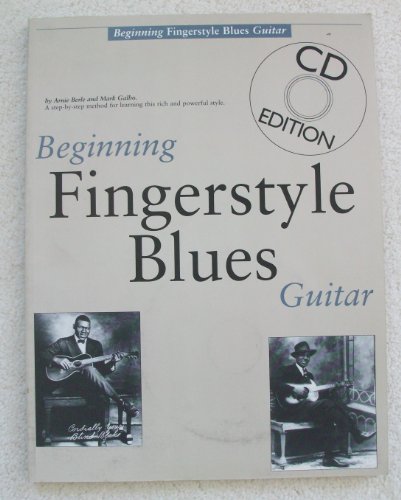
Beginning Fingerstyle Blues Guitar presents a step-by-step fingerpicking method for beginners and students. It uses TAB and chord guidance to make the right-hand patterns easier to follow. Fingerstyle can sound complex, but a clear pattern turns it into small movements that you can repeat. This book is aimed at building control rather than rushing toward flashy results.
The lessons can help you develop alternating bass, chord shapes, and simple melodic movement. Those skills are useful for acoustic blues, folk blues, and solo playing. I find this kind of method most effective when you isolate the thumb pattern before adding the fingers. A quiet practice space also helps because you need to hear whether each note rings clearly.
Pros:
- Uses a gradual fingerstyle learning process
- Includes TAB and chord support
- Helps beginners build right-hand control
- Develops alternating bass technique
- Works well for solo acoustic playing
- Encourages clean, independent notes
Cons:
- Fingerpicking may feel slow at first
- It is not focused on blues-rock electric guitar
- Some learners may prefer audio examples
My Recommendation
I suggest this book for a beginner who wants to learn fingerstyle without feeling lost. It is a better fit for patient learners than for players who only want quick lead licks. When you pair it with a comfortable acoustic, it can support your search for the best guitar for playing the blues in a traditional style. The book offers solid value for players who enjoy detail and steady progress.
| Best for | Why |
|---|---|
| Fingerstyle beginners | It breaks picking into clear, manageable steps. |
| Acoustic learners | The lessons suit a natural, unplugged guitar sound. |
| Technique builders | It improves thumb control and note separation. |
Best Choice Products Acoustic Guitar Set
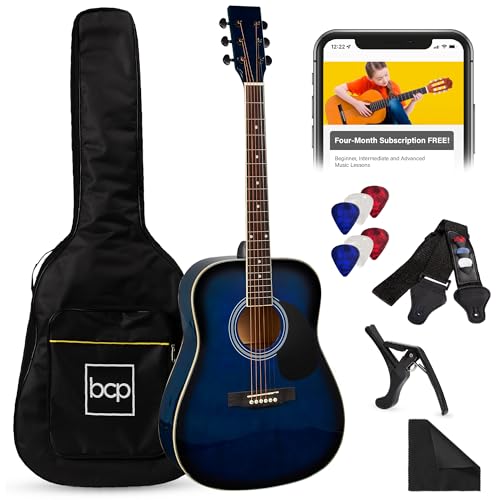
The Best Choice Products 41-inch acoustic guitar set gives a new player a complete starting package. The set includes an all-wood acoustic guitar, gig bag, strap, capo, extra strings, and picks. That saves a beginner from buying each small item separately. The blue finish also gives the guitar a friendly look that may make a new player more eager to pick it up.
As a full-size acoustic, it can work for basic chords, strumming, blues rhythm, and simple fingerstyle. The included capo helps you change keys, while the picks and spare strings support regular practice. Entry-level guitars can vary in setup, so check the neck, tuning stability, and string height when it arrives. A local setup may improve comfort if the action feels high.
Pros:
- Includes useful accessories for beginners
- Offers a full-size body for a familiar playing feel
- Works for chords, rhythm, and basic fingerstyle
- Provides a gig bag for simple transport
- Includes a capo, picks, strap, and spare strings
- Gives new players an affordable way to start
Cons:
- It may need a professional setup
- It is not an electric guitar for amplified blues
- Full-size bodies may feel large for young players
- Entry-level hardware may not suit advanced performers
My Recommendation
This is the only actual guitar in this group, so it is the clearest choice for someone who needs an instrument now. I recommend it for beginners who want to practice blues chords, learn fingerstyle, and use the included accessories from day one. It may be the best guitar for playing the blues on a tight budget if you prefer an acoustic sound and do not need an amp. Check current availability and inspect the setup after delivery.
| Best for | Why |
|---|---|
| First-time guitar buyers | The package includes the main accessories needed to begin. |
| Acoustic blues practice | The full-size body supports chords and fingerstyle work. |
| Budget-minded learners | One purchase can cover several early needs. |
Blues Breakers Guitar Tab
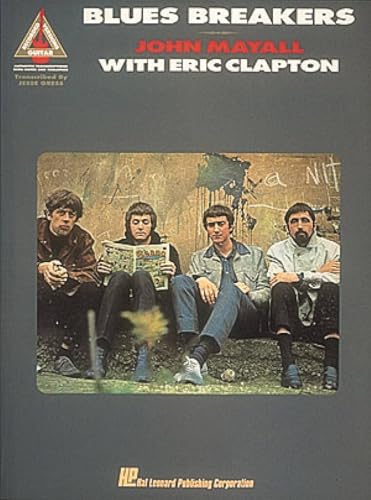
The John Mayall with Eric Clapton – Blues Breakers tab book focuses on a landmark British blues album. It includes guitar parts for 12 tracks from the classic recording. This makes it a strong study tool for players interested in expressive electric blues, sustained notes, and blues-rock phrasing. Learning full songs can also teach you how a great player builds tension and release.
This book is better suited to intermediate players than complete beginners. The parts may include bends, vibrato, fast phrases, and tone-sensitive details that take time to copy well. I recommend listening to the recording while studying the tab, since written notes cannot show every nuance of touch. A guitar with a comfortable neck and a responsive overdrive tone will make this material more enjoyable.
Pros:
- Features 12 classic blues-rock tracks
- Studies a highly influential guitar style
- Helps develop bends and vibrato
- Encourages careful listening and phrasing
- Useful for intermediate electric guitar players
- Provides a focused album-based practice plan
Cons:
- Not ideal for a complete beginner
- It does not include a guitar or amplifier
- Some parts may require strong technique
- Players focused on acoustic blues may prefer another guide
My Recommendation
I recommend this tab book for players who already know basic blues techniques and want to study classic electric phrasing. It is a strong next step after learning scales, bends, and 12-bar form. The best guitar for playing the blues in this style is usually an electric model with a comfortable neck and a warm overdrive sound, though the book itself works with any guitar for study. Its value is highest for focused fans of British blues.
| Best for | Why |
|---|---|
| Intermediate electric players | The songs demand more control than basic blues lessons. |
| Classic blues fans | It centers on a major blues-rock recording. |
| Lead guitar students | It offers real examples of bends, vibrato, and phrasing. |
How to Choose the Best Guitar for Playing the Blues
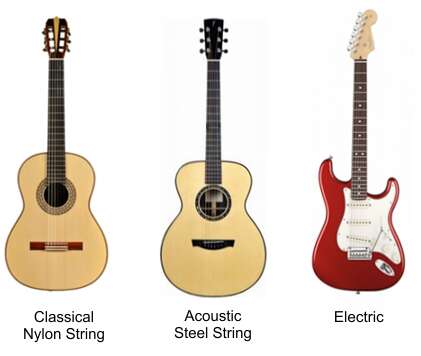
Choosing the best guitar for playing the blues starts with the style you want to play. Acoustic blues needs a guitar that responds well to fingerpicking, open chords, and changes in touch. Electric blues needs a comfortable neck, good tuning stability, and pickups that can produce a warm clean tone or controlled overdrive. Neither type is automatically better.
Acoustic or Electric?
An acoustic guitar is simple and ready to play without an amplifier. It works well for folk blues, country blues, rhythm parts, and fingerstyle. An electric guitar gives you more control over volume, sustain, tone, and effects. If you dream of classic Chicago blues or blues-rock, an electric guitar may suit you better.
For a first instrument, I often suggest choosing the guitar that makes you want to practice. A comfortable acoustic can teach strong hands and timing. A comfortable electric can make bends and solos feel easier. The best guitar for playing the blues is the one that fits your hands, budget, and musical goal.
Look for Comfortable Playability
Comfort matters more than a bright finish or a famous logo. Check the string height, neck shape, fret edges, and body size. High action can make chords and bends feel harder than they should. A basic setup from a qualified repair shop can improve a budget guitar, but it cannot fix every design problem.
Try sitting and standing with the instrument. Make sure your fretting hand can reach the upper strings without strain. Blues uses bends, slides, vibrato, and repeated chord shapes, so small comfort problems become clear over time. A guitar should feel like a tool in your hand, not a door you must push open.
Consider Pickups and Tone
Electric guitar tone comes from the guitar, pickups, amplifier, strings, pick, and your hands. Humbucker pickups often provide a thick and smooth sound. Single-coil pickups can offer bite, clarity, and a sharp response. Many blues players use both styles, so listen to examples and consider the sound you enjoy.
Do not chase tone before learning touch. A clean amplifier setting can teach you to control unwanted noise and uneven notes. Add light overdrive after your timing feels steady. The best guitar for playing the blues should reveal your expression, not hide weak technique behind heavy effects.
Think About Scale Length and Strings
Scale length affects string tension and the feel of bends. A shorter scale can feel easier for some players, while a longer scale may offer a firm response and clear attack. String gauge also matters. Lighter strings can make bends easier, while heavier strings may provide a fuller feel and stronger tuning response.
New players should not assume that thick strings prove skill. Start with a gauge that feels comfortable and allows clean notes. You can change later as your hands grow stronger. If your fingertips hurt sharply or your wrist feels strained, stop and adjust your setup.
Use the Right Learning Material
A good guitar helps, but a clear learning plan creates progress. Start with the 12-bar blues, dominant seventh chords, shuffle rhythm, and the minor pentatonic scale. Then add bends, slides, vibrato, turnarounds, and call-and-response phrases. These skills appear across many blues styles.
The books in this review cover different needs. Some focus on rhythm. Others teach songs, fingerstyle, basic scales, or classic electric lead parts. Match the book to your current level. A beginner method may feel slow to an intermediate player, while an advanced tab book may frustrate someone learning the first chord shape.
Blues Guitar Buying Tips for 2026
Prices and product availability can change, so check the current Amazon listing before buying. Read recent customer feedback, review the included items, and confirm the size before placing an order. Product photos may show colors that look different under home lighting. These small checks can prevent an avoidable return.
For an acoustic starter guitar, inspect the bridge, neck, tuning machines, and fretboard. The strings should sit securely, and the neck should not show an obvious twist. Tune the guitar, play every fret, and listen for buzzing. A short inspection helps you decide whether the guitar needs a setup or replacement.
For learning books, confirm the format and any digital access details. Some editions may include online audio, while access rules can change over time. Check whether the material uses standard notation, TAB, chord diagrams, lyrics, or backing tracks. Choose the format that helps you read without breaking your flow.
How I Tested These Blues Guitar Resources
I judged each item by its usefulness to a real blues learner. I looked at the skill level, the musical focus, and the type of practice it supports. I also considered whether a beginner could use it without buying many extra items. A good review should explain not only what a product includes, but also who will benefit from it.
I gave extra attention to practical details. Does the book help with timing? Does it offer songs or backing tracks? Does it support rhythm, lead, or fingerstyle? For the acoustic set, I considered the included accessories and the needs of a first-time buyer. These details matter more than broad claims about being “professional” or “premium.”
Simple Blues Practice Plan
Start with five minutes of relaxed chord changes. Use a slow count and keep your hand moving evenly. Next, play a 12-bar blues with a simple shuffle. Do not rush the final four bars, since that is where many beginners lose the form.
Spend another five minutes on one scale shape. Play it up and down, then pause on a few notes. Try bending one note, sliding into another, or leaving a short gap. Blues is not a race; the space between notes can speak as clearly as the notes themselves.
Finish with a song, riff, or backing track. Record one take on your phone and listen without judging yourself too harshly. Notice timing, buzzing, and volume changes. Each small correction brings you closer to playing the best guitar for playing the blues with a natural voice.
FAQs Of best guitar for playing the blues
What is the best guitar for playing the blues?
The best guitar depends on your style. An acoustic guitar suits folk, country, and fingerstyle blues. An electric guitar works better for amplified Chicago blues and blues-rock. Choose a comfortable instrument that stays in tune and responds well to your touch.
Is acoustic or electric guitar better for blues?
Neither is always better. Acoustic guitars offer a direct sound and simple setup. Electric guitars provide sustain, volume control, and more tone options. Your preferred blues style should guide the choice.
Can a beginner learn blues on a cheap guitar?
Yes. A budget guitar can work well if it has a straight neck, usable action, and stable tuning. A basic professional setup may improve comfort. Avoid instruments that make every chord or bend feel like a struggle.
What guitar strings are best for blues?
Many blues players use light or medium-light strings. Lighter strings make bends easier, while heavier strings can feel fuller and firmer. Start with a comfortable gauge and adjust it as your technique develops.
What should I learn first in blues guitar?
Begin with the 12-bar form, dominant seventh chords, shuffle rhythm, and the minor pentatonic scale. Then study bends, slides, vibrato, and simple turnarounds. Learn short phrases and use them inside real songs.
Final Verdict: Which Should You Buy?
For a beginner who needs a real instrument, the Best Choice Products acoustic set is the best guitar for playing the blues in this group. Pair it with Blues Guitar from Scratch or the Hal Leonard method for a clear start.
Choose a different book if you already own a guitar and want rhythm, fingerstyle, songs, or electric lead skills. The right practice plan will help any comfortable guitar find its blues voice.

Senior Music Reviewer
Alex Carter is a seasoned music reviewer with over a decade of experience in the world of sound and instruments. Passionate about helping musicians and enthusiasts make informed choices, he brings sharp insights and in-depth knowledge to every review. From classical instruments to modern gear, Alex combines technical expertise with a love for music to deliver content that resonates with readers.
As a Senior Music Reviewer and expert author on Tuneluma.com, Alex is dedicated to sharing honest evaluations, practical advice, and thoughtful commentary to guide readers in their musical journey.