Is Donner A Good Guitar Brand: Honest Review And Tips
Donner is a good guitar brand for beginners and budget players who want solid features at a low price.
The answer depends on your goals, playing level, and expectations. After reviewing the build choices, common models, customer feedback, and value offered by budget guitar makers, I find that Donner guitars can be smart starter instruments—but they are not equal to every established mid-range brand. This guide explains where Donner performs well, where it cuts costs, and which players should consider one.
What Is Donner?
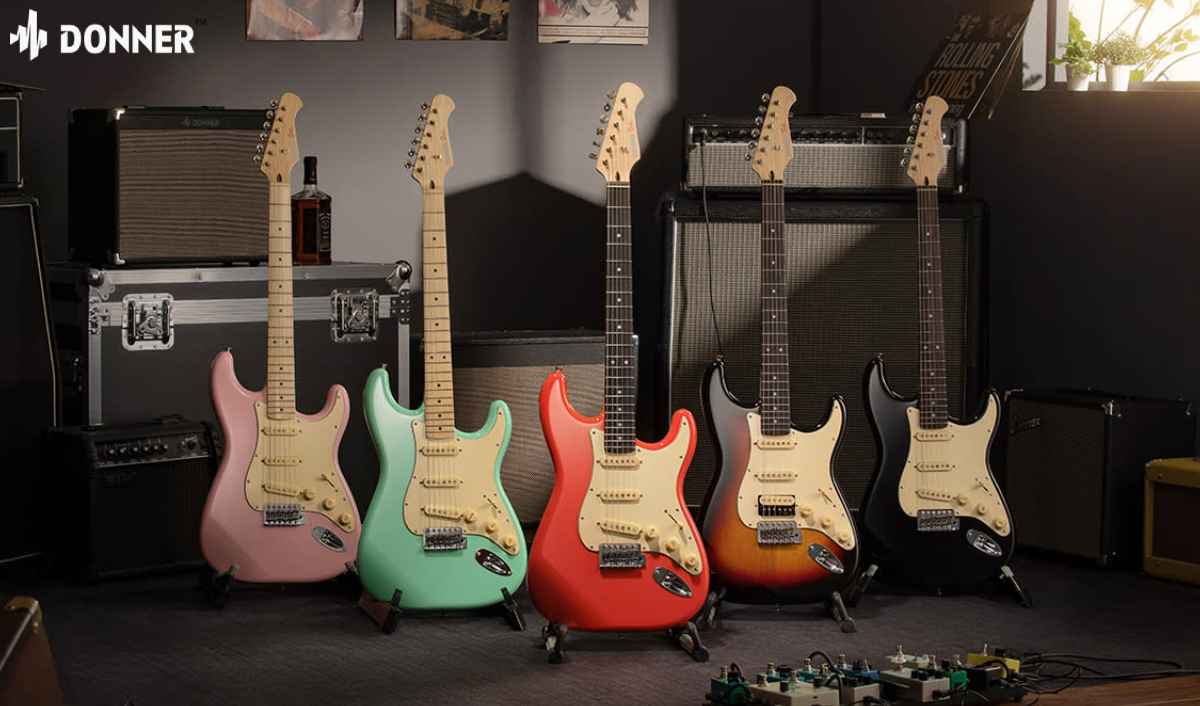
Donner is a music gear company known for affordable guitars, keyboards, pedals, accessories, and recording equipment. The brand sells mainly through online retailers and direct-to-consumer channels, which helps keep prices low.
Donner guitars often target beginners, casual players, home musicians, and people who need a backup instrument. Its product range includes acoustic guitars, electric guitars, starter packs, travel guitars, and compact instruments.
The brand competes with other budget names such as Yamaha’s entry-level range, Squier, Epiphone, Harley Benton, and Ibanez’s lower-priced models. Each brand has strengths, so the best choice depends on the guitar type and the player’s needs.
When people ask, “Is Donner a good guitar brand?” they usually want to know three things:
• Does it stay in tune?
• Is it comfortable to play?
• Will it sound good enough to support learning?
For many Donner models, the answer is yes, with one important condition: the guitar may need a basic setup after purchase.
Is Donner a Good Guitar Brand for Beginners?
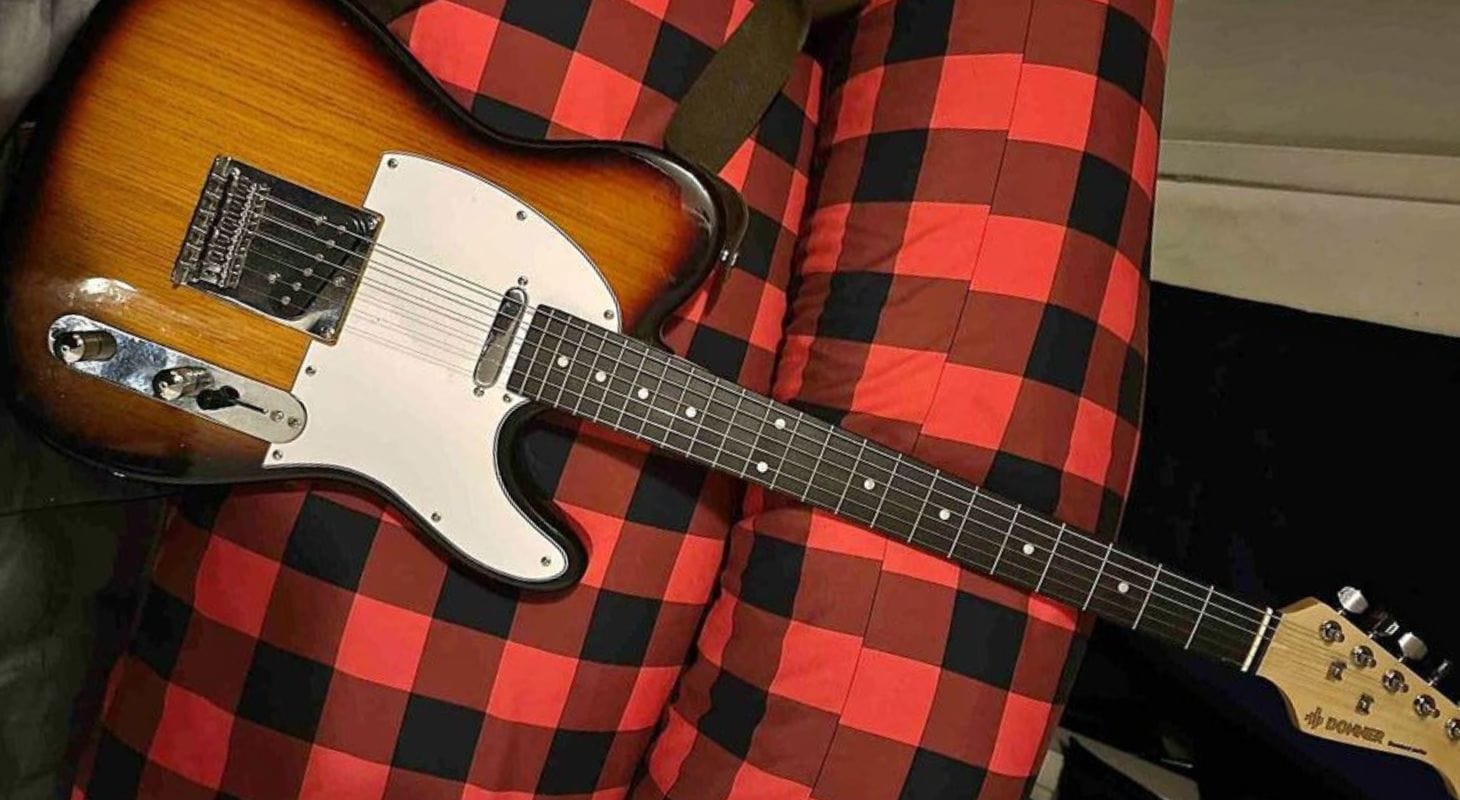
For beginners, Donner can be a good guitar brand because it offers playable instruments at prices that reduce the risk of starting a new hobby.
A new player may not want to spend hundreds of dollars before knowing whether guitar will become a long-term interest. A lower-cost Donner guitar can make that first step easier. Some packages also include a gig bag, strap, picks, cable, tuner, or small amplifier.
That said, the cheapest package is not always the best deal. A very low price can mean weaker tuning machines, rough fret ends, thin strings, or inconsistent setup work. These problems can make learning harder because the player may blame themselves for notes that sound sharp, flat, or uncomfortable.
A good beginner guitar should have:
• A neck that feels straight
• Frets with smooth edges
• Strings that sit at a comfortable height
• Tuning machines that hold pitch reasonably well
• Electronics that work without loud noise
• A body that feels comfortable when seated
Donner meets these needs on many models, but quality control can vary more than it does with premium brands. Buying from a seller with a clear return policy is wise.
From a practical testing point of view, the first thing to check is not the finish or color. Play every fret, tune the guitar, and check whether the notes remain clear. A simple setup can often turn an average budget guitar into a much better learning tool.

Donner Guitar Quality: What Should You Expect?
Donner guitar quality is generally fair to good for the price. The company spends less on materials, labor, and final inspection than premium builders, so buyers should keep expectations realistic.
The wood used in an affordable guitar is not automatically bad. Many budget guitars use common tonewoods or engineered materials that can produce a pleasant sound. The larger concern is consistency. Two guitars of the same model may feel slightly different because of fretwork, neck relief, saddle height, or factory adjustment.
Build quality
Most Donner guitars have attractive finishes and a modern look. Visual quality is often one of the brand’s strongest points. However, appearance does not tell you whether the neck is stable or the frets are well finished.
Inspect these areas when the guitar arrives:
• Look for cracks near the bridge and neck joint.
• Check that the bridge is firmly attached.
• Run a finger lightly along the fret edges.
• Make sure the neck does not twist from side to side.
• Test all switches, knobs, and pickups on electric models.
Playability
Playability is where setup matters most. The action, or string height, may be higher than ideal from the factory. High action makes the strings harder to press and can cause hand fatigue.
A guitar technician can adjust the neck, bridge, nut, and intonation. This service may cost extra, but it can be worthwhile. In many cases, a setup matters more than upgrading to a slightly more expensive model.
Hardware
Donner hardware is suitable for normal home use. Tuning machines and bridges may not feel as smooth or robust as those on a professional guitar, but they can work well for practice, lessons, and small performances.
Heavy touring and frequent temperature changes are more demanding. If you play several hours every day or travel often, a sturdier guitar may provide better long-term value.

Donner Acoustic Guitars
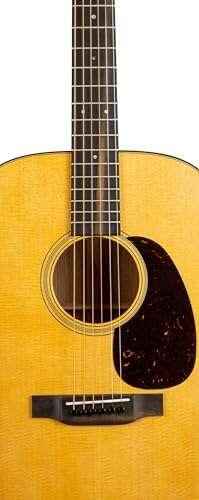
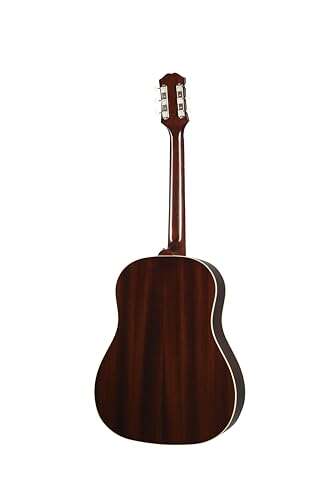
Donner acoustic guitars are often appealing to new players because they offer a full-size guitar experience at a modest price.
Many models produce a bright, clear sound that works well for chords, folk songs, worship music, and basic strumming. Some smaller models are easier for children or players with shorter arms.
The main factors to consider are:
• Body size: Dreadnought guitars sound loud and full but may feel large.
• Concert size: Smaller bodies are often more comfortable and balanced.
• String type: Steel strings are common, while classical models use nylon.
• Neck shape: A slim neck may help beginners form chords.
• Action: Lower action is easier to play, but too low can cause buzzing.
Acoustic Donner guitars may sound less rich than more expensive instruments. They can also have less volume and sustain. Still, those limits may not matter much during the first year of learning.
One common mistake is choosing a large dreadnought only because it looks traditional. If the guitar feels uncomfortable, the player may practice less. Comfort is not a minor feature; it directly affects progress.
Donner Electric Guitars
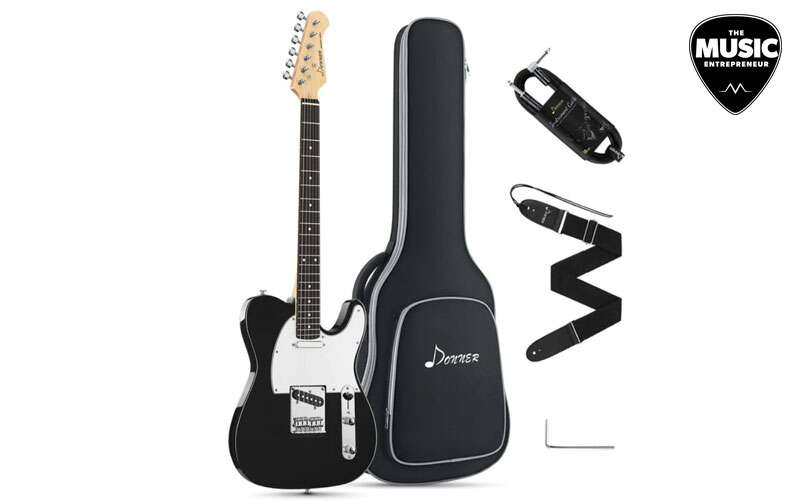
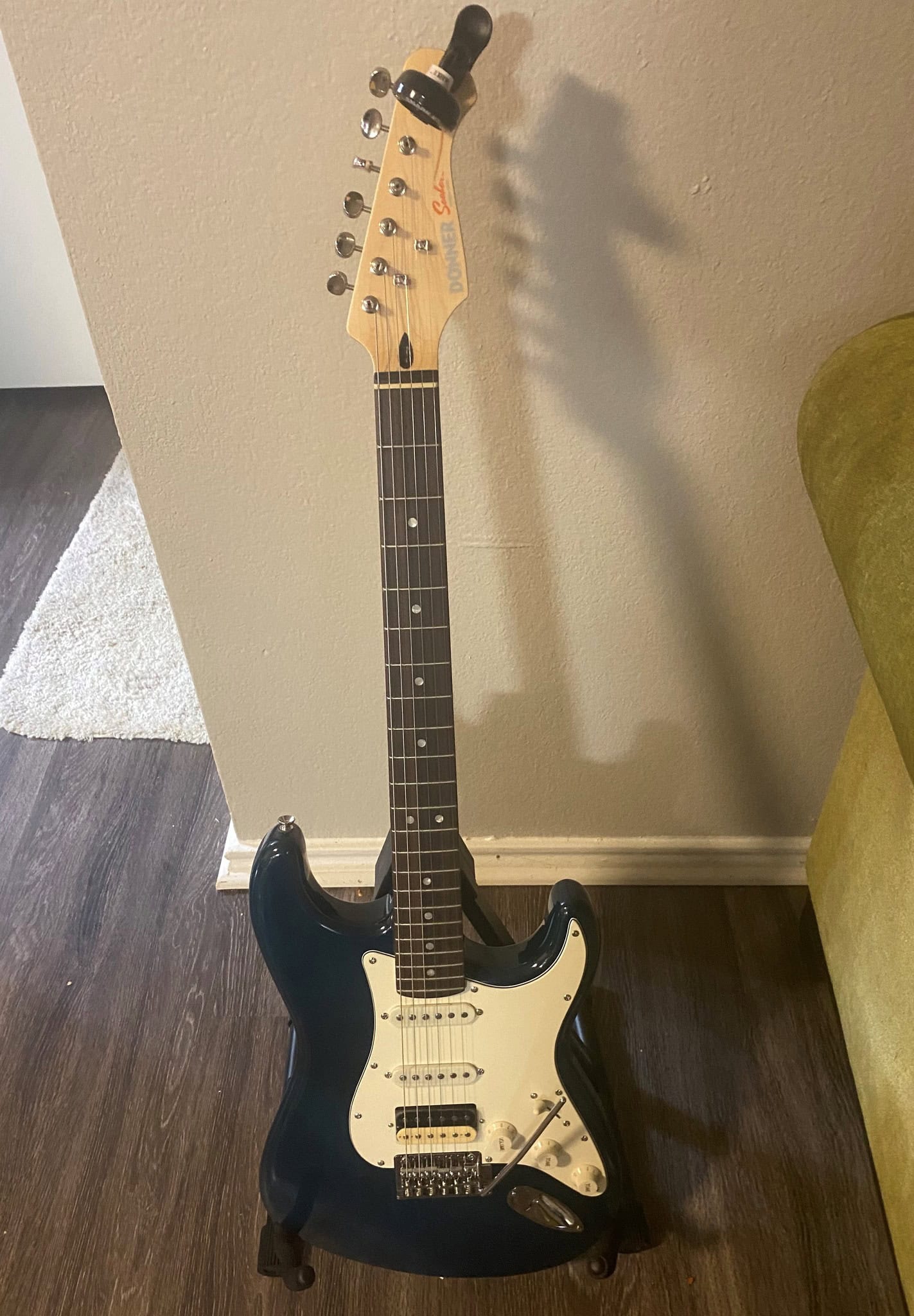
Donner electric guitars can offer strong value for beginners who want to explore rock, blues, pop, metal, or indie music.
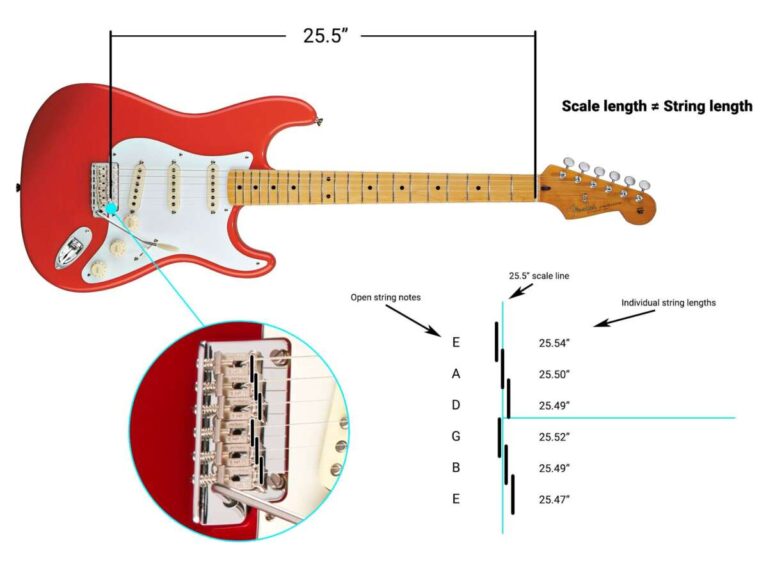
Many entry-level electric models use familiar designs with single-coil or humbucker pickups. Single-coil pickups often sound bright and clear. Humbuckers usually provide a thicker tone with less single-coil hum.
A Donner electric guitar may be a good choice if you want:
• A low-cost first electric guitar
• A backup instrument
• A platform for learning chords and riffs
• A guitar for home recording
• A simple instrument for experimenting with effects
The amplifier matters just as much as the guitar. A cheap guitar connected to a poor amplifier may sound disappointing. A modest guitar through a decent practice amp, with a clean setup, can sound much better.
Check the electronics carefully. Turn each knob, select every pickup position, and listen for crackling or sudden volume loss. Some noise is normal with single-coil pickups, but loud hum, cuts, or weak output may signal a problem.
For beginners, Donner electric guitars can be good learning tools. For demanding stage work, professional recording, or constant touring, a higher-priced instrument may offer better tuning stability and more reliable hardware.

Donner Guitar Pros and Cons
The clearest way to judge whether Donner is a good guitar brand is to compare its benefits with its limits.
Advantages of Donner guitars
• Affordable prices for first-time buyers
• Attractive colors and modern designs
• Starter bundles with useful accessories
• Many acoustic and electric options
• Easy access through online stores
• Good value for casual practice
• Suitable for lessons and home use
• Low financial risk for new players
Disadvantages of Donner guitars
• Quality can vary between individual instruments
• Factory setups may be inconsistent
• Some hardware may wear faster than premium parts
• Resale value is usually lower
• The included accessories may be basic
• Very cheap models may need immediate adjustment
• Customer support and returns depend on the seller
The biggest lesson is that price and quality are not opposites, but they are connected. Donner keeps prices low by making practical compromises. Those compromises are acceptable for some players and frustrating for others.

How Donner Compares With Other Guitar Brands
Donner sits in the budget section of the guitar market. Comparing it with the right brands creates a fairer picture.
Donner vs. Yamaha
Yamaha entry-level guitars are often praised for consistent construction, dependable quality control, and strong acoustic tone. Donner may cost less or include more accessories, but Yamaha can be the safer choice for someone who wants fewer setup concerns.
Donner vs. Squier
Squier is Fender’s affordable guitar line. It is a strong option for players who want classic Fender shapes, familiar pickup designs, and access to a large replacement-parts market. Donner may offer lower prices, but Squier often has broader long-term support.
Donner vs. Epiphone
Epiphone is connected to Gibson and offers affordable versions of classic Gibson-style guitars. Donner can be cheaper, but Epiphone may provide more established designs, stronger resale demand, and wider recognition among musicians.
Donner vs. Harley Benton
Harley Benton is also known for budget-friendly guitars sold mainly online. Both brands can offer impressive value, but model quality varies. Reviews for the specific guitar are more useful than general brand opinions.
Donner vs. Ibanez
Ibanez is especially popular with players who want fast necks, modern electric designs, and extended-range guitars. Donner may be better for a basic starter budget, while Ibanez is often a stronger choice for serious electric guitar development.
The right comparison is model against model, not logo against logo. A well-set-up Donner can feel better than a poorly adjusted guitar from a more famous brand.
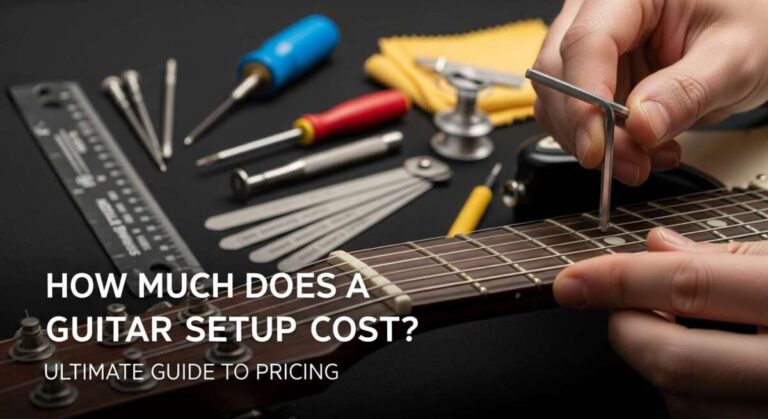
Do Donner Guitars Need a Setup?
Many Donner guitars benefit from a professional setup, especially when bought online.
Shipping exposes the guitar to changes in temperature and humidity. Wood can expand or contract, and strings can lose tension. Even a guitar that left the factory in good condition may arrive needing adjustment.
A basic setup may include:
-
Checking neck relief
-
Adjusting string height
-
Setting the intonation
-
Filing or smoothing fret edges
-
Adjusting the nut and saddle
-
Replacing old or poor-quality strings
-
Testing the electronics
Do not immediately file frets or change hardware yourself unless you understand the process. A small mistake can cause permanent damage. For a new player, a local guitar technician is usually the safest option.
You can perform a few simple checks at home. Tune the guitar, play each fret, listen for buzzing, and compare the twelfth-fret note with the harmonic. These checks will not replace a full setup, but they can reveal obvious problems.
Who Should Buy a Donner Guitar?
Donner is a good guitar brand for several types of players.
Donner may suit you if:
• You are buying your first guitar.
• You have a limited budget.
• You want to test guitar before making a larger investment.
• You need a spare instrument.
• You mainly play at home.
• You enjoy modifying or upgrading instruments.
• You want a starter pack with basic accessories.
Consider another brand if:
• You need a guitar for professional touring.
• You want high resale value.
• You expect perfect factory setup.
• You need advanced electronics or premium hardware.
• You already know exactly what neck, pickups, and tone you prefer.
• You want a guitar that can last through years of heavy stage use without upgrades.
A Donner guitar can be a starting point, not a final destination. Many players begin with a budget instrument, learn what they like, and upgrade later with much better knowledge.
How to Choose the Best Donner Guitar
Choosing the right model is more important than choosing the brand alone.
Use this simple process:
-
Decide between acoustic and electric. Choose acoustic for simple portability and unplugged playing. Choose electric if you want effects, lighter strings, or band-style music.
-
Choose a comfortable body size. Smaller players may prefer a concert, travel, or compact body.
-
Read reviews for the exact model. Look for comments about tuning, fretwork, action, and electronics.
-
Check the return policy. Online guitar purchases always carry some uncertainty.
-
Budget for a setup. Even a low-cost adjustment can improve the playing experience.
-
Buy a reliable tuner and fresh strings. These small upgrades make a noticeable difference.
-
Inspect the guitar as soon as it arrives. Do not wait several weeks to report shipping damage or defects.
Avoid choosing only by color, accessory count, or the lowest price. A comfortable neck and clean fretwork will help you learn more than a flashy finish.
Are Donner Guitars Worth Upgrading?
Some Donner guitars are worth upgrading, but you should calculate the total cost first.
Useful upgrades may include:
• Better strings
• A professional setup
• Improved tuning machines
• A new nut
• Higher-quality pickups
• A stronger bridge
• Better control knobs and switches
A setup and fresh strings are usually the best first steps. Replacing every piece of hardware may cost more than the guitar is worth.
For example, if a Donner electric guitar needs several hundred dollars in parts and labor, compare that total with a higher-level Squier, Yamaha, Ibanez, or Epiphone. Upgrading should improve the instrument, not become an expensive repair project.
The best upgrade is often learning how to adjust your technique. A budget guitar can sound far better when it is tuned correctly, played with a relaxed hand, and paired with a suitable amplifier.
Common Mistakes to Avoid
Many disappointing guitar purchases come from incorrect expectations rather than a completely bad instrument.
Avoid these mistakes:
• Assuming every Donner guitar has identical quality
• Buying without checking the return policy
• Ignoring fret buzz or sharp fret edges
• Choosing a guitar that is too large
• Blaming the guitar for poor tuning caused by old strings
• Spending heavily on upgrades before learning the instrument
• Comparing a budget guitar with a professional custom model
• Forgetting the cost of a setup, case, tuner, and replacement strings
A guitar should make practice easier, not feel like a punishment. If the instrument causes pain, buzzes badly, or will not stay in tune after proper adjustment, return it or have it inspected.
Frequently Asked Questions About Is Donner a Good Guitar Brand
Is Donner a good guitar brand for complete beginners?
Yes, Donner can be a good guitar brand for complete beginners because its instruments are affordable and easy to access. Choose a model with good reviews, a return policy, and enough budget for a basic setup if needed.
Do Donner guitars stay in tune?
Many Donner guitars stay in tune well enough for home practice when the strings are installed correctly and the guitar is properly adjusted. Tuning stability may be weaker than on expensive guitars, especially on very low-priced models.
Are Donner acoustic guitars good for the money?
Donner acoustic guitars can offer good value for basic strumming, lessons, and casual playing. Their tone, volume, and finish may not match established mid-range brands, but they can work well as affordable starter instruments.
Are Donner electric guitars good for beginners?
Yes, Donner electric guitars can be useful for beginners who want to learn rock, blues, pop, or metal. Pairing the guitar with a decent practice amplifier and having the instrument set up will improve the experience.
Is Donner better than Yamaha?
Donner is not generally better than Yamaha in consistency or long-term reliability. Donner may offer a lower price, while Yamaha often provides stronger quality control and dependable beginner instruments.
How long will a Donner guitar last?
A Donner guitar can last for many years with proper storage, regular tuning, and basic maintenance. Heavy use, humidity changes, and rough handling may shorten its life, particularly on models with lower-cost hardware.
Conclusion
So, is Donner a good guitar brand? For beginners, casual players, and budget-conscious musicians, the answer is often yes. Donner guitars provide accessible prices, attractive designs, and enough quality to support practice, lessons, home recording, and early performances.
The main limitation is consistency. Some instruments arrive ready to play, while others need a setup or minor adjustment. Compare the exact model, read detailed reviews, inspect the guitar on arrival, and avoid assuming that the cheapest package is the best value.
If you are starting guitar, a Donner can be a sensible first step. Choose comfort and playability over appearance, then spend time learning before deciding whether you need an upgrade. Explore more guitar guides, compare specific Donner models, and share your experience with other players before making your final choice.

Senior Music Reviewer
Alex Carter is a seasoned music reviewer with over a decade of experience in the world of sound and instruments. Passionate about helping musicians and enthusiasts make informed choices, he brings sharp insights and in-depth knowledge to every review. From classical instruments to modern gear, Alex combines technical expertise with a love for music to deliver content that resonates with readers.
As a Senior Music Reviewer and expert author on Tuneluma.com, Alex is dedicated to sharing honest evaluations, practical advice, and thoughtful commentary to guide readers in their musical journey.