What Are Guitar Strings Made Of: A 2026 Material Guide
Guitar strings are primarily made of steel, nickel, copper, and nylon, wound around a solid metal or synthetic core.
I have spent the better part of two decades hunched over a workbench, swapping out sets of strings on everything from beat-up acoustic beaters to high-end electric instruments. Early in my playing days, I treated strings like generic commodities, but I quickly learned that what are guitar strings made of determines everything from your tone to your finger fatigue. Understanding the materials involved is not just for luthiers; it is a vital skill for any guitarist who wants to control their sound. Whether you are chasing that bright, biting chime or a warm, mellow jazz tone, knowing the physics behind these thin strands of metal and plastic will change how you play. Let us pull back the curtain on how these essential components are crafted.
The Chemistry of Electric Guitar Strings
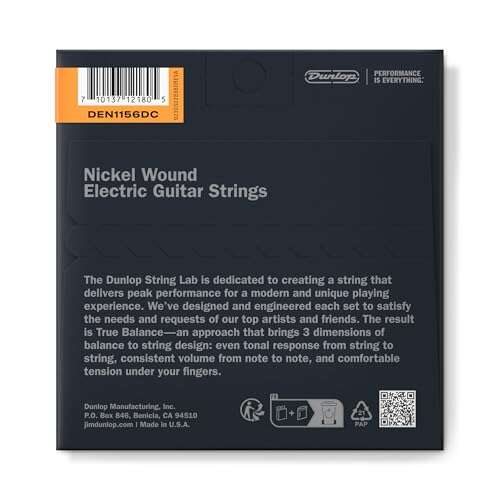
Electric guitar strings must be magnetic to interact with your pickups. That single requirement shapes the alloys and designs string makers choose. Most electric strings use a steel core for strength, tone, and stable string tension. The wrap wire—what you touch and hear—varies by alloy and finish.
Here are the common materials and how they affect tone, playability, and durability:
- Nickel-plated steel: The most common wrap. It blends the bright attack of steel with the smoother feel of nickel. It works well for most styles and balances clarity with comfort.
- Pure nickel: Favored by vintage tone hunters. Pure nickel sounds warmer and less bright than plated steel. It feels softer on the fingers and suits blues and classic rock tones.
- Stainless steel: Very bright and crisp. It resists corrosion well, so it lasts longer for players with acidic sweat. It can feel slightly rougher under the fingers at first.
- Coated wraps: Thin polymer coatings (see the coating section below) add corrosion resistance and extend string life. They can slightly reduce initial brightness but preserve tone over time.
I remember the first time I switched to stainless steel: my slides had more friction, and I had to adapt. The trade-off was better note definition and longer life. These are practical choices: if you gig a lot, stainless or coated nickel-plated steel can save you time and money.
Magnetics, pickups, and string materials
Pickups “read” string vibrations via magnetic fields. That is why pure copper or non-ferrous wraps (unless plated over a magnetic core) won’t work well for standard electric pickups. For players using piezo or acoustic-electric systems, non-magnetic materials may be fine. If you care about pickup output, stick with magnetic materials: steel cores with nickel or stainless wraps are the safe choices.
The Anatomy of Acoustic Guitar Strings
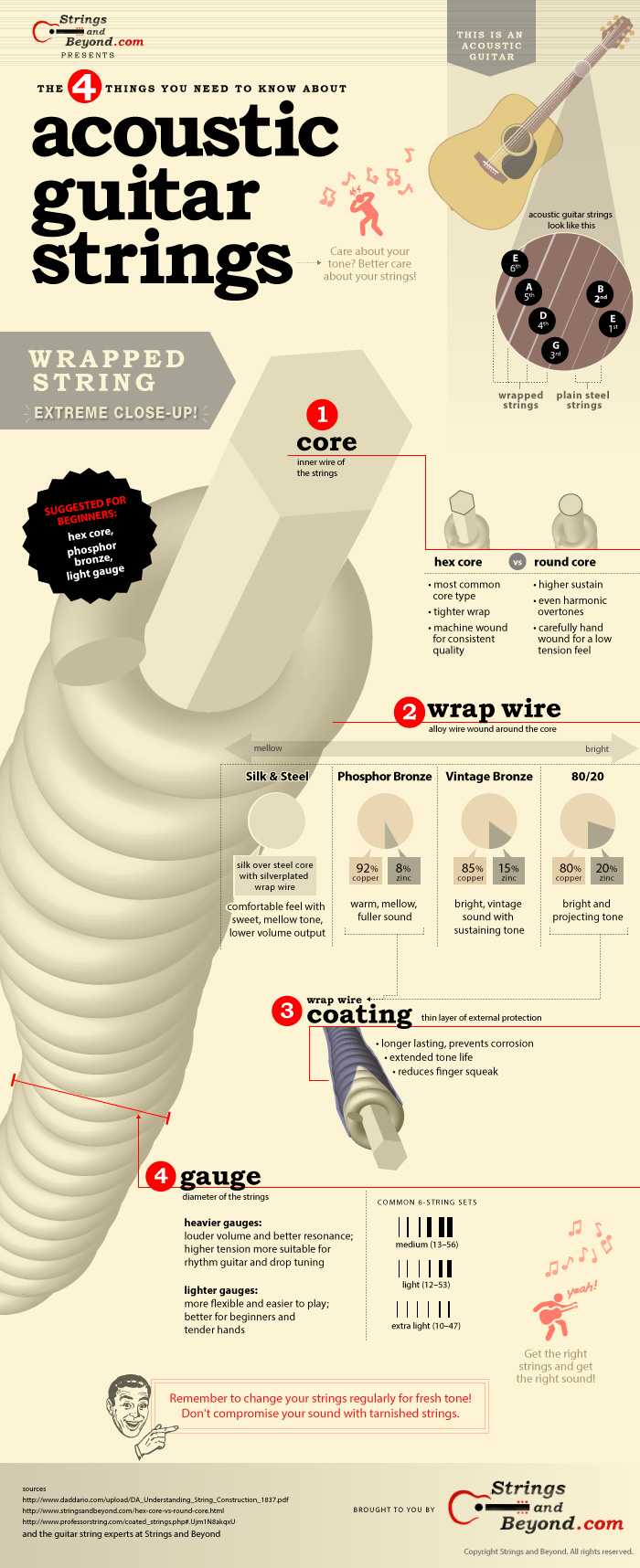
When you look at what are guitar strings made of for acoustic instruments, the priorities shift. On steel-string acoustics, makers aim for resonance, projection, and harmonic balance. The core is usually steel, but the wrap wire uses bronze alloys that shape the top-end and decay.
The most common acoustic wrap alloys are:
- Phosphor bronze: Copper, tin, and a touch of phosphorus. It gives a warm, balanced sound with good sustain. It resists corrosion better than plain bronze, so it keeps its tone longer.
- 80/20 bronze (brass): 80% copper, 20% zinc. Bright and punchy at first, with strong treble presence. It tends to lose sparkle faster because the metal oxidizes more quickly.
I prefer 80/20 bronze on small-bodied guitars when I need to cut through a mix. For larger or darker-sounding guitars, phosphor bronze usually complements the wood better and lasts longer on the gig.
Winding styles and feel
Beyond the alloy, manufacturers use different winding methods: roundwound, flatwound, and halfwound (groundwound). Roundwounds have the brightest tone and more finger noise. Flatwounds are smoother and darker. Halfwounds offer a middle ground. Choosing the winding type matters as much as the alloy for tone and play feel.

The Unique World of Classical Guitar Strings
Classical guitars use nylon strings. They avoid steel tension so the neck and top stay safe. Nylon strings offer lower tension, a gentle feel, and a warm, rounded tone well suited for classical and flamenco styles.
The typical classical set is built like this:
- Treble strings (1–3): Solid nylon filaments.
- Bass strings (4–6): A multifilament nylon core wrapped with silver, copper, or bronze plating.
Because nylon is a synthetic polymer, classical strings do not rust. They do, however, stretch and lose elasticity. That affects intonation and sustain. I tell beginners to expect new classical strings to go out of tune more often until they settle in.

How Coating Impacts String Longevity
Coatings are thin polymer layers applied over the wrap wire. They do not change the alloy under the surface, but they change how strings age. Coated strings resist sweat, oil, and grime. That makes them last longer and keeps the tone more stable.
Key points about coated strings:
- They delay oxidation and corrosion.
- They reduce the buildup of skin oils and dead skin cells between windings.
- They can slightly tame the bright top-end at first, but modern coatings preserve tone well.
- Cost is higher, but the longer life often offsets the price if you gig or hate frequent changes.
For me, coated strings are the go-to for long rehearsals and back-to-back shows. I lose a tiny bit of initial sparkle, but I gain consistent feel and tone night after night.

Frequently Asked Questions of what are guitar strings made of
Why do some electric guitar strings feel different than others?
Feel comes from wrap material, winding style, and coating. Nickel-plated steel feels smoother. Stainless steel can feel a bit gritty. Flatwound strings feel slick and quiet. Coated strings feel slightly slicker at first. The core shape (round vs hex) also affects feel and how firmly the wrap grips the core.
Can I put steel strings on a classical guitar?
No. Steel strings exert much higher tension than nylon strings. That added stress can warp the neck, pop the bridge, or crack the soundboard. Stick to nylon for classical guitars unless the instrument was explicitly built to handle steel tension.
What causes guitar strings to rust?
Rust is metal oxidation. Moisture, air, and salts from sweat speed it up. Sweat contains salts and acids that eat at metal. That’s why wiping strings after use helps a lot. Storing guitars in a dry case and using coated or stainless strings reduces rust too.
Do gold-plated strings actually contain real gold?
Yes. Some high-end strings use real gold plating. Gold resists corrosion and is hypoallergenic for players with nickel sensitivity. These strings tend to be pricier, but they can deliver longer-lasting, clean tone and a distinctive look.
Does the core shape affect the tone?
Yes. Cores are usually round or hexagonal. Hex cores lock the wrap wire better and generally yield slightly brighter tone and better tuning stability. Round cores can give a bit more warmth and a different harmonic profile. Both work well; it’s a taste and playability choice.
String Gauge, Tension, and Tone (New Section)
String gauge is a major factor in tone and playability. Gauge refers to the string diameter, usually shown in thousandths of an inch (e.g., .010–.046). Lighter gauges bend and fret easier. Heavier gauges offer more volume, sustain, and lower risk of buzzing on big strums.
How gauge ties to tension and tone:
- Lighter gauges: Lower tension. Easier to play. Brighter and less sustain.
- Medium/heavy gauges: Higher tension. Fuller tone and more sustain. Harder on the fingers but better for down-tuned or strummed styles.
When you change gauge, you also change neck relief and intonation. If you jump many sizes, consider a setup. I once moved from .009s to .011s and had to tweak the truss rod and action. The tone gain was worth the small setup cost.
Quick gauge guide (practical)
- Beginners: .009–.011 sets for ease of playing.
- Fingerstyle/acoustic: .012–.013 for fuller tone.
- Heavy strumming or down-tuning: .013–.056 or higher for stability.
String Care and Best Practices (New Section)
Good string care extends life and improves tone. Here are practical tips I use at the bench and on the road:
- Wipe strings with a clean cloth after each session to remove oils and sweat.
- Wash hands before playing to reduce grime transfer.
- Use a string cleaner if you play daily. It helps but does not replace a fresh change.
- Store guitars in a case or humidified room to slow corrosion and protect wood.
- Change strings before major gigs to ensure tuning stability and clear tone.
How to tell when to change strings
Change strings when tone gets dull, sustain drops, corrosion appears, or the strings feel sticky. For gigging pros I know, string life varies from a few days to several months depending on sweat, humidity, and how much you play. For me, a fresh set before a recording or big show is non-negotiable.

Final Thoughts
Grasping exactly what are guitar strings made of allows you to make more informed choices about your gear. Whether you opt for the bright, aggressive snap of stainless steel, the warm, long-lasting glow of phosphor bronze, or the gentle touch of nylon, your strings are the primary bridge between your inspiration and the instrument.
Experimenting with different alloys, coatings, winding styles, and gauges is one of the cheapest and most effective ways to refresh your tone. For practical results, try one variable at a time: change only the gauge, or only the alloy, and note the differences. Grab a different set during your next string change, pay close attention to how they feel, and listen to how they alter your voice. Do you have a favorite material combination that transformed your playing? Try out a new type this week and let us know how it changed your sound in the comments below.

Senior Music Reviewer
Alex Carter is a seasoned music reviewer with over a decade of experience in the world of sound and instruments. Passionate about helping musicians and enthusiasts make informed choices, he brings sharp insights and in-depth knowledge to every review. From classical instruments to modern gear, Alex combines technical expertise with a love for music to deliver content that resonates with readers.
As a Senior Music Reviewer and expert author on Tuneluma.com, Alex is dedicated to sharing honest evaluations, practical advice, and thoughtful commentary to guide readers in their musical journey.