How Do You Play The Djembe Drum: Beginner’s Guide
You play the djembe by using three basic tones—bass, tone, and slap—with relaxed hands and steady timing.
Learning how do you play the djembe drum is less about hitting hard and more about control, rhythm, and listening. This guide explains proper posture, hand position, basic sounds, beginner patterns, practice methods, cultural respect, and common mistakes so you can build a strong foundation safely.
What Is a Djembe Drum?
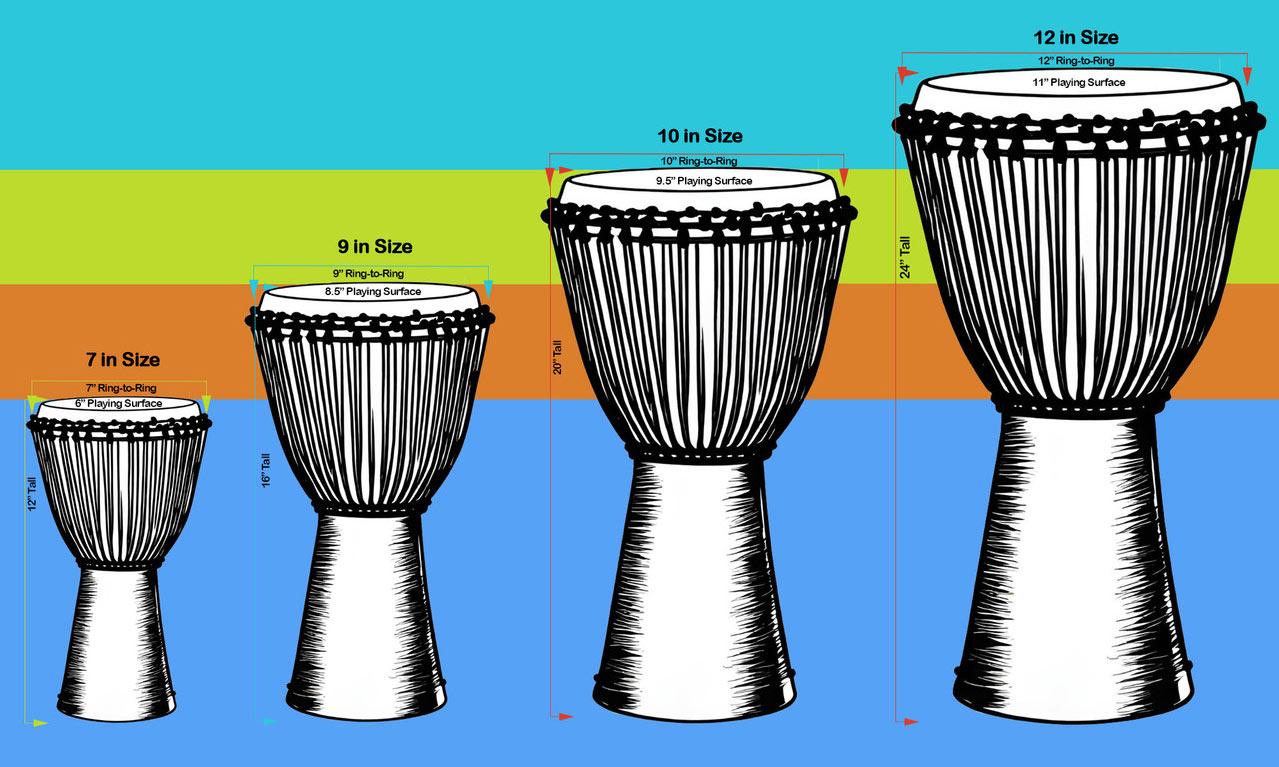
The djembe is a rope-tuned goblet drum from West Africa. It has a wide top, a narrow waist, and a flared base. The drum is usually played with bare hands while sitting or standing.
The djembe has strong links to Mandé communities in countries such as Guinea, Mali, Senegal, and Côte d’Ivoire. It has long been used for dance, celebration, communication, and community events. Today, people also play it in schools, drum circles, concerts, and world music groups.
The drum’s shape helps create its range of sounds:
• The wide head gives the drum its main playing surface.
• The narrow body helps shape the sound.
• The open base allows the sound to project outward.
A good djembe can produce a deep bass, a clear tone, and a sharp slap. These sounds work like the three main colors in a painter’s palette.
How Do You Play the Djembe Drum?
How do you play the djembe drum correctly? Start with a relaxed posture, place the drum securely, and learn the three basic hand sounds before trying complex rhythms.
Follow these steps:
-
Sit near the front edge of a chair.
-
Place the djembe between your knees.
-
Tilt the drum slightly forward.
-
Keep the bottom opening clear.
-
Relax your shoulders and wrists.
-
Use the center of the hand for bass notes.
-
Use the fingers near the edge for tones and slaps.
-
Practice slowly with a steady pulse.
Do not squeeze the drum between your legs. Your knees should support it without blocking the shell or bottom opening. If the drum feels unstable, adjust its angle or use a strap.
When learning how do you play the djembe drum, beginners often focus on speed. That is usually a mistake. A slow, even rhythm builds better timing than fast, tense playing.

The Three Basic Djembe Sounds
Most beginner djembe lessons begin with three sounds: bass, tone, and slap. Each sound comes from a different contact point and hand shape.
Bass
The bass is a low, round sound. Play it in the center of the drumhead with the flat part of your relaxed hand.
Your palm should make contact with the head while your fingers stay together. Lift your hand quickly after the stroke. Do not leave it pressed against the head, or the sound may become dull.
Tone
The tone is a higher, clear sound. Strike near the outer area of the drumhead with your fingers together and your palm slightly lifted.
The fingers should land first. Your palm may touch the head lightly, but it should not press down for long. A good tone sounds open and bright.
Slap
The slap is the sharpest sound. It is played near the edge with a relaxed, slightly curved hand. The fingers create a quick snap against the head.
A slap should not come from force. It comes from timing, hand shape, and a fast rebound. Many new players hit too hard and tense their fingers. This can hurt the hands and produce a flat sound.
Practice each sound alone:
• Bass: center of the head.
• Tone: near the edge with fingers together.
• Slap: near the edge with a relaxed snap.

Proper Hand Position and Technique
Hand position is central to understanding how do you play the djembe drum. Your hands should stay loose, much like a bird landing on a branch. A stiff hand cannot bounce well.
Keep these points in mind:
• Relax your shoulders.
• Keep your elbows slightly away from your body.
• Let your wrists remain flexible.
• Keep your fingers together for the tone.
• Let the hands rebound after each stroke.
• Use both hands evenly.
Your hands should not travel far from the head. Short movements save energy and improve control. Think of the drum as a spring. Your hand touches the surface, creates the sound, and comes back up.
Avoid striking with the fingertips alone. This can make the sound weak and may cause soreness. Also avoid hitting the drum with a locked wrist. The wrist should guide the motion while the fingers and palm create the tone.
A useful beginner exercise is to tap your thighs in the same shapes. Play a low tap in the middle of your thigh for the bass, then a lighter tap near the outer thigh for the tone. This helps you feel the difference before you play the drum.

How to Read Basic Djembe Rhythm Notation
You do not need to read music to play the djembe. Still, simple rhythm symbols can help you practice and communicate with other players.
A basic notation system may use:
• B for bass.
• T for tone.
• S for slap.
• R for a right-hand stroke.
• L for a left-hand stroke.
For example:
1   2   3   4
B   T   B   T
Play one stroke on each count. Keep the count even. Then try:
1 & 2 & 3 & 4 &
B   T S   T B   T
The “&” means the space between the main beats. Use a metronome or a simple foot tap to keep your timing stable.
Do not worry if your first rhythm sounds plain. Simple patterns are useful because they teach control. Many strong players can make a basic rhythm sound musical through good tone, timing, and dynamics.
Beginner Djembe Exercises
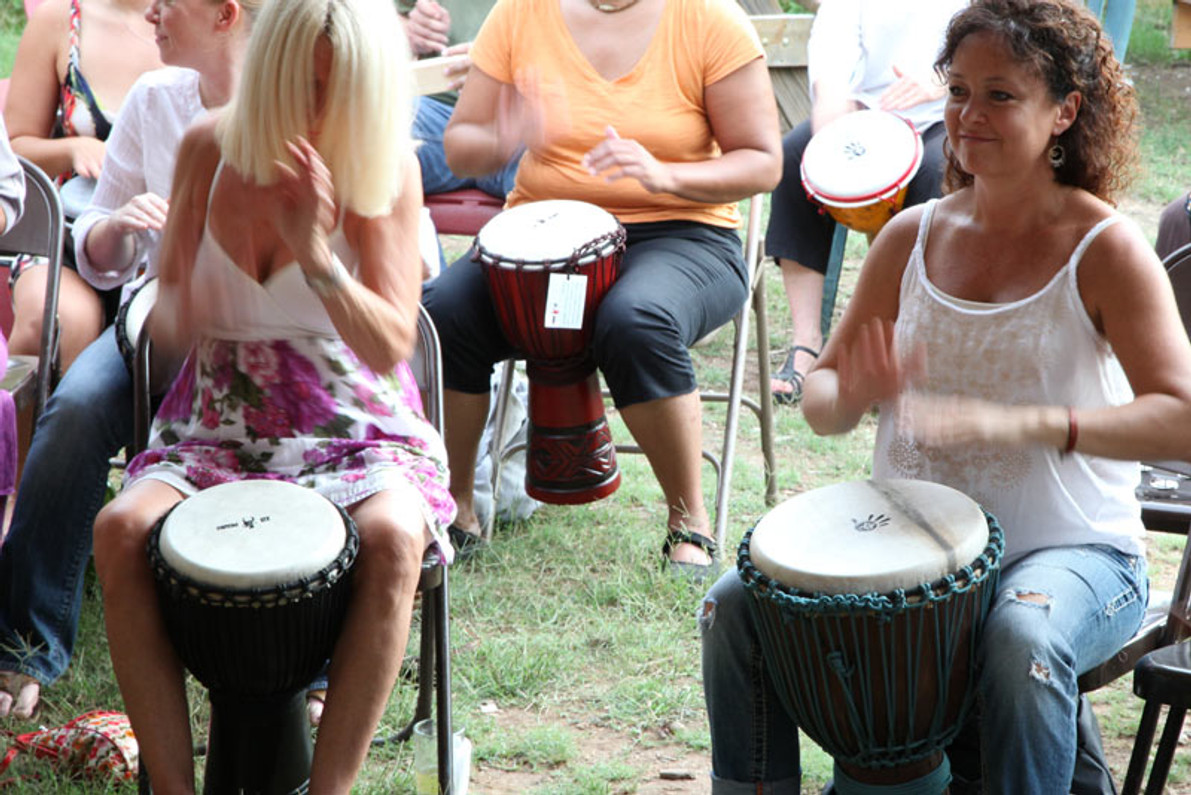
Practice should be short, regular, and focused. Ten to fifteen minutes each day can help more than one long session each week.