What Is A Drum Line: Essential Guide To Drumline
A drum line is the marching percussion core that drives rhythm, movement, and show energy.
I’ve taught and performed with drum lines for over a decade, so I know how they shape a band’s sound and spirit. This guide explains what is a drum line, how it works, and why it matters. Read on for clear definitions, real-life tips, practice plans, equipment advice, and common mistakes to avoid.

What is a drum line — definition and brief history
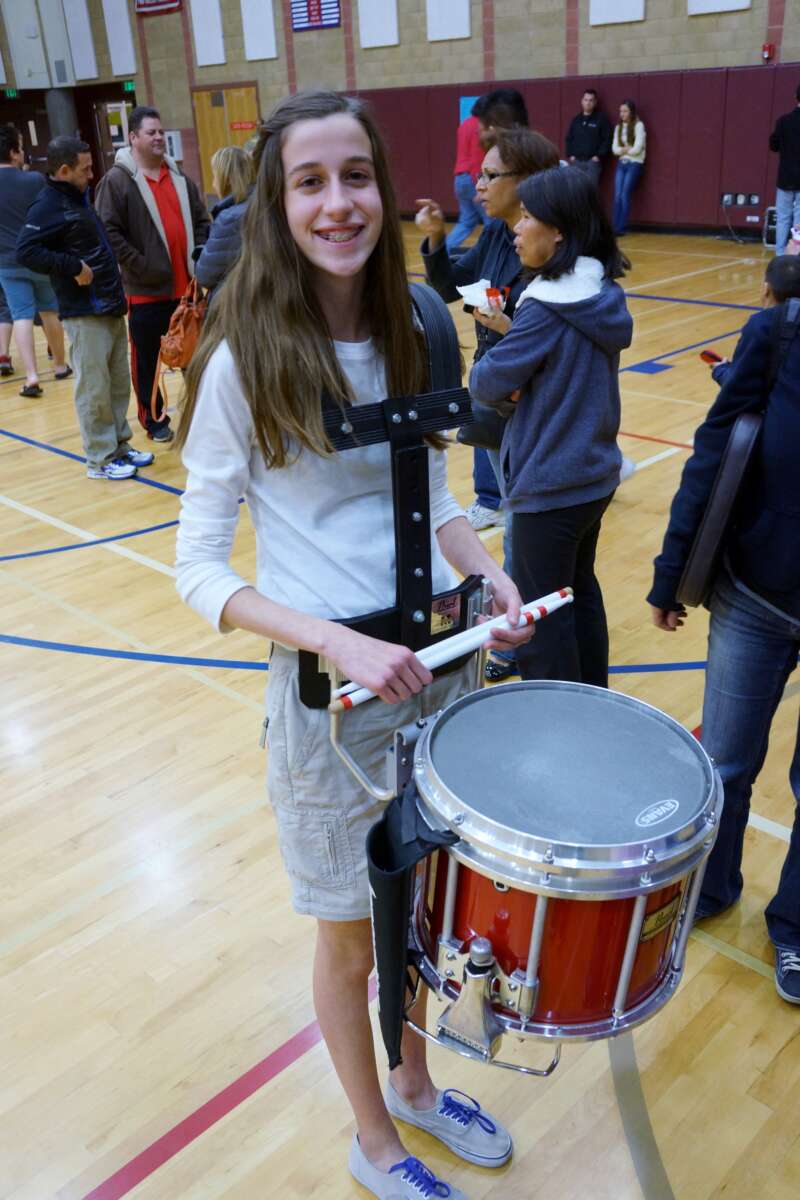
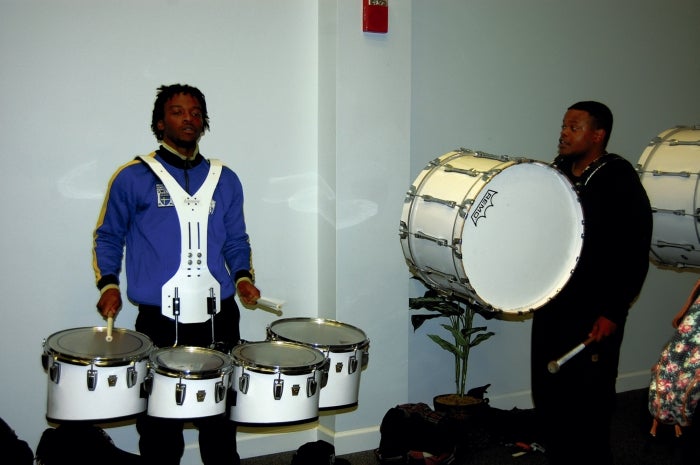
A drum line answers the simple question: what is a drum line? It is the tuned and untuned percussion group in a marching ensemble. The group usually includes snare drums, tenor (multi-tenor) drums, bass drums, and cymbals.
The drum line started as military cadence drums. Over time it moved into college marching bands, drum corps, and competitive indoor percussion. Today, drum lines combine tight rhythms, visual marching, and show design.

Core components: instruments and roles
When asking what is a drum line, break it down by instruments and roles. Each instrument has a clear job in texture and motion.
- Snare drums
- Provide crisp, articulate rhythm and drive.
- Play rudiments and fast stick patterns.
- Tenor drums (quads/quints)
- Add melodic and syncopated fills.
- Offer visual flair through stick technique.
- Bass drums
- Supply low-end pulse and tempo markers.
- Often arranged to create melodic bass lines.
- Cymbals
- Accent hits and clashes for punctuation.
- Also used for choreography and visuals.
Each part links to the rest. Good arranging balances sound and movement.

The role of a drum line in performance
If you wonder what is a drum line’s purpose in a show, think of it as the heartbeat. The drum line sets tempo, energy, and feel. It supports winds and move the crowd.
Key roles include:
- Keeping consistent tempo for the ensemble.
- Driving dynamics and phrasing.
- Adding rhythmic interest and textual contrast.
- Providing visual focus with marching and choreography.
A tight drum line can lift a show. Poor timing can drag the whole band down.
Techniques, terminology, and common rudiments
Understanding what is a drum line also means knowing the craft. Rudiments and marching technique form the backbone.
Important terms and skills:
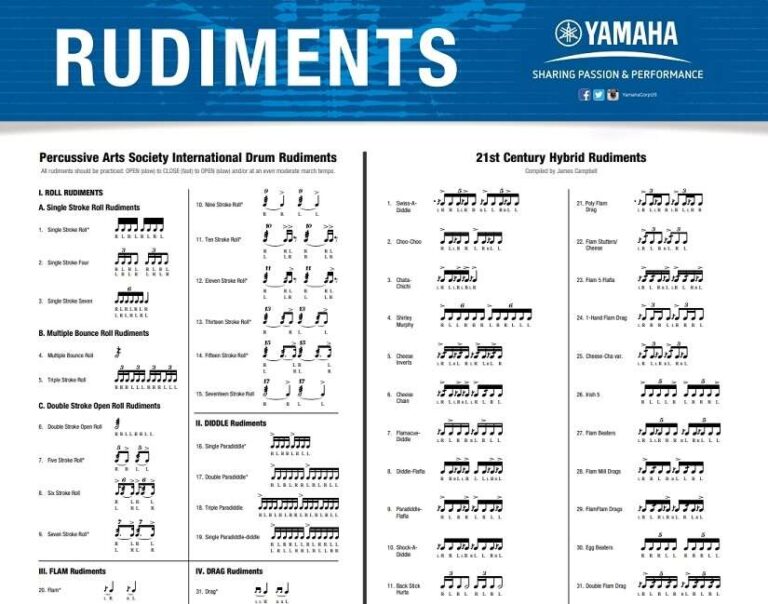
- Rudiments: single stroke, double stroke, paradiddle, flams, drags.
- Cadence: repeated marching rhythm used between sets.
- Tenor technique: sweeps, crossovers, and melodic sticking.
- Bass technique: rebound control and consistent stroke height.
- Visual marching: step sizes, posture, and alignment.
Practice fundamentals slowly. Build speed with control, not force.

Rehearsal methods and arranging for a drum line
When teaching what is a drum line, rehearsal strategy matters. A clear plan makes learning efficient.
Effective rehearsal steps:
- Warm-up with rudiments and stick control.
- Sectionals to fix technical issues.
- Full ensemble runs to lock tempo and balance.
- Break down charts into small phrases.
- Use a metronome and count aloud for precision.
Arranging tips for clarity:
- Keep parts idiomatic for each instrument.
- Avoid overcrowding the bass and snares at the same frequency.
- Use call-and-response to highlight solos.

Benefits, limitations, and common challenges
Knowing what is a drum line includes understanding its strengths and limits. Drum lines add power and clarity. They also demand discipline.
Benefits:
- Tight rhythmic control across the ensemble.
- Strong visual and musical focal points.
- Develops teamwork and discipline.
Limitations and challenges:
- Physical demands on players.
- Tuning and balance issues outdoors.
- Need for strong leadership and clear charts.
Accept limits early. Plan around weather, field acoustics, and player skill.
Equipment, maintenance, and setup
Part of explaining what is a drum line covers gear and care. Good equipment helps players perform longer and cleaner.
Essentials and upkeep:
- Sticks and mallets: match to style and drum type.
- Drum harnesses: fit matters for comfort and sound.
- Drumheads and tuning: regular checks prevent tone loss.
- Cases and carts: protect gear during travel.
Routine maintenance avoids mid-show failures. Inspect straps and heads weekly during season.
Styles and examples of drum lines
If you ask what is a drum line in practice, look at different contexts. Styles shape sound and approach.
Common styles:
- College marching band: loud, theatrical, designed for stadiums.
- Drum corps: precision, high skill, competitive repertoire.
- Indoor percussion: theater-focused, tight audio design.
- Street parades and community bands: approachable, rhythmic, crowd-first.
Each style emphasizes different skills. Learn the style to fit the show.
Personal experience: what I learned from working with drum lines
I have led drum lines for high school and college bands for ten years. I’ve also marched in competitive corps. Here are real lessons I learned.
Lessons and mistakes:
- Start with fundamentals; skip the flashy stuff until rhythm is solid.
- Choose parts that match student ability to build confidence.
- Teach vision and listening as much as technique.
- Don’t ignore physical training; marching is aerobic work.
A good drum line is built with patience, clear goals, and daily habits.
Frequently Asked Questions of what is a drum line
What is the difference between a drum line and a drum set?
A drum line is a marching percussion section performing while moving. A drum set is a stationary kit used in many music styles and played by one person.
How many players are in a typical drum line?
Typical counts vary by program. High school lines often have 8–16 players, while college and corps can have 20 or more.
What skills should a beginner focus on?
Beginners should learn basic rudiments, metronome timing, and proper grip. Slow, focused practice beats rushing speed every time.
Can anyone join a drum line with no prior experience?
Yes. Many programs welcome beginners and teach fundamentals. Expect focused practice and sectionals to build skill quickly.
How long does it take to become performance-ready?
With regular practice, basic readiness can come in a few months. Achieving advanced precision often takes a year or more.
Conclusion
A drum line is the driving force of marching percussion. It blends rhythm, movement, and teamwork to shape a band’s sound. Use this guide to understand what is a drum line, choose the right gear, set smart rehearsal plans, and avoid common pitfalls. Start small, practice fundamentals, and build steady habits. If you lead or join a drum line, commit to daily work and clear goals. Want more tips or a sample practice plan? Leave a comment or subscribe for weekly drills and arranging advice.

Senior Music Reviewer
Alex Carter is a seasoned music reviewer with over a decade of experience in the world of sound and instruments. Passionate about helping musicians and enthusiasts make informed choices, he brings sharp insights and in-depth knowledge to every review. From classical instruments to modern gear, Alex combines technical expertise with a love for music to deliver content that resonates with readers.
As a Senior Music Reviewer and expert author on Tuneluma.com, Alex is dedicated to sharing honest evaluations, practical advice, and thoughtful commentary to guide readers in their musical journey.