What Are Ghost Notes In Drumming: Master Groove Tips
Ghost notes are very soft, subtle drum strokes that add groove and feel.
I’ve played and taught drums for over a decade, and I’ll show you exactly what are ghost notes in drumming, how they work, and why they matter. Read on for clear definitions, simple drills, musical examples, and pro tips you can use right away to add depth and feel to your playing.

What are ghost notes in drumming? Definition and anatomy
Ghost notes are quiet, intentionally soft strokes on the snare or other drums. They sit below the main beats. They are not meant to be heard like a backbeat. Instead, they shape rhythm and give groove subtlety.
The anatomy of a ghost note includes:
- Placement. Usually on the snare between main beats or subdivisions.
- Dynamics. Played much softer than primary strokes.
- Timing. Often on sixteenth, thirty-second, or triplet subdivisions.
- Purpose. To add feel, motion, and texture without stealing the spotlight.
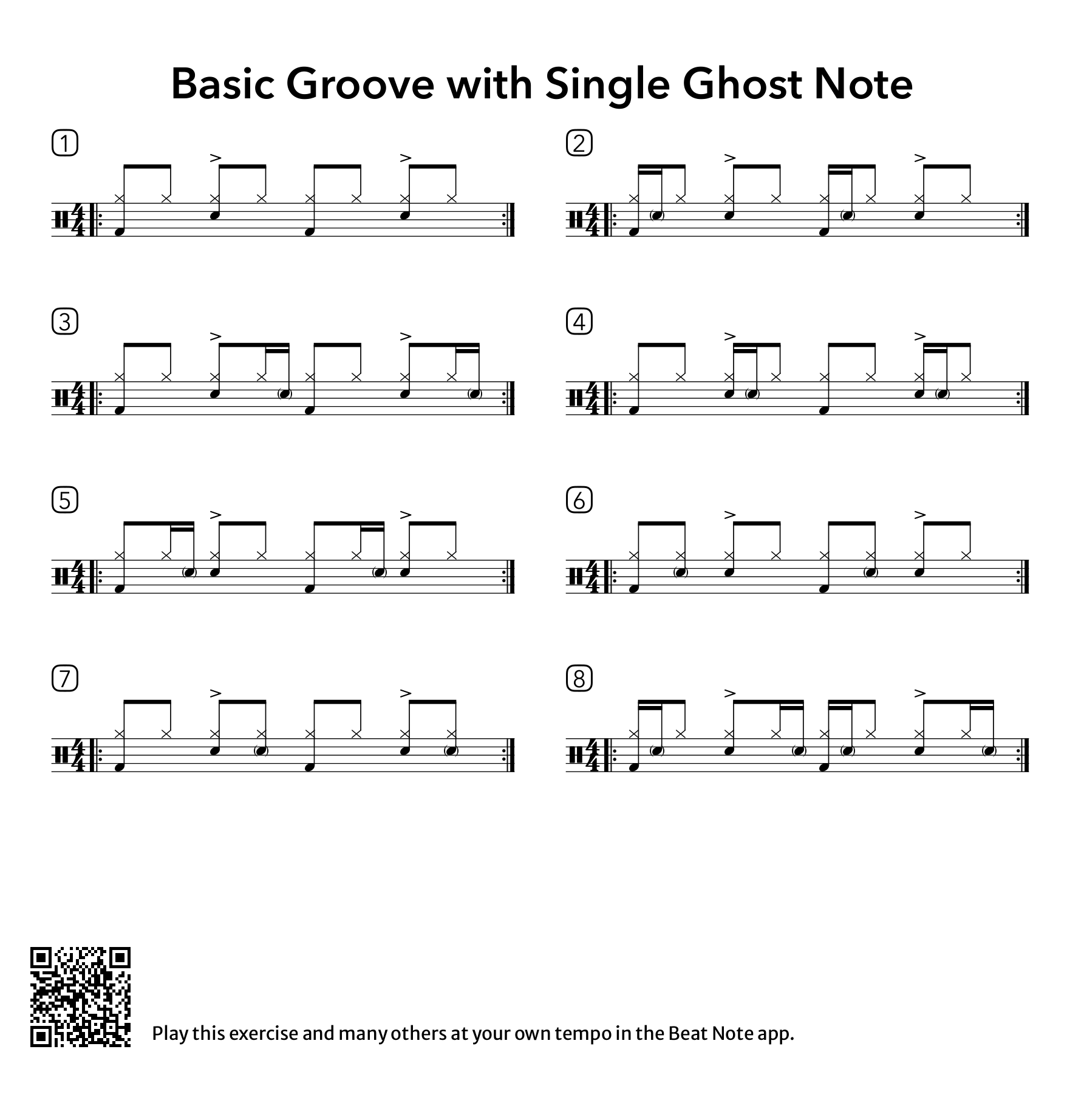
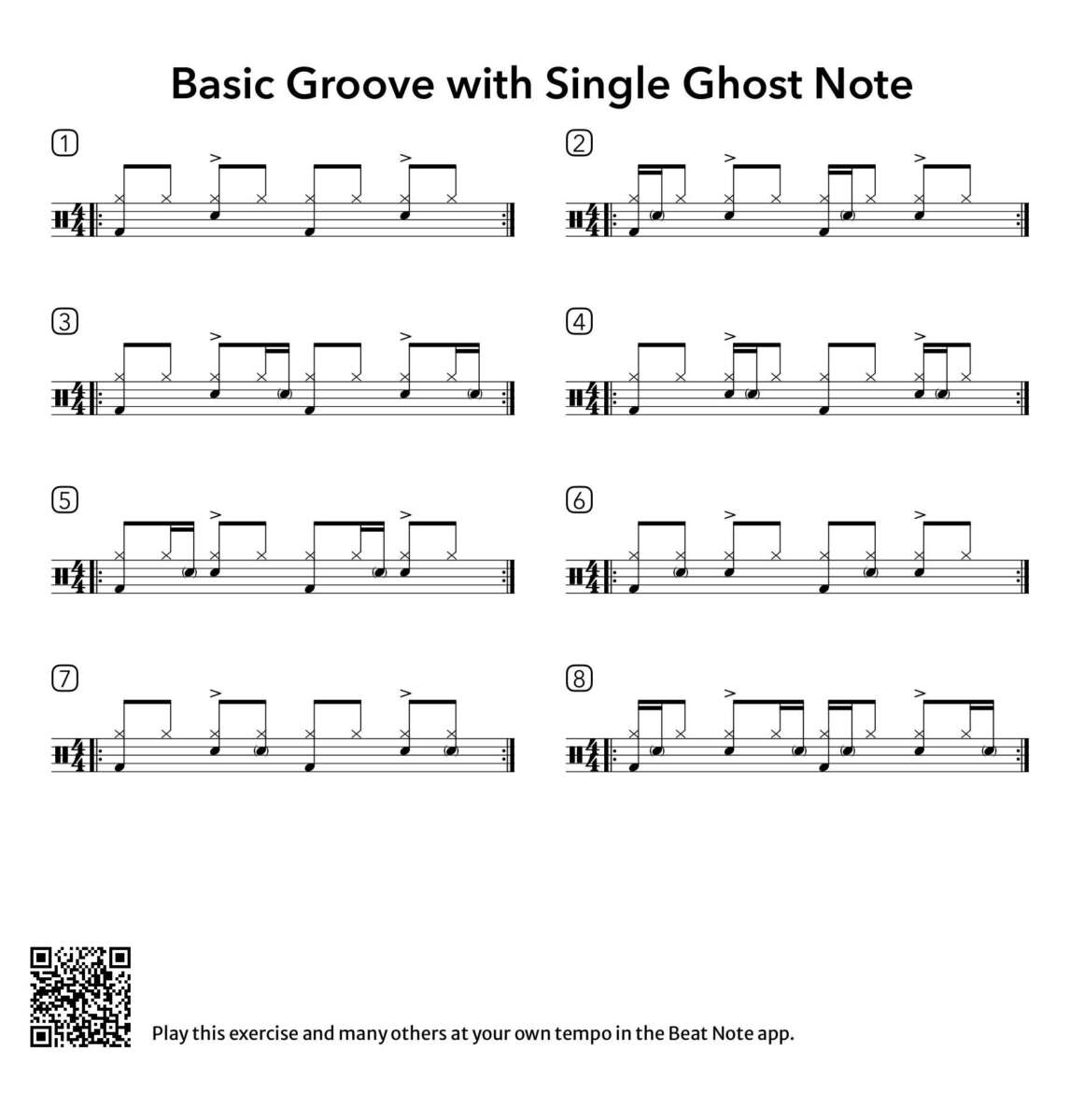
Source: beat-note.app
Why ghost notes matter in music and groove
Ghost notes change how a groove feels without changing its pattern. They add swing, push, or laid-back feel. They let drummers talk musically with small dynamics.
Benefits include:
- More expressive grooves.
- Better pocket and timing.
- Increased musicality across genres.
- Enhanced interplay with bass and other instruments.
From funk to jazz, ghost notes make simple beats sound pro. They help a drummer support the song instead of just keeping time.

How to play ghost notes: fundamentals and technique
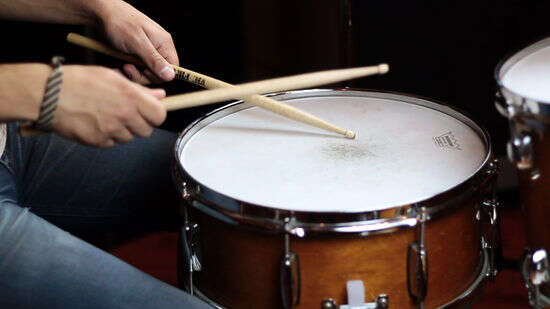
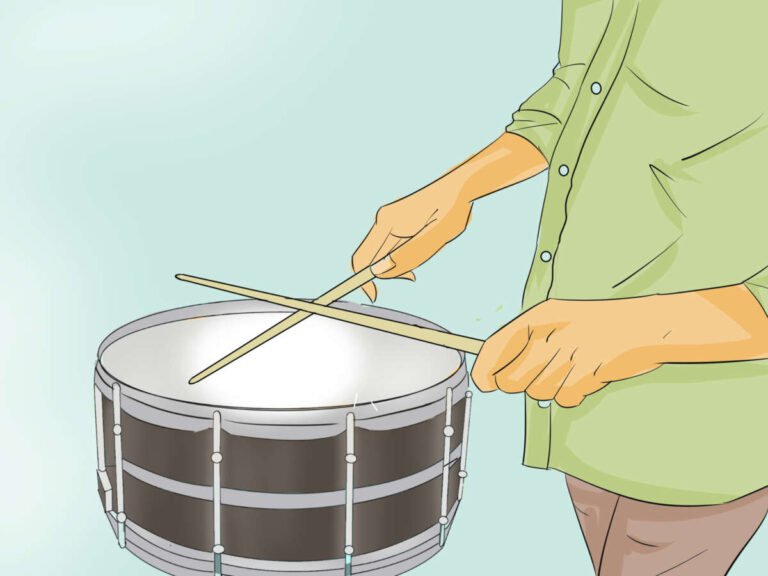
Good ghost notes start with control. Use the wrist, not big arm motion. Keep strokes short and rebound-driven.
Steps to play them:
- Start very soft. Tap the snare with half your usual force.
- Use matched grip or traditional grip, whichever you use for control.
- Keep the stick close to the drum. Minimal lift equals softer sound.
- Rely on rebound. Let the stick bounce naturally.
Practice these simple drills:
- Play quarter notes on hi-hat and place ghost notes on the “e” and “a” of a 16th-note subdivision.
- Try rim clicks at whisper volume to feel the timing.
- Use a metronome and set accents on downbeats only. Keep ghost notes even and soft.
I remember practicing ghost notes at slow tempos. I would lower the volume until I could barely feel them. That small work paid off in real gigs.

Practical exercises to build consistency
Short, focused drills beat random practice. Do these for 10 minutes daily.
Exercise 1: Subdivision tapping
- Metronome at 60 BPM.
- Play hi-hat on eighth notes.
- Tap ghost notes on snare on the “e” and “a” of each beat.
- Keep dynamics three levels below your backbeat.
Exercise 2: Accent contrast
- Play a simple 4/4 backbeat.
- Accent the 2 and 4 on snare.
- Add ghost notes on the “&” of 1 and 3.
- Vary which subdivision you ghost to train flexibility.
Exercise 3: Dynamic ladder
- Play a groove and slowly increase ghost note volume across 8 bars.
- Reverse the ladder going soft again.
- This improves control and musical sensitivity.

Source: wordpress.com
Common mistakes and how to avoid them
Many drummers either overplay ghost notes or make them too faint.
Watch for these mistakes:
- Playing ghost notes too loud. They should never overpower the main beat.
- Inconsistent timing. Ghost notes must be steady.
- Too much wrist tension. Tight hands kill rebound.
- Using full strokes. Use taps and short strokes instead.
Fixes to try:
- Record yourself and solo the snare track.
- Reduce stick lift and focus on rebound.
- Practice at slow tempos only, then speed up.
Source: scribd.com

Musical examples and genre uses
Ghost notes appear across styles. Each style uses them differently.
Funk
- Heavy use of snare ghosting to create syncopated grooves.
- Think subtle snare work around a tight backbeat.
Jazz
- Light ghost notes to add swing and conversation with the ride cymbal.
- Often played with brushes or light sticks.
R&B and Pop
- Used to thicken grooves without cluttering the mix.
- They make a simple beat feel fuller.
Rock and Metal
- Less frequent, but used to add nuance in fills and verses.
- Often found in funk-influenced rock.
I used ghost notes on a session track to help the bass line breathe. The producer said it “made the groove live.” That’s the power of tiny strokes.

Gear tips: drums, sticks, and tuning for ghost notes
Your kit setup affects ghost note clarity.
Drum tuning
- Slightly higher snare tuning helps ghost notes articulate.
- Dampening can reduce unwanted ring and let soft strokes read clearer.
Sticks and brushes
- Lighter sticks or rods give more control at soft volumes.
- Brushes are excellent for whisper-soft ghosting in jazz or ballads.
Drumheads
- Coated heads often respond better to soft stick work.
- Practice with different heads to find the sweet spot for your touch.
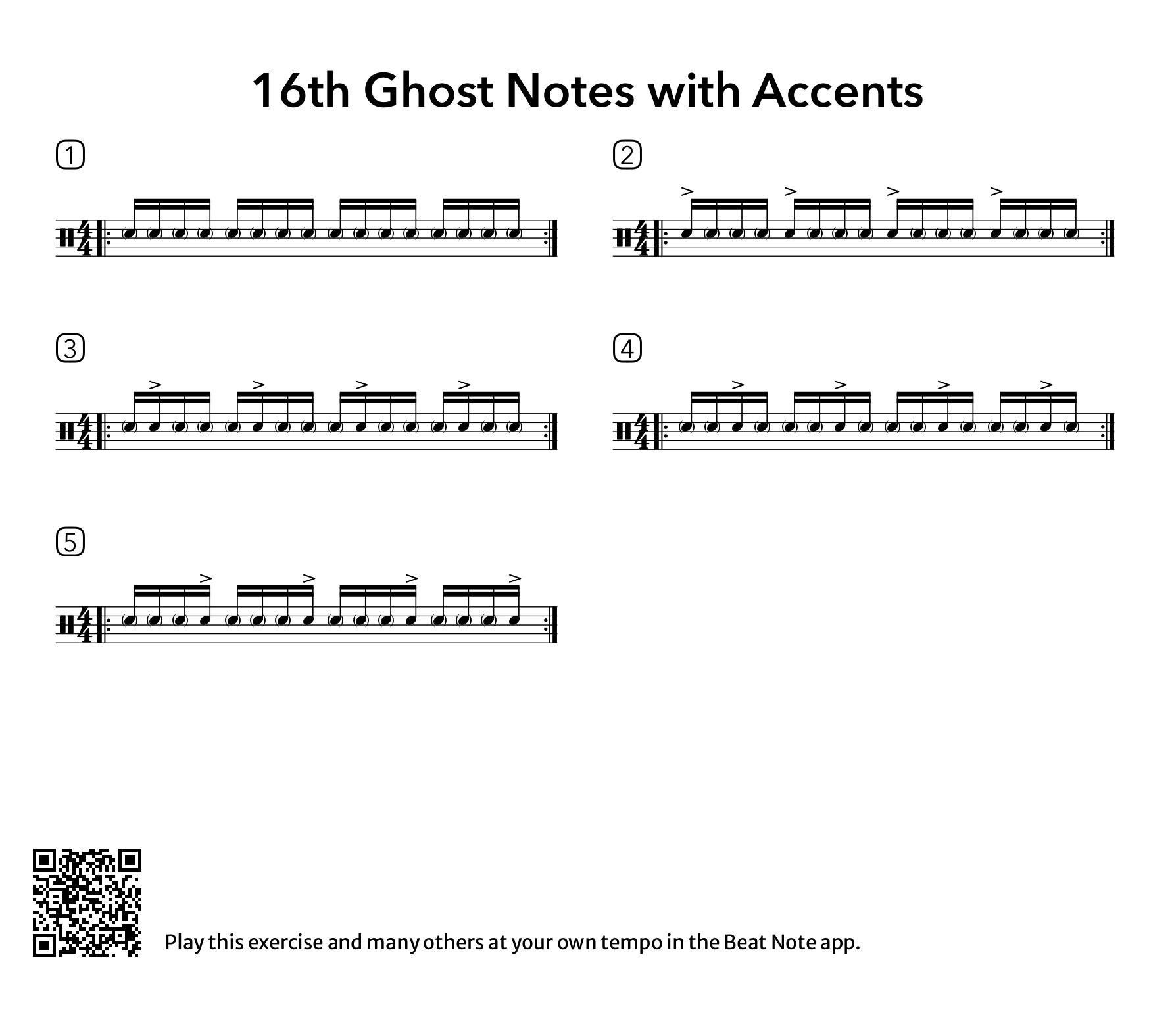
Source: beat-note.app
Advanced placement and creative uses
Ghost notes can be used for more than feel. They can:
- Lead into fills.
- Echo vocal or guitar motifs.
- Create call-and-response with other percussion.
Try these ideas:
- Use a string of ghost notes to build tension before an accent.
- Mirror a vocal phrase with ghosted snare taps.
- Layer ghost notes in different subdivisions for a textured pocket.
These techniques turn basic grooves into signature beats. They also help your playing support the song’s emotion.
Personal tips and mistakes I learned from
I used to think louder meant better. I played heavy ghost notes and cluttered mixes. After years of deliberate practice, I learned:
- Less is often more.
- Control and timing beat speed and volume.
- Record practice and listen back. It reveals what you cannot feel.
A tip that saved me: practice ghost notes while humming the song’s bass line. That keeps your hand in service to the music.
How to integrate ghost notes into songs
Add ghost notes slowly. Don’t overwhelm the arrangement.
A simple plan:
- Start with a basic groove.
- Add one ghost note per measure for two bars.
- Record and listen. If it helps the feel, keep it.
- Gradually add or vary ghost notes in later song sections.
Communicate with bandmates. Ghost notes change pocket. Make sure the bass and rhythm instruments lock in.
Frequently Asked Questions of what are ghost notes in drumming
What are ghost notes in drumming and how are they different from regular snare hits?
Ghost notes are much softer snare taps meant to add texture. Regular snare hits are louder accents that mark the backbeat or key rhythmic points.
How do I practice ghost notes without overplaying them?
Use a metronome and play very soft taps while keeping the main beat louder. Record yourself and lower the ghost volume until it just colors the groove.
Can beginners learn ghost notes quickly?
Yes. Start slow, focus on rebound and wrist control, and use simple subdivision drills. Consistent short practice sessions yield fast improvement.
Do ghost notes work in all musical styles?
They fit most styles but appear more often in funk, jazz, and R&B. In heavier rock or metal, they are used sparingly for nuance.
Will ghost notes get lost in a live mix?
They can, if the sound is muddy or the snare is overly damped. Use clear tuning and work with the sound engineer to ensure they sit in the mix.
Conclusion
Ghost notes are a small tool with big impact. They shape groove, improve pocket, and add musical nuance without changing the core beat. Start simple: practice short strokes, use a metronome, and add ghost notes only when they serve the song.
Takeaway: practice quiet control more than speed. Try one of the exercises above for two weeks. Notice the difference in your feel and how other players react. If this helped, leave a comment or subscribe to follow more practical drum tips and drills.