How To Read Tenor Drum Music: Easy Step-By-Step Guide
Read tenor drum music by learning notation, accents, sticking, rhythms, and chart maps.
I’ve taught and played tenor drums for years. I know how to read tenor drum music clearly and simply. This guide breaks down the notation, sticking symbols, rhythmic counting, and multi-drum charts. You’ll get practical examples, practice drills, and the mistakes to avoid. Read on and you’ll be able to read tenor drum music with confidence and speed.

Understanding the basics of tenor drum notation
Learning how to read tenor drum music starts with the score. Tenor parts use a single staff with note placements that map to specific drums. The notes show pitch placement more than musical pitch; they show which drum to hit. Dynamics, accents, and sticking marks layer on top to shape the sound.
The staff, clef, and note placement for tenor drums
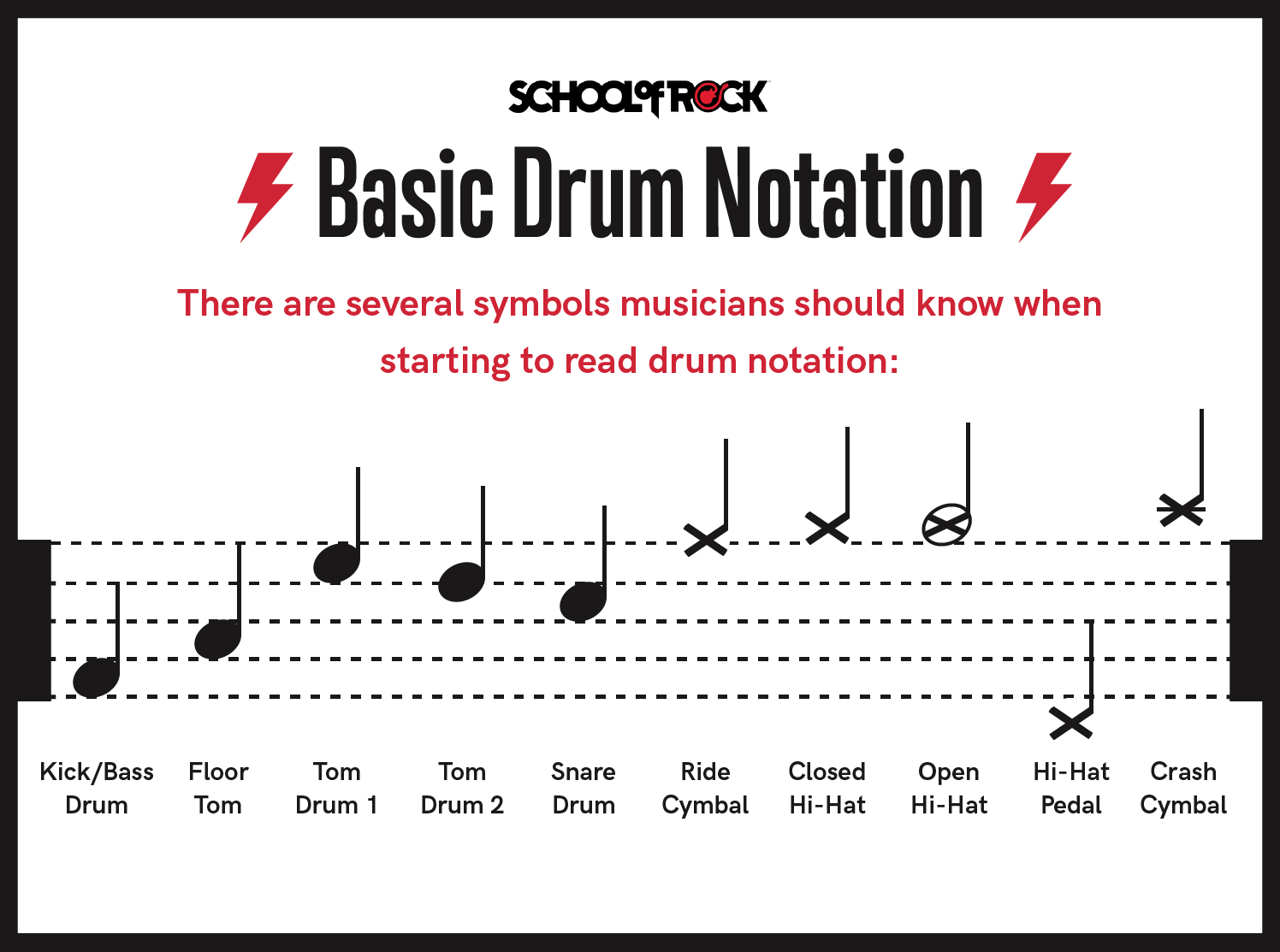
Tenor parts usually sit on a treble or neutral clef staff. Note placement tells you which drum or zone to play. Common layouts include top-line for highest drum and bottom-line for lowest drum. When reading, map each staff position to a drum before thinking about rhythm. This step makes reading tenor drum music faster and more reliable.
Note values, rests, and basic rhythm
Simple rhythms form the backbone of tenor parts. Quarter notes, eighths, sixteenths, and rests appear the same as in other notation. Count out loud using basic counts like "1 & 2 &" and keep a steady pulse. When you read tenor drum music, always tap a steady click or metronome while reading to anchor timing.

Sticking notation and interpretation
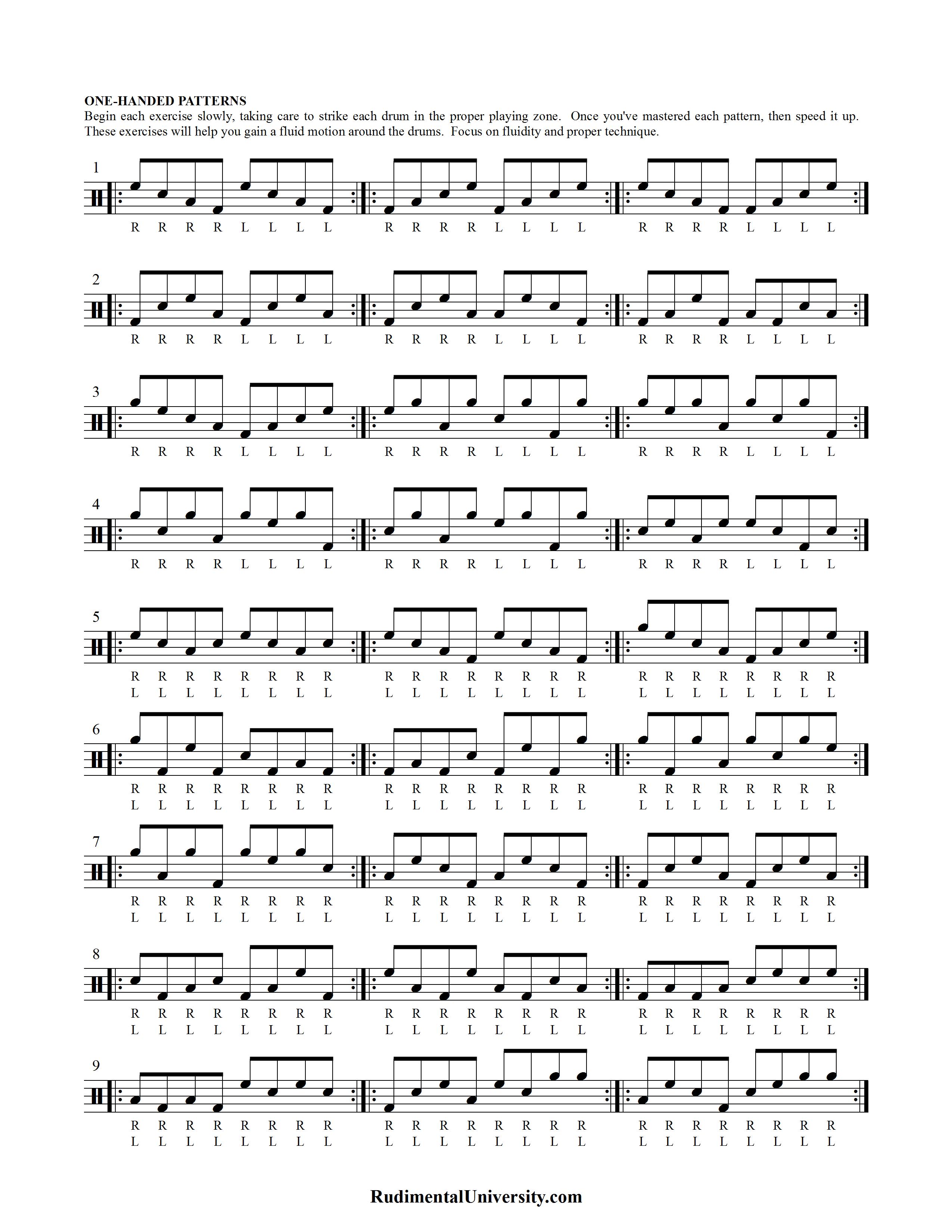
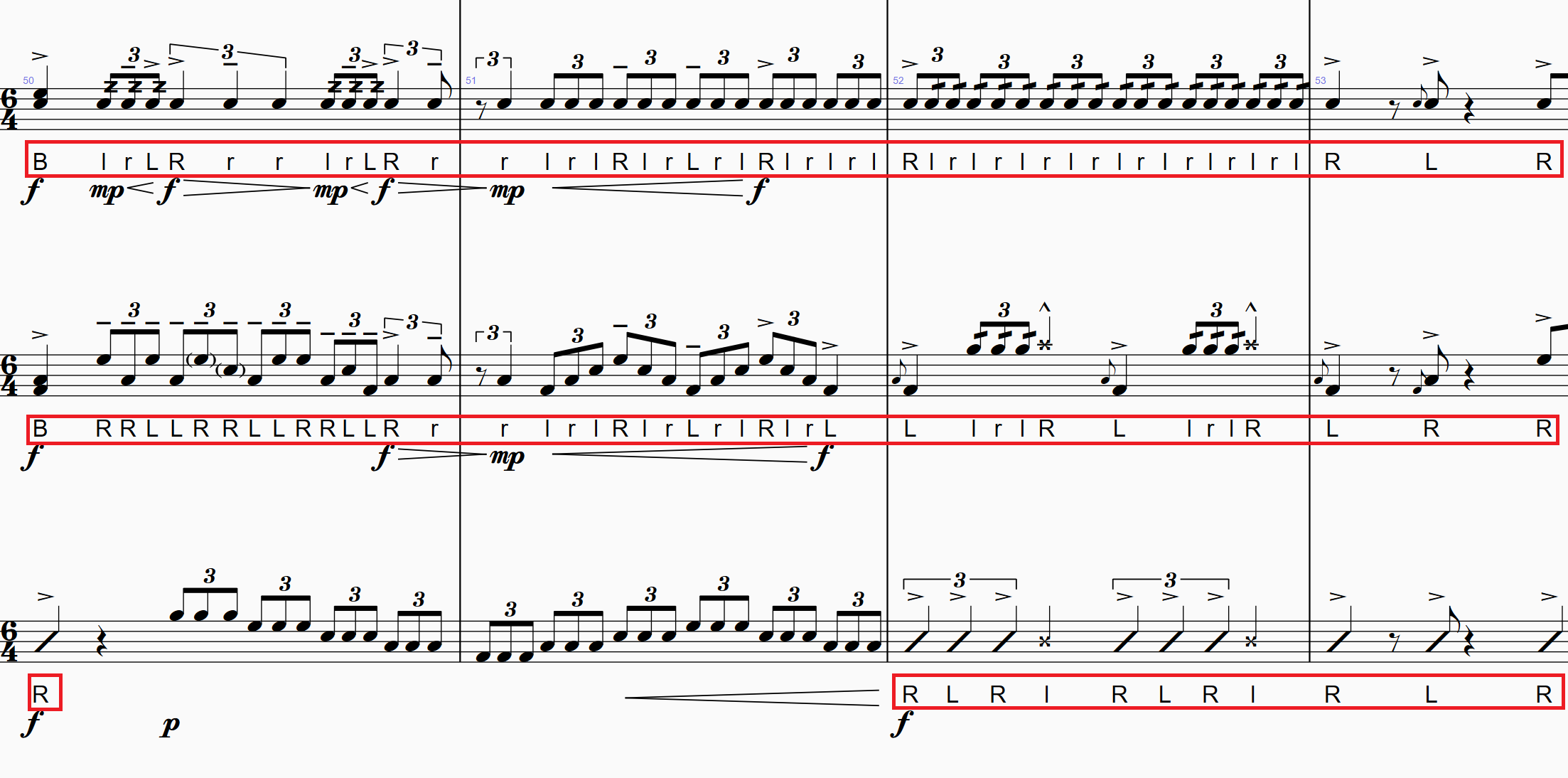
Sticking is written in several ways in tenor drum music. You will see letters like R and L above notes or specific sticking patterns written into the chart. Accents and ghost notes change which sticking feels best. Read sticking marks before practice so your hands know the plan. Learning common sticking patterns makes reading easier on sight.

Articulation: accents, flams, and dynamics
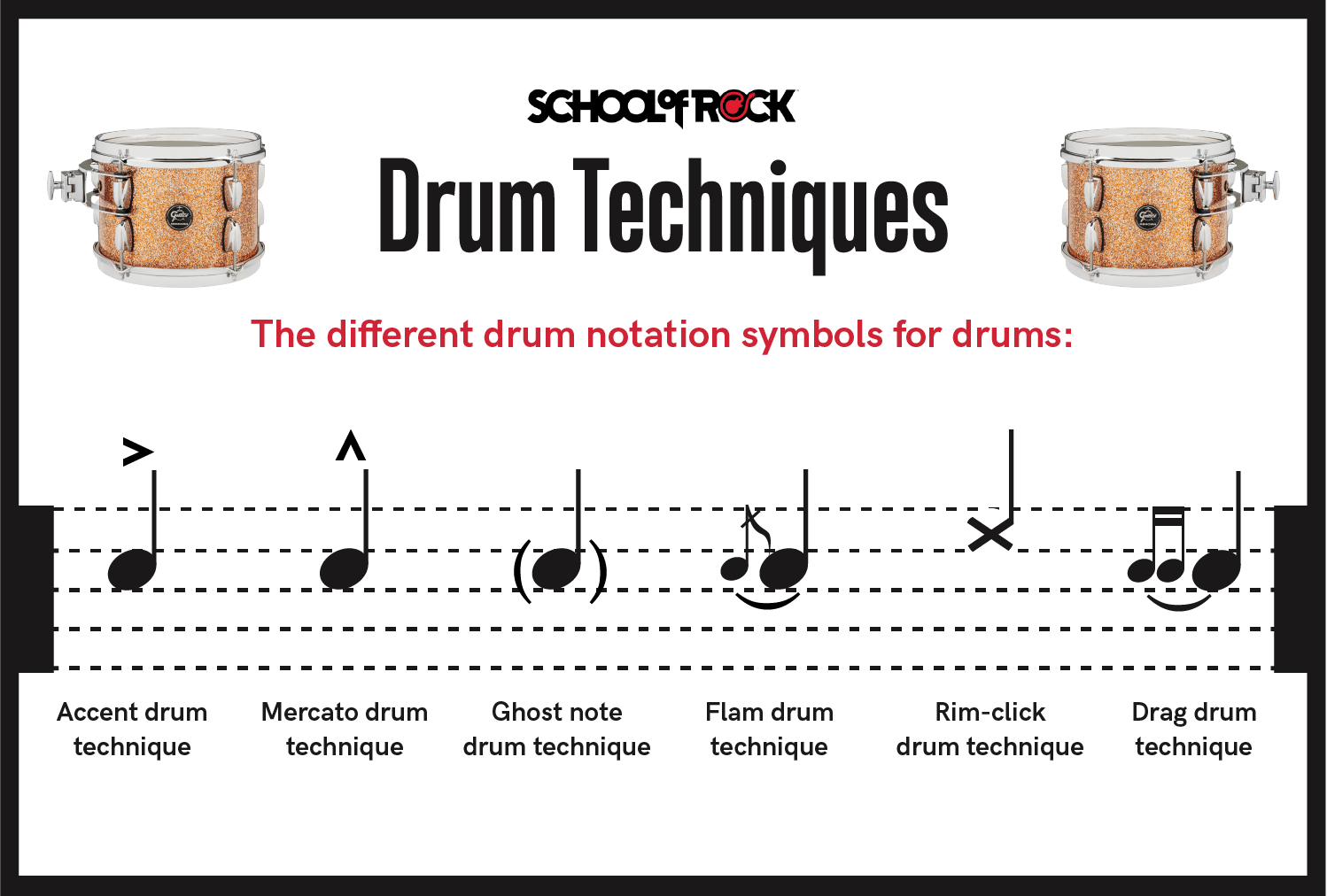
Articulation marks shape the phrase. Accents push energy; written flams add a grace note before the main stroke. Dynamics guide volume across the part. When you read tenor drum music, treat articulations like road signs: slow down for tricky shapes and push for loud accents.

Counting, subdividing, and pulse control
Count in small, clear chunks to read tenor drum music well. Use these steps:
- Count the beat out loud to lock pulse.
- Subdivide into "1 & 2 &" or "1 e & a" for sixteenth notes.
- Tap the lowest drum or your thigh as a steady reference.
Subdividing keeps you from rushing or dragging. Good counting turns notation into sound.
Source: ryanjonker.com
Reading multi-tenor charts and switching drums
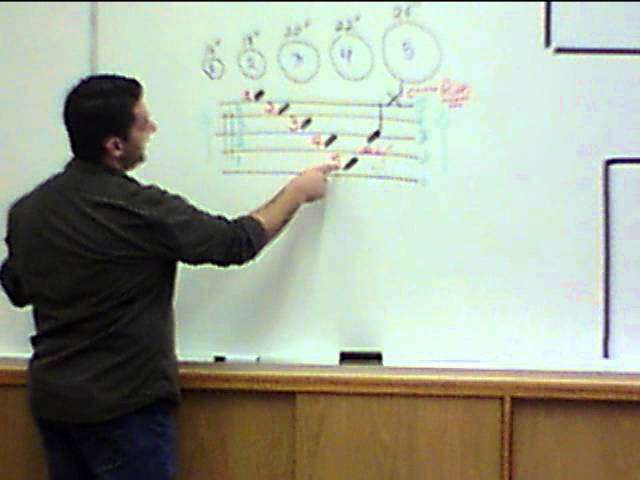
Multi-tenor setups need visual mapping on the staff. Charts often include lines or bracket cues that show drum swaps and crossovers. Mark your score with fingerings and drum numbers before playing. When you learn how to read tenor drum music for multi-tenor, practice slow drum changes until they are automatic.
Practical practice drills and sight-reading tips
Short, focused drills speed reading progress. Try these drills:
- Single-line mapping: play scales across drums while reading note positions.
- Accent drill: read measures with only accented notes marked.
- Sticking drill: read a short phrase and apply several sticking options.
- Metronome progression: start slow, increase tempo by small steps.
I used these drills daily when I learned complex charts. They improved my sight-reading and timing quickly.

Source: ryanjonker.com
Common mistakes and how to avoid them
The usual errors slow your reading. Watch for:
- Ignoring map positions: always map staff to drums first.
- Rushing through accents: count and mark accents before you play.
- Neglecting sticking: mark sticking to avoid awkward hand crossings.
- Not using a metronome: pulse makes reading accurate.
Fixing these mistakes improves how to read tenor drum music fast.
Advanced tips: phrasing, musicality, and ensemble context
Reading is more than notes. Listen to the ensemble and shape phrases to fit the music. Watch section leaders and follow dynamics and tempo changes. Mark cues for drum swaps and entrances in the margin. Mastering musical context makes reading tenor drum music both precise and musical.
Related concepts and next learning steps
Once you can read basic tenor parts, expand to:
- Polyrhythms and odd groupings.
- Drum corps-style multi-tenor charts.
- Transcribing solo sections from recordings.
- Learning to notate your own sticking and phrasing.
Each step deepens your skill and makes reading tenor drum music more fluent.
Frequently Asked Questions of how to read tenor drum music
What clef is used for tenor drum music?
Most tenor parts use a treble or neutral clef. The clef mainly provides staff reference for note placement rather than pitch.
How do I map staff positions to my drums?
Start by labeling your score: assign each staff line or space to a drum. Practice playing those positions slowly until mapping becomes automatic.
How important is sticking when reading tenor drum music?
Very important. Sticking avoids awkward crossovers and keeps rhythm clean. Mark sticking where you need it before you play.
Can I read tenor drum music without knowing music theory?
Yes. Basic counting and mapping are often enough. Theory helps with phrasing and complex rhythms, but it’s not required for basic reading.
How often should I practice sight-reading tenor parts?
Short daily sessions of 10–20 minutes are best. Consistent, focused practice builds steady sight-reading skills faster than long, infrequent sessions.
Conclusion
You can learn how to read tenor drum music by mapping the staff to your drums, counting carefully, marking sticking, and practicing focused drills. Start slow, mark your charts, and build speed with a metronome. Make a plan to practice a little every day, apply the drills here, and track your progress. Try reading a new chart this week and share your progress with a teacher or group to get feedback.

Senior Music Reviewer
Alex Carter is a seasoned music reviewer with over a decade of experience in the world of sound and instruments. Passionate about helping musicians and enthusiasts make informed choices, he brings sharp insights and in-depth knowledge to every review. From classical instruments to modern gear, Alex combines technical expertise with a love for music to deliver content that resonates with readers.
As a Senior Music Reviewer and expert author on Tuneluma.com, Alex is dedicated to sharing honest evaluations, practical advice, and thoughtful commentary to guide readers in their musical journey.