Is The Piano A String Instrument: Explained Simply
The piano is fundamentally a string instrument, played by hammers striking strings to make sound.
I’ve spent years teaching piano and repairing instruments, and I’ve studied instrument classification deeply. This article answers the central question, is the piano a string instrument, and then explores why that label fits and why the piano also gets called a percussion instrument. Read on for clear, practical explanations, real-world examples, and tips that come from hands-on experience.

What defines a string instrument?
A string instrument makes sound when a string vibrates. The vibration creates air pressure waves we hear as tone. Common string instruments include violin, guitar, cello, and harp.
Key traits of string instruments:
- Sound source is vibrating string or strings
- Pitch depends on string length, tension, and mass
- A resonator or soundboard usually amplifies the vibration
When someone asks is the piano a string instrument, they are looking for which trait matters most. The piano meets the core trait: its sound comes from vibrating strings. That alone places the piano inside the family of string instruments by basic definition.
How the piano produces sound: anatomy and action
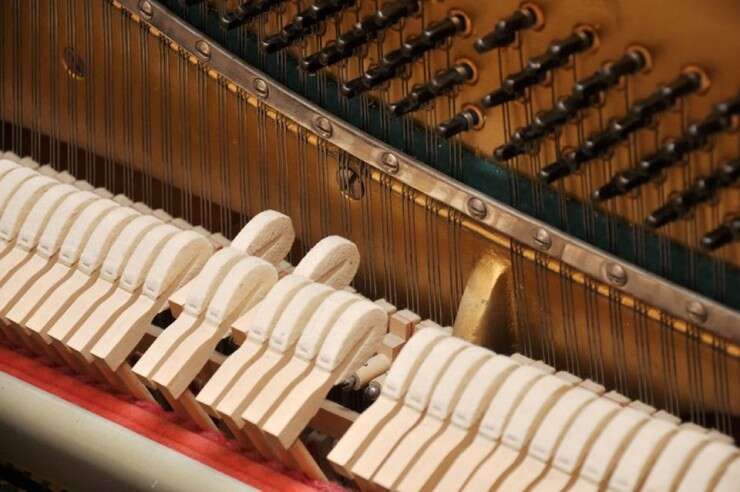
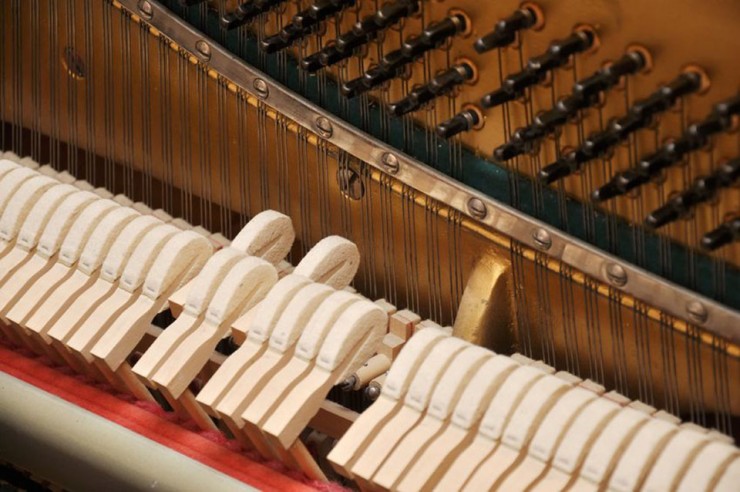
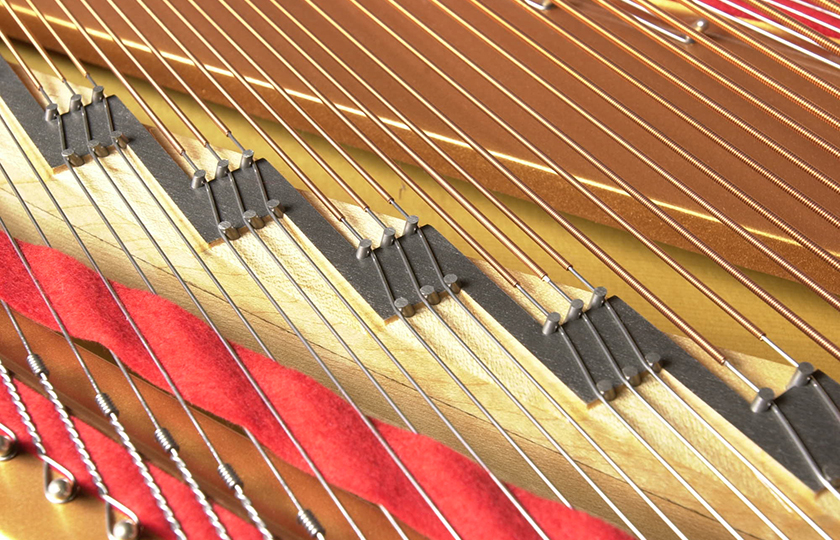
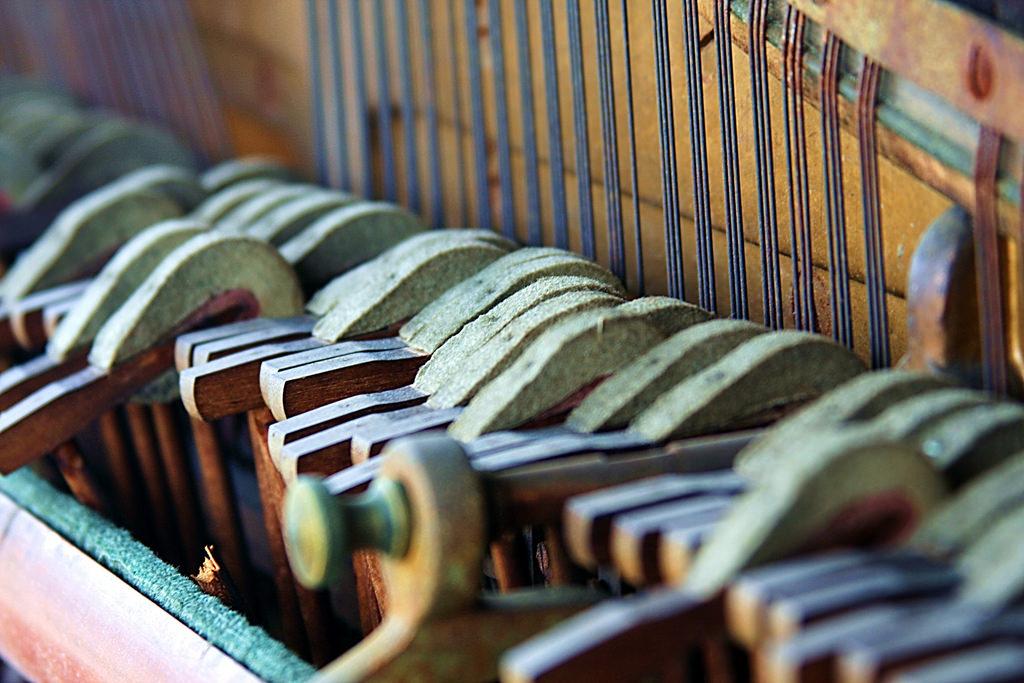
Inside a piano, steel and copper-wound strings stretch across a cast iron frame. Each key lifts a felt-covered hammer. The hammer hits one or more strings. The string vibrates, and the soundboard amplifies the vibration.
Simple breakdown:
- Key pressed by player
- Action transfers motion to hammer
- Hammer strikes string(s)
- Strings vibrate at a frequency
- Soundboard and case project the sound
Is the piano a string instrument when you focus on sound origin? Yes. But many people hear the percussive attack from the hammer and call the piano a percussion instrument. That contrast fuels the debate.
Common quick questions some readers ask:
- How many strings does a piano have? Most full-size pianos have around 220 to 230 strings, with groups of strings per note.
- Does striking change tone? Yes. The hammer’s speed and felt quality alter attack and color.
- Are all piano tones from strings? Yes. All acoustic piano tones originate from vibrating strings.

Classification: chordophone, percussion, or hybrid?
Organologists use the Hornbostel-Sachs system to classify instruments. By that system, an instrument that produces sound primarily through vibrating strings is a chordophone. The piano is a struck chordophone.
Why this matters:
- Is the piano a string instrument? In technical taxonomy, yes. It’s a chordophone.
- Is it percussion? Musically, many educators refer to it as both string and percussion because of how it’s played.
- Hybrid label helps explain its role in ensembles and teaching.
Classifying the piano as a string instrument recognizes how sound is made. Calling it percussion highlights playing technique. Both views are correct in their own context.
Practical implications for players, teachers, and technicians
Knowing whether the piano is a string instrument affects several practical choices.
For players:
- Tone control comes from touch and pedaling, not from fingering strings directly.
- Understanding strings helps you shape long tones and sustain.
For teachers:
- Explain that the piano is a string instrument with a percussive action.
- Teach touch to manage attack, sustain, and color.
For tuners and technicians:
- String tension and soundboard health determine tuning stability.
- Repairs center on strings, pin block, and hammers.
Benefits of viewing the piano as a string instrument:
- Emphasizes tuning, string health, and resonance
- Clarifies why piano tone changes with humidity and temperature
Limitations of the label:
- It won’t explain playing technique fully
- It can confuse people who expect guitars or violins when they hear “string instrument”
My experience: lessons learned, mistakes to avoid, and tips
I’ve tuned hundreds of pianos and taught many students. Early on I insisted students treat the piano only as a percussion instrument. That was a mistake. The best players blend percussion and string thinking.
Lessons and tips:
- Treat the piano as strings plus action. Think of the hammer as a mediator.
- When practicing tone, listen for string resonance after the hammer strike.
- Avoid heavy repetitive attacks that wear hammers and strings faster.
- Keep the instrument in stable humidity to protect strings and soundboard.
Real-life tip: When recording, mic near the soundboard to capture string resonance. Mic too close to the hammers and you’ll get only attack noise. That simple switch changed the warmth in many of my recordings.
Frequently Asked Questions of is the piano a string instrument
Why do people call the piano a percussion instrument?
People hear and feel the hammer strike and focus on the initial attack. In orchestral and educational contexts, that percussive aspect is emphasized, so the piano is often grouped with percussion.
Does the piano belong to the string family in orchestras?
In orchestral scoring, the piano is usually treated as a keyboard or percussion-like instrument, not as part of the bowed string section. Its classification is functional, based on role, not just construction.
Are piano strings similar to guitar strings?
Piano strings are thicker and under much higher tension than guitar strings. Bass strings are wound, and the scale and tension are engineered for piano tone and durability.
Can you pluck piano strings to make music?
Yes. Plucking inside the piano produces a harp-like timbre. This technique is used in extended techniques and some contemporary music.
How does classifying the piano affect teaching?
Classifying the piano as both string and percussion helps teachers explain tone production, touch, and technique. It gives students a fuller view of how sound is made and shaped.
Conclusion
The short answer to is the piano a string instrument is clear: the piano is a string instrument by sound source, and a percussion instrument by playing method. Embracing both views gives the best musical insight. Understanding the piano this way improves practice, repair, and performance. Try listening for the string resonance next time you play. If you found this helpful, leave a comment, subscribe for more insights, or explore further resources on instrument classification and piano technique.

Senior Music Reviewer
Alex Carter is a seasoned music reviewer with over a decade of experience in the world of sound and instruments. Passionate about helping musicians and enthusiasts make informed choices, he brings sharp insights and in-depth knowledge to every review. From classical instruments to modern gear, Alex combines technical expertise with a love for music to deliver content that resonates with readers.
As a Senior Music Reviewer and expert author on Tuneluma.com, Alex is dedicated to sharing honest evaluations, practical advice, and thoughtful commentary to guide readers in their musical journey.