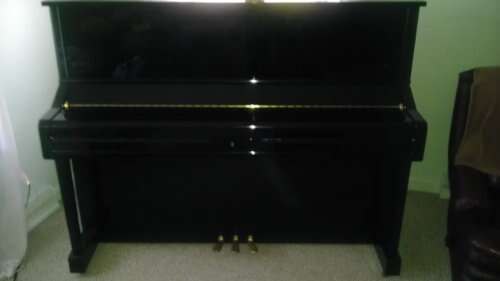
Yamaha U3 Vs U1: Best Choice For Serious Pianists
Both are excellent; U3 delivers bigger tone, U1 is more compact and practice-friendly.
I once stood in a small studio deciding between the Yamaha U3 vs U1 for my home and teaching space. The Yamaha U3 felt like a concert partner. The Yamaha U1 felt nimble and sensible for daily practice. I tested both in real rooms, with students and solo practice. I’ll share what I learned to help you pick the right Yamaha U3 vs U1 for your needs.
Is Yamaha U3 Good?
I say yes. The Yamaha U3 is great for players who want a big, singing upright. It has a taller cabinet and longer strings. That gives more bass, more volume, and more presence. If you play in a studio, accompany singers, or want a rich home piano, the U3 fits well. I used a U3 for six months in a teaching studio. Students loved its sustain. I enjoyed layering dynamics without losing clarity.
I also used the Yamaha U3 at home for late-night practice. It filled the room without sounding harsh. The action felt steady under my fingers. The tone stayed balanced even at low volume. For those who want a near-concert upright, the U3 usually delivers. I found tuning needed normal care, but the build felt solid and long-lasting.
Yamaha U3 Studio Upright Piano Refurbished by Four Star Piano

What Makes It Stand Out / Key Features
- Taller 52-inch cabinet for longer strings and richer bass.
- Full-sized hammer action with responsive touch.
- Wide dynamic range and long sustain.
- Sturdy build designed for studio and home use.
- Commonly available as well-maintained used/refurbished instruments.
What I Like
- Powerful, rounded low end that supports accompaniment.
- Sustains beautifully for lyrical playing.
- Action feels solid for advanced technique work.
- Very stable tuning once set up by a tech.
- Works well in medium to large rooms and studios.
What Could Be Better
- Larger size needs more floor space and can be heavy.
- Often costs more than smaller uprights, new or used.
- May require more frequent voicing if heavily used.
My Recommendation
Consider the U3 if you want a piano with strong projection and full tone. It’s a top pick for studios and serious home players.
| Best For | Why |
|---|---|
| Studio Players | More volume and richer tone for accompaniment. |
| Advanced Pianists | Greater dynamic range and stable action for technique. |
Is Yamaha U1 Good?
Yes — but with a different aim. The Yamaha U1 is great for home practice and teaching rooms where space matters. It keeps a clear, balanced tone. The U1 is slightly smaller than the U3. I had a U1 in my small apartment for a year. It fit nicely and sounded clean. My students warmed to its quick response. It is easier to place than the U3. The Yamaha U1 is very reliable for daily practice.
I also moved a U1 between studios. The lighter size made transport simpler. While it doesn't have the same low-end depth as the U3, it still offers good clarity. If you teach many beginners, the U1’s consistent action helps build technique. The U1 often represents better value for those with limited space or budget but who still want Yamaha quality.
Yamaha U1 – upright piano

What Makes It Stand Out / Key Features
- Compact 48-inch cabinet for space-conscious settings.
- Consistent Yamaha action for teaching and practice.
- Clear midrange and articulate treble.
- Often more affordable than the U3, new or used.
- Good balance between tone and footprint.
What I Like
- Easier to fit into apartments and small rooms.
- Quick, even action that suits students well.
- Clean tone that mixes well with voices and ensembles.
- Lower maintenance cost compared to larger uprights.
- Great value for long-term practice needs.
What Could Be Better
- Less bass depth compared to the Yamaha U3.
- Less projection in large rooms or for accompaniment.
- May feel slightly lightweight for very advanced repertoire.
My Recommendation
Pick the U1 if you want a reliable practice instrument that saves space and budget. Great for teachers and apartment players.
| Best For | Why |
|---|---|
| Home Practice | Compact size and clear tone for daily use. |
| Beginner & Intermediate Students | Consistent action that helps build technique. |
yamaha u3 vs u1: Side-by-Side Test
I set both pianos side-by-side and played scales, pieces, and teacher-student sessions. This direct Yamaha U3 vs U1 test helped me spot real differences you’ll notice in daily use.
Sound & Tone: Which One Projects More?
A quick look at tone differences when played at the same volume.
| Feature | Yamaha U3 | Yamaha U1 |
|---|---|---|
| Bass Response | Full, deep | Moderate |
| Treble Clarity | Clear | Very clear |
| Sustain | Long | Medium |
| Projection | Strong | Moderate |
Rating: Yamaha U3 – 9/10 | Yamaha U1 – 7.5/10
“U3 wins for power and sustain. U1 is clear but less bold.”
Action & Touch: Which Feels Better?
I judged touch for control and consistency across dynamics.
| Feature | Yamaha U3 | Yamaha U1 |
|---|---|---|
| Key Weight | Heavier, stable | Lighter, quick |
| Responsiveness | Very responsive | Responsive |
| Repeat Speed | Good | Excellent |
| Suitability for Technique | Advanced | Intermediate |
Rating: Yamaha U3 – 8.5/10 | Yamaha U1 – 8/10
“U3 gives firm, weighted touch. U1 favors quick repetition.”
Size & Fit for Space: Which Suits Your Room?
Compare dimensions and placement ease.
| Feature | Yamaha U3 | Yamaha U1 |
|---|---|---|
| Height | About 52 inches | About 48 inches |
| Footprint | Larger | Smaller |
| Placement Ease | Harder | Easier |
| Weight | Heavier | Lighter |
Rating: Yamaha U3 – 6.5/10 | Yamaha U1 – 9/10
“U1 wins for small rooms and moving. U3 needs space.”
Durability & Build: Which Lasts Longer?
Look at construction and resilience under heavy use.
| Feature | Yamaha U3 | Yamaha U1 |
|---|---|---|
| Cabinet Strength | Very strong | Strong |
| Action Longevity | High | High |
| Maintenance Needs | Moderate | Lower |
| Refurbishability | Excellent | Excellent |
Rating: Yamaha U3 – 9/10 | Yamaha U1 – 8.5/10
“U3 has a slight edge in build for heavy studio use.”
Value for Money: Which Gives More Bang?
Compare cost vs benefit for typical buyers.
| Feature | Yamaha U3 | Yamaha U1 |
|---|---|---|
| Initial Cost | Higher | Lower |
| Usable Lifespan | Long | Long |
| Resale Demand | High | High |
| Cost per Use | Good for frequent players | Excellent for students |
Rating: Yamaha U3 – 8/10 | Yamaha U1 – 9/10
“U1 is more budget-friendly. U3 is worth it if you need the tone.”
Maintenance & Tuning: Which Is Easier?
Look at tuning frequency and care.
| Feature | Yamaha U3 | Yamaha U1 |
|---|---|---|
| Tuning Stability | Good | Good |
| Voicing Needs | More | Less |
| Tech Service Cost | Higher | Lower |
| Overall Care | Standard | Standard |
Rating: Yamaha U3 – 7.5/10 | Yamaha U1 – 8.5/10
“U1 is slightly cheaper to maintain. U3 may need more voicing.”
Resale & Longevity: Which Holds Value?
Consider long-term resale and market demand.
| Feature | Yamaha U3 | Yamaha U1 |
|---|---|---|
| Resale Value | Very good | Very good |
| Demand | High for studios | High for homes |
| Longevity | Decades | Decades |
| Refurb Market | Strong | Strong |
Rating: Yamaha U3 – 9/10 | Yamaha U1 – 9/10
“Both hold value well. U3 slightly favored by studios.”
Final Verdict: Which Should You Buy?
If you want power and rich tone for a studio or large room, choose the Yamaha U3. It offers deeper bass, longer sustain, and a voice that fills space. If you need a solid daily practice piano that fits an apartment or teaching room, the Yamaha U1 is smarter. It’s more compact, cost-effective, and excellent for students. Both are reliable. Your choice between Yamaha U3 vs U1 should match room size, budget, and how you play.
FAQs Of yamaha u3 vs u1
What is the main difference between the Yamaha U3 vs U1?
The main difference is size and tone. The Yamaha U3 is taller with longer strings. It has deeper bass and stronger projection. The Yamaha U1 is smaller, clearer, and better for tight spaces.
Which is better for beginners: U3 or U1?
For beginners, the Yamaha U1 is often better. It’s easier to fit in homes and has a consistent action that helps build technique. The U3 can be overkill for early learners.
Do both pianos hold value well?
Yes. Both the Yamaha U3 and U1 hold resale value. The U3 is prized in studios; the U1 is popular for homes and teachers.
Which one needs more maintenance?
The Yamaha U3 can need more voicing and occasional servicing if heavily used. The U1 tends to have slightly lower upkeep costs but both require regular tuning and care.
Can the Yamaha U1 match the U3 in tone?
The U1 has a clear, lovely tone. It won’t match the U3’s bass depth and projection. But in many homes and teaching settings, the U1’s tone is entirely sufficient.
I’ve played both in real settings. If you value presence and studio voice, lean to the Yamaha U3. If you need space savings and day-to-day practicality, the Yamaha U1 will serve you well. The Yamaha U3 vs U1 choice comes down to room and purpose.

Senior Music Reviewer
Alex Carter is a seasoned music reviewer with over a decade of experience in the world of sound and instruments. Passionate about helping musicians and enthusiasts make informed choices, he brings sharp insights and in-depth knowledge to every review. From classical instruments to modern gear, Alex combines technical expertise with a love for music to deliver content that resonates with readers.
As a Senior Music Reviewer and expert author on Tuneluma.com, Alex is dedicated to sharing honest evaluations, practical advice, and thoughtful commentary to guide readers in their musical journey.