How To Play Conga Drums: Beginner Rhythm Guide
Learn basic hand strokes, rhythms, and practice routines to start playing conga drums confidently.
I’ve spent years playing, teaching, and touring with congas, and I’ll walk you through exactly how to play conga drums. This guide explains setup, hand technique, core rhythms, common mistakes, practice plans, and how to play with others. Read on to get clear steps, real tips from the road, and a compact practice routine that helps you progress fast.

Why learn conga drums
Conga drums are powerful and versatile. They add groove and life to many musical styles. Learning how to play conga drums improves your timing, coordination, and musical ear.
You’ll learn to make three core tones and combine them into rhythms. That skill lets you play salsa, Afro-Cuban, funk, and modern pop. I’ll share what worked for me and what to avoid.

Conga drums: anatomy and types
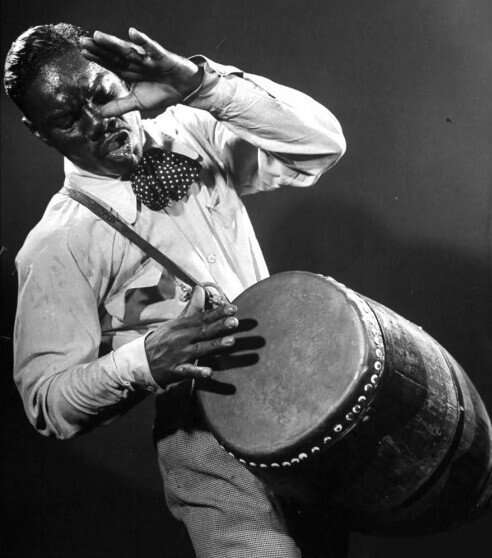
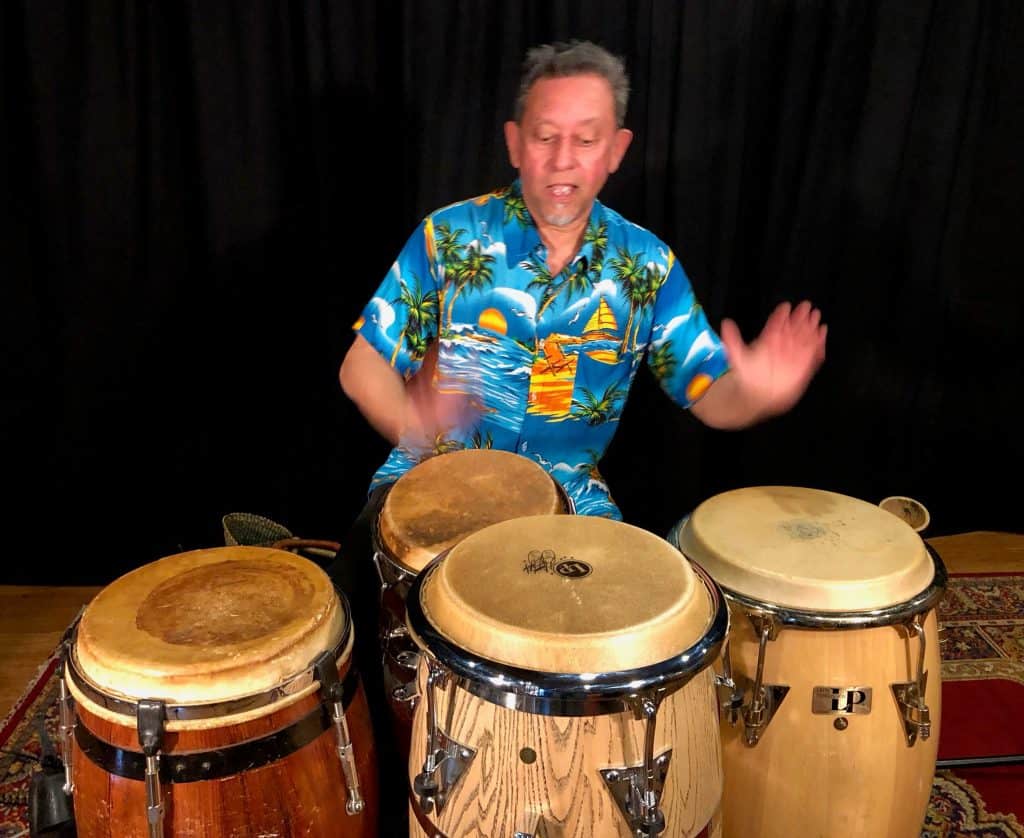
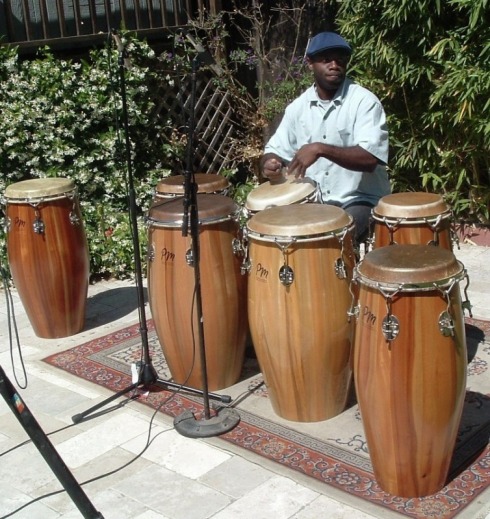
Conga drums are single-headed tall drums. They are played with the hands and sit on stands or between the knees.
- Tumba or tumba de conga — the lowest, biggest drum.
- Conga or segundo — middle-sized, common lead drum.
- Quinto — the smallest, highest drum used for solos.
Parts to know:
- Head — the drum skin that you strike.
- Shell — the body of the drum.
- Hardware — tuning lugs and rims that hold the head in place.
There are different materials and tunings. Wooden shells give warm tones. Fiberglass shells are brighter and more durable. Choose what fits your sound and budget.
Getting started: setup, posture, and tuning
Good posture and tuning make playing easier and sound better. Focus on comfort.
- Seat height — sit so your knees make a small V. Drum sits between your knees, tilted slightly away from you.
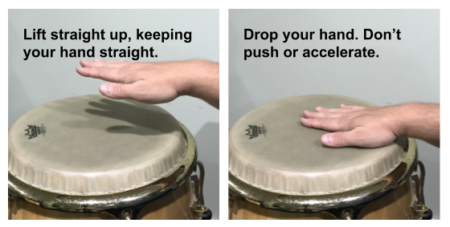
- Hand position — keep palms relaxed and fingers slightly curved. Use wrist motion more than arm motion.
- Tuning — tune by ear or with a tuner. Tighten to get a clear open tone, loosen a bit for deeper bass.
I often tune congas to match the song key when playing with pitched instruments. When practicing alone, aim for clarity: open tone, slap, and muted bass should be distinct.

Basic hand techniques and strokes
Master these strokes first. They form the language of how to play conga drums.
- Open tone — strike near the edge with the fingers to get a clear ringing note.
- Bass tone — hit the center with the full palm for a deep sound.
- Slap — snap the fingers at the rim for a bright, popping tone. Start gentle and build speed.
- Muffled or muffled tone — press the hand into the head after striking to stop resonance.
- Heel-toe motion — useful for rolling strokes and fast patterns. Move from heel (base of hand) to fingers.
Practice tips:
- Play slowly. Clarity matters more than speed.
- Work on each stroke for 5–10 minutes per session.
- Use a metronome to keep steady time.
How long will it take to learn basic strokes?
Most beginners can learn the three basic tones in a few weeks of regular practice. Daily 15–20 minute focused sessions speed progress.
Can beginners injure their hands?
If you play too hard or with bad form, you can strain skin and wrists. Start softly, build strength, and rest when you feel soreness.
Essential rhythms and patterns
Conga playing centers on grooves. Learn a few core patterns and variations.
- Tumbao — the fundamental groove in many styles. It often accents the "and" of 2 and keeps the groove steady.
- Martillo — a steady, marching pattern used in some Afro-Cuban and folkloric styles.
- Tumbao variations — add syncopated slaps or ghost notes for flavor.
- Solo phrasing — use quinto phrases that answer and develop from the base groove.
Exercise:
- Learn a basic tumbao at 60 bpm. Play four bars cleanly.
- Add a slap on beat 4 of the second bar.
- Move to 80–100 bpm when clean.
I learned to count the groove out loud: "one AND two AND three AND four AND." Counting helped me lock with bass and piano players.

Practice plan and exercises
A short, focused plan helps more than long aimless sessions. Here is a simple weekly plan to build skill.
-
Daily routine (20–30 minutes)
- Warm-up: hand stretches and light rolls (3–5 minutes).
- Technique focus: single stroke work or slaps (8–10 minutes).
- Groove practice: play tumbao and variations with a metronome (8–10 minutes).
- Cool-down: slow tones and reflection (2–3 minutes).
-
Weekly goals
- Week 1: master open, bass, and slap.
- Week 2: play basic tumbao cleanly at three tempos.
- Week 3: add muffled tones and simple solos on quinto.
- Week 4: play with a recording or backing track for groove locking.
Use these exercises:
- Single-stroke control: 10 slow strokes then 10 medium then 10 fast.
- Accent practice: accent every 3rd stroke to build syncopation sense.
- Independence drills: play steady tumbao with the left hand while the right plays patterns.
From my teaching, students who stick to short daily sessions improve much faster than those who practice long but irregularly.

Common mistakes and troubleshooting
Watch for these common traps and fix them early.
- Tension — gripping or stiff hands kills tone. Relax wrists and shoulders.
- Too fast too soon — speed without control sounds sloppy. Slow it down and be clean.
- Ignoring tuning — out-of-tune drums mix poorly with other instruments.
- Over-reliance on slaps — slaps are flashy but need balance with tones and bass.
Quick fixes:
- Record yourself to hear weak spots.
- Practice with a metronome and lower tempos.
- Study recordings of master conga players to model tone and placement.

Playing with others and musical styles
Conga drums are social instruments. Learn to listen and support the band.
- Roles — the conga can keep steady groove, add accents, or solo. Pick one role per song.
- Dynamics — play softer in ballads and louder in dance tracks. Use hands, not force, to change volume.
- Communication — cue signals or eye contact help during transitions.
- Styles — salsa and Afro-Cuban music use classic tumbaos. Funk and pop often simplify patterns and emphasize pocket.
My experience: when I played with a small jazz combo, I focused on tone and time. With salsa bands, I played brighter and added more slaps and fills. Both roles improved my musicianship.
Resources, gear, and next steps
Choose gear that helps you progress and find learning resources that match your style.
Gear:
- Beginner conga set — affordable wooden or fiberglass drum.
- Stand — keeps drum stable and improves posture.
- Tuner — small chromatic tuner or tuning app.
- Gloves or tape — some players use these for skin protection but avoid relying on them.
Learning resources:
- Video lessons and slow-motion technique clips.
- Backing tracks and metronome apps.
- Local teachers or community percussion groups.
- Recordings of classic players to study phrasing.
Next steps:
- Join a jam or salsa night to apply grooves.
- Record a short piece to track progress.
- Learn hand independence exercises to expand your range.
Frequently Asked Questions of how to play conga drums
What are the first strokes I should learn on conga drums?
Start with the open tone, bass tone, and slap. These three strokes form the base of most patterns and build the foundation for rhythm and tone control.
How often should I practice to improve quickly?
Practice short sessions daily, 15–30 minutes focused on technique and groove. Consistency beats occasional long sessions for steady progress.
Do I need to tune congas every time I play?
You should check tuning before most sessions, especially if the drum head or weather changes. A quick tuning keeps tones clear and in sync with other instruments.
Can I play congas sitting or standing?
Both work. Sit when learning posture and technique. Use a stand when standing to keep the drum at the right height and angle.
Are gloves recommended for beginners?
Gloves protect the hands but limit feel and tone. I recommend learning bare-handed first and using protection only if you develop skin problems.
How do I practice conga solos?
Start by learning short phrases and call-and-response patterns over the basic groove. Gradually increase length and complexity as you maintain time and tone.
Is it necessary to learn music theory to play congas?
You do not need deep theory to play grooves, but basic counting and phrasing help. Understanding song structure aids musical decisions and fills.
Conclusion
You now have a clear roadmap for how to play conga drums: learn the basic strokes, set up correctly, practice targeted exercises, and play with others. Start small, stay consistent, and focus on rhythm and tone. Your next step is simple: pick one stroke to practice for 10 minutes today and play a basic tumbao with a metronome. Share your progress, join a jam, or subscribe to lessons to keep growing.

Senior Music Reviewer
Alex Carter is a seasoned music reviewer with over a decade of experience in the world of sound and instruments. Passionate about helping musicians and enthusiasts make informed choices, he brings sharp insights and in-depth knowledge to every review. From classical instruments to modern gear, Alex combines technical expertise with a love for music to deliver content that resonates with readers.
As a Senior Music Reviewer and expert author on Tuneluma.com, Alex is dedicated to sharing honest evaluations, practical advice, and thoughtful commentary to guide readers in their musical journey.