What Is A Guitar Riff: The Ultimate 2026 Guide For Beginners
A guitar riff is a short, repeated musical phrase or melody played on the guitar that anchors a song.
After years in recording studios and on stage, I’ve learned that a great song often lives in a few bars that stick in your head. A riff does that work. It hooks a listener fast. Understanding what a guitar riff is goes beyond technique. It’s about creating an instant musical identity. Whether you are a beginner grabbing your first guitar or a seasoned player sharpening your songwriting, nailing the riff is essential. In this guide, I’ll explain how riffs work, why they shape genres, and how to craft your own signature hooks.
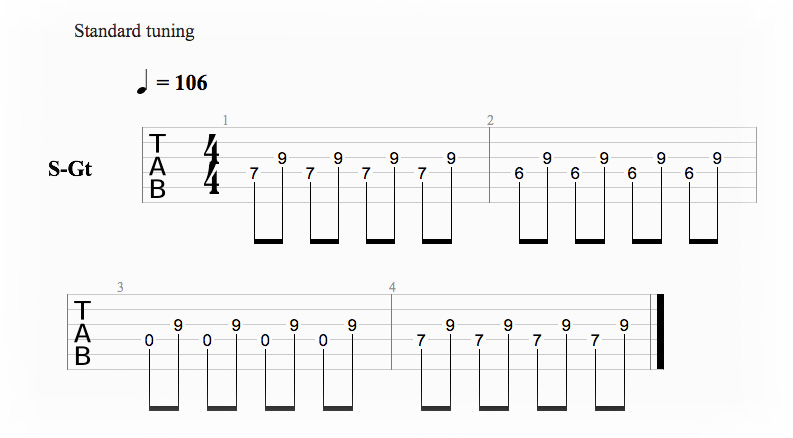
The Anatomy of a Guitar Riff
A guitar riff is usually a short sequence of notes or chords that repeats in a song section. It differs from a lead solo. A solo often explores scales and ideas in a linear way. A riff is the rhythmic and melodic backbone. Think of the opening of Smoke on the Water or the grind behind Seven Nation Army. Those phrases are sonic signatures. They give the song identity.
Early in my writing, I tried to make riffs complicated. That rarely worked. The best riffs are often simple. They rely on a clear rhythm, strong intervals, and a memorable contour. Power chords, syncopated timing, and well-placed rests can make a short phrase feel inevitable. The listener should feel the riff belongs to the song as if the song could not exist without it.
Riff elements: rhythm, melody, harmony, and tone
A riff sits at the junction of several musical elements. Rhythm gives it groove. Melody gives it shape. Harmony (chords or intervals) gives it color. Tone—pickup choice, amp settings, and effects—gives it character. In practice, you work on each element separately, then bring them together. I often start with rhythm. Then I test intervals and tone until the riff clicks.
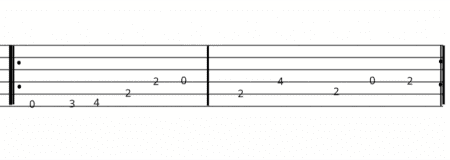
Riff vs Solo and Melody
Students often ask: what’s the difference between a riff and a solo? They use the same fretboard space but serve different roles.
A melody is typically the vocal line or main theme. It moves the song forward. A riff supports that melody. It provides pulse and identity. A solo shows off technique or emotion in a bridge or break. A riff repeats. It anchors the verse, chorus, or intro.
If the part you play repeats and drives the groove, it is a riff. Focus on tight timing and a steady feel. That consistency is what makes riffs memorable.
How to Write a Memorable Guitar Riff
Writing a riff takes both play and discipline. Start with rhythm. A single note with the right timing can become legendary. Use a metronome or a drum loop to lock the groove before adding notes.
- Focus on the interval: Intervals like perfect fifths and octaves give riffs power and clarity. They cut through a mix and translate well to bass and other instruments.
- Embrace silence: The spaces between notes matter. A rest can make the next hit land harder. Silence creates tension and keeps the ear engaged.
- Keep it repetitive: A riff should be easy to hum back after one or two listens. Repetition builds recognition and recall.
- Explore alternate tunings: Dropping the low E to D (Drop D) or using open tunings can reveal new chord shapes and heavy textures you might miss in standard tuning.
Practical riff-building exercises
Try short drills to build riffs fast:
- Play one rhythmic pattern. Repeat it for 16 bars. Add one new note each time. See what sticks.
- Limit yourself to two frets. Write as many variations as you can in five minutes.
- Mute the strings and tap out rhythms. Then lift the mute and find notes that match the rhythm.

Tone and gear tips for riff clarity
Tone affects how a riff reads in a mix. Use these quick checks:
- Dial clarity first. Too much distortion can blur single-note riffs.
- Experiment with pickup selection. Neck, bridge, or split-coil positions change attack and warmth.
- Add a touch of compression for consistent attack on palm-muted power chords.
- Use EQ to carve space for the riff in mid frequencies. Let the bass sit separately.
Frequently Asked Questions of what is a guitar riff
Is a guitar riff the same as a chord progression?
A chord progression is a sequence of chords. A guitar riff is a specific rhythmic or melodic hook. A riff can be built from a progression, but it usually has distinct phrasing and timing. It acts more like a motif than a roadmap of chord changes.
Do I need to be a fast player to create a great riff?
No. Speed is not the point. Many famous riffs are slow or mid-tempo. What matters is groove, hook, and feel. Play slowly until the rhythm locks. Then add detail.
Can a guitar riff be played on other instruments?
Yes. Riffs translate well to keyboards, synths, and bass. The origin is often guitar-based, but the idea of a repeated hook works across instruments. You can adapt a guitar riff to fit different timbres and roles in an arrangement. See how basslines and synth stabs often copy guitar riffs in pop and rock tracks.
Should my guitar riff change throughout the song?
A riff should repeat, but small variations keep it fresh. Change the ending phrase, add a harmony, or drop dynamics in the bridge. The core should remain recognizable while fitting the song’s structure.
How do I practice making my own guitar riffs?
Record ten minutes of free jamming over a simple drum beat. Listen back. Mark the moments that made you nod your head. Then isolate those moments and shape them into a repeating phrase. Repeat the process. Over time you’ll develop a library of ideas to draw from.
How to notate and tab your riff ideas
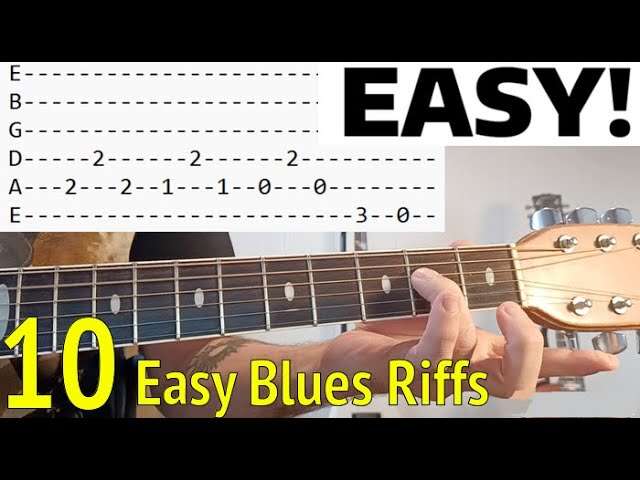
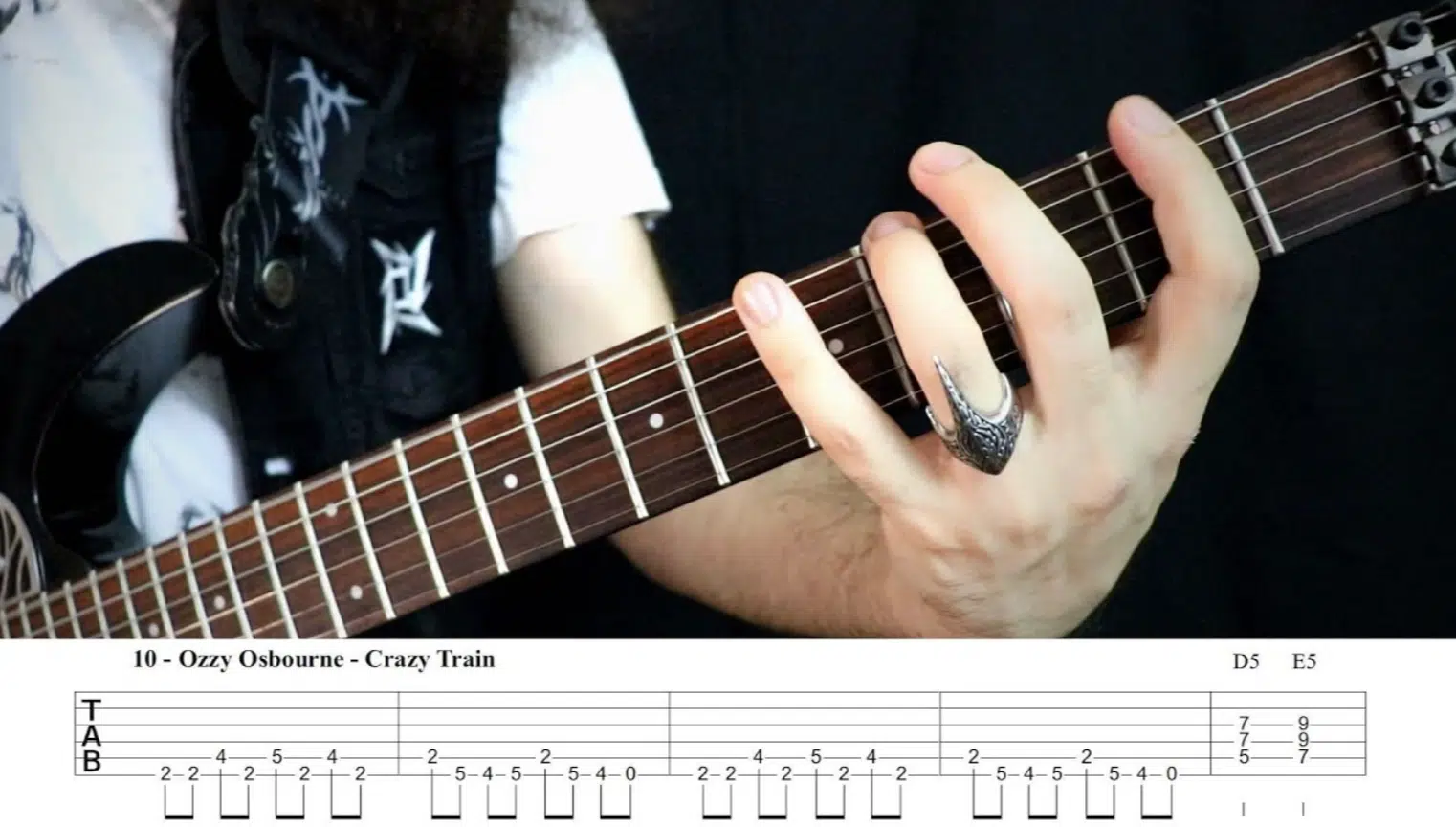
Write down riffs as standard notation, tab, or quick voice memos. Simple tabs help you remember fret positions. Notation can show rhythm precisely. I use quick phone recordings first, then tab the parts I want to keep. That makes them easier to refine later.
Recording and arranging riffs in a song
When recording, track a clean guitar take and one with the final tone. Use the clean take for editing and the colored take for vibe. Place riffs carefully: intros and choruses are prime real estate. Don’t overuse the riff; give it space to breathe so it stays special.
Conclusion
Mastering the guitar riff is a rewarding path. Focus on rhythm, clarity, and repetition. Keep phrases simple at first. Then refine them with texture, tone, and small variations. Riffs define songs. They hook listeners and give you a musical identity.
Grab your guitar. Set a loop or beat. Try the exercises above and record what feels good. If you want to dig deeper into songwriting or technique, keep exploring practice routines and learning resources. Do you have a favorite riff that changed how you view the instrument? Leave a comment below and let me know which one inspires you the most.

Senior Music Reviewer
Alex Carter is a seasoned music reviewer with over a decade of experience in the world of sound and instruments. Passionate about helping musicians and enthusiasts make informed choices, he brings sharp insights and in-depth knowledge to every review. From classical instruments to modern gear, Alex combines technical expertise with a love for music to deliver content that resonates with readers.
As a Senior Music Reviewer and expert author on Tuneluma.com, Alex is dedicated to sharing honest evaluations, practical advice, and thoughtful commentary to guide readers in their musical journey.