How Do You Read Guitar Tabs: The Ultimate 2026 Guide
Reading guitar tabs involves matching numbers on six horizontal lines to specific frets on your guitar strings.
When I first picked up a guitar, traditional sheet music felt like an old, foreign code. I nearly quit. Then I found guitar tabs. Tabs cut through theory and show you exactly where to put your fingers. Learning how do you read guitar tabs became the fastest way for me to play songs I loved. In this guide, I explain the visual logic of tabs. I also share simple practice tips so you can start playing songs the same day.

Understanding the Anatomy of a Tablature Staff
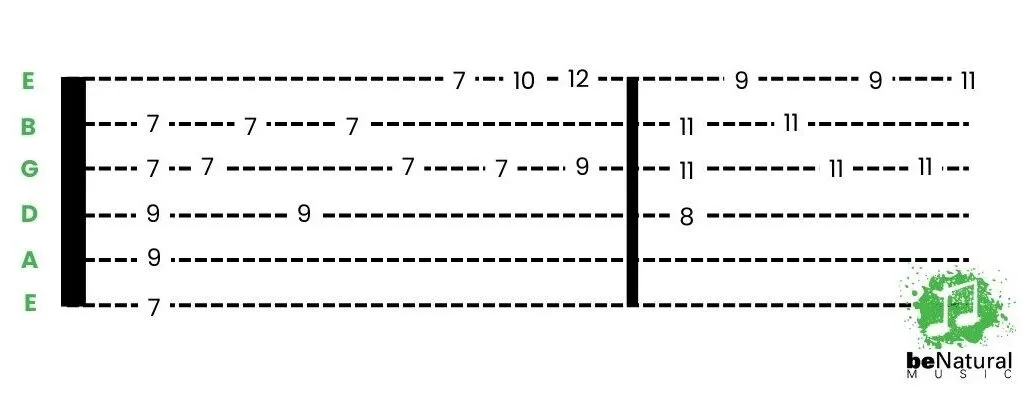
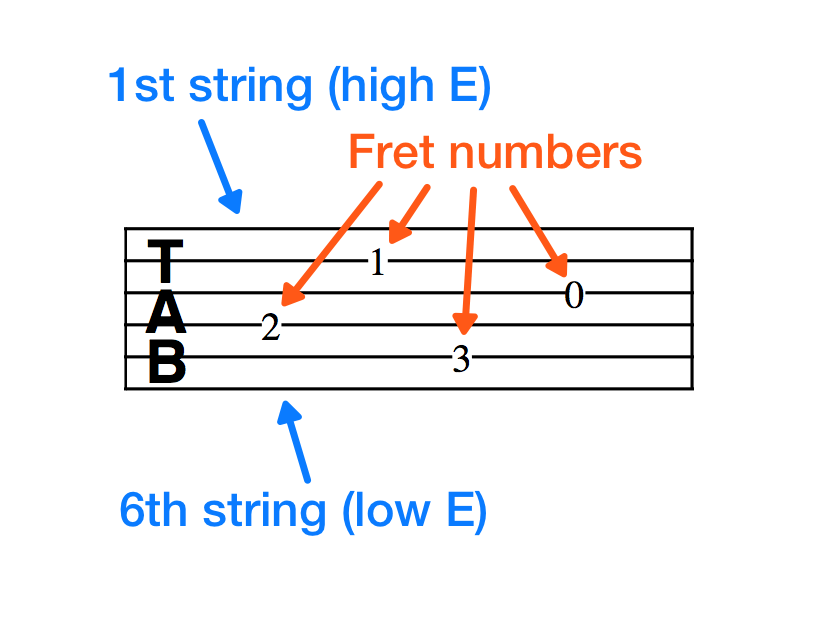
Guitar tablature, or tabs, is a visual map of your fretboard. The six horizontal lines match the six strings on your guitar. The top line is the high E string. The bottom line is the low E string. This layout is a mirror of how you see the neck while you play. Knowing this mirror image is the first step in how do you read guitar tabs.
Each number on a line tells you which fret to press. A 3 on the bottom line means the third fret on the thickest string. A 0 means play the string open. When numbers stack vertically, play those notes at the same time. That gives you a chord. Tabs make it easy to find notes. You do not need to read standard notation to use them.
Standard tuning and string names
Most tabs use standard tuning: E A D G B E, from the low (thick) string to the high (thin) string. If a tab uses a different tuning, it should say so. Look for notes like “Drop D” or “D A D G B E.” Tuning matters. Play in the tuning the tab shows. If you do not, the notes will sound off.
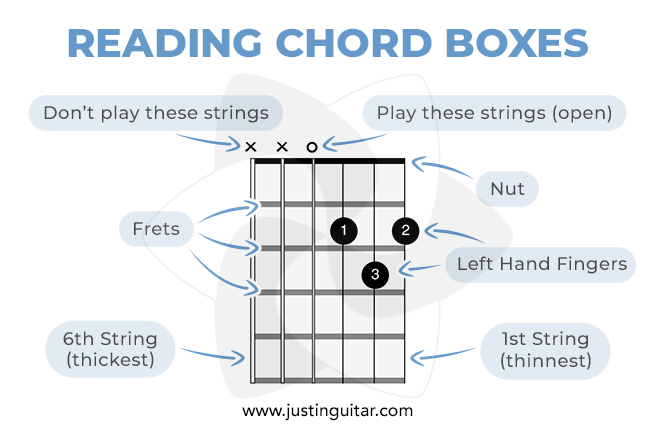
Strings and frets are physical. Place your finger just behind the fret wire. Press firmly. Keep your thumb behind the neck. Use your fingertips, not the flat part of the finger. These small details make the tab sound clean.
Mastering Timing and Rhythmic Symbols
Numbers tell you where to put your fingers. They do not always tell you how long to hold a note. That is a common stumbling block when you first learn how do you read guitar tabs. Some tabs include rhythmic marks above the staff. These marks show note length. Simpler tabs may have no rhythm marks. In those cases, listen to the recording. Use the song as your timing guide.
I often practice with a metronome. It keeps my timing steady. Start slow. Play small sections. Speed up only when each note feels solid. This method builds accuracy.
Common rhythmic markers in tabs
Look for stems, flags, or beams above the tab. They match standard note values: whole, half, quarter, and eighth notes. Dots and ties also appear. If a tab lacks these marks, count the beats while you listen to the song. Clap the rhythm first. Then play the notes.
Common technique symbols and what they mean
Tabs also show technique. Here are the most common shorthand symbols:
- h = hammer-on. Play the first note, then hammer the next without re-picking.
- p = pull-off. Let a fretted note fall to a lower note on the same string.
- / or sl = slide up. Move smoothly to the target fret.
- \ = slide down.
- b = bend. Push the string to reach a higher pitch.
- r = release bend.
- ~ = vibrato.
- x = muted or percussive note.
Learning these symbols adds tone and feel to your playing. They are how you make tabs sound like the original recording.
Essential Tips for Success with Guitar Tabs
Consistency matters most. Many beginners jump into complex solos. That often leads to frustration. Start simple. Practice basic chord changes. Work on short scale patterns. These build muscle memory fast.
Daily practice routine you can use
Try a short routine that fits into your day. Spend 10 minutes on warm-ups. Spend 10 minutes on a small riff or chord change. Spend 10 minutes on timing with a metronome. Short, focused reps win over long, unfocused practice.
How to use your ears with tabs
Tabs are a roadmap. Your ears are the compass. Always listen to the song while you learn the tab. Use the recording to check note length, dynamics, and phrasing. If something sounds off, try a different tab version. Compare them and pick the best one.
Tools and apps that help
Use slow-down tools or tab players to loop tricky parts. Programs like Guitar Pro, free tab viewers, and phone apps let you loop sections and change the tempo. A tuner and metronome are essential. They keep your sound in tune and your timing tight.
Also learn common patterns on the fretboard. Shapes repeat. Once you see a pattern, you will learn new songs faster.

Frequently Asked Questions of how do you read guitar tabs
Do I need to know how to read standard music notation to use tabs?
No. You do not need traditional sheet music to use tabs. Tabs are a visual guide for guitarists. They show finger placement directly. That makes them easy to learn. Still, basic rhythm and ear training help a lot.
What do the letters like h, p, and s mean in tabs?
They mark techniques: hammer-ons, pull-offs, and slides. These letters tell you how to move between notes. Learn them to match the original phrasing and tone.
Can I find tabs for every song ever written?
Many popular songs have user-created tabs online. Accuracy varies. If a part feels wrong, check other versions. Use recordings and multiple tabs to confirm tricky parts.
Why do some tabs have numbers in parentheses?
Parentheses often mark ghost notes or optional tones. These are softer or ambient sounds. They add nuance but are not always required to play the part.
Is reading tabs bad for my musical development?
Tabs are a great tool. But do not rely on them only. Mix in ear training, timing practice, and basic music theory. That makes you a stronger player over time.
Conclusion
Learning how do you read guitar tabs opens a huge library of songs. Once you know the string layout, fret numbers, and technique symbols, you can learn songs faster. Mastering tabs gives quick wins that keep you motivated. Start by downloading a tab for a song you love and try playing just the first few bars today. If you want to dive deeper into guitar techniques, check out our library of instructional videos or subscribe to our newsletter for weekly practice tips.

Senior Music Reviewer
Alex Carter is a seasoned music reviewer with over a decade of experience in the world of sound and instruments. Passionate about helping musicians and enthusiasts make informed choices, he brings sharp insights and in-depth knowledge to every review. From classical instruments to modern gear, Alex combines technical expertise with a love for music to deliver content that resonates with readers.
As a Senior Music Reviewer and expert author on Tuneluma.com, Alex is dedicated to sharing honest evaluations, practical advice, and thoughtful commentary to guide readers in their musical journey.