What Is A Snare Drum: Complete Beginner Guide
A snare drum is a shallow drum with metal wires that create a crisp, cutting sound.
I’ve spent years playing and teaching drums, and I’ll walk you through exactly what is a snare drum, how it works, and why it is the backbone of many rhythms. This guide explains parts, types, tuning, playing tips, and buying advice in a clear, friendly way. Read on to master the essentials and make smarter choices about the snare drum in your life.
How a snare drum works
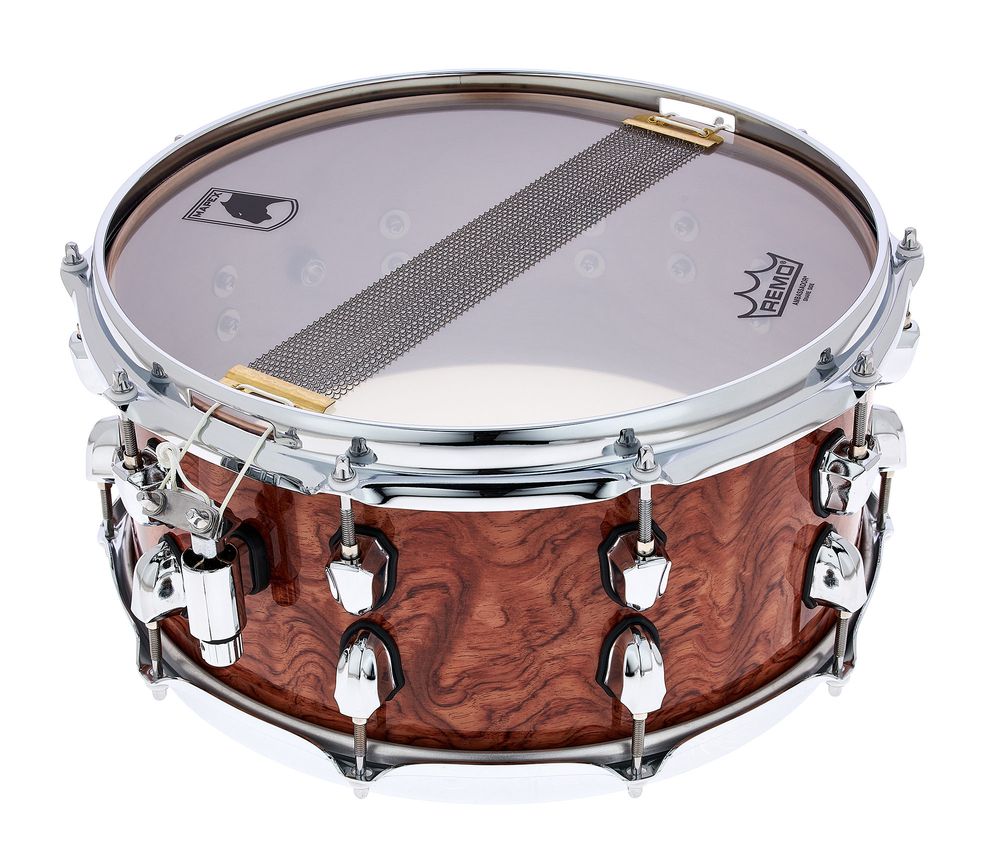
A snare drum creates sound by striking a stretched head with sticks. The vibration of that head transfers to metal wires called snares. Those snares buzz against the bottom head and add the drum’s signature crispness. You change tone by altering head tension, snare tension, or the type of head you use. Understanding how tension, shell material, and snares interact is key to shaping the sound you want.
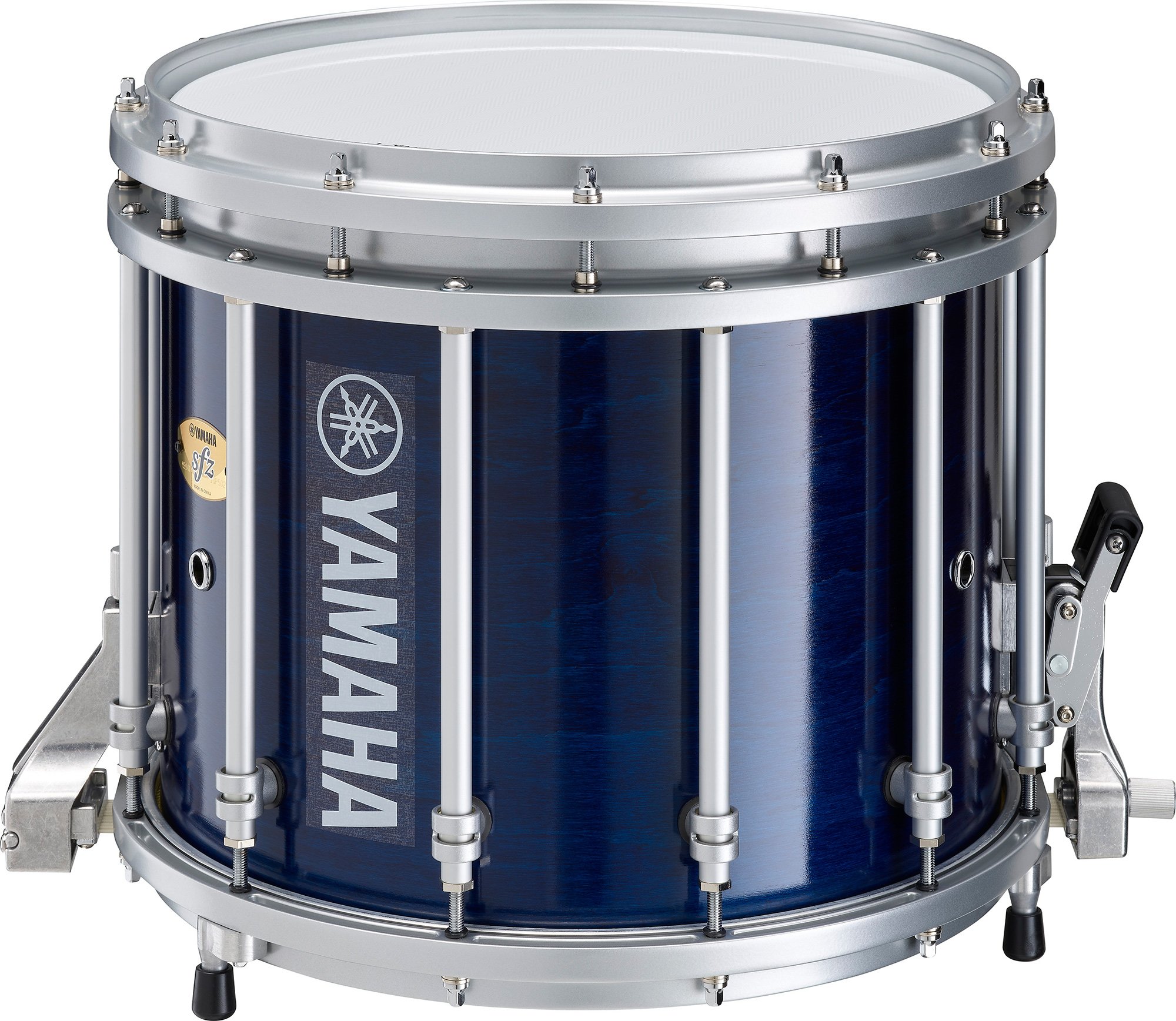
Parts and types of a snare drum
A basic snare drum has a few core parts:
- Shell: The drum’s body, usually wood, metal, or acrylic.
- Batter head: Top head you strike.
- Resonant head: Bottom head that the snares contact.
- Snares: Metal wires, gut, or plastic strands stretched across the bottom head.
- Hoops and lugs: Hardware to hold and tune the heads.
- Snare strainer: Mechanism to engage or disengage the snares.
Common types of snare drums:
- Drum kit snare: Standard for most music styles.
- Marching snare: Deeper shell, louder projection for parades and field shows.
- Piccolo snare: Shallower shell, bright and cracking sound.
- Brass or steel snare: Metal shells that give a sharp attack and long sustain.
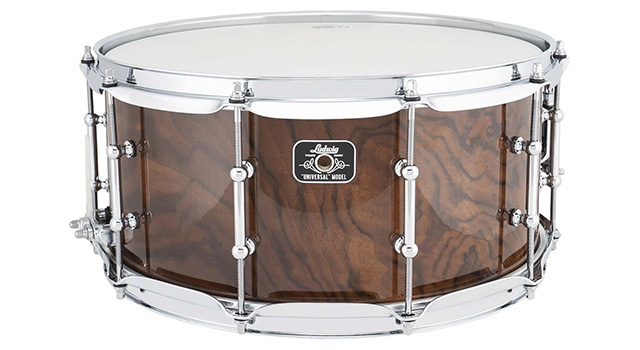
- Wood snare: Warm, balanced tone often used in studio work.
Knowing what is a snare drum means knowing these parts and how they change tone. Choose the type by the sound and feel you want.

How to tune and play a snare drum
Tuning basics:
- Start with even tension across the batter head.
- Tune the resonant head slightly tighter or looser to taste.
- Tighten or loosen the snare strainer to control buzz.
- Small tweaks at each lug yield big tone changes.
Basic playing techniques:
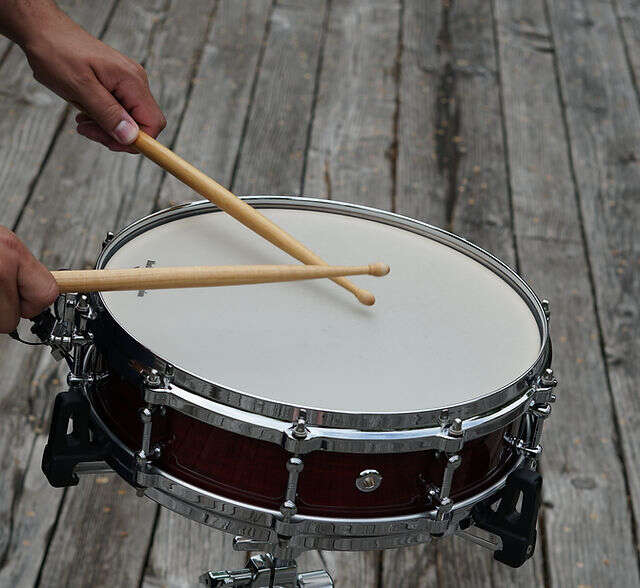
- Grip the stick comfortably; control matters more than force.
- Learn three stroke types: full strokes, tap strokes, and rimshots.
- Use ghost notes for groove; they add depth without volume.
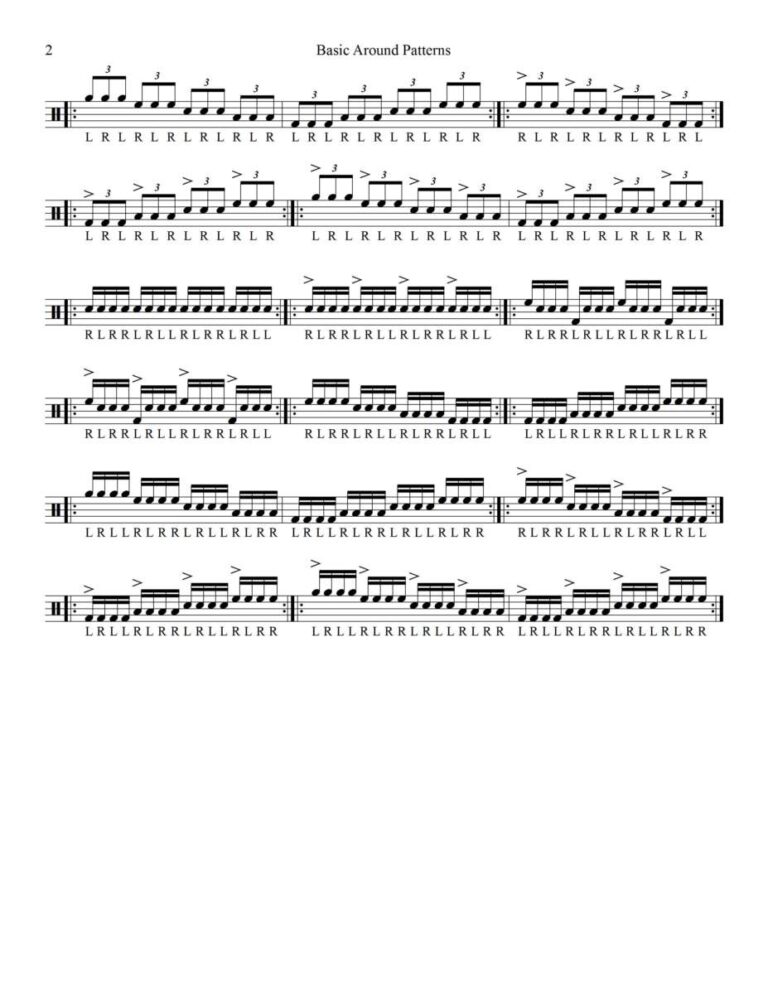
- Practice rudiments: single stroke roll, double stroke roll, paradiddle.
Practical tuning routine:
- Loosen all lugs, finger-roll each to seat the head.
- Bring each lug to a medium pitch by ear or with a tuner.
- Fine-tune opposite lugs to keep even pitch.
- Adjust snares for desired snap or buzz.
When you know what is a snare drum inside out, tuning becomes faster. Small steps and regular practice give consistent results.

Uses across genres and common roles
The snare drum plays many roles:
- Rock: Cuts through loud guitars with backbeat hits on 2 and 4.
- Jazz: Lighter touch, brushes, and syncopation for swing and feel.
- Marching band: Crisp, articulate patterns for outdoor projection.
- Pop and hip-hop: Tight grooves and snappy hits to drive songs.
- Orchestral: Color and accents, used for rolls and dynamic effects.
The answer to what is a snare drum depends on the style. In rock it’s a punch. In jazz it’s a conversation. The versatility is why drummers keep a trusted snare close.
Buying guide and maintenance
What to consider when buying:
- Sound you want: bright metal or warm wood?
- Shell size: common is 14" diameter; depth affects voice.
- Budget: new, used, and boutique options vary widely.
- Versatility: a mid-depth wood snare often works for many styles.
Maintenance tips:
- Change heads when they lose tone or show dents.
- Clean the shell and hardware to avoid grime and noise.
- Check lug screws and replace rusty parts.
- Replace snares if wires break or cage becomes uneven.
If you ask what is a snare drum for buying, answer it by matching sound needs to budget. Try several drums before buying.
Personal experience and practical tips
I learned to tune by ear early on. My first mistake was overtightening the batter head. The drum sounded thin and lost warmth. I switched to small steps and tuned opposite lugs in sequence. That made the tone even and reliable.
Lessons I learned:
- A cheap head can ruin an expensive shell. Invest in one good head.
- Try both wood and metal snares before choosing your main drum.
- Keep a small tuning key in your gig bag. Quick changes save shows.
Real tip: if you ever hear sympathetic buzz, try slightly loosening the resonant head first. That trick fixed many problems for me onstage.

Frequently Asked Questions of what is a snare drum
What is a snare drum used for?
A snare drum provides rhythm and accent in music. It offers a sharp backbeat and adds rhythmic clarity across many genres.
How do snares affect sound?
Snares press against the bottom head and create a buzzing, crisp quality. Tightening them increases snap; loosening adds rattle.
Should I choose wood or metal for a snare shell?
Wood gives warmth and body; metal gives brightness and cut. Choose based on the style you play and the tone you prefer.
Can I play a snare drum without a drum kit?
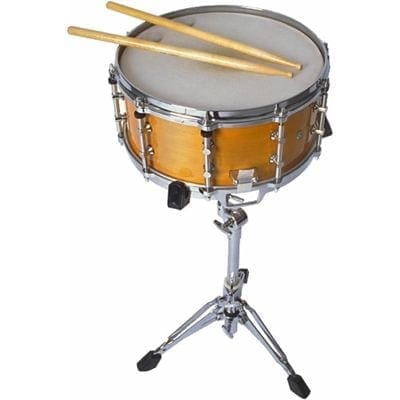
Yes. You can play a snare solo or mount it on a stand for practice. Marching and orchestral players do this often.
How often should I change snare heads?
Change heads when they sound dull or show dents, typically every few months with regular use. Gigging drummers change heads more often for consistent tone.
Is tuning a snare drum hard for beginners?
Tuning takes practice but is simple with a basic routine. Tune opposite lugs, listen for even pitch, and adjust the snares after head tuning.
What is the difference between a rimshot and a regular hit?
A rimshot strikes the head and rim simultaneously and produces a louder, cracking sound. Use it for accents and cuts in the mix.
Conclusion
A snare drum is a vital, versatile instrument that gives music its snap, pulse, and personality. You now know what is a snare drum, the parts that shape its sound, how to tune and play it, and how to pick one that fits your style. Try a few snares, practice rudiments, and keep your gear maintained to get the best sound. If this helped, try tuning a new head tonight and leave a comment about your results or subscribe for more hands-on drum tips.

Senior Music Reviewer
Alex Carter is a seasoned music reviewer with over a decade of experience in the world of sound and instruments. Passionate about helping musicians and enthusiasts make informed choices, he brings sharp insights and in-depth knowledge to every review. From classical instruments to modern gear, Alex combines technical expertise with a love for music to deliver content that resonates with readers.
As a Senior Music Reviewer and expert author on Tuneluma.com, Alex is dedicated to sharing honest evaluations, practical advice, and thoughtful commentary to guide readers in their musical journey.