Who Made The First Drum: Origins And Inventor Revealed
Prehistoric humans — early hunter-gatherer communities — made the first drums thousands of years ago.
I have studied ancient instruments and worked with makers, ethnomusicologists, and archaeologists. In this article I explain who made the first drum, how we know, and why that origin matters. I will walk you through definitions, archaeological clues, materials and methods, cultural roles, and how drums evolved into the modern instruments we know today. Read on for clear evidence, simple explanations, and practical tips based on real-world experience.

What is a drum?
A drum is a membrane stretched over a frame or cavity. When you strike the membrane, it vibrates and creates sound. Drums range from small hand drums to large bass drums. The basic idea is simple. That simplicity makes drums one of the oldest human-made instruments.

Who made the first drum — archaeological perspective
When people ask who made the first drum, they usually mean which culture or when in human history drums first appeared. No single person invented the drum. Early drum making was a group innovation. Prehistoric communities across different continents created drums independently.
Archaeology shows drum-like objects and depictions in rock art, pottery, and burial goods. Some finds date to the Neolithic era, more than 6,000 years ago. Others hint at even older percussive traditions that used hollowed wood, gourds, or animal skins.
Why we cannot name one inventor:
- Drums are simple and easy to prototype with natural materials.
- Independent invention fits the global distribution of early drums.
- Organic materials decay, so the archaeological record is sparse and biased.
How early drums were made
Early drum makers used what nature offered. They used hollow logs, gourds, pottery vessels, and stretched animal skin. Construction followed clear steps that are still basic today.
Typical early drum building steps:
- Find a hollow container or carve a cavity in wood.
- Select a thin hide, soak and stretch it over the opening.
- Secure the hide with cord, plant fiber, or a wooden rim.
- Let the hide dry and tune by tightening or loosening bindings.
Materials often included:
- Animal hide from deer, goat, or ox.
- Wood from local trees.
- Plant fibers for cords.
- Stone or bone tools to shape components.
These methods explain why drums appear across many ancient cultures. The process is intuitive and repeatable. That universality helps answer who made the first drum: many hands, many places.

Cultural roles and significance
Drums carried meaning beyond sound. They helped people keep time, send messages, mark rituals, and unite groups.
Common roles of early drums:
- Ceremony and ritual: Drums set pace and mood for rites.
- Communication: Low beats could send signals across distances.
- Social bonding: Group drumming builds coordination and trust.
- Work and dance: Drums organize collective labor and movement.
Because drums were social tools, entire communities often contributed to their making and use. That communal creation further supports the idea that no single person "made" the first drum.
Evolution into modern drums
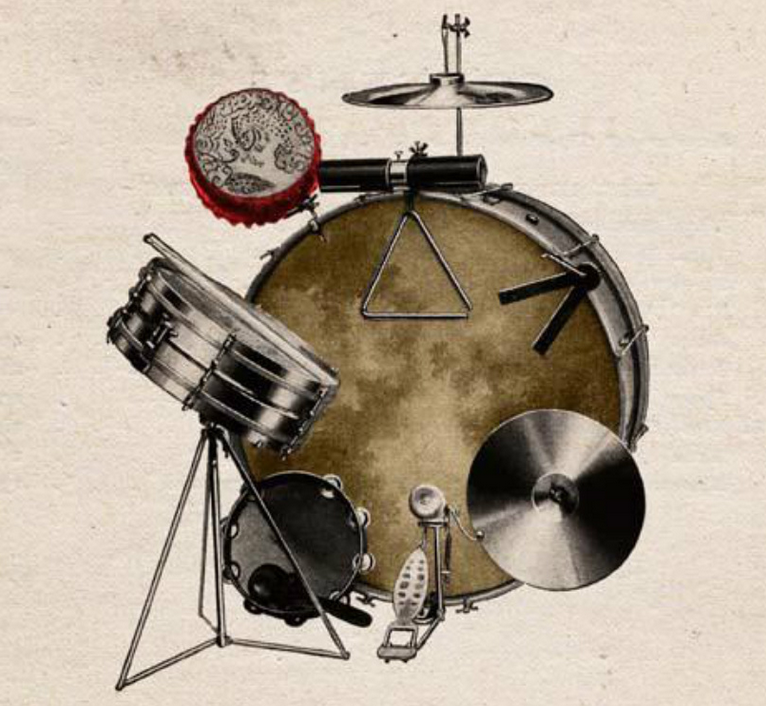
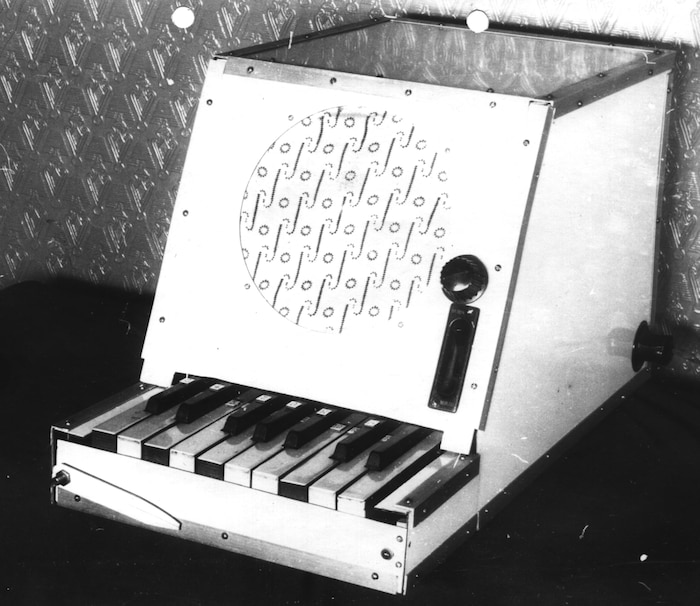
Over time, drum design diversified. Cultures added tension systems, metal parts, and new materials. The frame drum, barrel drum, and shell drum evolved in different regions. Colonial trade and cultural exchange sped innovations in the last thousand years.
Key evolutionary steps:
- Introduction of ropes and mechanical tensioners for tuning.
- Metal rims and screws in the industrial era.
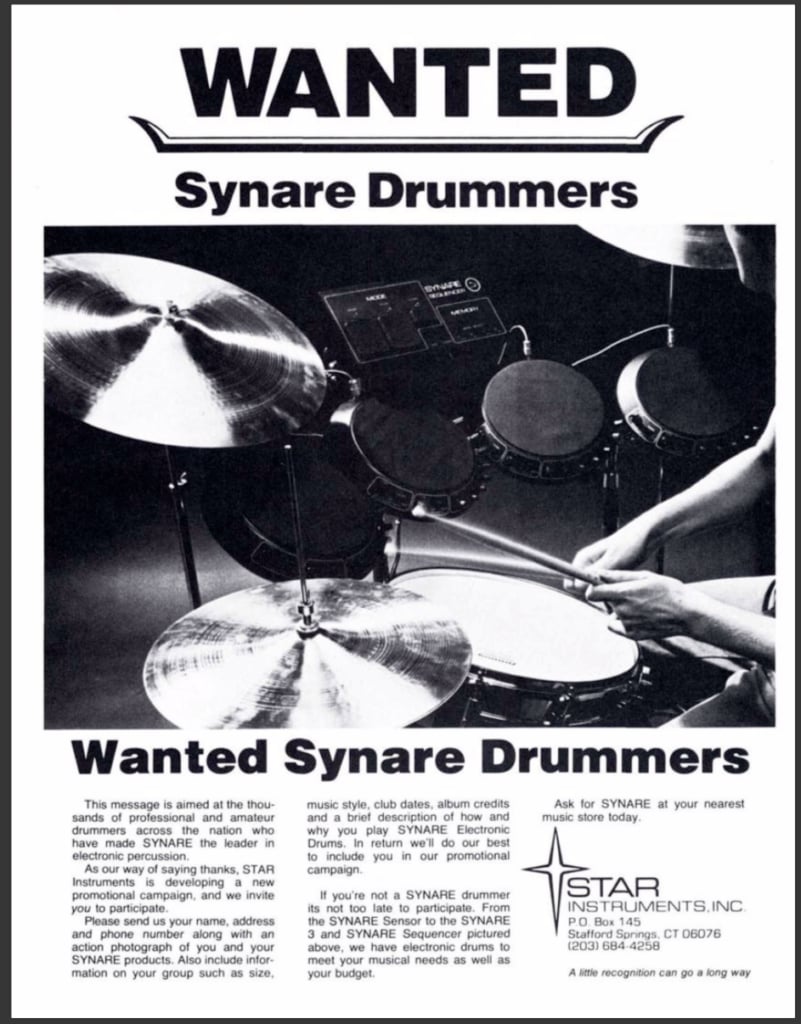
- Synthetic heads in the 20th century for stability and durability.
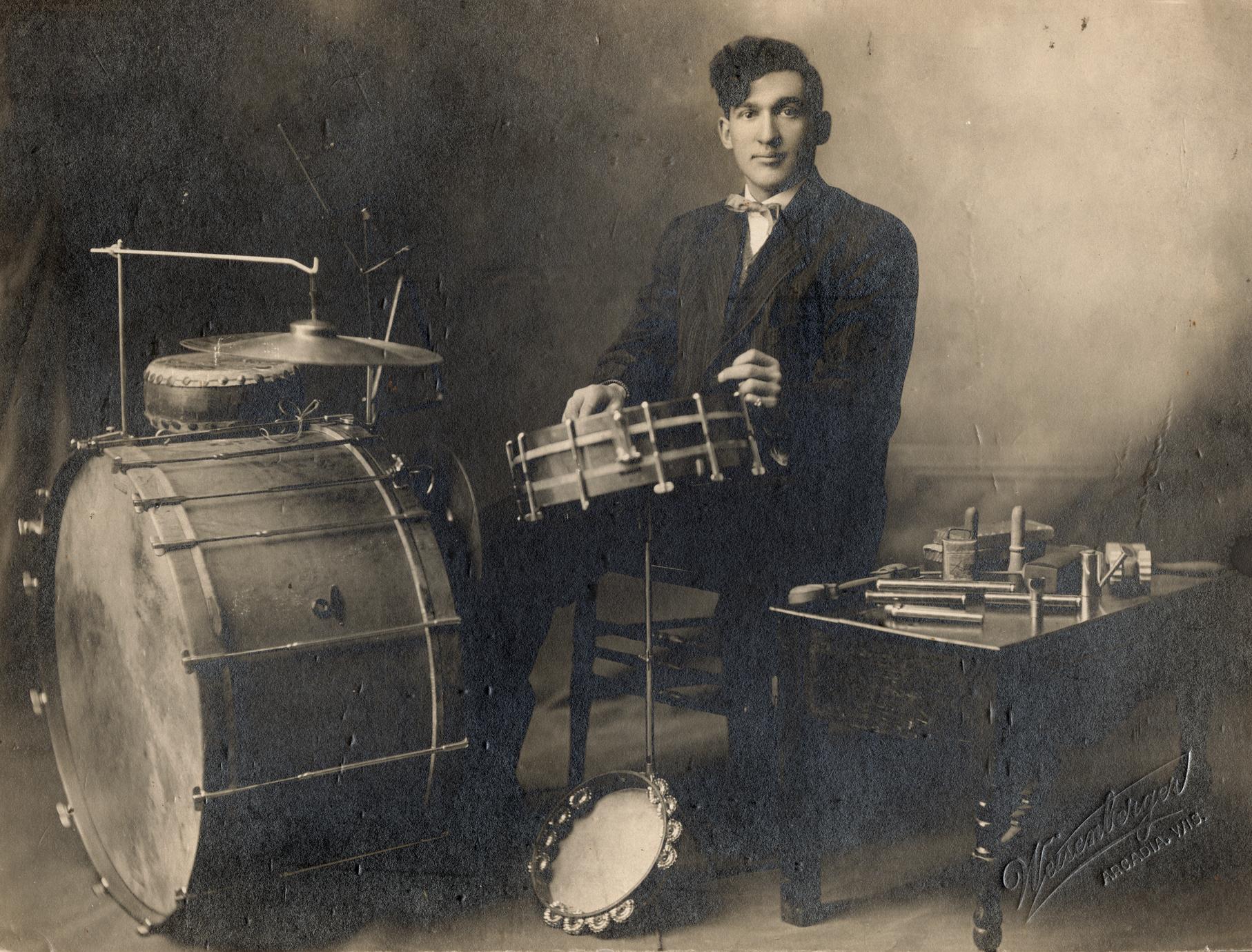
The modern drum kit, marched band drums, and global hand percussion all trace back to the same principle: a stretched membrane over a resonator. When exploring who made the first drum, remember that modern drums are descendants of many early inventions.
How scholars determine origins and dates
Dating early drums is tricky. Organic skins and wood decay fast. Scholars use indirect evidence and cross-disciplinary methods to form conclusions.
Common methods:
- Radiocarbon dating of preserved organic parts.
- Iconography and art analysis showing drums in use.
- Comparative studies of surviving traditional instruments.
- Ethnographic analogy: living traditions that preserve old methods.
Each method has limits. For many finds, context is key. Without clear context, claims about who made the first drum must stay cautious.
Personal experience and practical tips
I have built and played hand drums while studying traditional makers. I have seen how a community passes techniques across generations. These experiences taught me three lessons.
Lessons learned:
- Start simple: use a gourd or small frame to test ideas.
- Respect materials: hides need care and proper drying for sound.
- Listen and adapt: traditional makers tune by ear and feel, not by theory.
Practical tips for trying to recreate early drums:
- Use local materials for authenticity and availability.
- Soak hides lightly before shaping to avoid tears.
- Secure bindings evenly to prevent warping.
These hands-on tips can help hobbyists and researchers test theories about who made the first drum.
Limitations and uncertainties
We should be honest about what we do not know. The archaeological record is incomplete. Organic materials rarely survive long. Art and iconography can be ambiguous.
Uncertainties to keep in mind:
- Exact dates may shift with new finds.
- Regional variations complicate a single-origin story.
- Interpretations can be biased by modern assumptions.
Accepting uncertainty improves trust. It also keeps research open to new evidence and better answers to who made the first drum.
Related concepts and terms to know
Understanding related ideas helps answer who made the first drum. Here are useful terms.
- Membranophone: Instruments that produce sound with a vibrating skin.
- Idiophone: Instruments that produce sound from the material itself, like bells.
- Frame drum: A simple drum with a wide rim and a single head.
- Ethnomusicology: Study of music in cultural context.
Knowing these terms helps you read research and spot credible claims on who made the first drum.
Practical examples and case studies
Examples help ground the topic. Consider these general cases.
- Rock art in some regions shows people holding round items that look like drums.
- Ancient burial goods sometimes include objects that could be drum frames.
- Traditional drum-making communities today use methods very close to those expected in prehistory.
These examples do not name an inventor. They show how groups across time refined drum-making.
Frequently Asked Questions of who made the first drum
Who invented the drum?
No single inventor created the drum. Early communities across different regions independently developed drums using local materials.
When were drums first used?
Drum use dates back at least several thousand years, with strong evidence from the Neolithic era and possible origins earlier than 6,000 years ago.
Where were the earliest drums found?
Evidence appears worldwide. Finds and depictions come from multiple continents, suggesting independent invention rather than a single origin.
How do archaeologists know about ancient drums?
They use radiocarbon dating, art and iconography, preserved artifacts, and comparisons with living traditions to infer drum history.
Can modern people recreate ancient drums accurately?
Yes, to a reasonable degree. Using traditional materials and methods can produce drums similar in sound and construction to ancient examples.
Conclusion
The first drum was not made by a single person. It was born from human curiosity and a need for rhythm. Prehistoric people across many regions crafted simple membranes and resonators to make sound. Archaeology, art, and living traditions together paint a picture of many hands shaping this key instrument.
Takeaway: explore local traditions, try building a simple drum, and listen closely to how rhythm connects people. If this topic interests you, leave a comment, subscribe for updates, or dig into regional studies to learn more about who made the first drum.

Senior Music Reviewer
Alex Carter is a seasoned music reviewer with over a decade of experience in the world of sound and instruments. Passionate about helping musicians and enthusiasts make informed choices, he brings sharp insights and in-depth knowledge to every review. From classical instruments to modern gear, Alex combines technical expertise with a love for music to deliver content that resonates with readers.
As a Senior Music Reviewer and expert author on Tuneluma.com, Alex is dedicated to sharing honest evaluations, practical advice, and thoughtful commentary to guide readers in their musical journey.