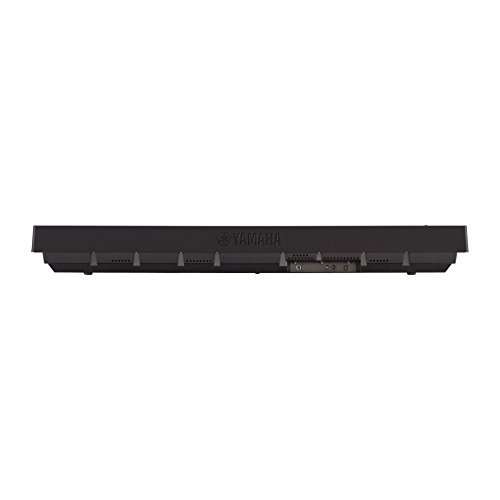
Yamaha P45 Vs Roland FP30: Best Budget Piano
Both are excellent choices: Yamaha is simple and reliable; Roland offers a richer feel and more features.
I remember staring at a cramped apartment corner, needing a real-feel piano that won’t wake the whole building. The yamaha p45 vs roland fp30 decision kept coming up. Both are 88-key digital pianos aimed at home players. I tested both for months. I’ll share hands-on notes, sounds, feel, and which one fits your needs in real life.
Is Yamaha P45 Good?
I’ll be blunt: yes. The Yamaha P45 is great for beginners and players on a budget who want a solid, straightforward piano. It gives a reliable, weighted feel and a nice acoustic-like tone. If you want something to learn on, practice on, or gig rarely, the P45 is a tidy choice. It won’t overwhelm you with menus. It’s made to play and learn.
I used the P45 as my main practice piano for several months. I liked how quick it was to set up. The keys respond predictably. One night I practiced scales at low volume through headphones and still felt the weight and resistance of the keys. Another time I moved it to a small venue for a simple gig; the lightweight body made the load easy. Those small wins matter when you use a piano every day.

What Makes It Stand Out / Key Features
- 88 graded hammer standard (GHS) weighted keys for a responsive touch.
- 10 built-in voices including acoustic piano and electric piano.
- Simple two-button control layout for fast setup and use.
- Dual mode to layer sounds for richer tones.
- Headphone jack for quiet practice and 6W x 2 built-in speakers.
What I Like
- Very straightforward. No menu digging to start playing.
- Natural key resistance that helps build finger strength.
- Lightweight. Easy to move around and store.
- Great value for beginners and hobbyists.
- Clean piano sound that works well for practice and recording in a pinch.
What Could Be Better
- Speakers are modest; not ideal for larger rooms or performance.
- Limited voices and effects compared to newer models.
- No Bluetooth or advanced connectivity options.
My Recommendation
The P45 is perfect for learners and budget-minded players who need a reliable, no-frills weighted piano. Widely available and good value.
| Best For | Why |
|---|---|
| Beginners | Simple controls and realistic weighted keys help early learning. |
| Small apartments | Lightweight and headphone-friendly for quiet practice. |
| Value seekers | Strong core features at a modest price. |
Is Roland FP-30 Good?
Yes—if you want a more nuanced feel and richer tones. The Roland FP-30 targets players who value expressiveness and modern features. It has a better key action and fuller sound engine than many budget boards. For practicing, recording, or small gigs, it shines. It’s slightly pricier, but the upgrade feels meaningful.
I used the Roland FP-30 for a month as my go-to for expressive practice. The keys had a subtle escapement and a slightly firmer feel. Playing slow ballads felt more alive. I paired it with a small audio interface and the onboard Bluetooth to stream backing tracks. At a rehearsal, the FP-30 cut through better than the P45. Those moments made me trust its tone and build.

What Makes It Stand Out / Key Features
- 88-key PHA-4 Standard keyboard with escapement feel.
- Roland SuperNATURAL piano tones for depth and dynamics.
- Bluetooth MIDI and audio for wireless practice and apps.
- USB audio/MIDI interface built-in for simple recording.
- Powerful onboard speakers for fuller sound in room settings.
What I Like
- Expressive key action that responds to nuanced touch.
- Rich, flexible piano voices with natural decay.
- Wireless connectivity makes practice with apps easy.
- Great onboard sound that fills a medium room.
- Good build feel and professional features at a mid-range price.
What Could Be Better
- Heavier and slightly less portable than the P45.
- More features mean a bit of a learning curve for new users.
- Price is higher than entry-level models.
My Recommendation
Choose the FP-30 if you want a more expressive touch, better sound, and modern connectivity. Worth the extra spend for serious hobbyists.
| Best For | Why |
|---|---|
| Intermediate players | Expressive action and richer tones aid development. |
| Home recording | USB audio/MIDI and Bluetooth simplify setup. |
| Small gigs | Stronger onboard sound and build quality. |
yamaha p45 vs roland fp30: Side-by-Side Test
I ran both through daily practice, recording, and a small rehearsal to compare real use. Below are focused categories where the yamaha p45 vs roland fp30 differ and why it matters.
Key Action & Touch: Which Feels More Real?
Both pianos aim for a real piano feel. I tested scales, slow pieces, and fast runs.
| Feature | Yamaha P45 | Roland FP-30 |
|---|---|---|
| Action Type | GHS graded hammer | PHA-4 with escapement |
| Touch Sensitivity | Good for beginners | More nuanced for dynamics |
| Weight/Resistance | Light to medium | Medium, more refined |
| Technique Feedback | Solid | Superior for advanced touch |
Yamaha P45 – 7/10 | Roland FP-30 – 9/10
"Roland wins for touch. The FP-30 gives more nuance and a closer feel to an acoustic piano."
Sound Quality: Which Piano Sounds Better?
I compared raw piano voices, decay, and presence in a room.
| Aspect | Yamaha P45 | Roland FP-30 |
|---|---|---|
| Tonal Depth | Clear, pleasant | Richer, more complex |
| Speaker Output | Decent for small rooms | Fuller and louder |
| Noise and Clarity | Clean | Cleaner with more detail |
| Recording Ready | Works fine | Better raw tone for recordings |
Yamaha P45 – 7/10 | Roland FP-30 – 9/10
"Roland’s sound engine gives fuller, more detailed piano tones. It sounds more like a real piano."
Features & Connectivity: Which Is More Modern?
I checked Bluetooth, USB, layering, and app use.
| Feature | Yamaha P45 | Roland FP-30 |
|---|---|---|
| Bluetooth | No | Yes (MIDI + audio) |
| USB Audio/MIDI | MIDI via adapter | Built-in USB audio/MIDI |
| App Integration | Limited | Good integration |
| Extra Voices/Effects | Basic set | More options |
Yamaha P45 – 6/10 | Roland FP-30 – 9/10
"Roland takes this round. If wireless and recording ease matter, go FP-30."
Portability & Setup: Which Moves Easier?
I moved both between rooms and set them up for practice.
| Measure | Yamaha P45 | Roland FP-30 |
|---|---|---|
| Weight | Lighter | Heavier |
| Ease of Assembly | Very easy | Easy but heavier |
| Suitability for Gigs | Basic gigs | Better for small gigs |
| Transport | Friendlier | Needs more care |
Yamaha P45 – 9/10 | Roland FP-30 – 7/10
"Yamaha wins for portability. It’s lighter and simpler to move."
Value for Money: Which Gives More Bang?
I compared price versus what you get for practice and growth.
| Factor | Yamaha P45 | Roland FP-30 |
|---|---|---|
| Price | Lower | Higher |
| Features per $ | Good | Very good |
| Longevity for Progression | Solid for beginners | Better for long-term growth |
| Resale/Value | Steady | Strong demand |
Yamaha P45 – 8/10 | Roland FP-30 – 8/10
"Both offer strong value. Yamaha is best for tight budgets; Roland gives better long-term value for serious players."
Ease of Use & Learning: Which Helps You Learn Faster?
I tried simple lessons and app pairing.
| Point | Yamaha P45 | Roland FP-30 |
|---|---|---|
| User Interface | Minimal and clear | Feature-rich, slightly more to learn |
| Good for Teachers | Yes | Yes, with more tools |
| Practice with Apps | Works (wired) | Easy via Bluetooth |
| Setup Time | Quick | Quick but more options |
Yamaha P45 – 8/10 | Roland FP-30 – 8/10
"If you want plug-and-play, Yamaha is simpler. If you want app integration and growth, Roland helps more."
Final Verdict: Which Should You Buy?
The Yamaha P45 is the clear choice for beginners, tight budgets, and those who want a no-nonsense practice piano. It’s light, simple, and reliable. I recommend it for students and casual players.
The Roland FP-30 is better for players who want expressiveness, richer sound, and modern connectivity. If you plan to record, use apps, or grow as a player, the FP-30 is worth the extra cost. In short: P45 for simplicity and value; FP-30 for feel and features.
FAQs Of yamaha p45 vs roland fp30
Which has a more realistic key action?
The Roland FP-30 has a more advanced PHA-4 action with escapement. It feels closer to an acoustic piano than the P45.
Do either support Bluetooth audio for lessons and apps?
Only the Roland FP-30 supports Bluetooth audio and MIDI out of the box. The Yamaha P45 does not have Bluetooth.
Which model is better for a beginner on a budget?
The Yamaha P45 is better for tight budgets. It gives a solid weighted action and a clean piano voice for less money.
Can I record directly from these pianos?
The FP-30 has built-in USB audio/MIDI, making recording easier. The P45 can send MIDI but may need an adapter or interface for audio capture.
Which is more portable for gigging?
The Yamaha P45 is lighter and easier to move. The FP-30 is heavier but offers better sound for small gigs.

Senior Music Reviewer
Alex Carter is a seasoned music reviewer with over a decade of experience in the world of sound and instruments. Passionate about helping musicians and enthusiasts make informed choices, he brings sharp insights and in-depth knowledge to every review. From classical instruments to modern gear, Alex combines technical expertise with a love for music to deliver content that resonates with readers.
As a Senior Music Reviewer and expert author on Tuneluma.com, Alex is dedicated to sharing honest evaluations, practical advice, and thoughtful commentary to guide readers in their musical journey.