What Are Rudiments In Drumming: Essential Drills
Rudiments are the basic stick patterns and techniques every drummer must master.
I’ve been teaching and playing drums for over a decade, and I can tell you that understanding what are rudiments in drumming changes everything. This guide explains what rudiments are, why they matter, and how to practice them so you can play with control, speed, and musicality. Read on and you’ll get clear definitions, practical exercises, real tips from my experience, and a simple plan to make rudiments part of your daily practice.

What are rudiments in drumming? Definition and core concepts
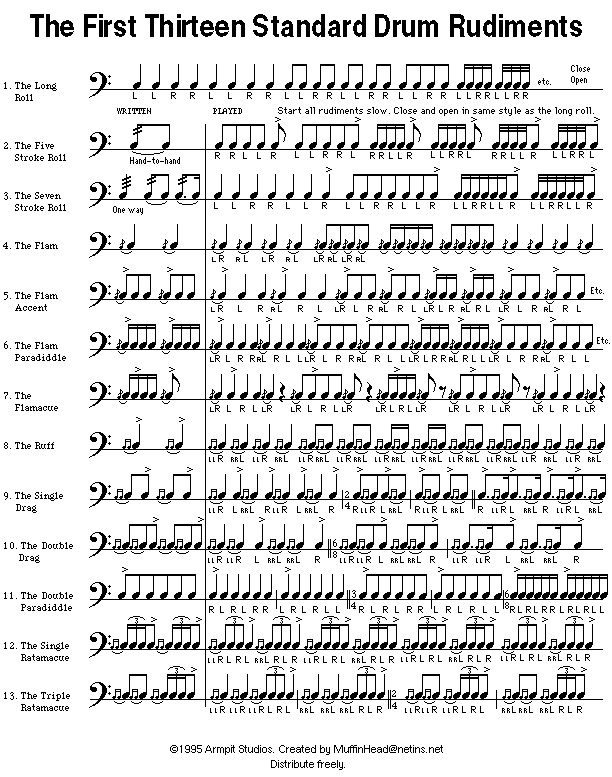
Rudiments are short rhythmic patterns that train your hands and feet. They are the building blocks for more complex beats and fills. Think of rudiments like scales for drummers. Each rudiment focuses on control, timing, balance, and stroke technique.
Why this matters: when you know what are rudiments in drumming, you gain a toolkit to improvise, keep steady time, and make your playing cleaner. Rudiments teach you where to place accents, how to move between hands, and how to control volume. They apply to drum kit playing, marching drumming, and hand drumming.

The 40 standard rudiments and categories
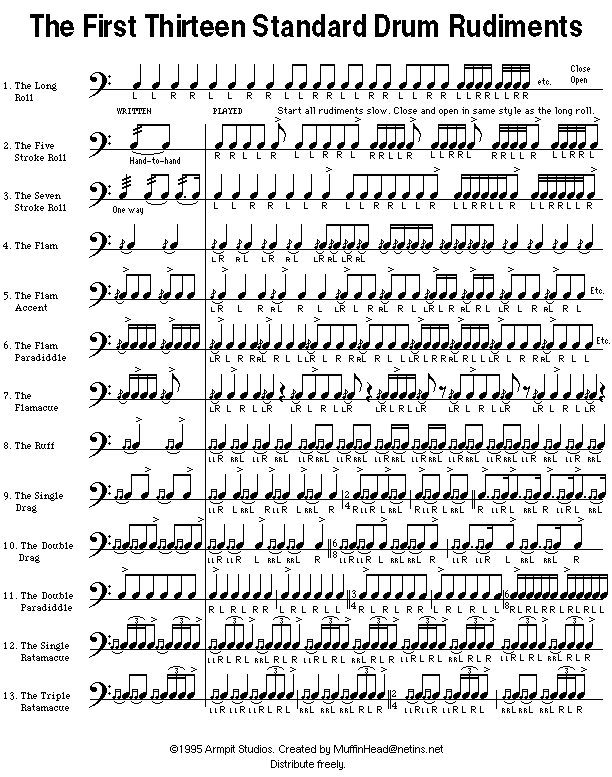
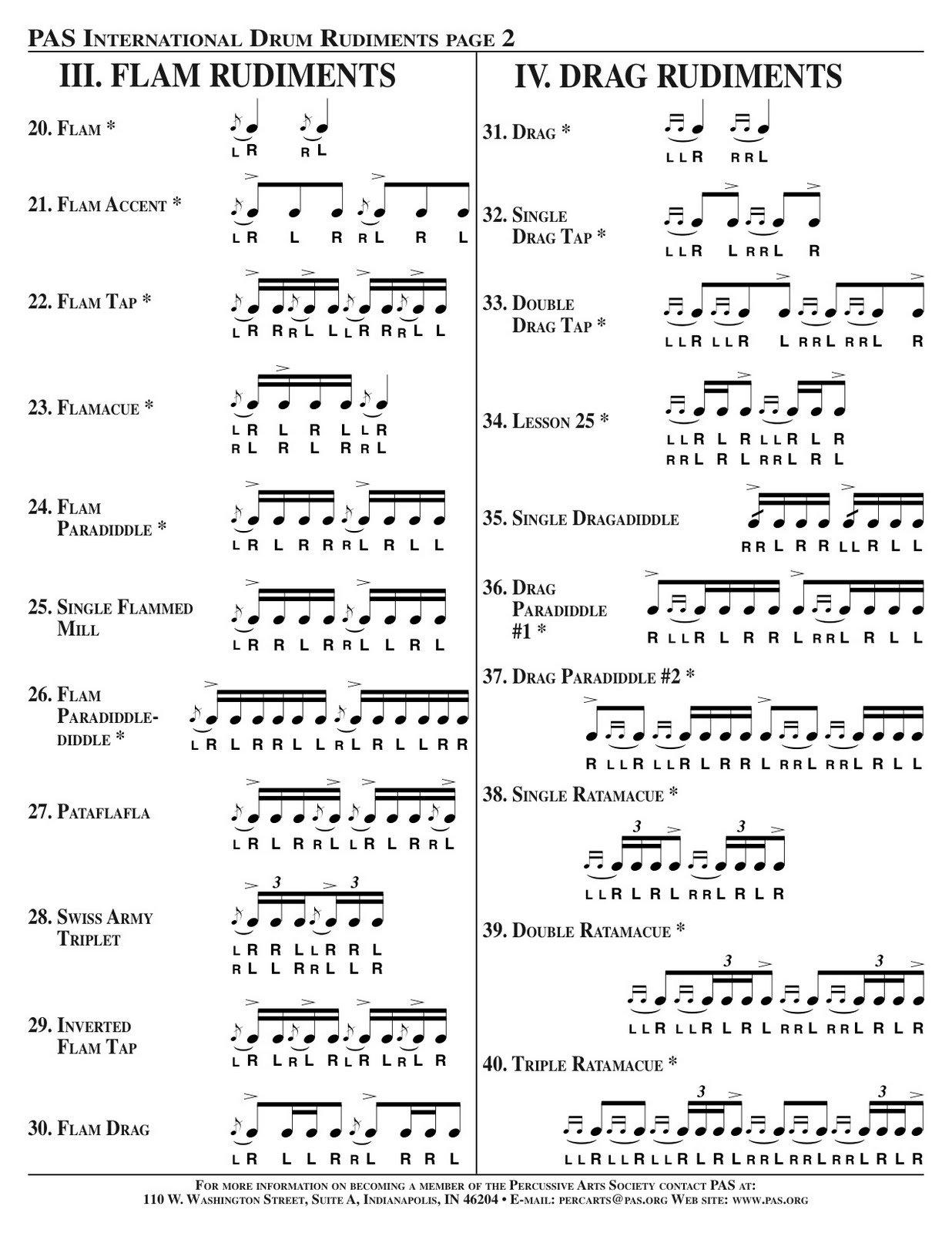
There are 40 standard rudiments commonly taught in modern drumming. They fall into clear groups that make them easier to learn.
Common categories:
- Single-stroke rolls
- Alternating single strokes played evenly.
- Double-stroke rolls
- Two strokes per hand in a controlled roll.
- Diddle-based patterns
- Includes paradiddles and their variations.
- Flams and flam variations
- A grace note paired with a primary stroke.
- Drags and ruffs
- Small grace-note groups before a main note.
Knowing what are rudiments in drumming means recognizing these groups and practicing each type. Start with a few essentials, then expand to the full set over time.

Key rudiments explained
Here are the rudiments I teach first. Short, clear, and practical.
Single stroke roll
A right-left pattern played evenly. Use it for fast, even fills and warm-ups.
Double stroke roll
Two strokes per hand. Focus on even spacing and rebound control.
Paradiddle
Pattern: R L R R | L R L L. Great for switching accents and moving around the kit.
Flam
A soft grace note before a louder primary note. Use flams for color and emphasis.
Drag
Two small grace notes before a main stroke. Works well for snare accents and ghost notes.
Ratamacue
A combination of drags and single strokes. It builds hand coordination and timing.
These core items show what are rudiments in drumming in real terms. Practice each slowly, then speed up with consistent control.

Why practice rudiments? Benefits for drummers
Practicing rudiments gives clear rewards. You get better control, faster speed, and more musical options. Rudiments improve timing, hand independence, and dynamic control. They also make fills tighter and grooves cleaner.
Benefits in simple terms:
- Better control when playing soft and loud.
- Faster and more even strokes across hands.
- Easier transfers from snare to toms and cymbals.
- Stronger groove and musical phrasing.
Learning what are rudiments in drumming helps you practice purposefully. Each rudiment targets a skill you’ll use in real songs.

How to practice rudiments effectively
A short, steady practice plan beats long random drills. Here’s a simple routine I use and recommend.
Daily routine:
- Warm up 5 minutes with single-stroke rolls at a slow tempo.
- Spend 10 minutes on one rudiment, using a metronome.
- Do 5 minutes of dynamic control: play soft and loud on the same rudiment.
- Apply the rudiment in a musical context for 5 minutes (fills or beats).
Practice tips:
- Start slow. Speed with sloppiness is useless.
- Use a metronome. Time is the goal.
- Focus on even strokes, not speed.
- Record yourself once a week to track progress.
Stickings to try:
- Right-left for single strokes.
- Right-right-left-left for double strokes.
- Paradiddle sticking for moving around the kit.
This method shows how knowing what are rudiments in drumming can be turned into real musical skill.

Common mistakes and how to avoid them
New players often rush. That creates tension and bad habits. Here are the usual pitfalls and fixes.
Common mistakes:
- Playing too fast too soon. Slow down and use a metronome.
- Using wrist only or arm only. Find a relaxed balance of fingers, wrist, and forearm.
- Ignoring dynamics. Practice quiet and loud strokes.
- Skipping clean transitions. Practice switching rudiments smoothly.
Fixes:
- Build speed in small increments.
- Focus on relaxation and economy of motion.
- Practice rudiments in musical patterns to avoid rote repetition.
Avoiding these mistakes helps you keep practice efficient and low-risk for injury.
Applying rudiments to the drum set and musical contexts
Rudiments are not just for exercises. They help you make music.
How to use them:
- Turn a paradiddle into a tom groove.
- Use a flam to accent a backbeat.
- Convert a double-stroke roll into a snare fill.
- Layer rudiments with bass drum and hi-hat for grooves.
Real example: I once used the paradiddle to move a groove between snare and floor tom in a quiet verse. It created motion without loud fills. That’s one way to make what are rudiments in drumming work on stage.
Personal experience and practical tips
I learned rudiments the hard way. Early on I pushed speed and hit a plateau. I changed to slow, focused practice and saw steady gains. Here are honest tips from my time on this path.
Lessons learned:
- Master the basics before speed. Speed follows control.
- Record slowly and listen. Fix tiny timing issues early.
- Keep practice short and focused to avoid fatigue.
- Use varied surfaces: pad, snare, kit. Each teaches something different.
A common mistake I made was ignoring stick rebound. Fix that early. When you understand what are rudiments in drumming, practice becomes purposeful and fun.

Frequently Asked Questions of what are rudiments in drumming
What are the most important rudiments for beginners?
Start with single-stroke roll, double-stroke roll, paradiddle, flam, and drag. These cover timing, control, accents, and rebound.
How long does it take to learn rudiments?
You can learn basic rudiments in weeks, but true control may take months of consistent practice. Progress depends on practice quality and frequency.
Are rudiments necessary for modern drum set playing?
Yes. Rudiments build the physical skills that make kit playing clean and musical. They are foundational, even for rock or jazz drummers.
Can I practice rudiments without a drum kit?
Yes. Use a practice pad and a metronome. Pads teach stick control and reduce noise while you build technique.
How do I add rudiments to my fills and grooves?
Start slow. Replace a fill’s strokes with a rudiment pattern and adjust dynamics. Practice the transition until it feels natural.
Conclusion
Rudiments are the foundation of good drumming. They give you control, speed, and musical choices. Practice them slowly, use a metronome, and apply them to real grooves and fills. Start with a few essentials and add more over time.
Takeaway: pick three rudiments today and practice them for 15 minutes a day for four weeks. Track your progress and enjoy the gains. If you found this helpful, try the routine, leave a comment about your favorite rudiment, or subscribe for more practical drum tips.

Senior Music Reviewer
Alex Carter is a seasoned music reviewer with over a decade of experience in the world of sound and instruments. Passionate about helping musicians and enthusiasts make informed choices, he brings sharp insights and in-depth knowledge to every review. From classical instruments to modern gear, Alex combines technical expertise with a love for music to deliver content that resonates with readers.
As a Senior Music Reviewer and expert author on Tuneluma.com, Alex is dedicated to sharing honest evaluations, practical advice, and thoughtful commentary to guide readers in their musical journey.