Is Donner A Good Piano Brand: Honest Review
Donner is a good piano brand for beginners and budget buyers, but serious players may want better long-term quality.
To decide whether Donner is a good piano brand, you need to look beyond price. Sound, key action, features, warranty, build quality, and your playing goals all matter. This guide breaks down Donner’s digital pianos and keyboards so you can make a smart choice without overspending.
What Is Donner?
Donner is a music equipment brand that sells digital pianos, keyboards, guitars, drums, ukuleles, and accessories. The company is best known for making affordable instruments for beginners, home musicians, students, and casual players.
Most Donner pianos are digital rather than acoustic. They use electronic samples or modeled sounds, speakers, and weighted or semi-weighted keys. This makes them easier to move, quieter to use, and often less expensive than a traditional acoustic piano.
The brand competes with entry-level products from companies such as Yamaha, Casio, Roland, Alesis, and Williams. Donner often wins on price and included features. However, it may not match the refined key action, sound quality, service network, or long-term reputation of the leading piano brands.

Is Donner a Good Piano Brand Overall?
Yes, Donner can be a good piano brand for the right buyer. It is especially suitable for beginners who want a low-cost digital piano with useful features for learning and home practice.
Still, “good” depends on what you expect. Donner is not usually the first choice for a concert pianist, advanced music student, or player who wants the most realistic piano action. It is better viewed as a budget-friendly entry point than as a premium piano brand.
Here is a simple breakdown:
• Best for beginners who need an affordable first piano
• Useful for home practice, lessons, and basic music making
• Attractive for buyers who want Bluetooth, recording, or multiple voices
• Less ideal for advanced players who need highly refined key response
• A reasonable choice when the budget is more important than prestige
When people ask, “is Donner a good piano brand,” my answer is usually balanced: Donner offers solid value, but you should choose the individual model carefully. Quality can vary by product line, and the least expensive model may feel very different from a better-equipped Donner digital piano.

Donner Piano Quality: What Should You Expect?
Donner piano quality is generally acceptable for beginner use. The instruments often provide a useful combination of weighted keys, piano tones, built-in speakers, and practice features at a lower price than many major competitors.
That low price comes with limits. The key action may feel lighter, noisier, or less refined than the action on a mid-range Yamaha, Roland, or Casio. The speakers may also sound thin at high volume, especially in larger rooms.
Key action
Key action is one of the most important parts of a digital piano. It describes how the keys respond when you press them.
A good action should let you control:
• Volume through finger pressure
• Soft and loud playing
• Repeated notes
• Trills and fast passages
• Smooth movement between keys
Many Donner models include weighted keys. That is helpful for beginners because it feels more like an acoustic piano. However, “weighted” does not always mean “fully realistic.” Some models may have a simpler hammer-action system or less detailed touch response.
For a new player, this may be enough. For an advanced pianist, the difference can feel like driving a basic car after using a sports car. Both work, but the control and comfort are not the same.
Sound quality
Donner digital pianos usually include a main acoustic piano sound, along with electric piano, organ, strings, and other voices. The main piano tone can be pleasant through headphones and at moderate volume.
The sound may not have the depth or realism of more expensive instruments. You may notice a shorter decay, less natural resonance, or a sharper tone through the built-in speakers.
Sound quality also depends on the room, speaker placement, headphones, and how the piano is recorded. A budget digital piano can sound much better with good headphones than through small internal speakers.
Build quality
Donner instruments are usually designed for home use. The cabinet, stand, pedals, and controls may not feel as sturdy as those on a premium digital piano.
This does not mean every Donner piano is fragile. It means you should handle it with care and assemble it correctly. Tighten screws after setup, keep drinks away from the control panel, and avoid moving the instrument by pulling on the music stand.

Main Benefits of Donner Digital Pianos
One reason Donner attracts new players is its strong list of features for the price. A beginner can often get a complete setup without buying many extra items.
Affordable pricing
Donner digital pianos often cost less than comparable instruments from larger brands. This makes them appealing to families, students, and adults who are unsure whether they will continue playing.
Buying an affordable piano can be a smart choice. A low-cost instrument is better than delaying practice for years while saving for an expensive model.
However, avoid choosing only by price. A piano that feels uncomfortable may discourage practice, even if it looks like a bargain.
Weighted keys on many models
Weighted keys help new players develop proper finger strength and control. They also make it easier to transition to an acoustic piano later.
If you are learning classical music, look for:
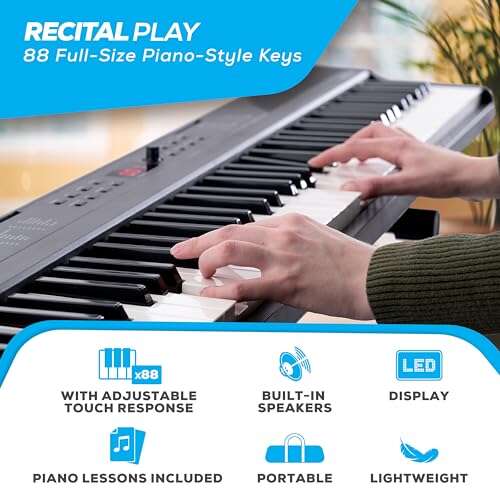
• Full-size 88-key design
• Hammer action
• Touch sensitivity
• Adjustable touch response
• Sustain pedal support
These features matter more than having hundreds of extra instrument sounds.
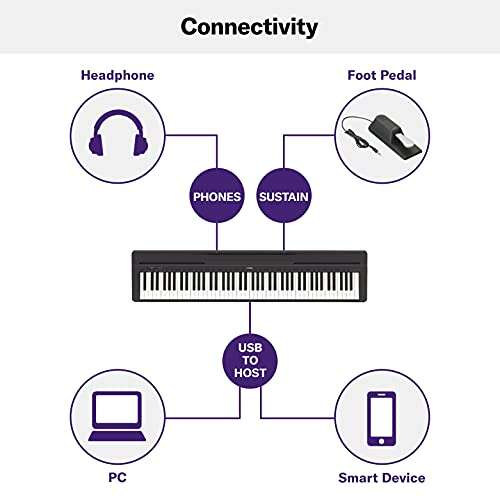
Headphone compatibility
Headphone support is valuable for apartment living, late-night practice, and shared homes. It also lets you focus on mistakes without disturbing other people.
Before buying, check the headphone connection. Some models use a standard quarter-inch jack, while others may use a smaller connection. An adapter may be needed.
Modern practice features
Depending on the model, Donner pianos may include:
• Bluetooth audio or MIDI
• USB connectivity
• Recording functions
• Metronome
• Dual and split modes
• Lesson modes
• Multiple instrument voices
• Two-pedal or three-pedal systems
These tools can make practice more engaging. Still, features should support practice rather than replace it. A basic piano with reliable keys is often more useful than a feature-rich model with poor action.
Compact design
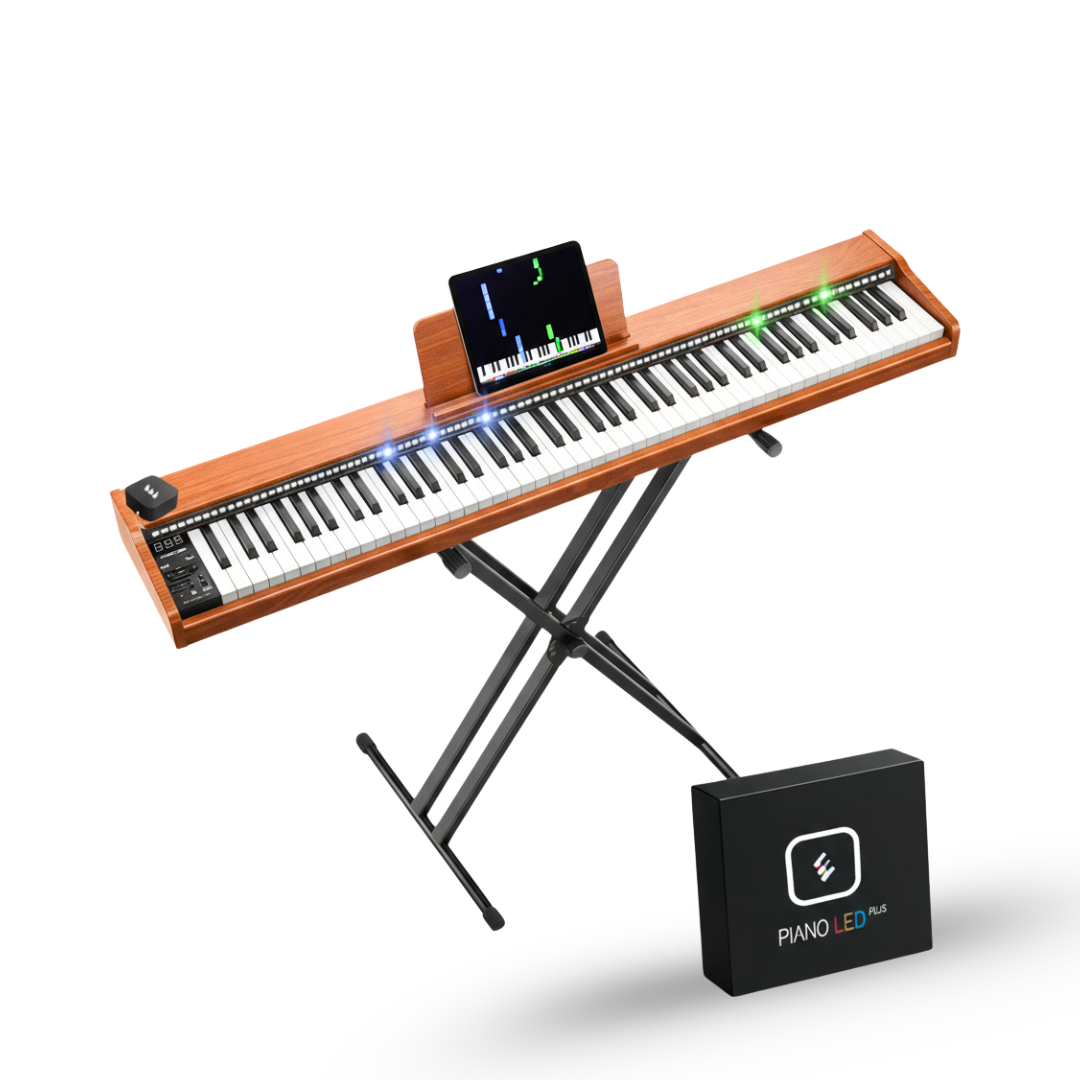
Digital pianos are easier to place in a bedroom, apartment, classroom, or small studio. Some Donner keyboards can also be moved more easily than console-style digital pianos.
This flexibility is useful for renters. You do not need to tune a digital piano, and temperature changes usually do not affect it as much as they affect an acoustic piano.
Drawbacks of Donner Pianos
A fair answer to “is Donner a good piano brand” must include the weaknesses. Budget instruments can be useful, but they are not perfect.
Inconsistent key feel
The most common concern with entry-level digital pianos is key feel. Some Donner models may have keys that feel too light, uneven, noisy, or less responsive than expected.
A beginner may not notice this at first. Over time, though, a serious student may want more control and a smoother response.
If possible, test the exact model before buying. If that is not possible, check return terms and read reviews that discuss key action rather than only appearance.
Basic speaker performance
Built-in speakers are convenient, but they may lack power and detail. The sound can become harsh when the volume is high.
This is not unique to Donner. Many affordable digital pianos have modest speakers. Headphones or external speakers can improve the experience, but they add cost.
Limited brand support
Large piano brands often have wider repair networks, more replacement parts, and longer histories in the musical instrument industry. Donner support may depend more heavily on the seller and the warranty process.
This does not mean support will be poor. It means you should save your receipt, register the product if required, and understand the warranty before ordering.
Pedal and stand limitations
Some entry-level packages include a basic sustain pedal or lightweight stand. These parts may work well enough for beginners but may not feel stable during active playing.
A loose pedal can be frustrating. If you play often, a stronger pedal or better stand may be a worthwhile upgrade.
Resale value
Donner pianos may not retain value as well as instruments from Yamaha, Roland, or Casio. If you expect to sell the piano later, a better-known brand may be easier to resell.
This is an important point for families buying a first piano. A slightly more expensive instrument may cost less over time if it lasts longer and holds more resale value.

Donner Compared With Other Piano Brands
Comparing Donner with other brands makes the buying decision clearer. The right choice depends on your budget and playing plans.
Donner vs. Yamaha
Yamaha has a long history in acoustic and digital pianos. Its entry-level digital models often provide more consistent action, cleaner piano samples, and stronger long-term support.
Donner usually costs less and may offer more accessories or features at the same price. If you want a dependable beginner piano and can spend more, Yamaha is often the safer long-term choice.
Donner vs. Casio
Casio makes many beginner-friendly digital pianos and keyboards. Its compact models are popular because they combine useful features, reliable software, and a well-known support network.
Donner may offer a lower entry price. Casio often has an advantage in brand consistency and product refinement.
Donner vs. Roland
Roland is known for strong digital piano technology and realistic key action. Its instruments often suit serious students and experienced players.
Donner is much more affordable, but it usually does not provide the same level of touch response or sound detail. Roland is often the better investment for long-term study.
Donner vs. Alesis
Alesis and Donner both target budget-conscious musicians. Their products often include beginner features, USB connections, and bundled accessories.
The best choice depends on the exact model. Compare key action, warranty terms, customer reviews, and return policies rather than choosing by brand alone.
Donner vs. Williams
Williams sells affordable digital pianos and keyboards, often through major retailers. Both brands can work for beginners, but model quality varies.
When comparing Donner with Williams, focus on the exact keyboard mechanism, pedal design, speaker system, and customer support. Brand reputation matters, but specifications and real-world reviews matter more.
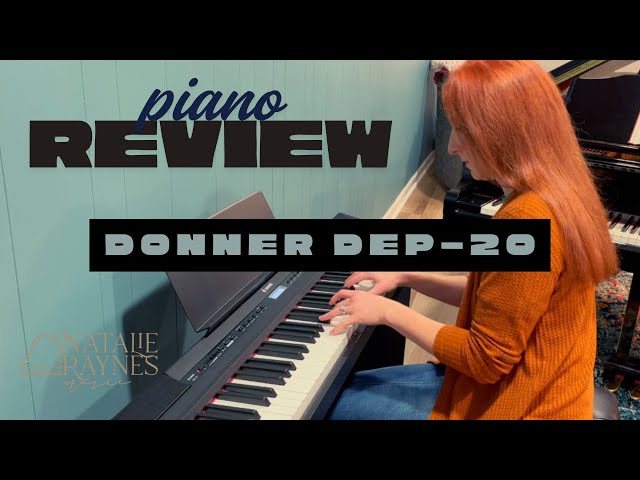
Who Should Buy a Donner Piano?
Donner may be a good piano brand for several types of players.
Beginners
New players usually need a full-size keyboard, basic piano sound, sustain pedal, and headphones. Donner can provide these essentials at a manageable price.
A beginner does not need a professional stage piano on day one. The most important thing is having an instrument that makes regular practice easy.
Children and students
Parents may prefer Donner when they are not sure whether a child will continue with lessons. It can reduce the financial risk of starting piano.
Still, make sure the piano has 88 keys and weighted action if the child is studying classical music. A small unweighted keyboard may limit progress.
Casual home players
If you play for relaxation, songwriting, or family enjoyment, Donner may offer enough sound and control. The lower cost can leave room in your budget for lessons, a bench, or headphones.
Apartment residents
A digital piano with headphone output is often more practical than an acoustic piano in an apartment. Donner models can provide quiet practice without tuning costs.
Buyers with strict budgets
If your budget is limited, Donner can be a practical starting point. Just make sure the product comes from a reliable seller with a clear return policy.

Who Should Avoid a Donner Piano?
Donner may not be the best choice for every pianist.
Consider another brand if you:
• Study advanced classical repertoire
• Need highly realistic hammer action
• Perform regularly in public
• Want premium built-in speakers
• Expect the piano to last for decades
• Need strong local repair support
• Care deeply about resale value
Advanced players notice small differences in touch response. A key that returns slightly slowly or responds unevenly can affect fast playing and expressive control.
For these players, spending more on a Yamaha, Roland, Kawai, or Casio digital piano may provide better value over the full life of the instrument.
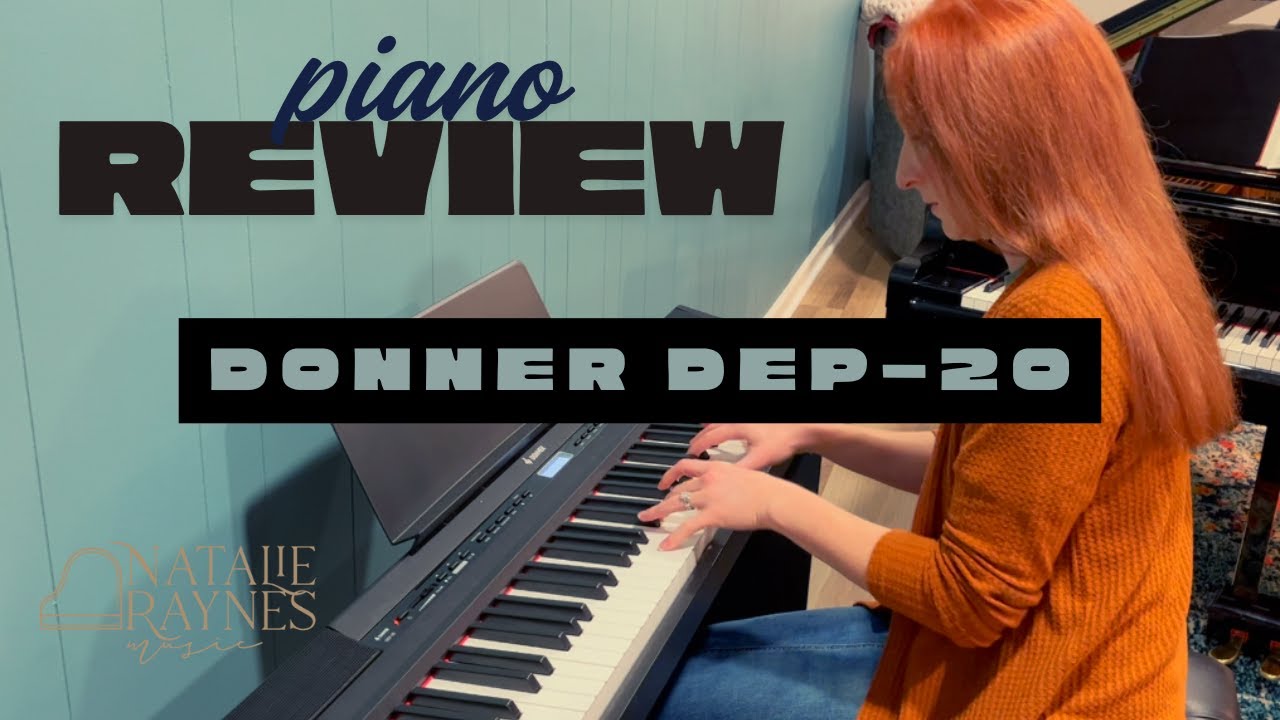
How to Choose the Best Donner Piano
If you decide that Donner is a good piano brand for your needs, use this checklist before buying.
1. Choose 88 weighted keys
For serious piano learning, select a full-size 88-key model. Weighted keys provide a closer connection to traditional piano technique.
A 61-key keyboard may be fine for simple songs, pop playing, or portability. It is less suitable for classical study because it has a smaller range.
2. Check the action type
Look for terms such as:
• Hammer action
• Fully weighted action
• Touch-sensitive keys
• Adjustable touch response
Do not assume all weighted keyboards feel the same. Read reviews that describe the actual playing experience.
3. Review the pedal system
A sustain pedal is essential for many songs. A three-pedal unit is more useful for classical players, but a single pedal may be enough for a beginner.
Check whether the pedals attach securely and whether the pedal board is included.
4. Compare warranty and returns
Read the warranty details before purchase. Pay attention to coverage for:
• Keys
• Speakers
• Power supply
• Pedals
• Electronic controls
Also confirm who pays return shipping if the piano arrives damaged or feels unsuitable.
5. Measure your room
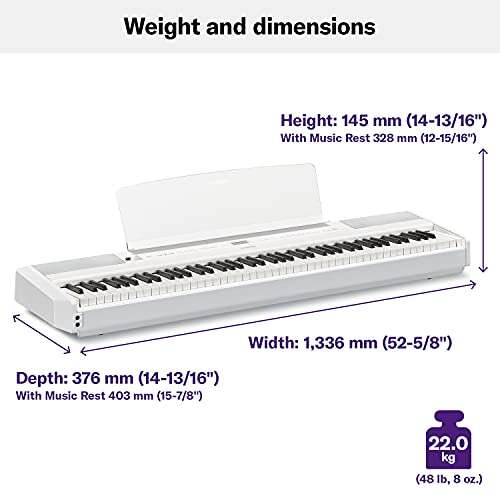
Check the piano’s width, depth, and height. Leave enough space for a bench and comfortable leg movement.
For a portable keyboard, confirm that the stand is included or budget for one. A stable playing position helps prevent poor posture.
6. Consider headphones
A good pair of headphones can make an affordable digital piano sound more enjoyable. Choose headphones that are comfortable for long practice sessions and match the piano’s output.
7. Read detailed reviews
Look for reviews that mention:
• Key noise
• Key consistency
• Speaker quality
• Pedal stability
• Bluetooth reliability
• Setup difficulty
• Customer service
A review that only says “looks great” does not tell you much about the playing experience.

Common Mistakes to Avoid When Buying Donner
Many buyers focus on the wrong details. Here are the mistakes I would tell any beginner to avoid.
Choosing the cheapest model automatically
The lowest price may seem attractive, but the cheapest model may use lighter keys, weaker speakers, or a less stable stand. A modest upgrade can make practice more comfortable.
Buying without checking the key count
Some buyers see the word “piano” and assume the instrument has 88 keys. Always check the specifications.
Ignoring the return policy
Online shopping makes it hard to judge key feel. A generous return policy gives you protection if the piano does not meet your expectations.
Expecting an acoustic piano experience
Digital pianos are different from acoustic pianos. They do not produce sound through vibrating strings and a wooden soundboard. Even a good digital piano is an electronic instrument designed to imitate that experience.
Forgetting the bench
A suitable bench supports proper posture. A dining chair may be too high or too low, which can cause tension during practice.
Overvaluing extra sounds
A piano student usually needs one good piano tone more than 300 average sounds. Put key action and touch response first.
How Long Can a Donner Piano Last?
A Donner digital piano can last for years when used carefully, but exact life span depends on the model, daily use, storage, and maintenance.
Keep the instrument away from:
• Direct sunlight
• Water and drinks
• Extreme heat
• Very damp rooms
• Dusty areas
Use a soft, dry cloth to clean the keys. Do not spray cleaner directly onto the piano. If a key begins to stick or a speaker develops a problem, stop using the instrument until you identify the cause.
The electronics may last a long time, but budget pianos are not always designed for heavy professional use. A home player who practices an hour a day places much less stress on the instrument than a music school with many students using it daily.
Is Donner Worth It for Beginners?
For many beginners, yes. Donner can provide the basic tools needed to start learning without a large financial commitment.
The key question is whether the piano encourages you to practice. If the keys feel comfortable, the sound is pleasant, and the instrument fits your space, Donner may be a sensible purchase.
A beginner piano does not need to be perfect. It needs to be reliable enough to support steady practice. If you later become a serious player, you can upgrade with a clearer idea of the action and sound you prefer.
That is one lesson many buyers learn: the best first piano is often the one you will actually use. An expensive piano that sits untouched is not a better investment than an affordable piano that inspires daily practice.
Is Donner a Good Piano Brand for Advanced Players?
Usually, Donner is not the strongest choice for advanced players. Experienced pianists tend to notice differences in repetition speed, dynamic control, pedal response, and the realism of the key mechanism.
An advanced player may also need better speakers for performance, stronger construction for frequent transport, and more dependable support. These needs often point toward a mid-range or premium digital piano.
There are exceptions. An advanced player might use Donner as a spare keyboard, a practice instrument for travel, or a temporary piano for a studio. In that role, its low price and practical features can be useful.
Frequently Asked Questions About Is Donner a Good Piano Brand
Is Donner a reliable piano brand?
Donner is reasonably reliable for basic home use, especially when purchased from an authorized or reputable seller. Its reliability can vary by model, so check warranty coverage and verified customer feedback before buying.
Is Donner good for learning piano?
Yes, Donner can be good for learning piano if you choose an 88-key model with weighted, touch-sensitive keys. A full-size action gives beginners a better foundation than a small unweighted keyboard.
Are Donner digital pianos worth the money?
Donner digital pianos can be worth the money when affordability is your main concern. They offer useful features at a low price, but buyers should accept that key action and sound quality may not equal more expensive brands.
Does Donner make acoustic pianos?
Donner is mainly known for digital pianos, keyboards, and other electronic instruments. It is not generally considered a major acoustic piano maker like Yamaha, Kawai, or Steinway & Sons.
Is Donner better than Yamaha?
Donner is usually cheaper, while Yamaha often offers more consistent action, sound, support, and resale value. For a tight budget, Donner may be practical; for long-term study, Yamaha is often the stronger choice.
How long do Donner digital pianos last?
A Donner digital piano may last for several years or longer with careful home use. Its life span depends on the model, electronics, environment, and how heavily it is played.
Can you use Donner pianos with headphones?
Many Donner digital pianos support headphones, but the connection type can vary by model. Check the product specifications before buying so you know whether an adapter is needed.
Does Donner have weighted keys?
Some Donner digital pianos have weighted or hammer-action keys, while smaller keyboards may use semi-weighted or unweighted keys. Confirm the exact specifications instead of relying only on the word “piano” in the product name.
Conclusion
So, is Donner a good piano brand? It can be a smart choice for beginners, casual players, students, apartment residents, and anyone working with a limited budget. Donner offers useful features and accessible prices, but its instruments may have simpler key action, speakers, materials, and support than premium brands.
Choose an 88-key weighted model, compare the exact specifications, read detailed reviews, and confirm the warranty and return policy. If you want to begin playing without spending too much, Donner is worth considering. Explore several models, test one when possible, and share your experience or questions in the comments.

Senior Music Reviewer
Alex Carter is a seasoned music reviewer with over a decade of experience in the world of sound and instruments. Passionate about helping musicians and enthusiasts make informed choices, he brings sharp insights and in-depth knowledge to every review. From classical instruments to modern gear, Alex combines technical expertise with a love for music to deliver content that resonates with readers.
As a Senior Music Reviewer and expert author on Tuneluma.com, Alex is dedicated to sharing honest evaluations, practical advice, and thoughtful commentary to guide readers in their musical journey.