What Is A Prepared Piano: How It Works And Sounds
A prepared piano is an acoustic piano altered with objects placed between or on its strings to create new sounds.
If you have ever heard a piano sound like a drum, bell, gong, or soft rattle, you may have heard a prepared piano. This guide explains what a prepared piano is, how it works, why John Cage made it famous, and how musicians use it safely today.
What Is a Prepared Piano?
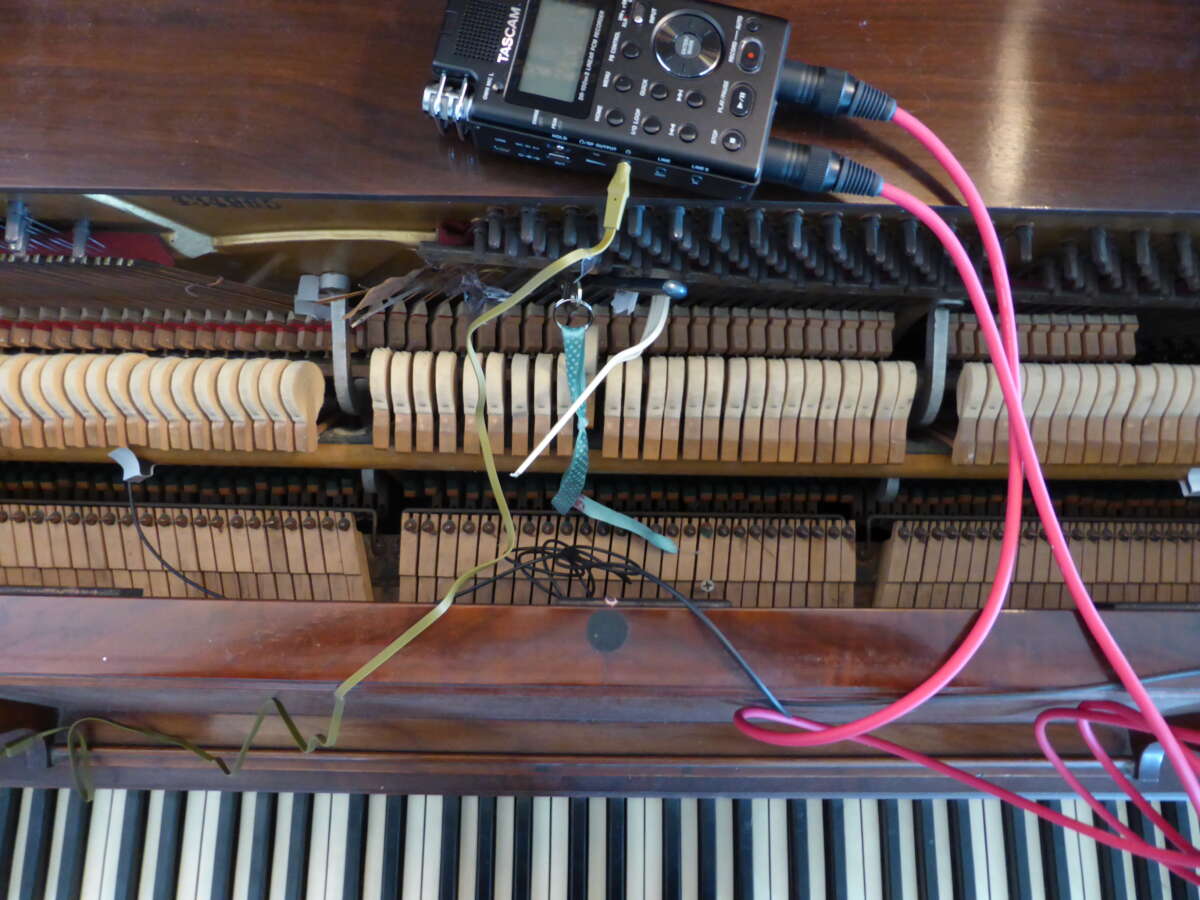
A prepared piano is a standard acoustic piano that has been modified by placing objects on, between, or near its strings. These objects change the strings’ vibration and create sounds that differ from the piano’s usual clear, ringing tone.
Common preparation materials include:
• Rubber, felt, paper, or plastic
• Screws, bolts, and coins
• Small pieces of wood
• Metal clips and erasers
• Cloth or cardboard
The piano still uses its keys, hammers, dampers, and pedals. However, the added objects reshape the sound. A single key may produce a muted thud, a buzzing tone, a metallic clang, or a short, dry note.
In simple terms, a prepared piano turns the instrument into a small percussion orchestra. The pianist still plays notes and rhythms, but the strings respond in unusual ways.

How Does a Prepared Piano Work?
A normal piano creates sound when a felt-covered hammer strikes a string. The string vibrates, and the soundboard makes that vibration louder. The damper controls how long the note lasts.
Preparing the piano changes this process. An object may touch the string and limit its movement. It may also add a new vibration of its own.
For example:
• Felt can soften a string and shorten its sustain.
• Rubber can create a deep, muted sound.
• A screw can add a sharp buzz or rattle.
• Paper can produce a light, dry attack.
• A coin can create a bright metallic ring.
• Wood can make the piano sound like a drum or marimba.
The exact result depends on several factors:
• The piano’s size and design
• The string’s length and thickness
• The object’s weight and material
• The object’s position on the string
• The force of the pianist’s touch
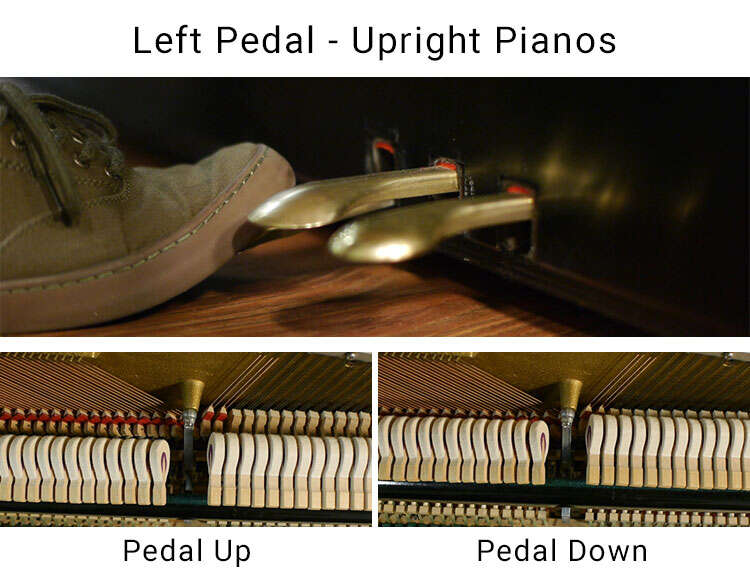
• The use of the sustain or soft pedal
A small movement can make a major difference. Placing an object close to the string’s center may create one sound, while moving it closer to the bridge may create another.
Why the Same Preparation Sounds Different
No two pianos respond in exactly the same way. A concert grand, upright piano, and small baby grand can produce very different prepared piano tones.
This is one reason composers use a written preparation chart. The chart shows which object belongs on each string and where it should be placed. Without that record, it can be hard to recreate the same sound in another performance.

The History of the Prepared Piano
The prepared piano became strongly linked with American composer John Cage. In 1948, Cage wrote Sonatas and interludes, one of the most important works for prepared piano.
Cage did not invent every form of piano alteration. Musicians had experimented with unusual piano sounds before him. Still, Cage developed a clear, systematic approach that treated preparation as part of the composition itself.
He first used a prepared piano in the late 1930s while composing music for dance. He needed a percussion-like sound but had only one piano available. By placing objects on the strings, he turned the piano into a larger collection of sounds.
Cage’s work helped establish the prepared piano as a serious modern music instrument. Later composers, performers, and sound artists expanded the idea in classical music, jazz, film, theater, and experimental pop.
The instrument also reflects a wider artistic idea: familiar objects can create unfamiliar experiences. A piano does not need to be used in only one traditional way.

How to Prepare a Piano
Preparing a piano requires care. The goal is to change the sound without harming the strings, dampers, hammers, or soundboard.
A basic preparation process often follows these steps:
- Study the musical score and preparation chart.
- Identify the correct strings for each note.
- Use only the specified materials.
- Place each object at the correct distance from the bridge.
- Press the keys gently to test the sound.
- Check that the object does not block the hammer.
- Play the passage slowly and listen for unwanted noise.
- Remove all materials carefully after the performance.
A preparation chart may describe an object by its size, material, and location. For example, a composer might request a small rubber mute placed between specific strings near the middle of the instrument.
Important Safety Rules
Not every household object is safe for piano preparation. Hard or sharp materials can scratch strings, damage felt, or interfere with the action.
Keep these safety rules in mind:
• Never force an object between tightly spaced strings.
• Do not place objects where they can stop the hammer from moving.
• Avoid sharp metal edges and heavy items.
• Do not place loose objects on the soundboard.
• Ask a piano technician before trying an unfamiliar technique.
• Remove preparations before regular piano playing.
A piano technician can also check the instrument after an ambitious performance. This is especially useful for valuable concert pianos.

Common Prepared Piano Techniques
There is no single prepared piano sound. Composers use many techniques to change pitch, tone, attack, and resonance.
Muting the Strings
A piece of felt, rubber, or cloth can reduce the string’s vibration. The note becomes softer and shorter. This technique can make the piano sound dry, close, or almost electronic.
Adding a Buzz
A screw, bolt, or small metal object can touch the string while it vibrates. The result may resemble a buzzing guitar string, a small rattle, or a distorted electronic tone.
Creating a Percussion Sound
Wood, cardboard, or rubber can make a note sound more like a drum. The pitch may remain clear, but the attack becomes stronger and less melodic.
Producing Metallic Tones
Coins, screws, and other metal objects can add a bright, ringing quality. The result may suggest a bell, gong, kalimba, or mechanical device.
Altering the Harmonics
Some preparations change which overtones are strongest. The basic pitch may stay the same, but the color of the sound changes. This is called timbral alteration.
These methods show why the prepared piano is more than a piano with objects inside it. It is a way to control tone color with great detail.

What Does a Prepared Piano Sound Like?
A prepared piano can sound almost anything the composer needs. It may resemble:
• A drum kit
• A harpsichord
• A gamelan
• A marimba
• A bell
• A muted guitar
• A metal machine
• A soft electronic pulse
Some notes still sound like traditional piano notes. Others may lose their clear pitch and become noise-based sounds.
The contrast is often the most powerful part. A clean piano chord followed by a prepared note can feel like a familiar room suddenly changing shape.
In live performance, the sound also depends on the room. A large hall may highlight metallic overtones, while a small studio may make soft rattles easier to hear.

Why Do Composers Use a Prepared Piano?
Composers use prepared piano techniques to expand the instrument’s emotional and sonic range. The prepared piano can create sounds that a normal piano cannot produce on its own.
Common creative goals include:
• Adding unusual rhythm and texture
• Creating a larger percussion sound
• Supporting dance or theater movement
• Making music feel mechanical or dreamlike
• Breaking traditional ideas about piano tone
• Exploring noise, silence, and chance
• Creating a low-cost alternative to a large percussion section
The prepared piano also gives performers a direct role in shaping the instrument. Small changes in object placement can influence the final result.
For many composers, this freedom is the main attraction. The piano becomes less like a fixed machine and more like a sound laboratory.

Prepared Piano vs. Regular Piano
A regular piano produces its sound through carefully designed parts that work together. Its strings, hammers, dampers, and soundboard are built for controlled pitch and resonance.
A prepared piano keeps those parts but changes how the strings vibrate. This creates a wider range of tone colors, yet it also makes the instrument less predictable.
Here is a simple comparison:
| Feature | Regular piano | Prepared piano |
|---|---|---|
| Main sound | Clear, sustained, resonant | Altered, muted, buzzing, or percussive |
| String setup | No added objects | Objects placed near or between strings |
| Tone control | Touch, pedals, and dynamics | Touch, pedals, dynamics, and preparation |
| Performance setup | Usually quick | May require careful preparation |
| Musical role | Melodic and harmonic | Melodic, harmonic, rhythmic, and textural |
Neither approach is better. Each serves a different musical purpose.

Benefits and Limitations of a Prepared Piano
A prepared piano offers great creative freedom, but it also has practical limits.
Benefits
• It creates original sounds without electronic equipment.
• It combines melody, harmony, rhythm, and texture.
• It can imitate several percussion instruments.
• It encourages experimentation and careful listening.
• It works well in modern classical and film music.
• It can make a familiar piano sound completely new.
Limitations
• Preparation takes time.
• Different pianos may produce different results.
• Some materials can damage the instrument.
• Performers must follow detailed setup instructions.
• Moving objects during a performance can be difficult.
• The sound may not suit traditional piano repertoire.