What Is A Good Electric Guitar: Buying Guide
A good electric guitar feels comfortable, stays in tune, sounds clear, and fits your playing style and budget.
Understanding what is a good electric guitar takes more than looking at a famous logo or a high price tag. A reliable guitar should feel natural in your hands, respond well to your touch, and help you improve without creating avoidable problems. This guide explains the key features, body styles, pickups, materials, and setup details that separate a great choice from an expensive mistake.
What Is a Good Electric Guitar?
A good electric guitar is an instrument that plays comfortably, produces a useful range of tones, and stays reliable over time. It does not need to be expensive. Many affordable electric guitars offer solid construction, smooth fretwork, stable tuning, and excellent sound.
The best choice depends on your goals. A beginner may need a comfortable neck and simple controls. A blues player may prefer warm single-coil pickups. A metal guitarist may need high-output humbuckers, strong tuning stability, and easy access to the upper frets.
A good electric guitar should meet these basic standards:
• The neck feels comfortable in your hand.
• The frets are smooth and properly installed.
• The guitar stays in tune during normal playing.
• The pickups produce clear, balanced sound.
• The controls work without noise or crackling.
• The bridge and tuners hold their settings.
• The guitar feels enjoyable enough to make you want to practice.
Think of the instrument as a partner. If it fights your hands, buzzes badly, or slips out of tune every few minutes, practice becomes frustrating. If it feels easy and inspiring, you are more likely to pick it up every day.
The Main Features of a Good Electric Guitar
Several parts work together to determine whether an electric guitar is good. One impressive feature cannot fix poor construction elsewhere.
Neck shape and playability
The neck is one of the most important parts of any guitar. It should feel secure without making your hand tense. Some players like slim necks, while others prefer a fuller, rounded shape.
A comfortable neck helps you form chords, bend notes, and move across the fretboard with less effort. Beginners often benefit from a medium or slim profile, but hand size and playing style matter more than general advice.
Check the following:
• The neck should not feel twisted.
• The fretboard should feel smooth.
• The strings should sit at a comfortable height.
• The neck should not have sharp fret ends.
• The width should suit your hand and playing needs.
Fret quality
Frets are the metal strips set into the fingerboard. They must be level, smooth, and firmly seated. Poor fretwork can cause buzzing, dead notes, or painful edges.
Run your hand slowly along both sides of the neck. Sharp fret ends can signal rushed factory work or poor storage. A small amount of fret wear is normal on a used guitar, but deep grooves may require a professional repair.
Tuning stability
A good electric guitar should stay in tune after normal playing. Tuning problems can come from poor tuners, a badly cut nut, excessive string friction, or incorrect setup.
Tuning stability also depends on technique. New strings stretch, and heavy bends can pull notes sharp or flat. Still, a well-built guitar with a properly shaped nut and quality tuners should remain dependable.
Build quality
Look closely at the joint between the neck and body. On a bolt-on guitar, the screws should sit firmly, and the neck should not move inside the pocket. On a set-neck guitar, the joint should look clean and solid.
Inspect the bridge, knobs, pickup rings, strap buttons, and jack plate. Loose hardware does not always mean the guitar is bad, but it may show that the instrument needs service.
Electronics
The volume and tone controls should turn smoothly. The pickup selector should switch cleanly. Some light noise is normal with certain single-coil pickups, especially near computers, lights, and power supplies.
A good electric guitar should not produce loud crackles when you move the controls. Persistent hum, weak output, or intermittent sound may point to wiring or grounding problems.
Electric Guitar Body Styles
Body shape affects comfort, balance, access, and sometimes tone. It also affects how the guitar feels while standing or sitting.
Solid-body electric guitars
Solid-body guitars are the most common type. They use a solid piece or pieces of wood and usually create less feedback at high volume than hollow instruments.
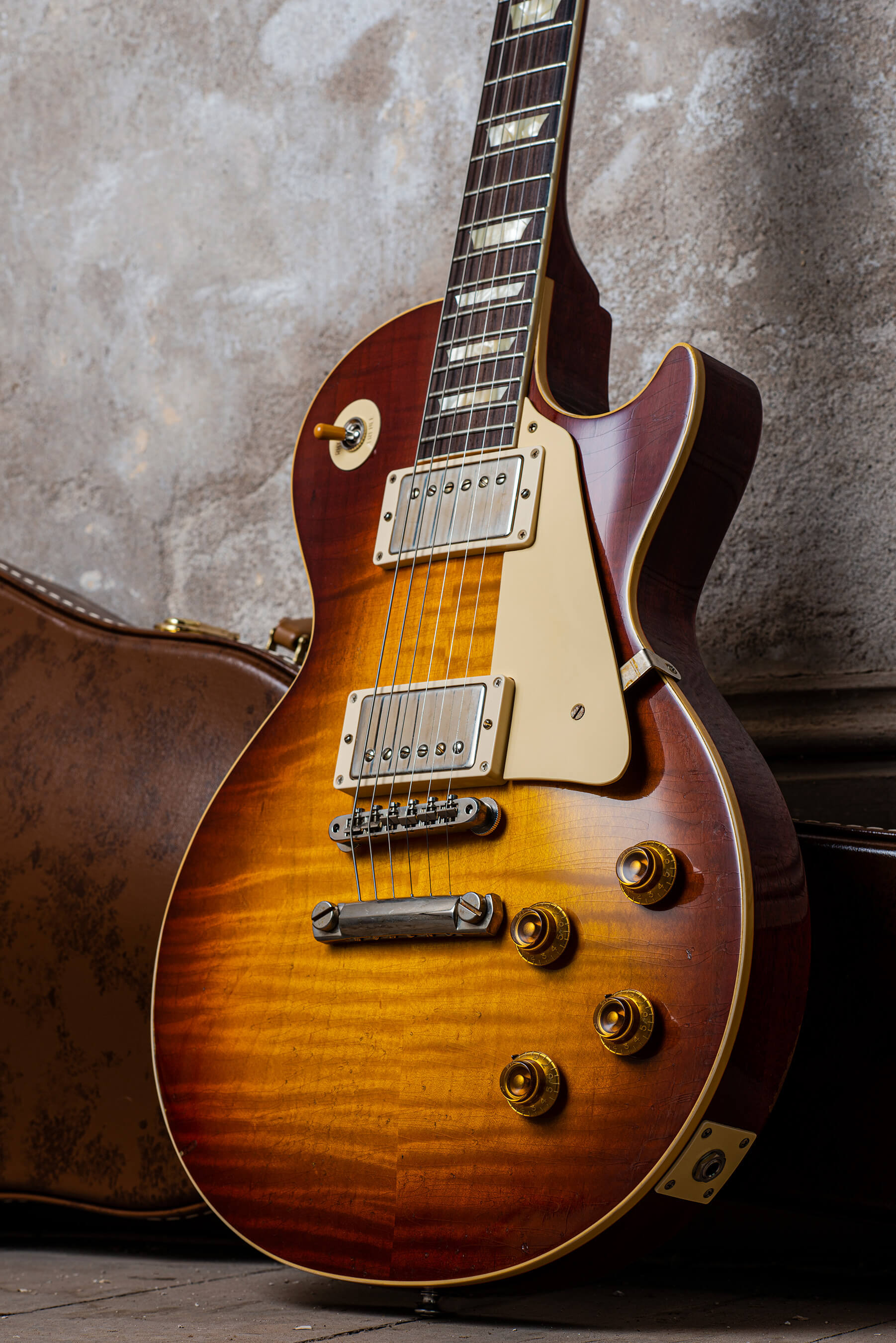
They work well for rock, pop, blues, country, punk, and metal. Popular solid-body designs include the Stratocaster style, Telecaster style, Les Paul style, and offset designs.
Semi-hollow electric guitars
Semi-hollow guitars have a solid center block with hollow sections on the sides. They often provide a warm, open sound while offering more resistance to feedback than fully hollow guitars.
They suit blues, jazz, indie rock, and classic rock. At high gain and loud stage volume, they may still feed back more easily than a solid-body guitar.
Hollow-body electric guitars
Hollow-body guitars have a fully hollow interior. They can sound warm, rich, and lively, especially with clean amplification.
They are popular in jazz, blues, rockabilly, and some alternative styles. However, they can produce unwanted feedback when used with loud amplifiers or heavy distortion.
Ergonomics matter
A guitar can sound excellent and still feel wrong for your body. A heavy instrument may become tiring during a long rehearsal. A sharp body edge may press into your ribs. A neck-heavy guitar may pull downward when you stand.
Before buying, test the guitar while sitting and standing. Your shoulder, wrist, and back should feel relaxed. Comfort is not a luxury. It affects how long and how often you play.
Choosing the Right Guitar Pickups
Pickups convert string movement into an electrical signal. They are a major part of an electric guitar’s sound.
Single-coil pickups
Single-coil pickups often sound bright, clear, and detailed. They can produce sharp rhythm tones and expressive clean sounds.
Their classic character works well for blues, country, funk, pop, and rock. The tradeoff is that traditional single coils can create more electrical hum than humbuckers.
Humbucker pickups
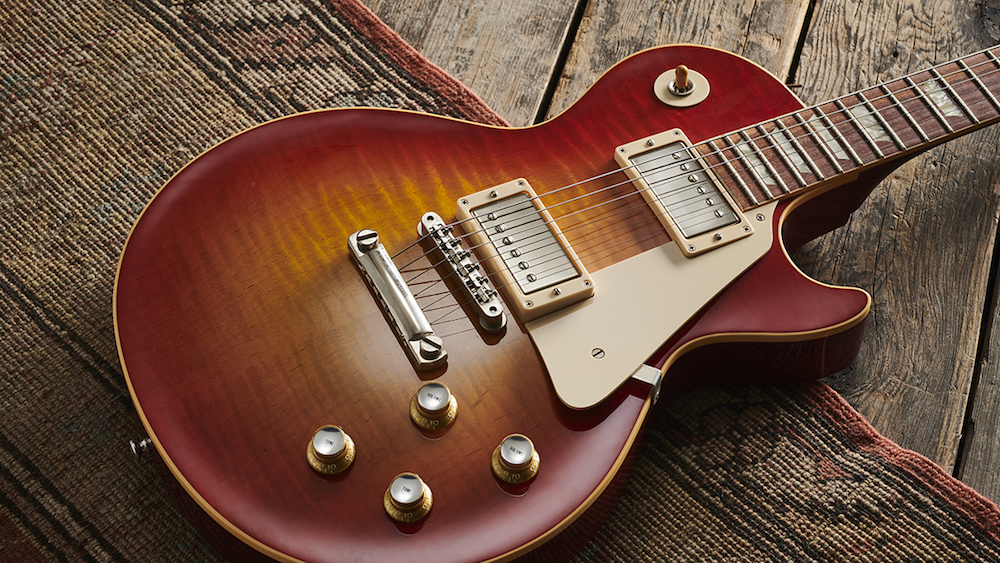
Humbuckers use two coils to reduce unwanted hum. They usually sound thicker, warmer, and more powerful than single coils.
Humbuckers are common in hard rock, metal, blues rock, and jazz. They can also produce smooth clean tones, especially when paired with a lower-gain amplifier.
P-90 pickups
P-90 pickups sit between traditional single coils and humbuckers in character. They often provide strong mids, noticeable bite, and a slightly raw response.
They are useful for blues, garage rock, punk, indie music, and classic rock. P-90s can still produce hum, but many players enjoy that noise as part of their vintage character.
Active and passive pickups
Passive pickups are the traditional choice. They respond naturally to picking strength and usually have a dynamic, organic feel.
Active pickups use a battery-powered preamp. They can offer strong output, clear low-end control, and low noise. They are common in modern metal, but they are not automatically better than passive pickups.
The right pickup depends on the sound you want. When deciding what is a good electric guitar, focus on the full signal chain. Your amplifier, effects, strings, pick, and playing technique also shape the final tone.

How Wood, Scale Length, and Hardware Affect the Guitar
Wood matters, but it is not the only factor. The final sound comes from the entire instrument and the equipment connected to it.
Common body and neck woods
Alder and basswood are common body woods. They often provide a balanced sound and moderate weight. Ash can offer a lively response and strong high-end detail, though the result varies by instrument.
Mahogany is often associated with a warm, thick sound. Maple is frequently used for necks and tops because it is strong and visually appealing. Rosewood, maple, and ebony are common fingerboard materials.
These descriptions are general. Two guitars made from the same wood can sound different because of construction, pickups, hardware, setup, and amplification.
Scale length
Scale length is the distance from the nut to the bridge. A longer scale often gives the strings a firmer feel and a brighter response. A shorter scale can feel slinkier and easier to bend.
Neither option is automatically superior. Players with smaller hands may prefer a shorter scale, while players who like tight string tension may prefer a longer scale.
Bridge types
Fixed bridges are simple and often provide strong tuning stability. They are easy to maintain and work well for many styles.