What Is A Steel Drum: History, Uses, And Sound
A steel drum is a strong cylindrical container made from steel for storing, shipping, or handling liquids and solid materials.
When people ask what is a steel drum, they may mean an industrial barrel or a musical instrument from Trinidad and Tobago. Both are made from steel, but their design, purpose, and history are very different. This guide explains each meaning, how steel drums are made, where they are used, and how to choose and handle one safely.
What Is a Steel Drum?
A steel drum is usually a round metal container made from rolled steel sheet. It has a wide body, a top opening, and reinforced edges that help it hold weight and resist damage.
In industrial use, a steel drum is also called a steel barrel. It may store oil, paint, chemicals, food products, powders, or waste. Common sizes include 30 gallons and 55 gallons, although smaller and larger versions are available.
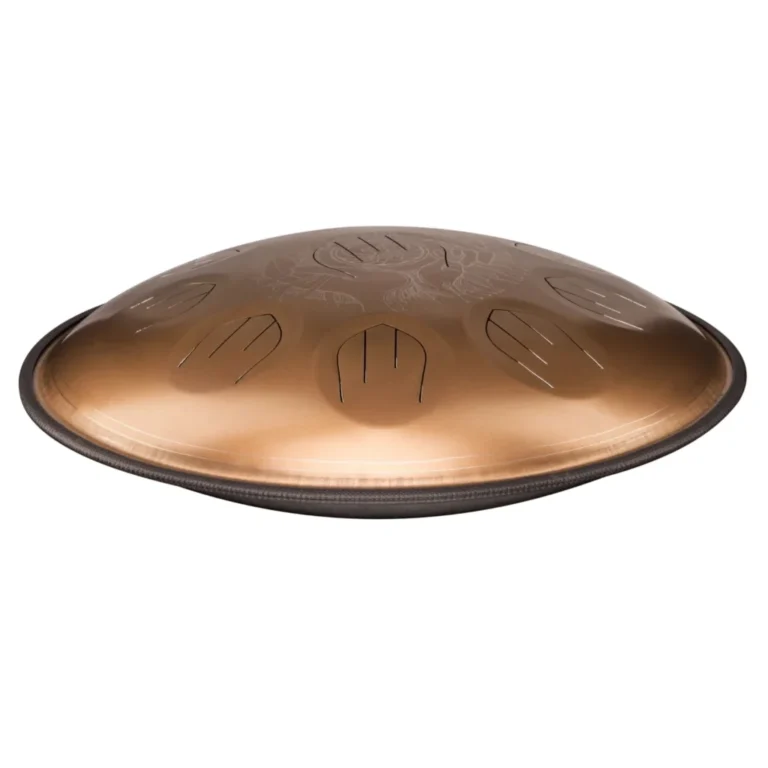
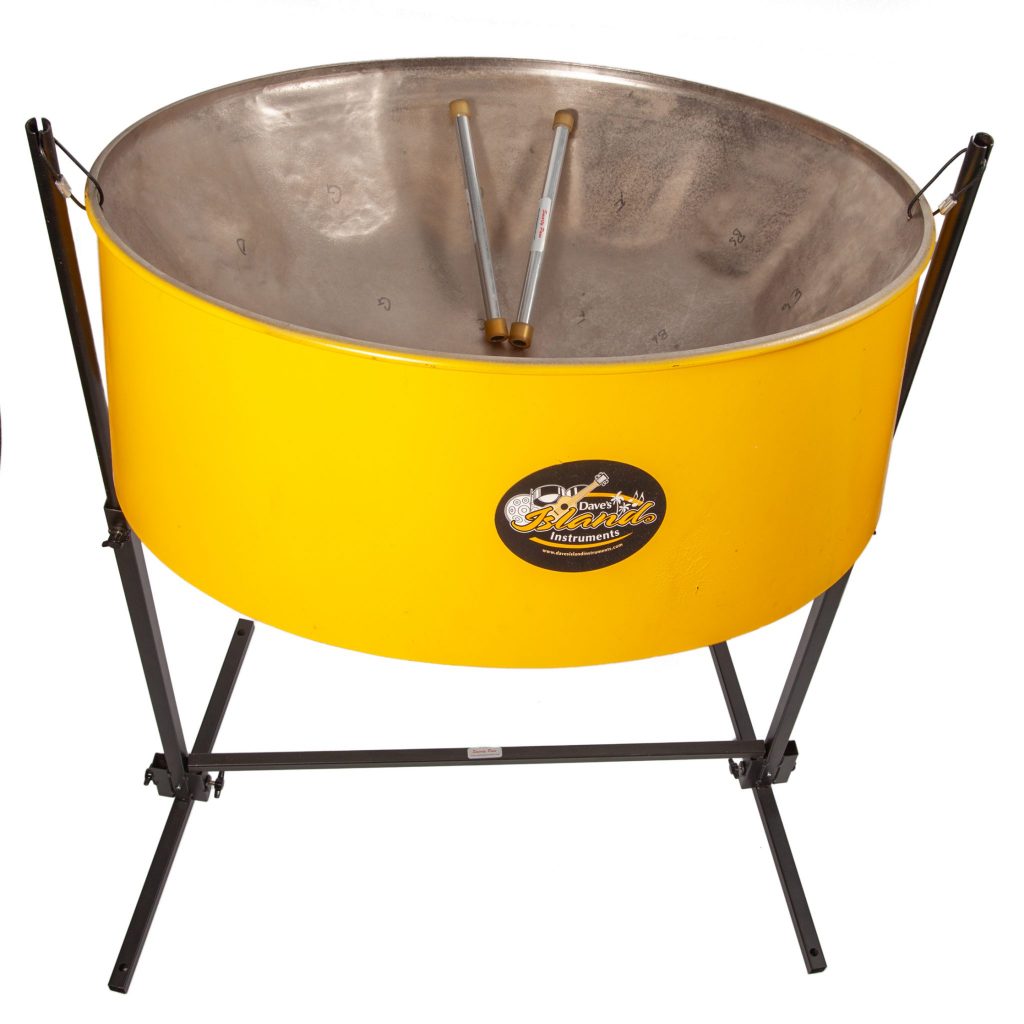
The term “steel drum” also refers to a tuned percussion instrument. This instrument has a bowl-shaped steel surface with carefully shaped notes. Players strike the surface with soft-tipped mallets to create bright, ringing tones.
So, what is a steel drum? The answer depends on context:
• An industrial steel drum is a storage and shipping container.
• A musical steel drum is a tuned percussion instrument.
• Both types depend on shaped steel for strength, sound, or both.
Industrial Steel Drums Explained
Industrial steel drums are built to protect their contents during storage and transport. Their steel walls can handle more impact than many plastic containers, though they are heavier and may rust if their coating fails.
A typical industrial drum includes:
• A cylindrical steel body
• A top and bottom head
• A rolled rim called a chime
• A removable lid or closed top
• Bung openings for filling and draining
• Interior or exterior coatings when needed
A closed-head drum has small openings on the top. These openings often use threaded plugs called bungs. An open-head drum has a removable lid held in place by a clamp ring.
The right design depends on the material inside. A drum for water does not need the same lining as a drum for corrosive chemicals. This is one reason product labels and safety data sheets matter.
What Is a Steel Drum Used For?
A steel drum has many uses because steel is strong, heat resistant, and easy to recycle. It is common in factories, farms, construction sites, laboratories, and shipping centers.
Typical uses include:
• Storing oils, lubricants, and fuels
• Transporting paints, solvents, and adhesives
• Holding food ingredients such as syrups or edible oils
• Shipping powders, grains, and other dry goods
• Collecting industrial waste
• Storing water for non-potable uses
• Transporting hazardous materials under approved regulations
Some steel drums are made for one trip. Others are cleaned, inspected, and reused. Reuse is practical, but it should only happen when the drum’s past contents are known and the container passes inspection.
A common mistake is to assume that a clean-looking drum is safe for any use. A drum that once held chemicals may still contain harmful residue, even if it appears empty.

How Are Steel Drums Made?
Manufacturers usually begin with flat sheets of carbon steel. Machines roll the sheets into a cylinder and join the seam by welding.
The main production steps often include:
-
Cutting steel sheets to the needed size.
-
Rolling the sheets into a round body.
-
Welding the vertical seam.
-
Forming the top and bottom heads.
-
Attaching the heads to the body.
-
Shaping the rims and reinforcing rings.
-
Adding openings, plugs, coatings, or labels.
-
Testing the finished drum for leaks and strength.
Many drums have ribs around the body. These ribs make the wall stronger and help prevent dents. They also make the drum easier to move with handling equipment.
The inside may receive a lining made from epoxy, phenolic resin, or another protective material. The lining helps prevent rust and reduces contact between the steel and the contents.
A drum for aggressive chemicals needs careful material matching. Steel grade, lining type, seal material, and closure design all affect performance.
Common Steel Drum Sizes and Types
The best drum depends on capacity, opening style, contents, and shipping needs. The most common types are listed below.
Closed-Head Steel Drum
A closed-head drum has a fixed top with one or two bung openings. It works well for liquids because the top creates a sealed container.
These drums are often used for oils, solvents, and other fluids. A pump or hose can connect to the bung openings for controlled dispensing.
Open-Head Steel Drum
An open-head drum has a removable cover. It is useful for solids, thick liquids, and materials that need to be scooped or inspected.
A clamp ring holds the cover in place. The ring must close evenly to create a safe seal.
Galvanized Steel Drum
A galvanized drum has a zinc coating that helps protect the steel from corrosion. It may suit certain outdoor or damp settings.
However, galvanized steel is not suitable for every chemical or food application. Always check compatibility before use.
Stainless Steel Drum
Stainless steel drums resist rust better than ordinary carbon steel drums. They are used when cleanliness, durability, or chemical resistance is important.
They cost more than standard steel drums, so they are usually chosen for demanding applications.
UN-Rated Steel Drum
A UN-rated drum has passed tests for certain hazardous materials. The rating may cover drops, pressure, stacking, and leakage.
The rating does not mean the drum can hold every hazardous substance. The full marking must match the material, packing group, and shipping rules.

Steel Drum Versus Plastic Drum
Choosing between steel and plastic depends on the job. Neither material is best in every situation.
Steel drums offer:
• High impact strength