What Is A Guitar Pedal: Beginner’s Guide To Effects
A guitar pedal is a compact effects device that changes your guitar’s sound before it reaches an amplifier.
To understand what is a guitar pedal, picture a small sound tool placed between your guitar and amp. It can add warmth, echo, grit, space, or a completely new character to your playing. This guide explains how guitar pedals work, the main types, how to connect them, and how to choose the right one with confidence.
What Is a Guitar Pedal?
A guitar pedal is an electronic device that processes an electric guitar signal. You connect the guitar to the pedal with a standard instrument cable, then connect the pedal to an amplifier or another pedal.
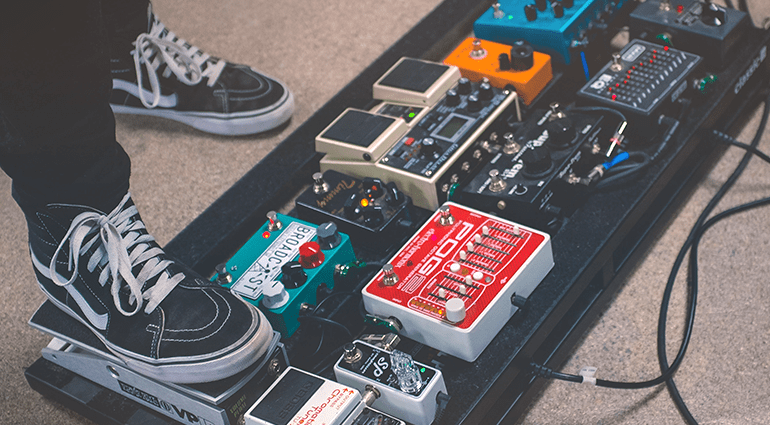
Most guitar pedals have a footswitch. Pressing it turns the effect on or off while you play. This hands-free control makes it easy to change sounds during a song without reaching for the amplifier.
A guitar pedal may change the volume, tone, timing, pitch, or texture of your guitar. Some pedals create a small adjustment, while others can make the instrument sound like an entirely different source.
The signal path usually looks like this:
- Guitar
- Guitar cable
- Effects pedal or pedalboard
- Another pedal, if used
- Amplifier
- Speaker
Many pedals also have control knobs. Common controls include:
• Gain controls how much drive or signal strength the pedal adds.
• Tone adjusts the balance of bass, middle, and treble frequencies.
• Level sets the final output volume.
• Mix blends the processed sound with the clean guitar signal.
• Time controls the delay or repeat length on time-based effects.
A guitar pedal is not required to play electric guitar. A guitar and amplifier can produce a complete sound on their own. However, pedals give players more control and help create sounds linked to blues, rock, metal, country, pop, worship, funk, and many other styles.
How Does a Guitar Pedal Work?
A guitar pickup changes the movement of the strings into a small electrical signal. That signal travels through the cable and enters the guitar pedal. The pedal’s circuit then changes the signal in a planned way.
For example, an overdrive pedal increases and reshapes the signal until it becomes warmer and more compressed. A delay pedal records a short part of the signal and plays it back after a set time. A chorus pedal creates a slightly shifted copy of the sound and blends it with the original.
Most modern pedals use one of two circuit types:
• Analog pedals process the signal through physical electronic parts such as transistors, diodes, capacitors, and operational amplifiers.
• Digital pedals convert the signal into data, process it with software, and convert it back into an audio signal.
Neither type is automatically better. Analog pedals often have a direct and familiar response. Digital pedals can offer many sounds, presets, stereo outputs, and advanced controls in one unit.
A guitar pedal may also use true bypass or buffered bypass. True bypass sends the guitar signal around the effect circuit when the pedal is off. Buffered bypass uses a small circuit to maintain signal strength over long cable runs.
In my experience, bypass design matters most when a board has many pedals or long cables. A single pedal rarely causes concern, but a large setup can lose high-end detail if the signal is not managed well.

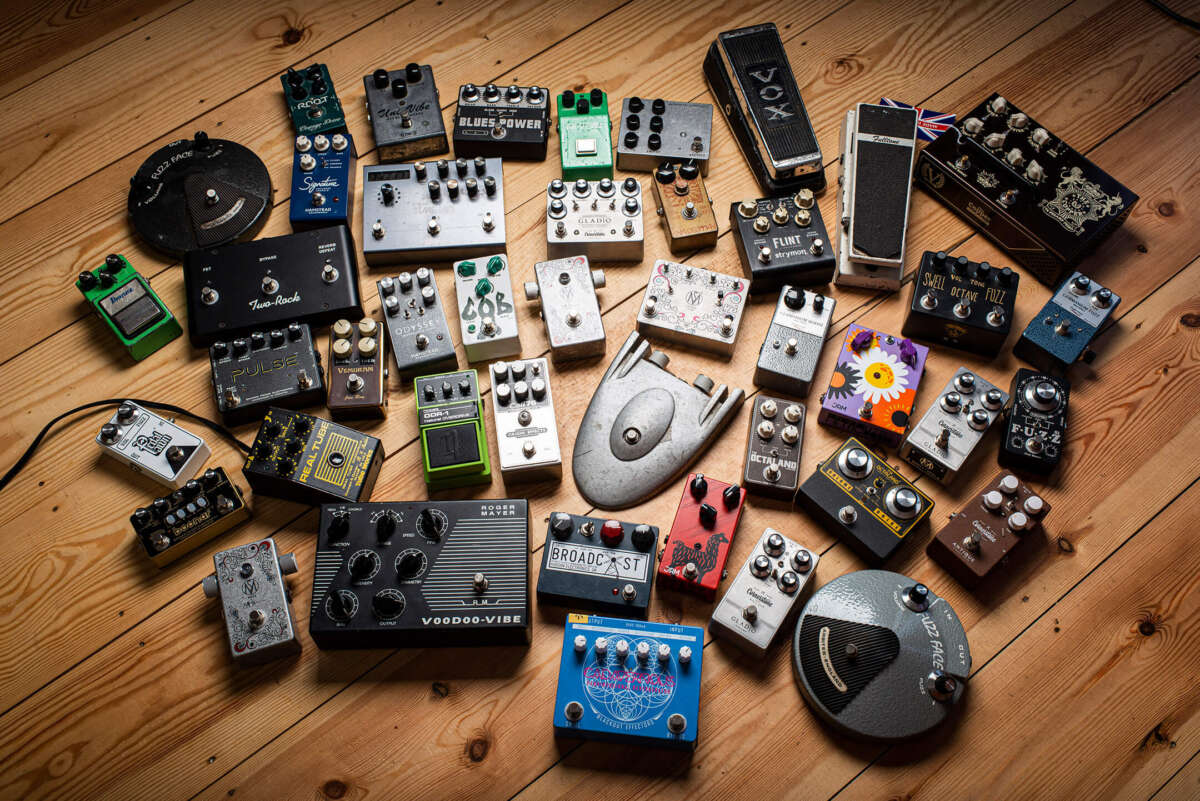
Main Types of Guitar pedals
understanding what is a guitar pedal becomes easier when you know the main effect families. Each family solves a different musical need.
Distortion, Overdrive, and Fuzz
These pedals add gain and change the shape of the guitar signal.
• Overdrive creates a warm, responsive breakup. It works well for blues, classic rock, and pushing a tube amplifier.
• Distortion creates a stronger, thicker gain sound. It is common in hard rock, metal, punk, and modern alternative music.
• Fuzz produces a rough, compressed, and sometimes swollen tone. It is strongly linked to psychedelic rock and vintage sounds.
The difference is not always strict. Brands use these terms in different ways. The best choice depends on how the pedal responds to your picking, guitar, amplifier, and playing style.
Delay
A delay pedal repeats your guitar signal after a chosen amount of time. You can set the delay time, repeat level, and number of echoes.
Short delay times can add thickness. Longer settings can create clear rhythmic repeats. A dotted-eighth delay can also create a repeating pattern that works well in many modern guitar parts.
Delay can become messy if the repeats are too loud. Start with low feedback and a quiet mix. Then raise each control slowly.
Reverb
Reverb creates the sense of space around your guitar. It can sound like a small room, large hall, spring tank, or plate studio effect.
A small amount of reverb can make a dry tone feel natural. Too much can hide your notes and reduce clarity. Many amplifiers include built-in reverb, but a reverb pedal often gives more control.
Chorus, Flanger, and Phaser
These modulation pedals create movement in the guitar tone.
• Chorus produces a wide, shimmering sound by blending a slightly delayed and shifted copy of the signal.
• Flanger creates a sweeping, jet-like effect through a very short moving delay.
• Phaser creates a swirling sound by shifting selected parts of the frequency range.
Use these effects with restraint when playing chords. A slow rate and low depth often sound more musical than extreme settings.
Compressor
A compressor reduces the gap between loud and quiet notes. It can add sustain, smooth picking, and make clean guitar sound more even.
Compression is useful for country, funk, pop, and clean rhythm work. It can also make a guitar feel more polished. Too much compression may remove playing dynamics and make the tone feel flat.
Equalizer
An equalizer, or EQ pedal, changes selected frequency ranges. It can boost bass, cut harsh treble, add midrange, or create a volume boost for solos.
An EQ pedal is one of the most useful tools for solving tone problems. It can help a guitar sit better in a full band mix without simply adding more volume.
Tuner and Utility Pedals
A tuner pedal checks pitch and often mutes the guitar while tuning. This makes it practical for rehearsals, worship services, concerts, and studio work.
Other utility pedals include:
• Noise gates
• Volume pedals
• Buffers
• Signal splitters
• Loop switchers
• Acoustic guitar preamps
These devices may not create dramatic effects, but they can make a pedalboard easier to control and more reliable.
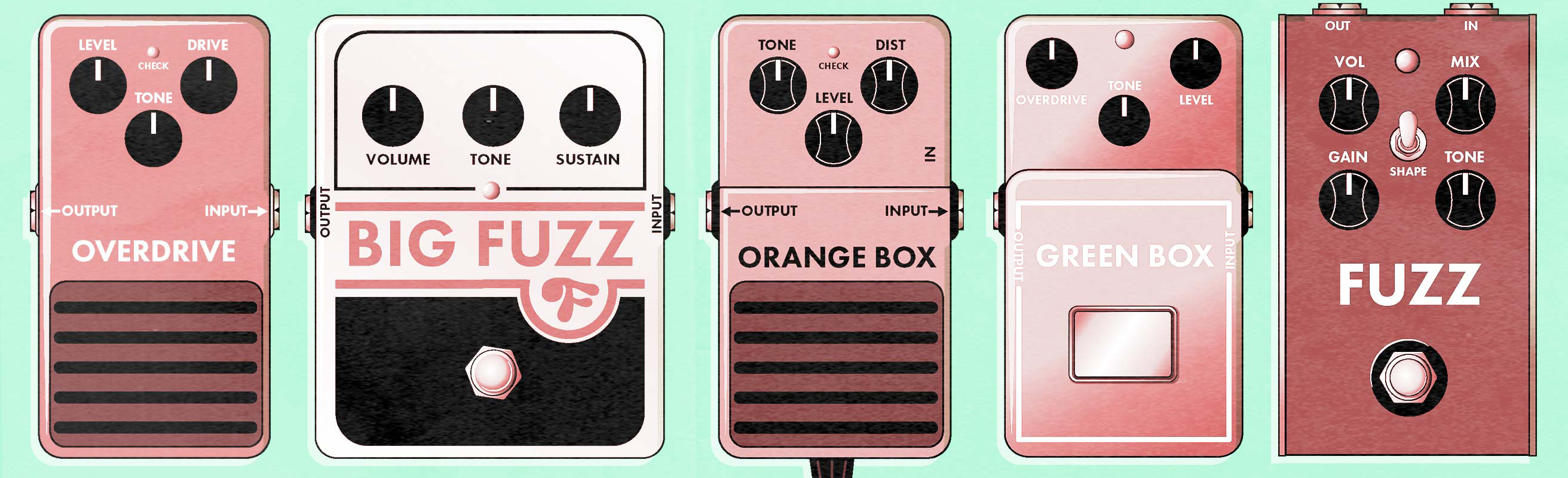 pedals”
style=”max-width: 100%; height: auto; border: 2px solid black; border-radius: 10px; display: block; margin: 0 auto;”
loading=”lazy”
/>
Why Do Guitarists Use Pedals?
A guitar pedal gives players a fast way to shape sound. It can also help a guitarist fit into a song or band.
Common reasons to use a guitar pedal include:
• Creating a stronger lead tone
• Adding sustain to clean notes
• Making rhythm parts wider
• Adding depth to a simple riff
• Matching the sound of a recorded song