What Is A Drum Trigger: Easy Guide For Drummers
A drum trigger is a sensor that converts a drum strike into an electronic signal.
I’ve spent years recording and touring with both acoustic and hybrid kits, so I know exactly what is a drum trigger and why drummers use them. This guide explains what is a drum trigger, how they work, when to use them, setup tips, real-world pitfalls, and buying advice—so you can decide if triggers belong on your kit.

What is a drum trigger?
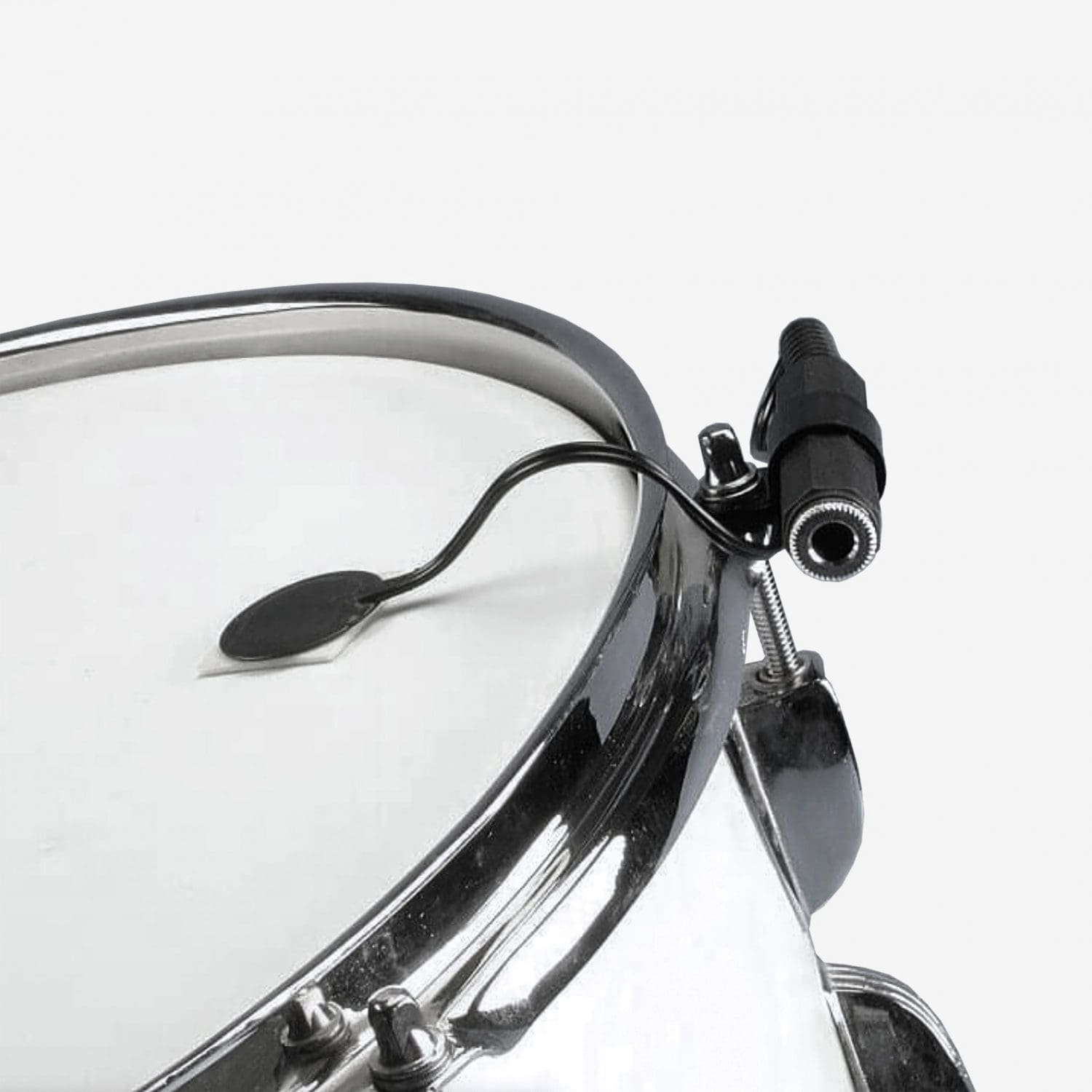
A drum trigger is a small sensor or pad mounted on a drum. It senses impact and sends an electrical signal to a sound module, audio interface, or drum brain. The module then plays a sample, sends MIDI data, or layers sounds. Knowing what is a drum trigger helps you bridge acoustic feel and electronic control.
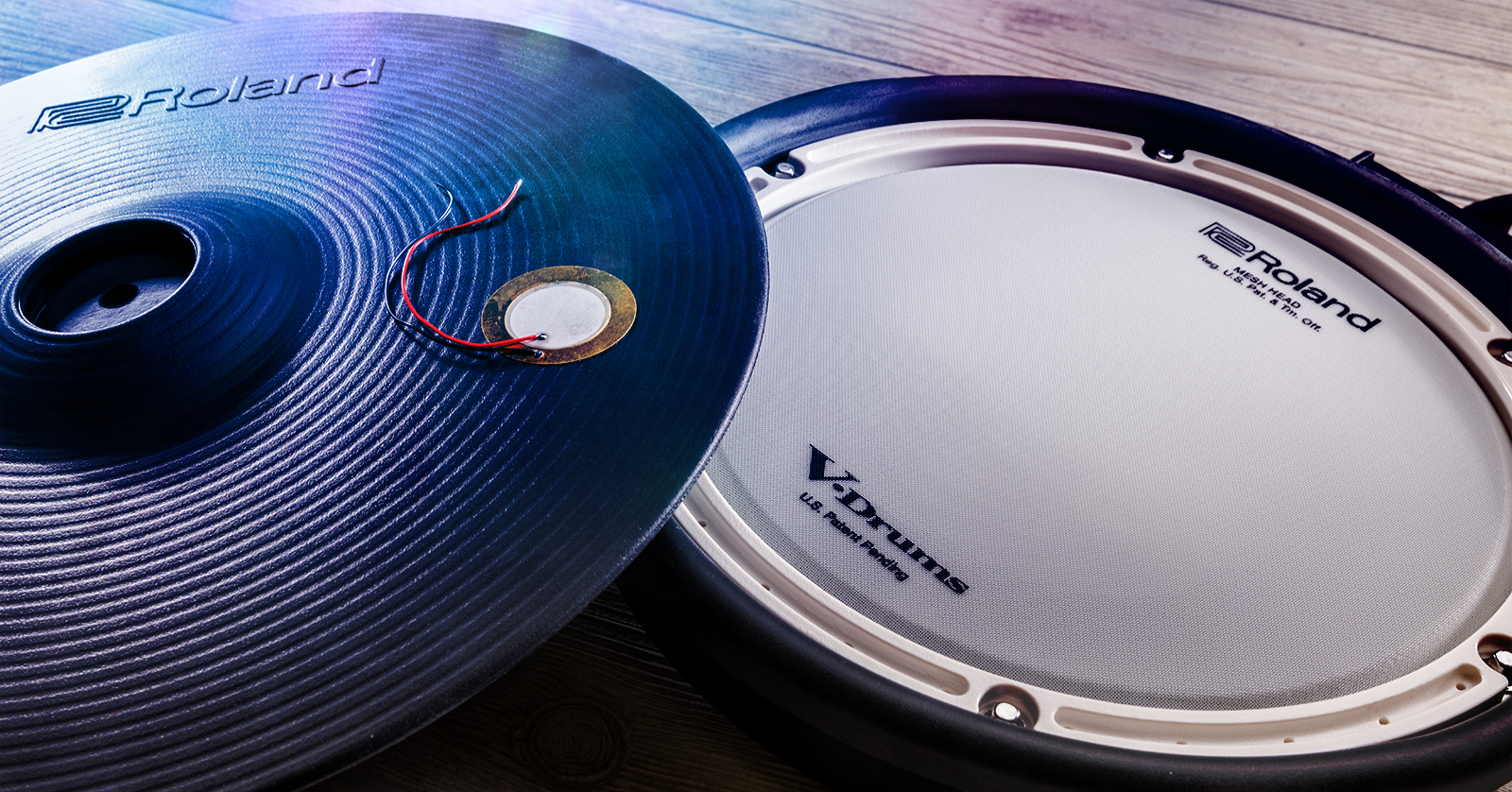
Triggers come in types. Piezo triggers use piezoelectric elements and are common for snare, toms, and kick. Mesh or pad-style triggers sit on surfaces for electronic kits. Some triggers read separate zones, such as head and rim, to give you expressive control. Each design affects sensitivity, crosstalk resistance, and tonal results.
What is a drum trigger used for? Use cases include consistent sample replacement in studio work, silent practice with headphones, live layering for fuller sound, and MIDI control for electronic instruments. Understanding this core definition makes rest of the guide practical and actionable.

How drum triggers work
A trigger converts strike force into voltage. That voltage becomes a trigger pulse. The drum module reads pulse strength, timing, and sometimes location. The module then maps that data to a sample or MIDI note.
Signal chain example
- Trigger pad attached to drum shell sends piezo voltage.
- Cable carries signal to trigger input on a sound module.
- Module processes threshold, sensitivity, and velocity curve.
- Module outputs a sample or MIDI message to the mixer or DAW.
Practical details matter. You will adjust threshold to avoid ghost triggers. You will set crosstalk suppression to prevent adjacent drums from firing. Latency is usually low, but buffer and module processing can add tiny delays you should tune out.
Benefits of using drum triggers
Triggers give consistency in tone and dynamic response. They let you replace muffled or inconsistent hits with high-quality samples. This is especially helpful in noisy stages or poorly mic’d rooms.
Benefits summary
- Consistency: Repeatable sample-based sound for every hit.
- Flexibility: Layer acoustic sound with samples for fuller tone.
- Quiet practice: Use triggers with headphones for silent practice.
- MIDI control: Trigger synths, loops, and virtual instruments live or in the studio.
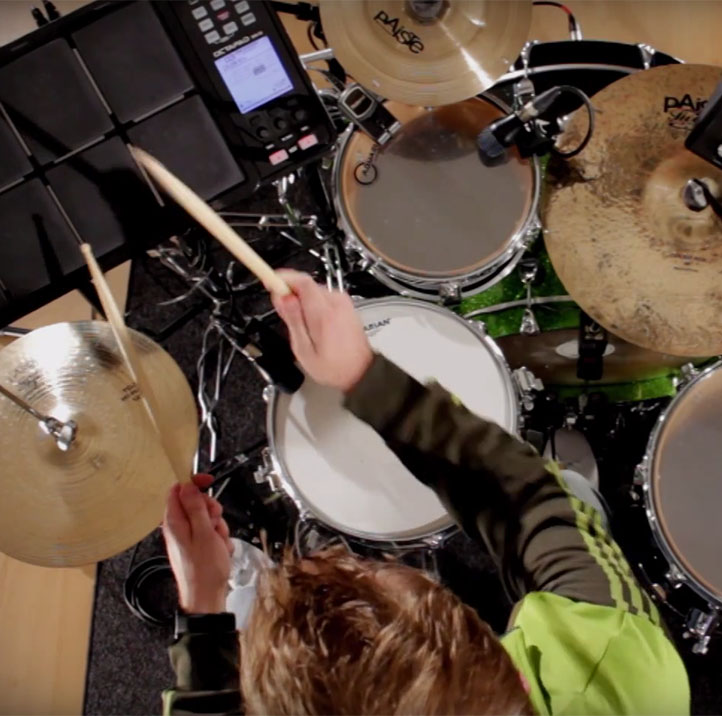
From my experience, triggers are lifesavers when touring. On cramped stages or in venues with bad drum mics, triggers help me keep a stable sound across shows.
Limitations and challenges
Triggers are not a magic fix. They can produce false positives, or miss subtle ghost notes. Some players feel triggers alter acoustic feel and dynamics.
Common challenges
- Crosstalk: Neighboring drums may fire if suppression is poor.
- Ghost triggering: Too-sensitive settings cause unwanted hits.
- Tonal authenticity: Samples can sound synthetic if poorly chosen.
- Complexity: Setup, calibration, and matching samples takes time.
I once rushed a setup before a live show and faced heavy crosstalk on toms. The lesson: allocate time to calibrate thresholds and test each pad to avoid surprises.

Installation, tuning, and setup tips
Mounting and settings control success. Place triggers where tip strikes are most consistent. For snare, center or slightly off-center is common. For kick, pick a trigger designed for beater impact.
Step-by-step setup
- Mount trigger securely but avoid overtightening hardware.
- Connect to a dedicated trigger input or module. Use shielded cables if possible.
- Set threshold to ignore very light rebounds and accept real hits.
- Adjust sensitivity and velocity curve to match playing dynamics.
- Set crosstalk suppression so adjacent drums don’t fire.
- Test at performance volume to confirm settings hold under stage bleed.
Tip from experience: Save multiple presets for studio, rehearsal, and live mixes. That saves time and avoids tone surprises.
Drum triggers in live and studio situations
In the studio, triggers give precise timing and easy sample replacement. Engineers can tighten takes and match tones across tracks without re-recording performances. Live, triggers can feed front-of-house for consistent sound or add sample layers for impact.
Common live workflows
- Use triggers to trigger a primary sample and a layered room sound.
- Route trigger output to both in-ear monitors and FOH if the module supports multiple outputs.
- Use MIDI triggered loops or effects for intro fills or transitions.
I’ve used triggers to add sub-kick samples on tiny stages where close mics couldn’t capture low-end. The crowd still felt the weight without changing mic placement.
Buying guide and top features to consider
Choose triggers that match your goals: studio polish, stage reliability, or electronic integration. Check compatibility with your module and cables.
Key features to evaluate
- Type: Piezo puck, rim trigger, or multi-zone head trigger.
- Connection: TRS, 1/4", XLR, or proprietary connectors.
- Sensitivity and adjustable threshold controls.
- Durability: Metal shells or reinforced pads survive touring.
- Multi-zone capability for rim and head separation.
- Compatibility with modules and DAWs you use.
Budget matters. Entry-level triggers are affordable and work well for practice. High-end triggers give better crosstalk control and more expressive zone mapping for pro use.
Troubleshooting common issues
When triggers misbehave, systematic checks fix most problems quickly. Start with cables and inputs. Then inspect settings.
Troubleshooting checklist
- No signal: Confirm cable, input gain, and module channel assignment.
- Ghost triggers: Raise threshold or tighten trigger mount.
- Weak velocity response: Increase sensitivity or check trigger pad placement.
- Latency or timing drift: Check buffer settings in your audio interface and firmware updates.
A tip: Keep spare cables and a backup trigger pad in your gig bag. That saved me during one festival set when a cable failed.
Related concepts: electronic drums, mesh heads, and MIDI
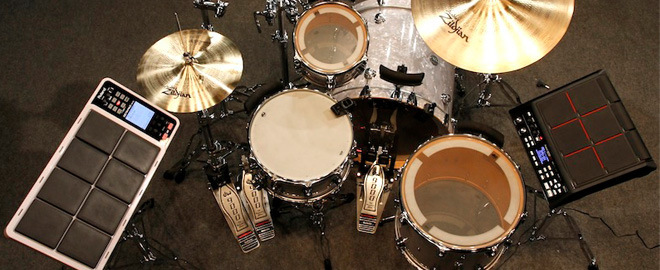
Triggers are part of a wider ecosystem. Electronic drum pads use dedicated surfaces, while mesh heads alter acoustic feel and mute sound for quieter sessions. MIDI lets triggers control synthesizers, samplers, and DAWs.
Quick comparisons
- Trigger vs electronic pad: A trigger is a sensor for an acoustic drum; a pad is a full electronic surface.
- Trigger vs mesh head: Mesh heads reduce acoustic volume and can accept triggers for hybrid setups.
- Trigger vs microphone: Mics capture full acoustic tone; triggers capture strike event for sample replacement or MIDI.
Understanding these differences helps you plan a hybrid kit that balances feel and sound.
Frequently Asked Questions of what is a drum trigger
What is a drum trigger and how does it differ from an electronic drum pad?
A drum trigger is a sensor mounted on an acoustic drum that sends an electrical signal when struck. An electronic drum pad is a complete playing surface designed to produce sound electronically without an acoustic shell.
Can I add triggers to any acoustic drum?
Yes, most acoustic drums accept triggers, but compatibility varies by trigger type and drum head. Follow the manufacturer’s mounting recommendations and test for crosstalk and fit.
Do triggers change the feel of the drum?
Triggers themselves are small and minimally invasive, so feel changes are usually due to mounting hardware or added dampening. Proper setup keeps the natural feel mostly intact.
Will triggers replace microphones for recording drums?
Triggers can replace or supplement microphones for consistent hits and timing, but they do not capture the room or natural resonance that mics provide. Many engineers use both for best results.
Are drum triggers suitable for beginner drummers?
Yes. Triggers can be useful for practice and learning dynamics with headphones, but beginners should balance electronic aids with acoustic technique to develop natural touch.
Conclusion
Understanding what is a drum trigger gives you control over tone, timing, and performance flexibility. Triggers are powerful tools for studio work, live shows, and quiet practice, but they require careful setup and realistic expectations. Try a simple trigger on one drum, practice calibrating thresholds, and build from there to find the right balance between acoustic feel and electronic power. If this guide helped, try a trial trigger on your kit, subscribe for more tips, or leave a comment about your trigger setup.

Senior Music Reviewer
Alex Carter is a seasoned music reviewer with over a decade of experience in the world of sound and instruments. Passionate about helping musicians and enthusiasts make informed choices, he brings sharp insights and in-depth knowledge to every review. From classical instruments to modern gear, Alex combines technical expertise with a love for music to deliver content that resonates with readers.
As a Senior Music Reviewer and expert author on Tuneluma.com, Alex is dedicated to sharing honest evaluations, practical advice, and thoughtful commentary to guide readers in their musical journey.