Best Drum Throne For Back Problems: Top Comfort Picks
The best drum throne for back problems combines firm support, easy height control, and a stable seat that keeps your spine neutral.
After a long rehearsal, a sore lower back can feel like a heavy amp strapped to your shoulders. A poor throne may tilt your hips, force you to lean, or make your legs work too hard. I looked at support, seat shape, height adjustment, stability, and daily comfort while comparing these options. The right choice will not cure a back condition, but it can help you sit with better control and less strain during practice, gigs, and studio work.
[3-product-listings-blocks]
Gibraltar Universal Backrest

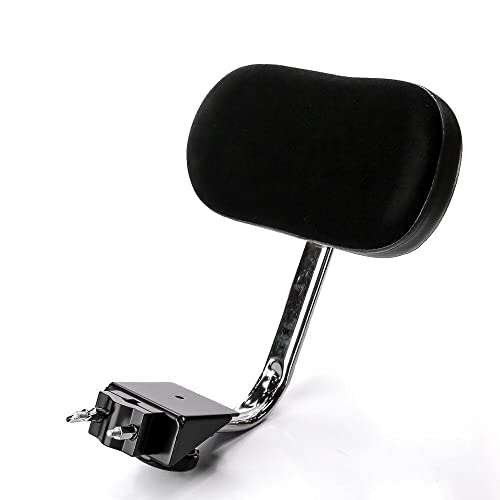
The Gibraltar Universal Backrest is a smart choice for drummers who already own a good throne but need more lower-back support. Its clamp-on design lets you add a backrest without replacing the whole seat. That can save money and reduce the hassle of learning a new throne. For many players, this is the simplest path toward the best drum throne for back problems.
The adjustable lower support is the main reason to consider it. I like this approach because it lets the drummer decide where the support meets the lumbar area instead of forcing one fixed position. It is designed to fit most Gibraltar 9000 Series thrones, so buyers should check throne compatibility before ordering. Used with a stable seat and proper height, it can make long sessions feel more controlled.
Pros:
- Adds back support to an existing drum throne
- Adjustable lower-back position
- Clamp-on design is practical for upgrades
- Can cost less than buying a new premium throne
- Helps reduce the urge to lean backward
- Works well for studio and practice setups
Cons:
- Compatibility may be limited to certain throne designs
- Does not include a complete drum seat
- Some players may prefer a wider built-in backrest
TENTOTEN Hydraulic Drum Throne

The TENTOTEN Hydraulic Drum Throne targets players who want a complete seat with built-in back support. Its hydraulic height system offers a quick way to set the seat before practice or performance. The backrest uses a 45-degree adjustable angle, which may help users find a more natural sitting position. It is an appealing option for anyone shopping for the best drum throne for back problems on a modest budget.
The backrest can be useful when you need support during breaks or slower playing sections. I would still avoid pressing your full weight into it while playing, since active drumming needs free hip and shoulder movement. A hydraulic throne also makes shared setups easier because different players can adjust the height with less effort. Check the seller’s current weight and size details before purchase, as listings and specifications can change.
Pros:
- Includes a backrest rather than requiring an add-on
- Hydraulic height adjustment is quick to use
- Adjustable backrest angle offers setup flexibility
- Suitable for adult practice and performance use
- Convenient for musicians who share one drum kit
- Provides a supportive feel during long seated sessions
Cons:
- Hydraulic mechanisms can feel different from threaded posts
- The backrest may limit movement for some active players
- Long-term durability depends on construction and use
Gibraltar Height Adjustable Backrest

The Gibraltar Height Adjustable Backrest is made for drummers who want to fine-tune lumbar support. Rather than settling for a backrest that sits too high or too low, you can position it to match your body. That matters because support should meet the lower back without pushing the upper body forward. It is a focused upgrade for players who want the best drum throne for back problems without buying a whole new throne.
This product makes the most sense for owners of compatible Gibraltar seating equipment. The adjustment can help shorter and taller drummers find a more useful contact point. I recommend setting it so the backrest supports your lower back lightly, not so tightly that it locks your pelvis in place. As with any accessory, inspect the clamp and mounting area often if you travel with your kit.
Pros:
- Height adjustment supports personalized setup
- Useful for drummers with different body sizes
- Lets you upgrade an existing Gibraltar throne
- May improve comfort during long rehearsals
- Helps keep the torso from drifting too far back
- Focused design avoids replacing a working seat
Cons:
- Requires a compatible throne or mounting system
- Does not provide the cushion or base of a full throne
- Back support may not suit players who dislike backrests
DW 9000 Air-Lift Tractor Throne

The DW 9000 Air-Lift Tractor Throne is a premium choice for drummers who value a broad, supportive seat. Its tractor-style shape gives the hips more surface area than a small round stool. The heavy-duty air-lift system makes height changes smooth and simple. For professional players, this model has many traits I expect from the best drum throne for back problems.
A wide seat can help you feel less perched on top of the throne. That stable feeling may encourage better balance through the pelvis and reduce constant shifting. However, a large seat is not automatically better for every player; it must still allow your legs to move freely toward the pedals. I would pair this throne with a height that keeps your thighs level or slightly sloping down toward the knees.
Pros:
- Wide tractor seat supports the hips well
- Air-lift height adjustment is fast and smooth
- Heavy-duty build suits frequent performance use
- Stable base helps reduce unwanted rocking
- Premium padding supports long sessions
- Good fit for demanding players and touring kits
Cons:
- Higher price than basic drum thrones
- Large seat may feel restrictive to some drummers
- Heavy construction is less convenient for transport
Pinikuyiro Hydraulic Drum Stool

The Pinikuyiro Hydraulic Drum Stool is a versatile seat for drumming, guitar, piano, and other seated music work. Its saddle-style top aims to spread pressure across the sitting area. The hydraulic adjustment also makes it easy to move between players or instruments. For beginners and home musicians, it offers several useful features found in more expensive seating.
The backrest gives this stool extra appeal for players who need occasional lumbar contact. I see it as a comfortable general-purpose chair rather than a highly specialized drum throne. The saddle shape may help some users keep their legs open and active, but body fit remains personal. Measure your preferred seat height and check the current product details before ordering.
Pros:
- Saddle seat can distribute sitting pressure
- Hydraulic adjustment allows fast height changes
- Built-in backrest adds lower-back contact
- Useful for drums, guitar, and piano
- Practical choice for home studios
- May suit users who want a chair-like feel
Cons:
- May feel less specialized than a professional drum throne
- Backrest could interfere with free torso movement
- Long-term stability should be checked after regular use
DW 3000 Series Throne

The DW 3000 Series Throne is a straightforward option for drummers who want a dependable seat with a vise-style memory feature. A memory setting helps you return to the same height each time. That consistency matters because small changes in seat height can alter your hip, knee, and ankle angles. While it does not include a backrest, its stable setup can still support good posture.
I often prefer a simple throne for players who move their upper body a lot. A backrest can help some musicians, but others feel better when they balance actively from the hips. The DW 3000 makes that approach easy because it focuses on a firm base and repeatable height. Add a compatible backrest later if your lower back needs more direct support.
Pros:
- Memory feature helps preserve your preferred height
- Simple design allows natural upper-body movement
- Reliable choice for practice and live playing
- Vise-style adjustment supports a secure setup
- Usually easier to transport than oversized thrones
- Works well for players who prefer no backrest
Cons:
- No built-in backrest for direct lumbar support
- Round seat may offer less hip support than a tractor seat
- May need an accessory for users with severe comfort needs
PDP 700 Series Round Drum Throne

The PDP 700 Series Round Drum Throne is a lightweight choice for students, new drummers, and musicians who carry their own gear. Its 12-inch round top gives you a familiar stool shape without adding a large backrest. The lighter design may make it easier to move from a bedroom setup to a lesson or small gig. It can be a practical entry point for shoppers seeking the best drum throne for back problems at a lower cost.
This throne is best for players who need a basic, mobile seat and already know that a backrest is not required. A round top gives the thighs room to move, which matters during fast pedal work. Still, lighter thrones may not feel as planted as heavy professional models. Set it on a level floor and check all hardware before each session.
Pros:
- Lightweight design is easy to carry
- Round top allows free leg movement
- Useful for students and beginner drummers
- Simple shape works with many drum setups
- Good option for lessons and small gigs
- Lower cost makes it accessible for new players
Cons:
- No backrest or direct lumbar support
- 12-inch seat may feel small for larger users
- May not offer the same planted feel as heavy models
DW 9000 Round Seat Throne

The DW 9000 Round Seat Throne is built for drummers who want a strong tripod base and a classic round seat. Its 9000 Series position places it in the heavy-duty part of the DW range. The round design leaves plenty of room for hip and leg motion. It does not have a backrest, but its stable platform can help you maintain a balanced playing position.
I would consider this model for a player who values durability over chair-like support. A stable throne acts like an anchor beneath the drummer, so the body does not waste energy correcting small shifts. That can make a difference during long shows. If you need lumbar contact, consider pairing it with a compatible Gibraltar backrest or choosing the DW tractor-seat model instead.
Pros:
- Heavy-duty construction supports regular use
- Stable tripod design resists unwanted movement
- Round seat supports active leg motion
- Good choice for touring and gigging drummers
- Premium build inspires confidence during play
- Compatible with a simple, no-backrest posture style
Cons:
- No built-in lumbar backrest
- Heavier than lightweight student thrones
- Premium construction may cost more than basic seats
PDP 800 Series Round Drum Throne

The PDP 800 Series Round Drum Throne sits between a light student throne and a large professional model. Its 13-inch round seat gives a little more room than the PDP 700 Series. That extra width may feel more comfortable for adult players who find smaller tops cramped. The medium-weight frame also offers a useful balance between portability and stability.
This throne suits drummers who want a clean, active setup without a backrest. The round top gives your legs space to work, while the broader cushion can reduce pressure from a narrow seat. It may be a better fit than a 12-inch model for longer practice sessions. For back comfort, use its stable base with proper height and take short movement breaks instead of sitting still for hours.
Pros:
- 13-inch top gives more sitting room
- Medium weight balances support and portability
- Round shape leaves the legs free to move
- Good fit for many adult beginners and hobbyists
- Simple design is easy to place around a kit
- May feel more comfortable than a narrow student seat
Cons:
- No built-in backrest
- Not as heavy-duty as top professional models
- Round shape may not suit users who prefer saddle support
How to Choose the Best Drum Throne for Back Problems
Choosing a drum throne for back comfort starts with your body, not the brand badge. A throne should let you sit tall without clenching your shoulders or reaching down with your feet. The seat should feel stable, but it should not trap your hips. I treat the throne as part of the drum setup, just like pedal angle, snare height, and cymbal placement.
Look for the right height range
Your knees should not rise sharply above your hips. That position can make it harder to keep the pelvis neutral. On the other hand, a throne that sits too high may leave your feet reaching for the pedals and put extra load on your legs. Start with your thighs close to level, then make small changes until your pedals feel easy to control.
A memory lock or a clear height system is useful. It helps you repeat the same setup at every practice. Consistency matters when you are trying to find the best drum throne for back problems because you can judge comfort without changing several factors at once.
Choose between a round and tractor seat
Round seats are common because they allow easy movement around the kit. They leave the front of your hips open and can feel nimble during fast playing. Tractor seats are wider and often provide more support under the thighs and hips. Neither shape is universally best, so use your natural sitting style as the guide.
If you shift often because you feel unsupported, a tractor seat may calm the movement. If a wide seat presses against your legs, a round seat may be better. The best drum throne for back problems should support you without blocking the motion that makes drumming comfortable.
Decide whether you need a backrest
A backrest can provide useful contact for players with fatigue, stiffness, or reduced sitting tolerance. It may also help during breaks between songs. Yet a backrest should not force you to lean back while playing. Drumming requires movement, and a rigid chair-style position may limit your reach.
I prefer adjustable backrests because they allow a light touch at the lower back. Gibraltar’s add-on models are useful when your current throne feels good in every other way. A full throne with a backrest, such as the TENTOTEN, is more convenient if you are starting from scratch.
Prioritize stability
A throne that rocks, twists, or slowly sinks can make your back work like a shock absorber. Look for a strong tripod, secure leg braces, and a height mechanism that stays put. Heavy models usually feel more planted, but they also take more effort to move. Medium-weight models can work well for home practice and smaller stages.
Before every session, check that the legs sit flat and that the post or locking system is secure. This small habit can prevent a poor setup from turning into a painful one. Even the best drum throne for back problems cannot help if it wobbles on an uneven floor.
Do not judge padding by softness alone
Very soft foam may feel pleasant for ten minutes. During a two-hour rehearsal, it can allow your pelvis to sink and your posture to collapse. Firm, even padding often gives better control. The right cushion should spread pressure while still letting you feel balanced.
Seat size also matters. A small top may create pressure points, while an oversized top may rub your legs. Sit on several shapes if possible. If you shop online, review the listed seat diameter and return policy before committing.
Match the throne to your playing style
A jazz player, metal drummer, church drummer, and studio session player may need different support. Fast double-bass work often benefits from a throne that stays firm and allows free leg motion. A long worship set may make a backrest and broad seat more appealing. A touring drummer may care most about durability and repeatable height.
Think about your longest normal session, not just a short test. Pain often appears after the first hour, when muscles get tired and posture changes. The best drum throne for back problems should remain supportive when your attention is on the music.
Setup Tips for Better Back Comfort
Even a high-quality throne cannot replace a good setup. I begin by placing the throne directly in front of the kick pedal. Then I adjust the height until my hips feel balanced and my knees move freely. I keep my spine tall but relaxed, with no need to brace against the backrest.
Next, I bring the snare and hi-hat close enough that I do not twist for every stroke. Cymbals should sit within a natural reach. If your upper body keeps leaning to one side, move the drum or cymbal instead of asking your lower back to absorb the strain.
Take short movement breaks during long sessions. Stand up, walk a little, and gently change position. General ergonomics guidance from workplace health experts supports changing posture and avoiding long, fixed positions. If you have sharp pain, numbness, weakness, or pain that travels down a leg, stop playing and speak with a qualified health professional.
Best Features Compared
| Best for | Why |
|---|---|
| Built-in back support | The TENTOTEN includes an adjustable backrest and hydraulic height control. |
| Premium long-session comfort | The DW 9000 tractor throne offers a broad seat and heavy-duty support. |
| Upgrading an existing throne | The Gibraltar backrests add adjustable support without replacing the seat. |
My Recommendation
For most drummers who need a complete seat, I would start with the DW 9000 Air-Lift Tractor Throne. Its broad seat, stable build, and smooth height adjustment give the body a strong base for long sessions. It does not include a backrest, so it is best for players who want active movement rather than chair-style support.
If you specifically need lumbar contact, the TENTOTEN is the more direct choice. It includes a backrest and hydraulic adjustment at a more approachable level. Owners of compatible Gibraltar thrones should consider the Universal Backrest or Height Adjustable Backrest first, since an upgrade may deliver support without wasting a seat that already fits well.
For players who prefer no backrest, the DW 3000 and DW 9000 round models are strong choices. The PDP 800 offers a useful middle ground for home players, while the PDP 700 favors portability and a lower price. The Pinikuyiro is the most chair-like and versatile option. Availability and prices can change, so check the current Amazon listing before you buy.
FAQs Of best drum throne for back problems
What makes a drum throne good for back problems?
A supportive drum throne should stay stable, adjust to the right height, and let you keep a balanced spine. Firm padding, a suitable seat shape, and free leg movement also matter. A backrest can help some players, but it should not force a stiff posture.
Is a drum throne with a backrest better for lower-back pain?
Not always. A backrest may provide helpful lumbar contact, but some drummers play more naturally without one. Choose an adjustable model and use light support. Persistent or severe pain needs advice from a qualified medical professional.
Should a drum throne be higher or lower for back comfort?
Start with your hips level with or slightly above your knees. Your feet should rest naturally on the pedals without reaching. Make small height changes and test your posture for several minutes before deciding.
Are tractor seats better than round drum thrones?
Tractor seats often provide more hip and thigh support. Round seats usually offer more freedom for leg movement. The better shape depends on your body, playing style, and comfort during long sessions.
Can a backrest fix poor drumming posture?
No. A backrest can support posture, but it cannot correct a throne that is too high, too low, or unstable. Set the throne first, then adjust the drums and pedals around your natural reach.
Final Verdict: Which Should You Buy?
The DW 9000 Air-Lift Tractor Throne is my top overall pick for the best drum throne for back problems. Choose the TENTOTEN if built-in back support matters most, or a Gibraltar backrest if you already own a compatible throne.
Set the height with care, keep your kit within easy reach, and take movement breaks. The right throne can make every practice feel steadier and more comfortable.

Senior Music Reviewer
Alex Carter is a seasoned music reviewer with over a decade of experience in the world of sound and instruments. Passionate about helping musicians and enthusiasts make informed choices, he brings sharp insights and in-depth knowledge to every review. From classical instruments to modern gear, Alex combines technical expertise with a love for music to deliver content that resonates with readers.
As a Senior Music Reviewer and expert author on Tuneluma.com, Alex is dedicated to sharing honest evaluations, practical advice, and thoughtful commentary to guide readers in their musical journey.