A drum box is most often called a cajón. In the United States, musicians may also call it a box drum, wooden drum, or percussion box. The word cajón is pronounced ka-HONE.
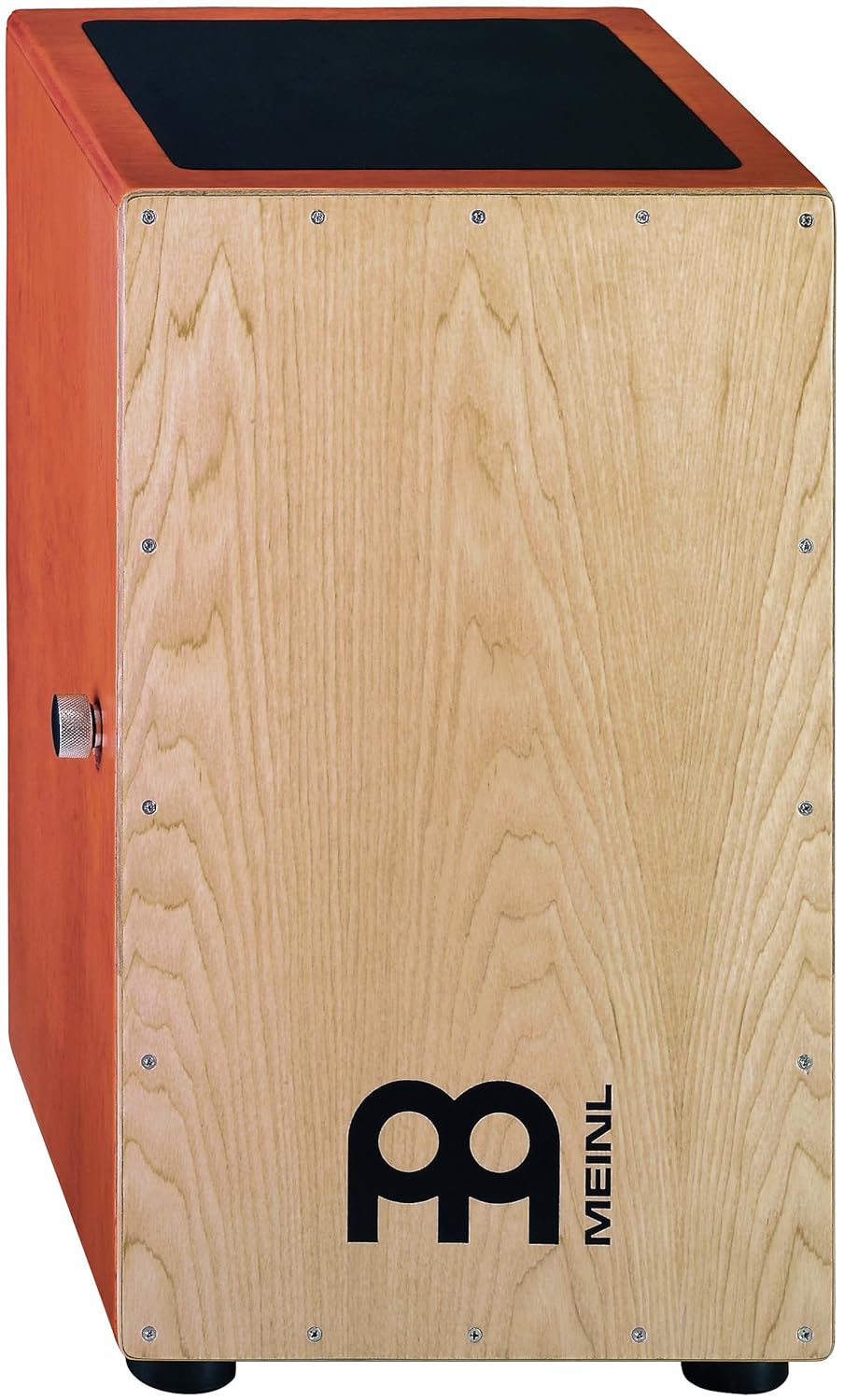
A cajón is a hollow wooden instrument. You sit on it and strike its front panel with your hands. The center makes a deep bass sound, while the edges create sharper tones. It is common in acoustic music, worship bands, folk groups, street performances, and small live shows across the U.S.
What Is a Cajón?
A cajón is a six-sided box drum from Peru. Its name comes from the Spanish word cajón, which means “box” or “drawer.”
The player usually sits on the top of the cajón. The front panel, called the tapa, acts as the main playing surface. The body has a sound hole, often on the back. This hole helps project the sound toward the audience.
Most cajóns produce at least two main sounds:
- Bass tones: Played near the center of the front panel.
- Slap or high tones: Played near the top edge or corners.
- Muted tones: Made by resting part of the hand on the panel while striking it.
Some cajóns include wires, snares, or metal strings inside. These parts add a buzzing sound that resembles a snare drum. Other cajóns have no internal wires and produce a cleaner, more natural box-drum tone.
The instrument does not need drumsticks. Players use their palms, fingers, fingertips, and knuckles. Some performers also use brushes, rods, or pedals made for cajóns.

Why Is It Called a Box Drum?
A cajón is called a box drum because its body is shaped like a box and works as a resonating chamber.
When you hit the front panel, the wood vibrates. The air inside the box also moves. That air movement strengthens the sound and sends it out through the rear sound hole.
The size, wood, panel thickness, and internal design all affect the tone. A larger body often gives a deeper sound. A thinner front panel may respond more easily to light finger taps. Internal snares can add a crisp buzz, but they can also make the sound less pure.
“Box drum” is a general term, while cajón names a specific type of box drum. Other instruments may also fit the broad box-drum description.
| Name | What it usually means |
|---|---|
| Cajón | A hand-played wooden box drum, usually from the Peruvian tradition |
| Box drum | A broad term for a drum shaped like a box |
| Snare cajón | A cajón with internal wires or strings for a snare-like sound |
| Flamenco cajón | A cajón style often used with flamenco music |
| Stomp box | A small foot-operated box that creates a kick or percussion sound |
| Drum machine | An electronic device that creates recorded or synthesized drum sounds |
The safest term depends on the instrument. If someone sits on it and plays the front panel with their hands, cajón is usually the right name.

Where Did the Cajón Come From?
The cajón developed in Peru and is strongly linked to Afro-Peruvian music. Its history connects African, Indigenous, and Spanish influences.
A common account says that enslaved Africans in colonial Peru used available wooden boxes as percussion instruments after colonial authorities restricted or discouraged some traditional drums. This explanation is widely repeated, but the full history is more complex than a single origin story.
The cajón became an important part of Peruvian musical styles such as festejo, marinera, and landó. It later spread to other countries and became especially popular in flamenco music and modern acoustic performance.
Today, American musicians use cajóns in many settings, including:
- Acoustic pop
- Folk and Americana
- Country
- Blues
- Flamenco
- Latin music
- Worship music
- Unplugged performances
- Small coffeehouse shows
- Street and busking performances
The modern instrument may differ from traditional Peruvian designs. That does not make every cajón the same. Some are built for deep bass, some for strong snare response, and others for a balanced sound.

How Does a Cajón Make Different Drum Sounds?
A cajón creates different sounds because each part of the front panel vibrates in a different way.
Center of the panel
Strike the center with the palm or fingers. This usually creates the lowest sound. Players often use this tone like a kick drum.
Upper edge
Strike close to the top edge with the fingers. This creates a brighter sound. Players often use it like a snare or high drum.
Corners
The corners can create sharp slap sounds. These tones add accents and help mark a rhythm.
Muted strikes
Place one hand lightly on the panel while striking it with the other. This reduces the ring and creates a shorter sound.
A simple beginner pattern might use:
- A bass hit in the center.
- A higher hit near the top edge.
- Another bass hit.
- Two quick edge hits.
This pattern can support a singer without overpowering the voice. The key is control. A cajón can sound loud in a small room, even though it looks simple.

Is a Cajón the Same as a Drum Box?
A cajón is one kind of drum box, but the terms are not always interchangeable.
Cajón usually refers to a playable wooden box with a front striking panel. It has a clear link to Peruvian percussion traditions.
Drum box can describe several things. In a music store, it may refer to a cajón. In other settings, it may mean a stomp box, an electronic rhythm unit, or a homemade box used for percussion.
Before buying or using one, check how it is played:
- Hand-played while seated: Probably a cajón.
- Played with the foot: Probably a stomp box.
- Controlled with buttons or pads: Probably a drum machine or electronic drum unit.
- Played with drumsticks: It may be a box-shaped practice drum or specialty percussion instrument.
This distinction matters because the sound, technique, and accessories can differ. A cajón needs no power. A drum machine needs electricity or batteries. A stomp box may connect to an amplifier, while an acoustic cajón usually does not.

What Should You Look for in a Cajón?
Choose a cajón based on sound, size, comfort, and use. The most expensive model is not automatically the best match.
Playing surface
A thin front panel often responds well to finger taps. A thicker panel may feel more solid and produce a stronger attack. The panel should feel secure and should not rattle when you play it.
Internal snare system
A snare-equipped cajón gives a buzzing, drum-like sound. A non-snare cajón gives a more open and woody tone.
Choose a snare model if you want:
- A sound closer to a compact drum kit
- More snap in pop or worship music
- Easy contrast between bass and treble tones
Choose a non-snare model if you want:
- A cleaner acoustic tone
- More traditional-sounding hand percussion
- Less internal buzz
Size and comfort
You need to sit comfortably on the cajón. A box that is too high can make your legs and back uncomfortable. A small cajón may be easier to carry but may produce less low-end sound.
Portability
A cajón is easier to transport than a full drum kit. Still, many wooden models are heavy enough to matter when carried to rehearsals or shows. A padded bag can protect the corners and front panel.
Pickup or microphone options
Some cajóns include an internal pickup. This can help in live performances, but it adds electronics that may need care or repair.
A standard acoustic cajón can also be amplified with a microphone. The best microphone position depends on the venue, room sound, and desired balance between bass and slap tones.

Common Mistakes When Using a Cajón
Many beginners hit the cajón too hard. Strong force does not always create a better sound. It can cause hand pain and may damage a thin front panel over time.
Avoid these common problems:
- Sitting on an unstable cajón: Check that the box does not rock or slide.
- Using stiff wrists: Keep the hands relaxed.
- Hitting only the center: Explore the edge and corner tones.
- Expecting every cajón to sound like a snare drum: Internal design varies.
- Ignoring hand pain: Stop if you feel sharp pain, numbness, or tingling.
- Leaving it in damp conditions: Moisture can affect wood and glue.
- Placing it near extreme heat: Heat can warp the playing panel.
Warm up with light taps before playing hard. Keep your wrists neutral and let the fingers and palms do most of the work. If pain continues, stop playing and seek advice from a qualified health professional.

Can You Call a Cajón a Wooden Drum?
Yes. “Wooden drum” is an understandable description, but cajón is more precise.
A traditional drum usually has a stretched membrane made from animal hide or synthetic material. A cajón uses a wooden front panel instead. It still works as a percussion instrument because the panel and hollow body create vibration and resonance.
Calling it a wooden drum helps explain the instrument to someone unfamiliar with the name. Calling it a cajón gives the listener a clearer and more accurate term.

Key Takeaways
- A drum box is most commonly called a cajón.
- The U.S. pronunciation is usually ka-HONE.
- A cajón is a hollow wooden box played with the hands.
- The center creates bass tones, while the edges create sharper sounds.
- Some cajóns have internal snares or wires, and some do not.
- “Box drum” is a broad term; “cajón” is the specific instrument name.
- A stomp box and drum machine are different instruments.
FAQs
What is the correct spelling: cajon or cajón?
Both forms appear in English, but cajón is the standard Spanish spelling. The accent mark shows that the final syllable receives the stress. Many English-language stores write “cajon” without the accent.
How do you pronounce cajón?
Say it like ka-HONE. The last syllable is stressed.
Is a cajón easy to learn?
Basic cajón playing is accessible for beginners. You can learn a simple bass-and-edge pattern quickly, but control, speed, and musical timing take practice.
Do all cajóns have snares?
No. Some cajóns have wires, strings, or other internal parts that create a snare-like buzz. Others have no snare system and produce a more open wooden tone.
Can you use a cajón instead of a drum set?
A cajón can cover basic bass and snare roles in an acoustic setting, but it does not fully replace a drum set. A drum kit offers more drums, cymbals, volume control, and tonal range.
What is the difference between a cajón and a stomp box?
A cajón is played mainly with the hands while you sit on it. A stomp box is usually a small device played with the foot. A stomp box may also use electronics and amplification.
Conclusion
The drum box most people mean is a cajón, also called a box drum. It is a hollow wooden percussion instrument played with the hands, with low tones in the center and sharper tones near the edges.
If you are searching for one in the United States, use terms such as cajón drum, box drum, or snare cajón. Check whether the model has internal snares, a pickup, and a comfortable playing height before choosing one.

Senior Music Reviewer
Alex Carter is a seasoned music reviewer with over a decade of experience in the world of sound and instruments. Passionate about helping musicians and enthusiasts make informed choices, he brings sharp insights and in-depth knowledge to every review. From classical instruments to modern gear, Alex combines technical expertise with a love for music to deliver content that resonates with readers.
As a Senior Music Reviewer and expert author on Tuneluma.com, Alex is dedicated to sharing honest evaluations, practical advice, and thoughtful commentary to guide readers in their musical journey.