How To Play A Steel Tongue Drum: Easy Guide For Beginners
Tap the tongues gently with mallets or fingertips, focusing on steady rhythm and simple melodies.
I’ve taught and played steel tongue drums for years, and this guide dives deep into how to play a steel tongue drum with clarity and confidence. You’ll get clear steps, easy exercises, and real tips from my experience so you can start making music right away. Read on to learn basics, technique, practice routines, common pitfalls, and ways to grow as a player.
Basics: What a steel tongue drum is and how it works
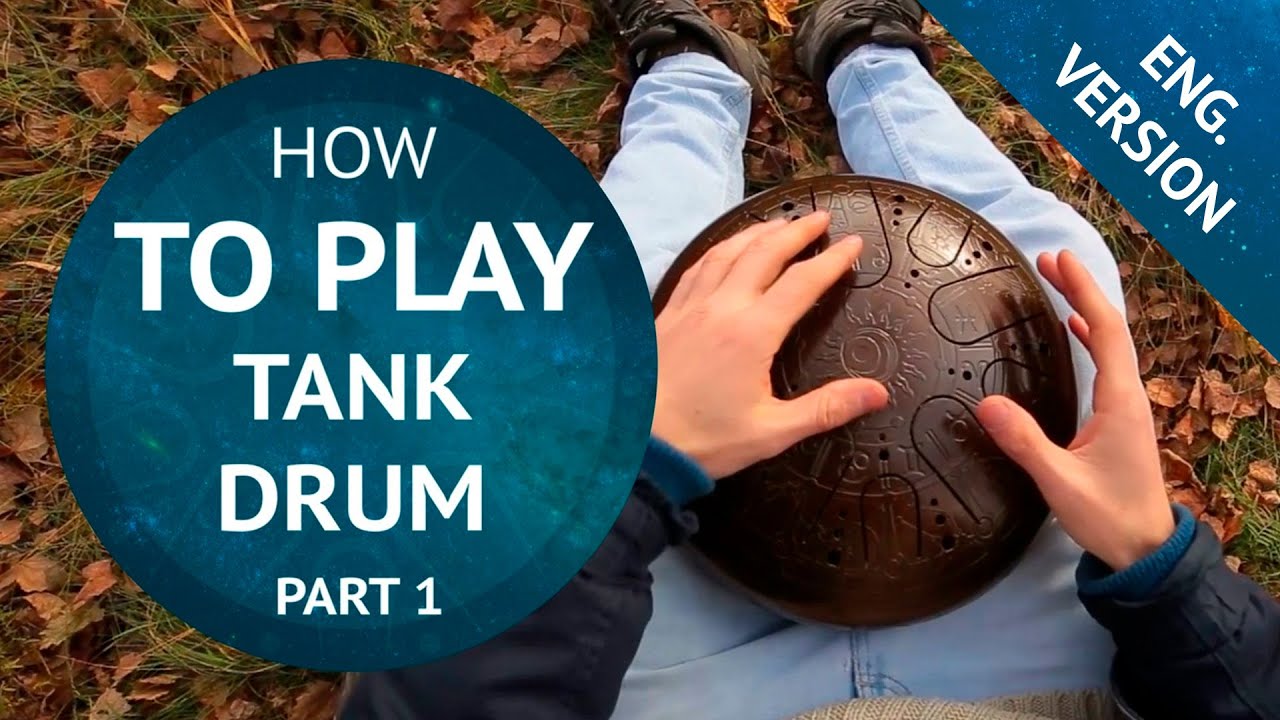
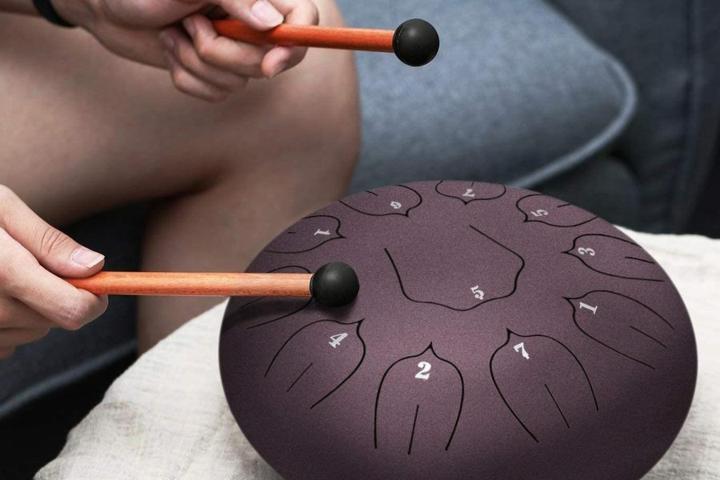
A steel tongue drum is a tuned percussion instrument made from a metal shell with cut tongues that ring when struck. Each tongue vibrates at a specific pitch. Notes are laid out across the top in scales like pentatonic or diatonic for easy play. The instrument is inherently melodic, so most patterns sound pleasing even for beginners.
I learned on a 12-inch 11-note pentatonic drum. Its layout made improvising painless. Knowing the instrument’s parts helps you play with better control and tone.
Choosing the right drum for your goals
Pick a drum that matches your musical goals and comfort.
- Size and portability: Smaller drums are easy to carry and great for travel. Larger drums often give a deeper, fuller sound.
- Scale and range: Pentatonic scales are forgiving for beginners. Diatonic or chromatic drums suit players who want full melodies.
- Material and build: Thicker steel can sustain longer notes. Good craftsmanship affects tuning stability.
- Mallets or hand play: Many drums come with rubber mallets. If you prefer finger work, choose a drum with tongues shaped for finger response.
From my experience, a medium 10–12 inch pentatonic drum is the best starter. It balances tone, range, and ease of learning.

Understanding tuning, scales, and note layout
Learning how the notes map on your drum makes practice faster.
- Scale types: Pentatonic sounds good across many musical styles. Diatonic suits familiar melodies. Chromatic offers full-step access.
- Note markers: Many drums show note names on or under tongues. Use them while learning, then remove reliance.
- Tuning basics: Tuning is done by adjusting tongue mass or using a tuner to check pitch. Some drums can be tuned by a pro if factory tuning drifts.
I check tuning before every session. A quick electronic tuner keeps notes consistent and training effective.

How to play a steel tongue drum: step-by-step techniques
Start simple and build control. Learn both mallet and hand techniques.
- Holding mallets
- Hold mallets loosely near the end for bounce.
- Aim for the center of a tongue for clear tone.
- Use wrist motion rather than arm motion for speed.
- Hand and finger playing
- Strike with the pad of your finger, not the nail.
- Use fingers or thumb for softer dynamics.
- Alternate fingers to keep steady rhythm.
- Strokes and dynamics
- Single tap: a clean, single note.
- Roll: quick alternating taps for sustained feel.
- Dampening: place finger on a tongue after striking to stop a note quickly.
- Practice posture and setup
- Sit with drum on lap or table at hip height.
- Keep shoulders relaxed and wrists loose.
I started with mallets to learn timing. Later, switching to fingers brought warmer tones and more nuance.

Practice routines and exercises to improve quickly
Short, focused routines build skill faster than long scattered practice.
- Warm-up (5 minutes)
- Play each note slowly to hear timbre.
- Do single-note taps up and down the scale.
- Timing and rhythm (10 minutes)
- Use a metronome at 60 BPM, play quarter notes.
- Increase speed in small steps.
- Melody building (10 minutes)
- Learn a short 4-bar melody. Repeat with variations.
- Practice call-and-response: play a phrase, then improvise an answer.
- Technique drills (10 minutes)
- Alternate mallet strokes or finger taps.
- Practice dampening to control sustain.
I log short practices. Tracking small wins kept me motivated and improved accuracy quickly.

Song ideas, patterns, and improvisation tips
Start with simple ideas that sound impressive on this instrument.
- Pattern starters
- Use the root, third, and fifth notes for a basic chordal pattern.
- Try 3-note arpeggios for a flowing texture.
- Improvisation tips
- Limit notes to a small subset of the scale at first.
- Repeat short phrases and vary rhythm to form a theme.
- Simple songs to try
- Folk melody: adapt a known folk tune to the drum’s scale.
- Ambient loop: play a slow pattern and add sparse single-note accents.
When I improvise, I use motifs. Repeating a motif and changing one element makes the music feel composed.

Care, maintenance, and setup tips
Caring for your drum keeps sound consistent and extends life.
- Cleaning and storage
- Wipe down with a soft cloth after play to remove oils.
- Store in a padded bag away from moisture and direct sun.
- Preventing dents and damage
- Avoid dropping the drum. Use a case for travel.
- Use soft mallets or fingers for routine play.
- Tuning and repairs
- If notes drift, consult a pro tuner for adjustments.
- Small dents can change pitch and may need expert repair.
I always use a padded case when I travel. The drum arrives in play-ready condition and stays in tune longer.

Troubleshooting, limitations, and advanced tips
Know common issues and how to handle them.
- Common problems
- Muffled sound: often caused by oil, dirt, or dampening fingers.
- Out-of-tune note: can be due to impact or metal fatigue.
- Limitations
- Limited range on small drums restricts complex harmonies.
- Some styles need other instruments for full arrangement.
- Advanced tips
- Layer recording: record several passes to build rich textures.
- Use reverb and delay sparingly to enhance sustain without washing out clarity.
I once hit the drum too hard and bent a tongue. Sending it to a repair person fixed the issue but taught me to play with care.
Resources and next steps for learning
Find the right tools and community to grow as a player.
- Learning tools
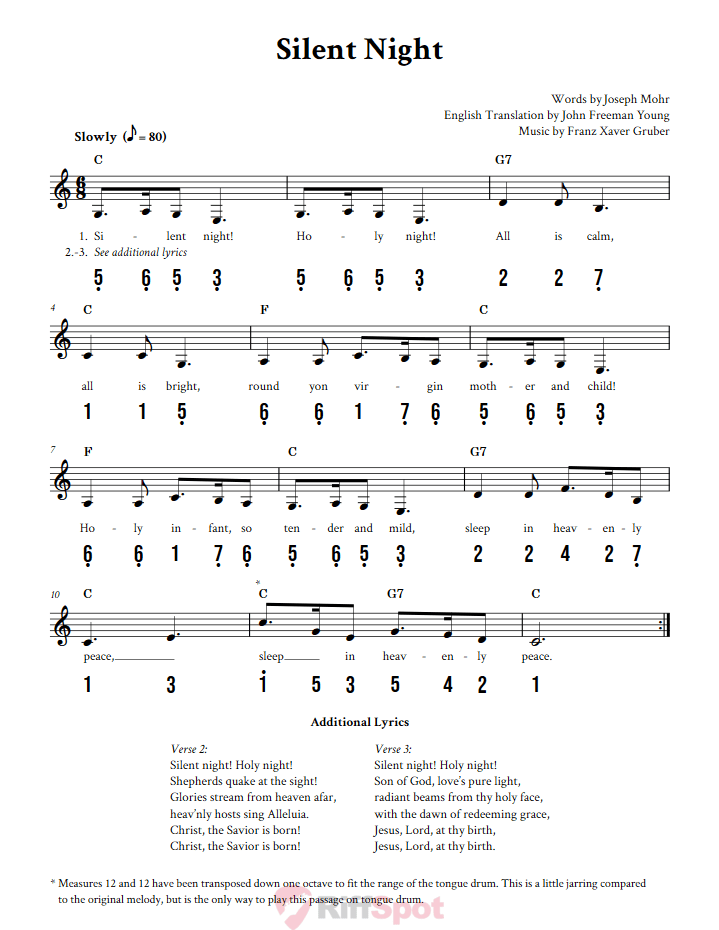
- Metronome apps, simple sheet music, and backing tracks.
- Tutorial videos and step-by-step lessons.
- Community and performance
- Join local jam groups or online drum forums.
- Share simple recordings to get feedback and ideas.
- Gear upgrades
- Try different mallet tips or upgrade to a larger drum for more range.
- Consider pickup mics if you want to amplify or record.
I recommend starting with free lessons and community forums. They speed learning and keep you inspired.
Frequently Asked Questions of how to play a steel tongue drum
How long does it take to learn basic songs on a steel tongue drum?
Most people learn simple songs within a few days to a few weeks of regular short practice. Focused 15–20 minute sessions speed progress.
Can I play the steel tongue drum with my hands instead of mallets?
Yes. Playing with fingers produces a warmer, softer tone and more control. Mallets give louder volume and clearer attack.
What scale is best for beginners?
Pentatonic scales are best for beginners because they reduce dissonance and make improvisation easy. They sound good across many musical styles.
How do I improve my timing and rhythm?
Use a metronome and practice simple patterns at slow tempo. Gradually increase speed and add rhythmic variations for challenge.
Do steel tongue drums require tuning?
High-quality drums stay in tune for long periods, but environmental changes and heavy use can require tuning. Send the drum to a professional if notes drift significantly.
Are there common mistakes beginners make?
Striking too hard, neglecting dampening, and skipping metronome practice are common errors. Start slowly and focus on clean, relaxed strokes.
Can I record a steel tongue drum at home?
Yes. Use a condenser mic or a dedicated pickup and record in a quiet space. Simple reverb and EQ can enhance the sound without hiding your playing.
Conclusion
Playing a steel tongue drum is approachable and deeply rewarding. Start with basic strikes, learn a few patterns, and practice short focused sessions to build skill. Use mallets first if you like clear attacks, then move to fingers for nuance and warmth. Protect your drum, tune when needed, and join communities to grow faster. Try one simple habit: play for ten minutes every day this week and notice progress. Share your results, ask questions, or subscribe to keep learning.

Senior Music Reviewer
Alex Carter is a seasoned music reviewer with over a decade of experience in the world of sound and instruments. Passionate about helping musicians and enthusiasts make informed choices, he brings sharp insights and in-depth knowledge to every review. From classical instruments to modern gear, Alex combines technical expertise with a love for music to deliver content that resonates with readers.
As a Senior Music Reviewer and expert author on Tuneluma.com, Alex is dedicated to sharing honest evaluations, practical advice, and thoughtful commentary to guide readers in their musical journey.