What Guitar Did Dimebag Play: His Iconic Guitars
Dimebag Darrell mainly played Dean ML guitars, including the famous Dean From Hell and his signature Razorback models.
If you have ever wondered what guitar did Dimebag play, the answer is more detailed than simply saying “a Dean.” His sound came from a long partnership with Dean, a key era with Washburn, powerful pickups, low tunings, and a playing style built for heavy metal. This guide explains the guitars he used, how they changed over time, and what to look for if you want that classic Dimebag tone.

What guitar did Dimebag play most often?
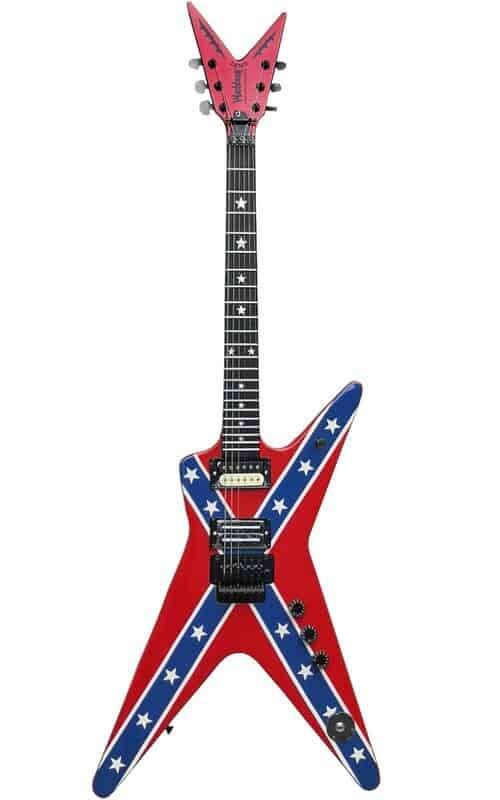
The short answer is the Dean ML. Dimebag Darrell made the ML shape famous through his work with Pantera and Damageplan. Its sharp wings, deep cutaways, and aggressive look matched his stage image, but the guitar was more than a visual trademark.
The Dean ML gave Dimebag a solid platform for fast riffs, wide bends, harmonics, and dive bombs. He used versions with different finishes, pickups, bridges, and neck details. Still, the body shape stayed closely linked to his identity.
When people ask what guitar did Dimebag play, they often mean the Dean From Hell. This blue Dean ML became one of the most recognizable metal guitars ever used on stage. Its lightning graphics, red details, and bold shape made it easy to spot under concert lights.
Dimebag did not use only one guitar for his entire career. His main instruments changed as his endorsements and equipment needs changed. However, the Dean ML remained the central design in his story.

Dimebag Darrell’s main guitar timeline
Dimebag’s guitar history has three important stages. Each stage shows how his equipment developed while his core sound stayed familiar.
The early Dean years
Dimebag began using Dean guitars during Pantera’s early period. He became strongly associated with the Dean ML before the company entered a long period of reduced activity in the late 1980s.
The Dean From Hell was one of the most important guitars from this period. It was based on the ML design and became a defining instrument for Dimebag’s classic sound and image.
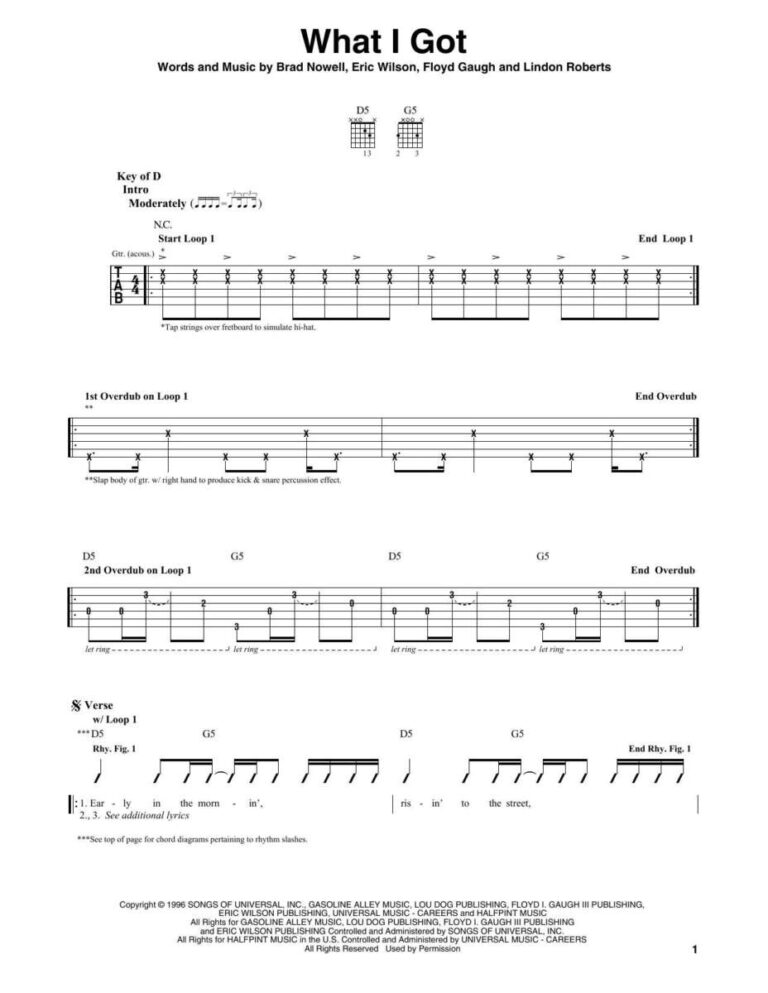
This guitar was not famous only because of its finish. It had the type of strong attack that worked well for Pantera’s tight rhythm parts. It also supported the squeals, bends, and wide vibrato that became part of Dimebag’s playing voice.
The Washburn period
When Dean was no longer his main guitar company, Dimebag moved to Washburn. This period lasted through much of the 1990s and early 2000s.
Washburn built several Dimebag models, including the Dime 3 and related signature guitars. These instruments kept the pointed, aggressive style that fans expected, but they included updated hardware and construction details.
The Washburn guitars helped Dimebag maintain a consistent stage sound during Pantera’s most successful years. This matters when asking what guitar did Dimebag play during albums such as Vulgar Display of Power, Far Beyond Driven, and The Great Southern Trendkill. The answer during much of that era was a Washburn Dime model, although he also used other instruments.
The return to Dean
Dimebag returned to Dean in 2004, shortly before his death. This reunion led to new signature designs, including the Razorback.
The Razorback was based on the familiar ML idea but had a more extreme body shape. It included sharper points and a more aggressive appearance that suited Dimebag’s later image.
After his death, Dean continued producing Dimebag-inspired models. These included versions of the Razorback, ML, and other signature designs. Modern models may look similar to his personal guitars, but they are not always exact copies of the instruments he played.

The Dean From Hell
The Dean From Hell is the guitar most closely connected with Dimebag Darrell. It was a customized Dean ML with a striking blue finish, lightning graphics, and distinctive red details.
Dimebag acquired the guitar during his early career and modified it over time. The instrument became a regular part of his live setup and appeared in photographs, videos, and performances that helped define Pantera’s public image.
Important features commonly linked with the Dean From Hell include:
• A Dean ML body shape with deep cutaways
• A blue finish with lightning-style artwork
• A Floyd Rose locking tremolo system
• A high-output bridge humbucker
• A maple neck and rosewood fingerboard on many documented versions
• A bold headstock and sharp body contours
The exact specifications can vary because the guitar was repaired, modified, and represented by different versions over the years. This is one reason guitar fans sometimes disagree about pickup brands or small hardware details.
The larger point is clear: the Dean From Hell was a customized working guitar, not just a collector piece. Dimebag played it hard, adjusted it for performance, and made it part of his musical identity.
If you want to understand what guitar did Dimebag play, start with the Dean From Hell. It is the best-known example of the shape, feel, and visual style associated with him.

What Washburn guitar did Dimebag play?
During his Washburn years, Dimebag played several signature models. The Washburn Dime 3 is one of the names most often connected with him.
Washburn Dime models used the familiar pointed body style, but they were made for a modern production setting. They commonly included a locking tremolo, high-output humbuckers, and finishes designed for the stage.
The Washburn 333 was another important model linked to Dimebag. It reflected the needs of a professional touring guitarist. It was built for strong rhythm sounds, sharp lead tones, and reliable tremolo work.
The Dime 3 and similar Washburn guitars often included features such as:
• A double-cutaway body
• A fast-playing neck
• A Floyd Rose-style tremolo
• A high-output bridge pickup
• A neck pickup for cleaner or warmer sounds
• A finish based on Dimebag’s personal graphics
When researching what guitar did Dimebag play, it helps to connect each model to its time period. Saying that he “played a Dean” is correct in a broad sense, but it misses a major part of the 1990s. During that era, Washburn guitars were central to his public sound and image.

What guitar did Dimebag play on Pantera records?
Dimebag used more than one guitar during Pantera’s recording career. His studio and live instruments were not always identical, and exact tracking information is not available for every song.
For much of Pantera’s best-known period, Dimebag used Washburn guitars made to his specifications. He also used Dean instruments before and after the Washburn partnership. His studio setup could include different guitars, amplifiers, speakers, effects, and recording chains.
That means the guitar alone did not create the Pantera sound. A guitar is only one part of the signal path. The final tone also depends on:
• Pickup output and voicing
• Tuning and string gauge
• Pick thickness
• Amplifier settings
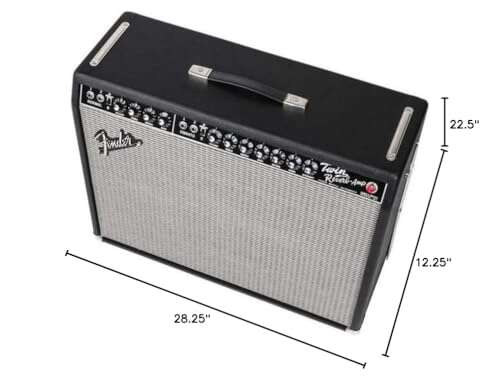
• Speaker cabinets
• Recording microphones
• Right-hand attack
• Noise control and muting
A common mistake is to buy a signature guitar and expect it to sound exactly like a Pantera record. The guitar helps, but Dimebag’s hard picking hand was just as important. His tone had a sharp edge because he attacked the strings with speed and control.
When considering what guitar did Dimebag play on a specific song, be careful with claims that are not supported by recording notes or reliable gear documentation. Some popular guitar stories are repeated by fans even when the exact studio instrument remains uncertain.

Dimebag’s guitar specifications and features
Dimebag’s guitars were designed for heavy rhythm work and expressive lead playing. His instruments needed to handle thick riffs, artificial harmonics, whammy-bar effects, and fast solos.
Pickups
Dimebag favored powerful bridge humbuckers. The Bill Lawrence L500XL is strongly associated with several of his famous guitars, especially the Dean From Hell period. Later signature models also used Dimebag-related pickup designs, including the Seymour Duncan Dimebucker.