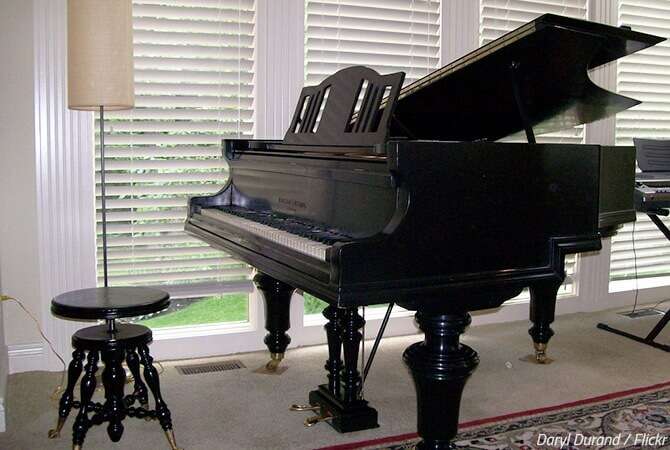
How Much Does A Baby Grand Piano Weigh: Weight Guide
A typical baby grand piano weighs between 500 and 700 pounds (about 227–318 kg).
I’ve moved, tuned, and lived with baby grands for years, so I know how important it is to get the facts right. This guide explains how much does a baby grand piano weigh, why that weight matters, what affects it, and how to handle one safely. Read on for clear ranges, real-world tips, and practical steps you can use when buying, moving, or placing a baby grand in your home.
Typical weight ranges and real-world examples
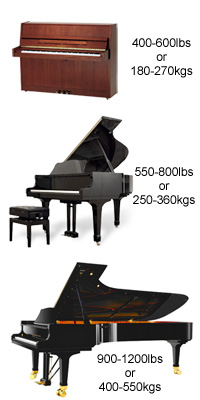
Baby grand pianos cover a range of sizes and weights. In short, how much does a baby grand piano weigh depends on length, materials, and brand. Here are practical ranges you’ll see most often:
- Small baby grand (about 4'11" to 5'0"): roughly 400–500 pounds.
- Standard baby grand (about 5'1" to 5'5"): roughly 500–650 pounds.
- Larger baby grand (up to 5'8"): roughly 600–750 pounds.
Examples from the field help make this clear. Some compact models from mass-market brands weigh near 450–500 pounds. Premium instruments with heavier cast-iron plates and solid hardwood cases commonly push into the 600–700 pound range. So, when you ask how much does a baby grand piano weigh, expect a wide but predictable spread based on size and construction.

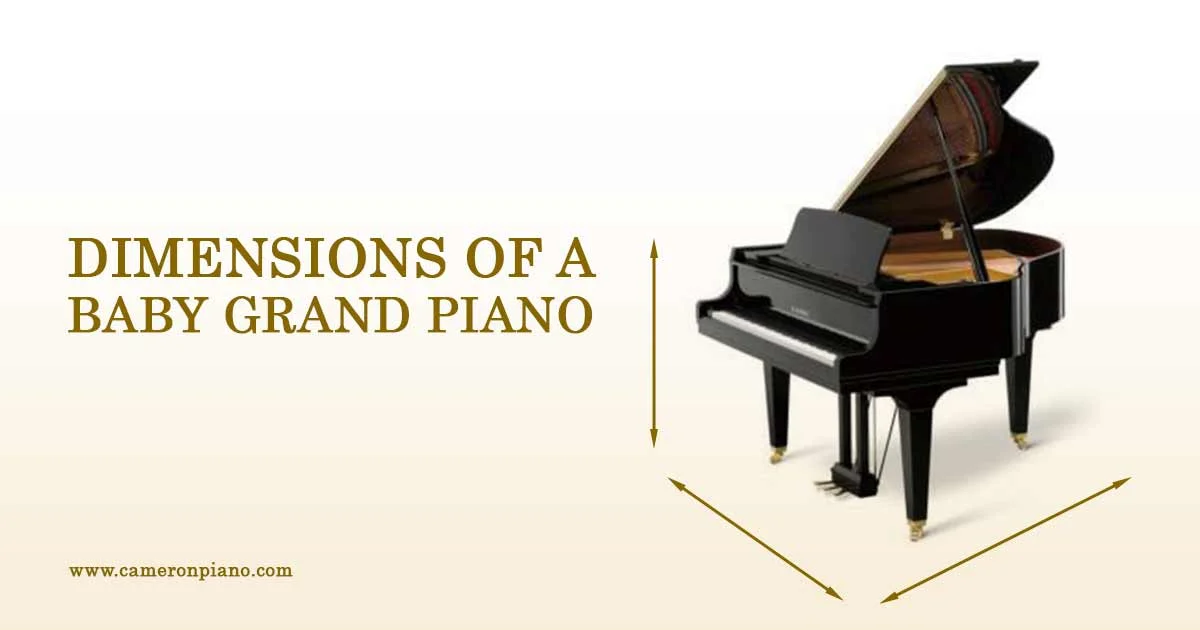
How long is a baby grand, and how does length change weight?
Most baby grands measure between 4 feet 11 inches and 5 feet 8 inches. Longer instruments have larger plates and longer strings. That increases weight. So size and length are direct drivers of how much does a baby grand piano weigh.
Does brand make a big difference?
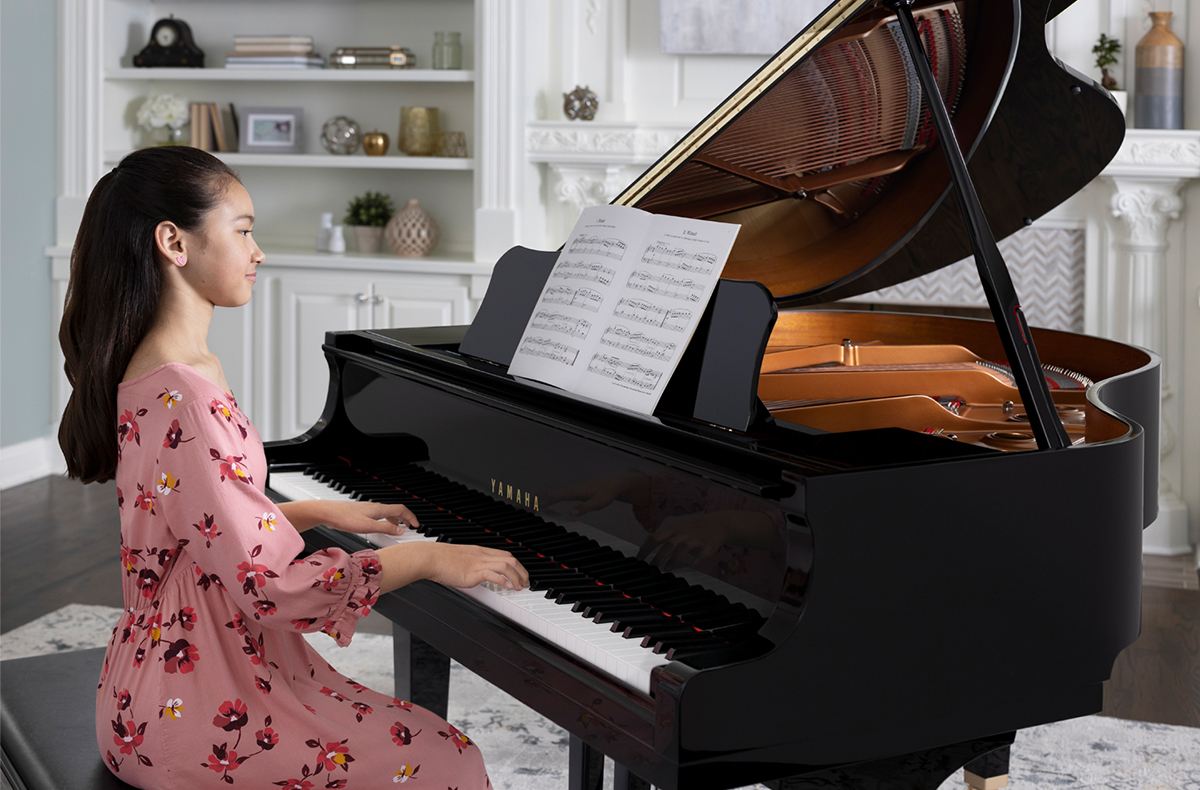
Yes. Brands that use denser woods and larger plates will weigh more. Custom or concert-quality builds often add weight through reinforced bridges and heavier actions. That affects how much does a baby grand piano weigh in real terms.

Key factors that affect how much does a baby grand piano weigh
Several components determine a piano’s mass. Knowing them helps you predict weight without a scale.
- Cast-iron plate
- This is one of the heaviest single parts. A thicker plate adds a lot of pounds.
- Soundboard and ribs
- Made from spruce. Larger boards weigh more but are still lighter than the plate.
- Case and legs
- Solid hardwood cases and ornate legs increase weight compared to laminated or modern composite cases.
- Action and hardware
- Brass, steel, and complex action mechanisms add mass.
- Strings
- The mass of the strings and tuning pins contributes to the final weight.
When you ask how much does a baby grand piano weigh, remember these parts. Two pianos of the same length can vary by 100 pounds or more based on parts and finish.
Why weight matters: floors, transport, and placement
Weight influences costs and logistics. Think about these real impacts.
- Floor support
- Many home floors can hold a baby grand, but older joists or second-story rooms may need reinforcement.
- Moving and delivery
- Movers charge more for heavier items. Narrow halls, stairs, and tight corners increase complexity.
- Vibration and room acoustics
- A heavier piano often has a more stable sound and less sympathetic vibration in the frame.
- Insurance and resale
- Heavier, higher-end models usually cost more to insure and may retain value better.
If you’re wondering how much does a baby grand piano weigh for home delivery, plan for professionals and a room inspection. I’ve seen deliveries delayed because a staircase or doorway was underestimated. It’s worth measuring before the purchase.
How to move a baby grand piano safely (step-by-step)
Moving a baby grand requires care. Here’s a stepwise approach to reduce risk and cost.
- Plan and measure
- Measure doorways, hallways, stairwells, and ceiling height. Confirm clearances of at least a few inches.
- Protect the instrument
- Close the lid and lock it if possible. Wrap the piano in padded blankets and secure with straps.
- Use the right gear
- Piano skid board, heavy-duty straps, and furniture dollies are must-haves. Avoid tilting the piano too far.
- Hire professionals when needed
- For most baby grands, hire experienced piano movers. They know how to handle weight, fragile parts, and insurance.
- Position and level
- Set the piano on a flat, stable spot. Use floor protectors and check level before playing.
From experience, the single biggest mistake is underestimating weight and terrain. Asking “how much does a baby grand piano weigh?” gives you the right start—but good planning and pros finish the job.
Costs related to weight: delivery, moving, and floor work
Weight affects price. Expect these typical cost items:
- Local moving by pros: higher than standard furniture. Weight, stairs, and distance increase price.
- Long-distance transport: charged by weight, cubic space, and special handling.
- Floor reinforcement: if needed, contractor fees vary by scope.
- Insurance and special handling fees: some carriers add charges for pianos over certain weights.
When you negotiate delivery, be transparent about how much does a baby grand piano weigh and the path it will travel. That avoids surprise charges.

Placement and home considerations
Where you place a baby grand changes its sound and the demands on your space.
- Room size
- Larger rooms suit larger baby grands. A 5'6" piano fills a medium room nicely.
- Wall distance
- Leave a few inches to a foot from walls to allow sound to develop.
- Humidity control
- Heavier, wooden instruments still need stable humidity. Use humidifiers or dehumidifiers as needed.
- Floor protection
- Use wide casters or a sturdy rug and floor pads. Heavier pianos can dent soft floors.
Asking how much does a baby grand piano weigh helps you make practical choices about room placement and sound.

Personal experience and practical tips
I’ve moved and tuned baby grands in apartments and houses. Here are real lessons I learned.
- Measure everything twice. It saves hours and money.
- Never assume a hallway is wide enough—even 3 inches can make or break a move.
- Hire pros for stairs. I once helped move a piano down a short staircase; one wrong angle and we would have damaged the leg.
- Plan for humidity seasonally. Weight doesn’t change much, but wood movement does affect action and sound.
- When buying used, ask the seller the approximate weight or model number. That helps you plan the move.
These tips come from hands-on moves and years in music rooms. They answer the practical side of how much does a baby grand piano weigh.
Common misconceptions about weight
Clear up a few myths that come up often.
- Myth: Heavier always equals better sound.
- Reality: Heavier parts can help sustain, but voicing, action, and wood quality matter more.
- Myth: Any mover can handle it.
- Reality: Only trained piano movers should handle baby grands, especially on stairs.
- Myth: Weight is fixed for a model.
- Reality: Same model can vary by production year, finish, and added upgrades.
Knowing these facts helps you make wiser decisions when weighing options.
Frequently Asked Questions of how much does a baby grand piano weigh
How much does a baby grand piano weigh on average?
A baby grand piano typically weighs between 500 and 700 pounds, depending on length and build. Smaller models may be near 400–500 pounds and larger ones can approach 700–750 pounds.
Will my floor hold a baby grand piano?
Most modern floors can support a baby grand, but older or second-story floors may need reinforcement. Have a contractor inspect joists if you’re unsure.
How many movers does it take to move a baby grand piano?
Professional piano moves usually require 3–6 people depending on stairs and obstacles. The piano’s weight and route complexity determine the crew size.
Can I move a baby grand piano with a furniture dolly?
A furniture dolly can work on flat, obstacle-free paths but is not safe for stairs or tight turns. Use a piano skid board and straps for any serious move.
Does the weight affect the piano’s sound?
Weight alone doesn’t determine sound, but heavier plates and ribs can influence sustain and stability. Wood quality and voicing are crucial too.
Is a baby grand lighter than an upright piano?
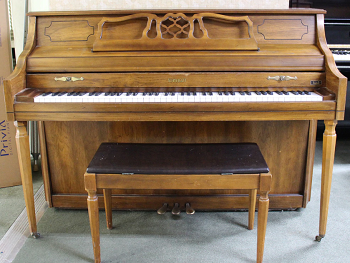
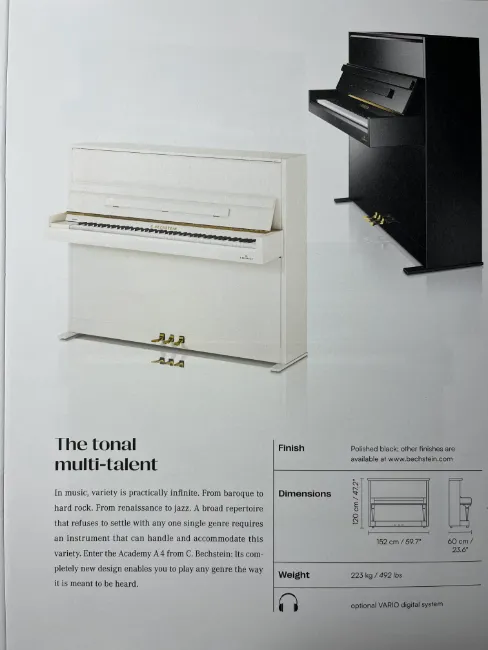
Some uprights weigh less, but premium uprights can weigh similarly to baby grands. It depends on materials and size.
Should I worry about insurance for a baby grand?
Yes. Insure the instrument during transit and while installed at your home. Replacement cost and moving risks justify coverage.
Conclusion
Weight is a practical and critical factor when you think about buying, moving, or placing a baby grand. Knowing how much does a baby grand piano weigh helps you plan delivery, protect floors, and choose the right model for your room. Measure, ask questions, and hire experienced movers when needed. If you’re ready to buy or move a baby grand, start by checking the model’s weight and planning the route—then take action with confidence. Share your questions or move stories below, or subscribe for more piano buying and care advice.

Senior Music Reviewer
Alex Carter is a seasoned music reviewer with over a decade of experience in the world of sound and instruments. Passionate about helping musicians and enthusiasts make informed choices, he brings sharp insights and in-depth knowledge to every review. From classical instruments to modern gear, Alex combines technical expertise with a love for music to deliver content that resonates with readers.
As a Senior Music Reviewer and expert author on Tuneluma.com, Alex is dedicated to sharing honest evaluations, practical advice, and thoughtful commentary to guide readers in their musical journey.