
What Are The Guitar String Notes: Standard Tuning Guide
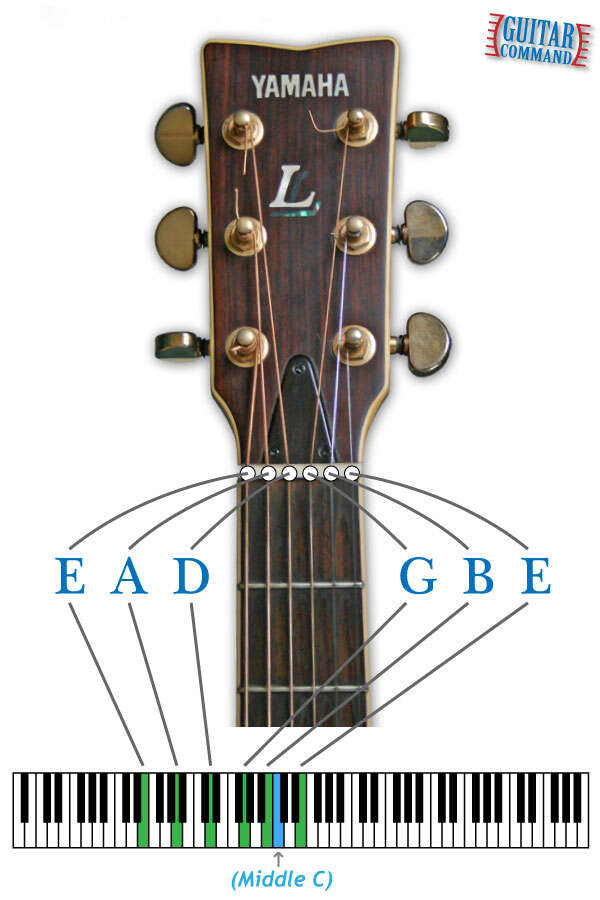
The guitar string notes in standard tuning are E, A, D, G, B, and high E.
Understanding what are the guitar string notes is the first step toward tuning, reading chord charts, learning scales, and playing songs with confidence. This guide explains the six strings from low to high, shows easy memory tricks, and explains how frets change each note. Whether you are holding a guitar for the first time or fixing a tuning mistake, you will find clear answers here.
What Are the Guitar String Notes in Standard Tuning?
On a standard six-string guitar, the open strings are tuned to these notes:
- Low E, the thickest string
- A
- D
- G
- B
- High E, the thinnest string
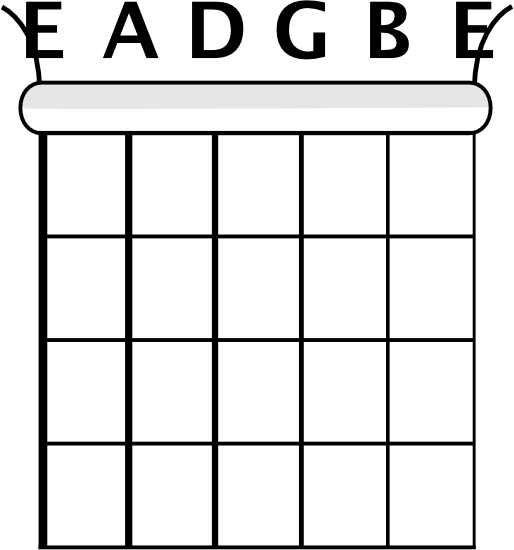
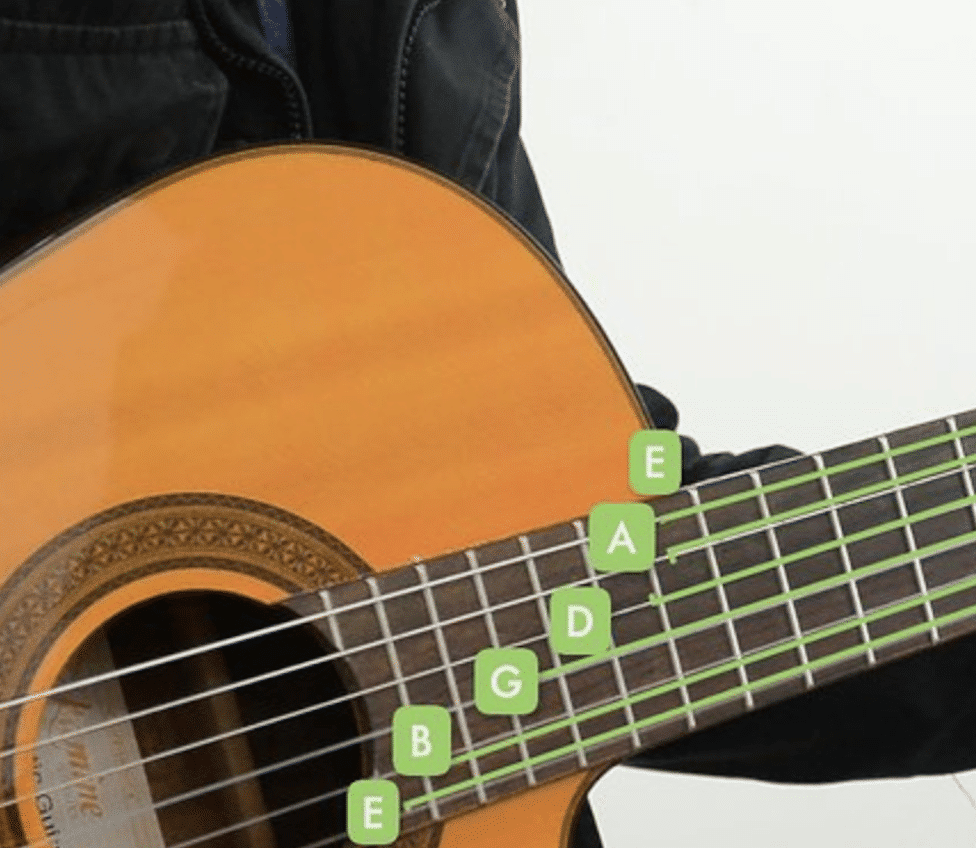
The order is written from the thickest string to the thinnest string. When someone asks, “What are the guitar string notes?” they usually mean this standard tuning: E A D G B E.
The two E strings have the same note name, but they are two octaves apart. The low E sounds deep and full, while the high E sounds bright and sharp.

Guitar String Notes Chart
| String number | Common name | Open note | Approximate pitch |
|---|---|---|---|
| 6 | Low E string | E | E2 |
| 5 | A string | A | A2 |
| 4 | D string | D | D3 |
| 3 | G string | G | G3 |
| 2 | B string | B | B3 |
| 1 | High E string | E | E4 |
String numbers can confuse new players. The first string is the high E string, not the thickest string. The sixth string is the low E string, which is the thickest string and has the lowest pitch.
Guitar String Notes From Low to High
The phrase “low to high” describes pitch, not the physical position of the guitar while you hold it. The low E string produces the lowest standard note, and the high E string produces the highest open-string note.
Here is the same order in a simple line:
E → A → D → G → B → E
Each arrow moves upward in pitch. This order helps you understand chord shapes, scale patterns, tab notation, and string skipping.
The Low E String
The low E string is the thickest string. It gives power to rock riffs, blues lines, country bass runs, and many common chords.
The open low E string is E. If you press the first fret, the note becomes F. The second fret is F-sharp, and the third fret is G.
The A String
The A string is the fifth string. It is often used as a root note for barre chords and many movable chord shapes.
The open A string is A. Its first fret is A-sharp or B-flat, and its second fret is B. Many guitarists learn chord roots on the low E and A strings first.


The D String
The D string is the fourth string. It has a lighter sound than the low E and A strings, so it often carries the middle range of a chord.
The open D string is D. Its second fret is E, which is useful when playing simple melodies and scale patterns.
The G String
The G string is the third string. It sits near the center of the guitar’s range and appears in many open chords.
The open G string is G. Its second fret is A, and its fourth fret is B. The G string can sound slightly different from the others because many guitars use a plain steel string here.
The B String
The B string is the second string. It is tuned differently from the nearby strings, and this small change affects scale shapes and chord patterns.
The open B string is B. Its first fret is C, and its third fret is D. Beginners often need extra practice when moving between the G and B strings.
The High E String
The high E string is the thinnest string. It plays the same note name as the low E string but at a much higher pitch.
The open high E string is E. Its first fret is F, the third fret is G, and the fifth fret is A.

How Guitar Frets Change the String Notes
A fret raises a string’s pitch by one half step, also called a semitone. A half step is the distance from one note to the next note, such as E to F or B to C.
Most natural notes have a sharp or flat note between them. However, E to F and B to C are natural half-step pairs. There is no E-sharp note between E and F in basic guitar note naming, and there is no B-sharp note between B and C in standard beginner theory.
Notes on the Low E String
The low E string has this note pattern:
| Fret | Note |
|---|---|
| Open | E |
| 1 | F |
| 2 | F-sharp or G-flat |
| 3 | G |
| 4 | G-sharp or A-flat |
| 5 | A |
| 7 | B |
| 8 | C |
| 10 | D |
| 12 | E |
The 12th fret repeats the open-string note one octave higher. This pattern works on every string, although the starting note changes.
Notes on the A String
The A string follows this pattern:
| Fret | Note |
|---|---|
| Open | A |
| 2 | B |
| 3 | C |
| 5 | D |
| 7 | E |
| 8 | F |
| 10 | G |
| 12 | A |
Learning the fifth and sixth strings is especially useful. These strings help you find the root notes of movable chords and many scales.


The 12th Fret and Octaves
The 12th fret divides the string in half. When you play it, the string produces the same note name as the open string, but one octave higher.
For example, the open G string is G. The 12th fret on that string is also G, but it sounds higher. This octave relationship is a useful way to check notes and learn the fretboard.
How to Remember the Guitar String Notes
Many players use a short sentence to remember the six open strings. The most common version is:
Every Amateur Does Get Better Eventually
The first letter of each word matches the string notes from low to high:
E, A, D, G, B, E
You can also memorize the notes as a sound pattern. Say “E A D G B E” slowly each time you pick up the guitar. After a few days of regular practice, the order begins to feel natural.
A Simple Memory Exercise
Try this five-minute exercise:
- Name each string from the low E to the high E.
- Point to each string without playing it.
- Play the open strings in order.
- Say each note as it rings.
- Repeat the process from high E back to low E.
Do not rush this exercise. Correct repetition builds stronger memory than fast repetition.
One mistake I often see in beginner practice is memorizing only the string numbers. String numbers tell you where a string is, but note names tell you what the string does in music. Learn both together.

How to Tune the Guitar String Notes
A guitar tuner compares the sound of each string with the target note. In standard tuning, tune the strings to E, A, D, G, B, and E from the sixth string to the first string.
Use this process:
- Start with the sixth string, the low E.
- Pluck the string with a steady touch.
- Watch the tuner and adjust the tuning peg.
- Stop when the display centers on E.
- Repeat for A, D, G, B, and high E.
- Check all six strings again.
New strings can stretch for a while. This means the guitar may go out of tune several times after you install them. That behavior is normal, but a string that will not hold pitch may have a poor wrap, a worn part, or a tuning problem.


Tuning by Ear With the Fifth-Fret Method
You can tune most strings by comparing a fretted note with the next open string:
• The fifth fret on the low E string should match the open A string.
• The fifth fret on the A string should match the open D string.
• The fifth fret on the D string should match the open G string.
• The fourth fret on the G string should match the open B string.
• The fifth fret on the B string should match the open high E string.
This method is useful, but it depends on having one string tuned correctly first. It also produces relative tuning. A clip-on tuner or chromatic tuner gives a more reliable reference for exact pitch.
Why the Guitar String Notes Are E, A, D, G, B, E
Standard tuning is designed to balance useful chord shapes, scale patterns, and comfortable finger movement. The strings are mostly tuned in perfect fourths, but the distance from G to B is a major third.
The intervals are:
• E to A: perfect fourth
• A to D: perfect fourth
• D to G: perfect fourth
• G to B: major third
• B to E: perfect fourth


This major-third gap between G and B explains why some chord and scale shapes change as they cross those strings. It is one reason guitar patterns are not perfectly identical across the entire fretboard.
Standard tuning is not the only option. Players may use drop D, open G, open D, DADGAD, or half-step-down tuning. Each tuning changes the open-string notes and creates a different feel.

Standard Tuning Compared With Alternate Tunings
Alternate tunings can make certain songs easier to play or give the guitar a new sound. They can also make familiar chord shapes produce different notes.
Drop D Tuning
Drop D changes the low E string down to D. The notes become:
D, A, D, G, B, E
This tuning gives the lowest string a deeper sound. It is common in rock, metal, folk, and acoustic music.
Half-Step-Down Tuning
In half-step-down tuning, every string is lowered by one fret:
E-flat, A-flat, D-flat, G-flat, B-flat, E-flat
The chord shapes stay the same, but the whole guitar sounds lower. Some singers prefer this key because it may fit their vocal range better.
Open G Tuning
Open G tuning often uses:
D, G, D, G, B, D
When you strum all the open strings, they form a G major chord. This tuning is popular in blues, slide guitar, folk, and roots music.
Always check the tuning before using a familiar tab or chord chart. A song written for drop D will not sound correct if your guitar is in standard tuning.
Why Learning Guitar String Notes Matters
Knowing the guitar string notes helps you do more than tune your instrument. It gives you a map of the fretboard.
With this knowledge, you can:
• Find any root note faster.
• Understand how chords are built.
• Read guitar tabs with more confidence.
• Create bass lines and melodies.
• Move scale shapes to new keys.
• Communicate clearly with other musicians.
• Tune without relying on an electronic tuner.
For example, if you know that the fifth fret on the low E string is A, you can use that note as a reference for the open A string. If you know the notes on the sixth string, you can find the roots of many power chords quickly.
The fretboard may look like a long row of random dots at first. It is not random. It is a repeating pattern of 12 notes, with the same note names returning at the 12th fret.
Common Mistakes When Learning Guitar String Notes
Beginners often make the same few errors. The good news is that each one has a simple fix.
Confusing String Numbers With String Notes
The first string is high E, while the sixth string is low E. Remember that string numbers count from the thinnest string upward.
Forgetting the Two E Strings
Both outside strings are E, but they are not the same pitch. Say “low E” and “high E” to keep them separate.
Missing the G-to-B Tuning Change
Most adjacent strings are a perfect fourth apart. The G-to-B pair is a major third, so scale shapes shift at this point.
Tuning Too Aggressively
Turn tuning pegs in small movements. Large turns can overshoot the note and may place unnecessary stress on the string.
Trusting Tabs Without Checking the Tuning
Tabs show fret positions, but they may assume a specific tuning. Read the tuning note at the top of the tab before you begin.
In my experience, slow note drills solve these problems better than trying to memorize the whole fretboard in one sitting. Learn one or two strings at a time, then connect them through simple songs.
A Practical Guitar String Notes Practice Plan
Use this seven-day plan to build a strong foundation.
Days One and Two
Memorize the open strings: E, A, D, G, B, E. Say each note while playing it.
Days Three and Four
Learn the natural notes on the low E and A strings. Focus on frets 1 through 12.
Days Five and Six
Learn the natural notes on the D, G, B, and high E strings. Use the 12th fret as a guide.
Day Seven
Choose a simple song or riff. Identify the notes before you play them. This connects theory with real music.
Spend five to ten minutes per day on this plan. Short practice sessions work well because note memory grows through frequent recall.
You do not need to name every sharp and flat immediately. Start with the open strings and natural notes. Add accidentals as your playing develops.
Frequently Asked Questions About What Are the Guitar String Notes
What are the guitar string notes in standard tuning?
The guitar string notes in standard tuning are E, A, D, G, B, and E. The first E is the low, thick string, and the last E is the high, thin string.
What is the thickest guitar string note?
The thickest guitar string is the sixth string, and its open note is low E. It is also the lowest-pitched string in standard tuning.
Why are there two E strings on a guitar?
The two E strings share the same note name but sound at different octaves. The low E is deep, while the high E is much brighter.
What note is the first guitar string?
The first guitar string is the high E string in standard tuning. It is the thinnest string and produces the highest open-string pitch on a standard guitar.
What is the easiest way to remember guitar string notes?
A common memory phrase is “Every Amateur Does Get Better Eventually.” Its first letters match the strings from low to high: E, A, D, G, B, E.
Do guitar string notes change in alternate tunings?
Yes. Alternate tunings change one or more open-string notes. For example, drop D changes the low E string to D while the other five strings usually stay the same.
Conclusion
The guitar string notes in standard tuning are E, A, D, G, B, and E, moving from the thickest string to the thinnest. Learn the open strings first, then use frets, octaves, and simple note drills to build your fretboard knowledge.
Practice for a few minutes each day, check your tuning before playing, and explore one alternate tuning when standard tuning feels familiar. Keep learning with chord guides, scales, and songs, and share your favorite guitar-learning tip in the comments.

Senior Music Reviewer
Alex Carter is a seasoned music reviewer with over a decade of experience in the world of sound and instruments. Passionate about helping musicians and enthusiasts make informed choices, he brings sharp insights and in-depth knowledge to every review. From classical instruments to modern gear, Alex combines technical expertise with a love for music to deliver content that resonates with readers.
As a Senior Music Reviewer and expert author on Tuneluma.com, Alex is dedicated to sharing honest evaluations, practical advice, and thoughtful commentary to guide readers in their musical journey.


One Comment