What Is A Good Beginner Guitar: Best Picks For New Players
A good beginner guitar is comfortable, easy to play, well built, and suited to your music and budget.
Understanding what is a good beginner guitar can save you money, sore fingers, and weeks of frustration. After helping new players compare acoustic, electric, and classical guitars, I’ve learned that the best choice is rarely the most expensive model. It is the guitar that feels natural in your hands and makes you want to practice again tomorrow.
What Is a Good Beginner Guitar?
A good beginner guitar is an instrument that is easy to hold, simple to tune, comfortable to play, and strong enough to support steady learning. It should produce a clear sound without forcing you to press too hard or stretch your fingers too far.
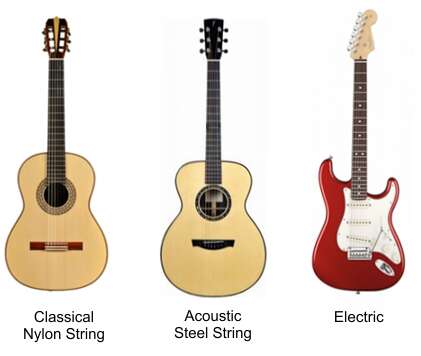
The right beginner guitar also matches your goals. Someone who wants to play folk songs may prefer an acoustic guitar. A future rock player may learn faster on an electric guitar. A student interested in classical music may need a nylon-string guitar.
The main features to look for are:
• Comfortable neck width and shape
• Low to moderate string height, known as action
• Stable tuning machines
• A balanced body size
• Reliable construction
• A sound you enjoy hearing
• A price that fits your budget
• Easy access to replacement strings and accessories
A guitar is a learning tool, not just a decoration. If it hurts too much to play or goes out of tune every few minutes, practice becomes a chore. The best beginner guitar removes those barriers.
Acoustic, Electric, or Classical: Which Is Best?
The best guitar type depends on the music you want to play. There is no single instrument that suits every beginner.
Acoustic guitar
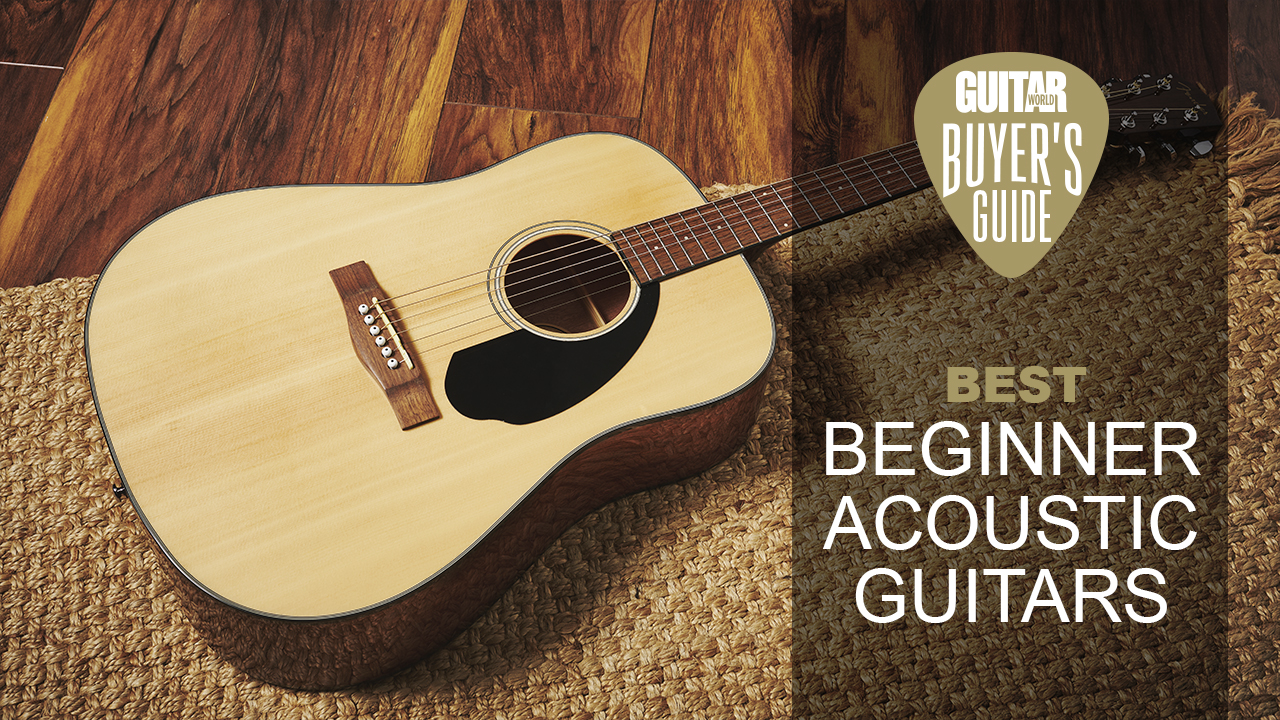
An acoustic guitar creates sound through its hollow wooden body. You do not need an amplifier, cable, or power source, so it is easy to pick up and play.
Acoustic guitars work well for:
• Folk music
• Country
• Pop songs
• Singer-songwriter music
• Campfire playing
• Basic chord practice
Steel strings can feel tough on new fingertips. However, a properly adjusted acoustic guitar should not feel painfully hard to play. A professional setup can make a major difference.
A smaller body, such as a concert or grand concert shape, may feel more comfortable than a large dreadnought. Dreadnought guitars sound full and loud, but their wide bodies can feel bulky for smaller players.
Electric guitar
Electric guitars use magnetic pickups and usually need an amplifier. Their strings are often lighter, and the action can be lower than on many acoustic guitars. This makes an electric guitar a good choice for beginners who want to play rock, blues, metal, jazz, or pop.
Electric guitars also offer useful sound control. You can practice quietly with headphones if your amplifier supports them. The downside is that you must buy a few extra items:
• Small practice amplifier
• Instrument cable
• Guitar picks
• Tuner or tuning app
• Optional strap and headphones
Many beginners ask what is a good beginner guitar for rock music. In that case, a comfortable electric guitar with a simple pickup layout is often the best starting point.
Classical guitar
Classical guitars use soft nylon strings and have a wider neck. The strings are gentler on the fingers, which can help some beginners. They are common in classical, flamenco, Latin, and fingerstyle music.
The wider neck can be harder for small hands. A classical guitar may also feel less suitable for standard rock or country chord playing. Choose one because you like its music, not only because nylon strings feel soft.
The Most Important Features to Check
Knowing what is a good beginner guitar becomes easier when you inspect the instrument one feature at a time.
Playability
Playability describes how easy the guitar feels under your fingers. A playable guitar lets you form chords, pick notes, and move along the neck without excessive effort.
Check whether:
• The neck feels smooth
• The strings sit at a reasonable height
• The frets have no sharp edges
• Chords sound clear
• Your hand can reach the first few frets comfortably
A new player should expect some fingertip soreness. Sharp fret ends, buzzing on nearly every note, or extreme string height are different problems. Those issues may point to poor construction or a need for adjustment.
String action
String action is the distance between the strings and the frets. High action makes the strings harder to press. Very low action can cause buzzing when the guitar is played.
There is no perfect action for every player. A technician can measure and adjust it, but a beginner should avoid a guitar that already feels like a workout.
Neck shape and width
Neck shape is a personal choice. Some players like a slim, rounded neck. Others prefer a fuller shape that gives the thumb more support.
Electric guitar necks are often narrower than classical guitar necks. Acoustic necks vary widely. Try several guitars if possible, and notice whether your thumb and fingers feel relaxed.
Tuning stability
A guitar that stays in tune helps you build a good ear. If the tuning changes constantly, you may blame yourself when the real issue is poor hardware, old strings, or incorrect string installation.
Look for smooth tuning machines. Turn each tuner slowly and listen for steady pitch changes. Avoid tuners that feel loose, gritty, or uneven.
Frets and finish
Run a finger carefully along the edge of the neck. The fret ends should not scratch your hand. Look down the neck from the headstock and check for obvious twists or severe bends.
Small cosmetic marks do not always affect sound. Structural problems, loose bridges, cracked wood, or lifting parts should concern you. A guitar is made to be played, but it still needs sound construction.
Body size and weight
A guitar should not feel like furniture balanced on your lap. Sit with it for several minutes. Notice whether your picking arm rests naturally and whether your shoulder stays relaxed.
Children and smaller adults may prefer a 3/4-size or compact guitar. Full-size instruments can work well too, but comfort matters more than tradition.
How Much Should a Beginner Spend?
A reasonable beginner guitar budget in the United States is often between $150 and $500 for the instrument alone. A usable guitar can cost less, but very cheap models may have poor tuning stability, rough frets, or weak construction.
Budget ranges often look like this:
• Under $150: Basic entry-level instruments; inspect carefully before buying
• $150 to $300: Many dependable beginner acoustics and electrics
• $300 to $500: Better materials, improved comfort, and stronger long-term value
• More than $500: Useful when you already know your preferences or want a lifetime instrument
You do not need to spend the most money to get a good beginner guitar. You should, however, avoid choosing only by price. A slightly more expensive guitar that feels comfortable may lead to more practice and better progress.
Remember to include accessories in your budget. A beginner may need:
• A padded gig bag
• A clip-on tuner
• Extra strings
• Picks
• A strap
• A music stand
• An amplifier for an electric guitar
A complete acoustic setup may cost less than an electric setup. Still, electric guitars are not automatically more expensive once you compare comfort and learning value.
Beginner Guitar Brands and Models to Consider
Several established brands make reliable beginner instruments. Product names and prices can change, so treat examples as starting points rather than permanent rankings.
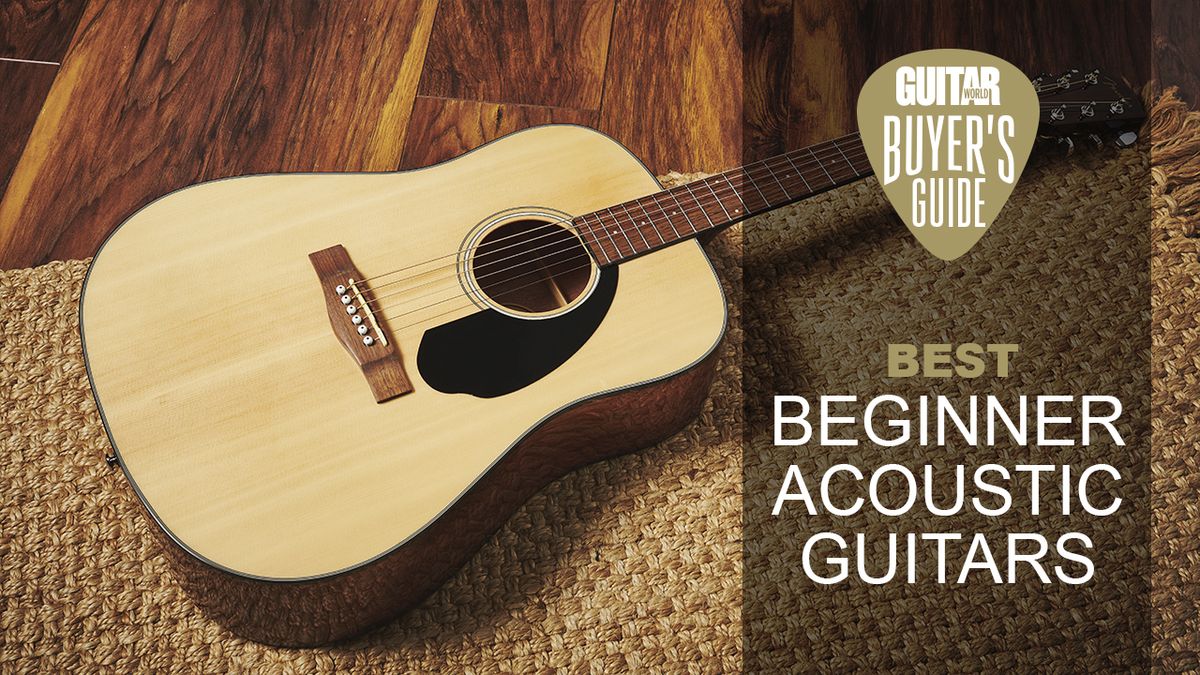
For acoustic players, common options include Yamaha’s FG and FS lines, Fender’s FA and CD lines, and entry-level models from Epiphone, Ibanez, and Taylor. Compact guitars from these brands can help players who find large dreadnought bodies uncomfortable.
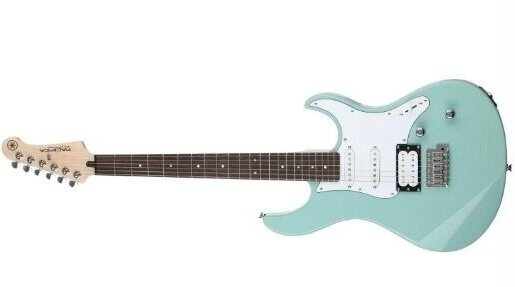
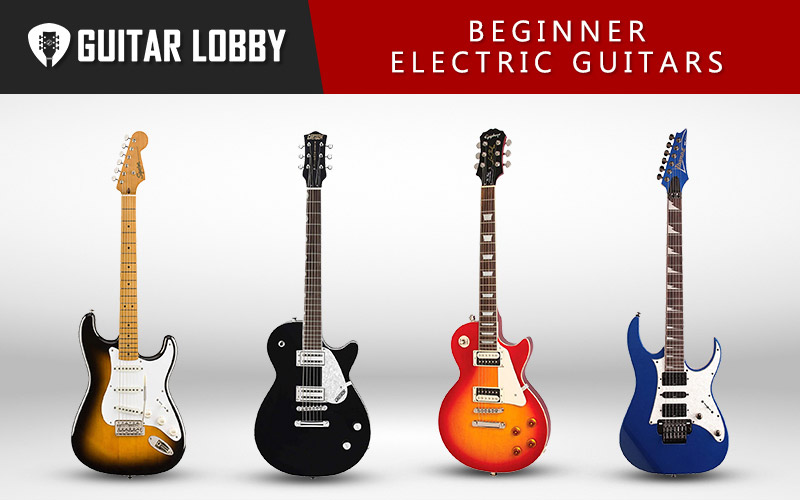
For electric players, popular beginner choices include the Squier Sonic or Affinity series, Yamaha Pacifica models, Epiphone Les Paul-style guitars, and Ibanez entry-level instruments. These guitars cover many styles and are widely supported by replacement parts and learning resources.
For classical players, Yamaha, Cordoba, and other established makers offer student nylon-string guitars in several sizes.
When comparing models, focus on:
• Neck comfort
• String action
• Tuning stability
• Warranty support
• Local setup options
• Your preferred music style
Brand reputation is helpful, but it does not replace testing the exact guitar. Two guitars of the same model can feel slightly different because wood, setup, and manufacturing tolerances vary.

Should You Buy a New or Used Beginner Guitar?
A used guitar can offer excellent value. Someone may have bought an instrument, played it twice, and stored it in a closet. You might find a better model at a lower price than a new one.
Buying used requires a careful inspection. Check:
• The neck for severe warping
• The bridge for lifting
• The body for cracks
• The tuning machines for damage
• The electronics for noise or cutting out
• The frets for deep wear
• The case for moisture damage
A small scratch is usually harmless. A lifting bridge or cracked neck can be expensive to repair.
When I help beginners inspect used guitars, I pay close attention to the first three frets. These frets receive heavy use, and deep grooves can affect note clarity. I also play every string at several positions because a guitar may sound fine on open chords but buzz higher up the neck.
If you cannot inspect a used guitar yourself, buy from a shop with a return policy. That extra protection is often worth more than saving a few dollars.