What Are The Scales On A Piano: Easy Guide
Piano scales are organized patterns of notes that build melody, harmony, finger skill, and musical understanding.
If you want to know what are the scales on a piano, the key idea is simple: a scale is a step-by-step set of notes arranged by pitch. Learning piano scales helps you read music, find chords, improve technique, and understand why songs sound bright, dark, tense, or calm. This guide explains the main piano scales, how they work, how to practice them, and which ones beginners should learn first.
What Are the Scales on a Piano?
When people ask what are the scales on a piano, they usually mean the major and minor note patterns used in music. A scale begins on one note, called the tonic, and moves upward or downward through a set order of whole steps and half steps.
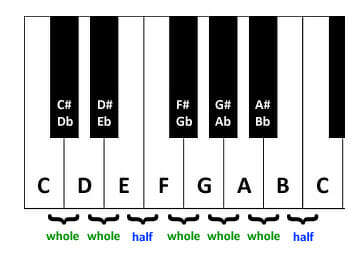
On a piano, a half step is the distance from one key to the next key. For example, C to C-sharp is a half step. A whole step covers two half steps, such as C to D.
The most common piano scales use seven different letter names before reaching the starting note again one octave higher. The C major scale is the easiest example:
C, D, E, F, G, A, B, C
It uses only white keys. Even though it looks simple, it teaches the basic shape of a major scale and helps you understand how other scales are built.
A piano scale is not just a warm-up exercise. It is a map of a key. If a song is in G major, the G major scale shows the notes that most often belong to that key. Chords and melodies are usually created from those notes.
Why Scales Matter
Learning what are the scales on a piano can help you:
• Build finger strength and control
• Improve hand coordination
• Read key signatures faster
• Recognize musical patterns
• Create melodies and solos
• Play chords with greater confidence
• Understand music theory
• Reduce tension through better technique
Think of scales as the alphabet of music. You do not perform the alphabet for an audience, but you need it to read and write words. In the same way, scales give you the basic materials for playing and creating music.

The 12 Major Scales on Piano
There are 12 major scales in standard Western music. Each one begins on a different pitch class. Some use sharps, some use flats, and a few can be written in more than one way.
The 12 major scales are:
- C major: C, D, E, F, G, A, B
- G major: G, A, B, C, D, E, F-sharp
- D major: D, E, F-sharp, G, A, B, C-sharp
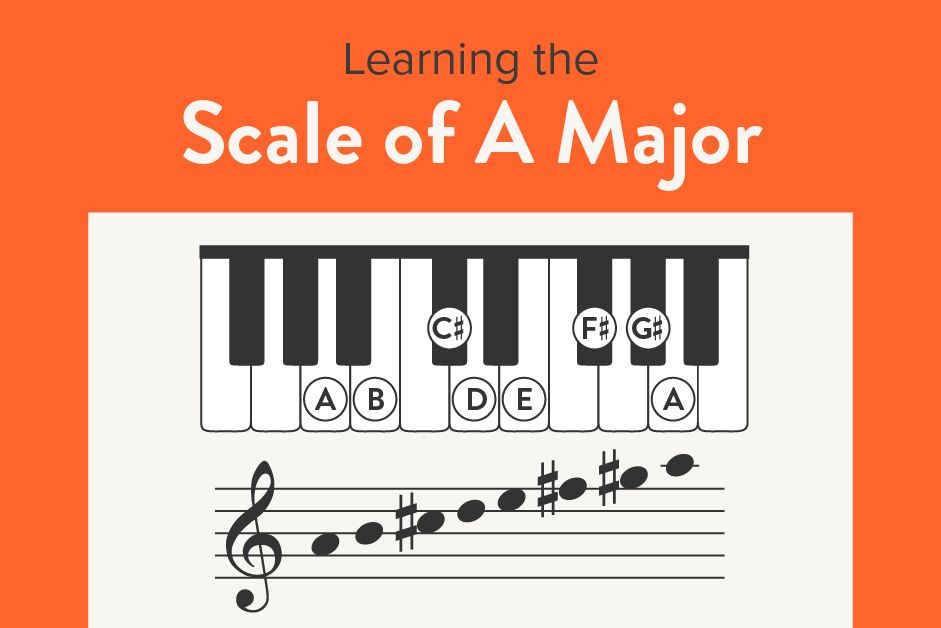
- A major: A, B, C-sharp, D, E, F-sharp, G-sharp
- E major: E, F-sharp, G-sharp, A, B, C-sharp, D-sharp
- B major: B, C-sharp, D-sharp, E, F-sharp, G-sharp, A-sharp
- F-sharp major: F-sharp, G-sharp, A-sharp, B, C-sharp, D-sharp, E-sharp
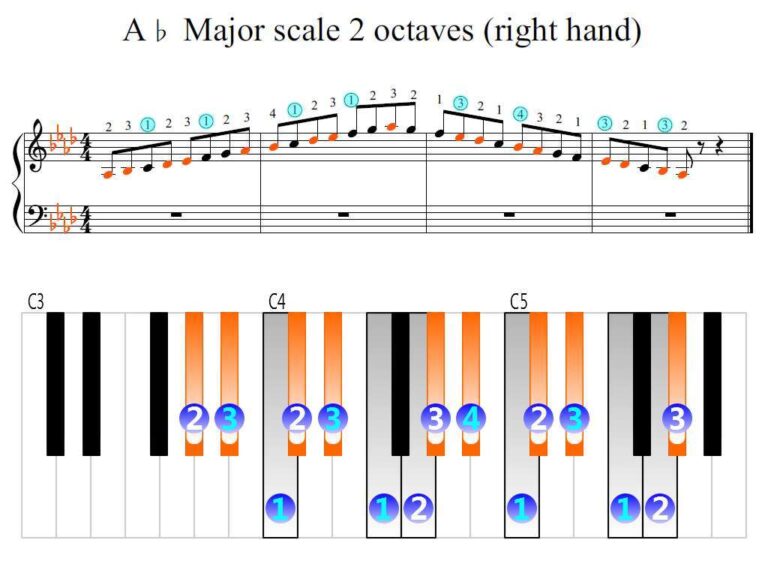
- D-flat major: D-flat, E-flat, F, G-flat, A-flat, B-flat, C
- A-flat major: A-flat, B-flat, C, D-flat, E-flat, F, G
- E-flat major: E-flat, F, G, A-flat, B-flat, C, D
- B-flat major: B-flat, C, D, E-flat, F, G, A
- F major: F, G, A, B-flat, C, D, E
Every major scale follows the same interval pattern:
Whole step, whole step, half step, whole step, whole step, whole step, half step
In short form, the pattern is:
W, W, H, W, W, W, H
The pattern stays the same, even when the starting note changes. This is one of the most useful facts about what are the scales on a piano. You do not need to memorize every scale as a separate idea. You can build each one from the same structure.
For example, begin on D and apply the major pattern:
• D to E: whole step
• E to F-sharp: whole step
• F-sharp to G: half step
• G to A: whole step
• A to B: whole step
• B to C-sharp: whole step
• C-sharp to D: half step
That gives you the D major scale.

The 12 Minor Scales on Piano
Minor scales often sound more serious, reflective, or emotional than major scales. However, “sad” and “happy” are only rough descriptions. Minor music can also sound powerful, mysterious, peaceful, or dramatic.
There are three main forms of minor scales:
• Natural minor
• Harmonic minor
• Melodic minor
Natural Minor Scales
A natural minor scale follows this interval pattern:
Whole step, half step, whole step, whole step, half step, whole step, whole step
In short form:
W, H, W, W, H, W, W
The A natural minor scale is a useful starting point because it uses only white keys:
A, B, C, D, E, F, G, A
Natural minor scales are closely related to major scales. Every major scale has a relative minor scale that uses the same notes.
For example:
• C major and A minor use the same notes
• G major and E minor use the same notes
• F major and D minor use the same notes
The relative minor starts three half steps below the major tonic. C major’s relative minor is A minor because A is three half steps below C.
Harmonic Minor Scales
A harmonic minor scale raises the seventh note by one half step. This creates a stronger pull toward the tonic.
A natural A minor scale is:
A, B, C, D, E, F, G, A
A harmonic A minor scale is:
A, B, C, D, E, F, G-sharp, A
The raised G-sharp creates a leading tone. It sits just below A and makes the return to A sound stronger.
Melodic Minor Scales
In traditional theory, the ascending melodic minor scale raises the sixth and seventh notes. The descending form often returns to the natural minor pattern.
A melodic A minor scale ascending is:
A, B, C, D, E, F-sharp, G-sharp, A
Descending, it is often played as:
A, G, F, E, D, C, B, A
Modern jazz often uses the ascending melodic minor form in both directions. This is an example of how scale practice can change by style.
Understanding what are the scales on a piano means knowing that “minor scale” does not describe only one pattern. The correct form depends on the musical context.
Other Common Piano Scales
Major and minor scales are the main starting points, but they are not the only scales used on piano. Other scales help create different colors and styles.
Chromatic Scale
The chromatic scale uses all 12 notes within an octave:
C, C-sharp, D, D-sharp, E, F, F-sharp, G, G-sharp, A, A-sharp, B, C
Every move is a half step. The chromatic scale is useful for finger control, musical runs, and understanding the complete layout of the keyboard.
Whole-Tone Scale
A whole-tone scale moves only by whole steps. One example is:
C, D, E, F-sharp, G-sharp, A-sharp, C
It has a floating, dreamlike sound. Composers often use it in impressionist music and film scores.
Pentatonic Scale
A pentatonic scale has five notes. The major pentatonic scale uses scale degrees 1, 2, 3, 5, and 6.
The C major pentatonic scale is:
C, D, E, G, A, C