How Much Is My Guitar Worth: Best Valuation Guide
Your guitar may be worth anywhere from $50 to several thousand dollars, based on its brand, model, age, condition, and market demand.
Finding out how much is my guitar worth takes more than checking the brand name. Two guitars with the same logo can have very different values because of production year, originality, repairs, rarity, and buyer demand. This guide explains how to value your guitar with practical steps, real market signals, and simple ways to avoid pricing mistakes.
What Determines How Much Your Guitar Is Worth?
The value of a guitar comes from several factors working together. Think of it like a used car: the make matters, but mileage, condition, history, and local demand matter too.
The main factors include:
• Brand and model
• Year of manufacture
• Country of production
• Condition
• Original parts
• Rarity and production numbers
• Provenance and ownership history
• Current buyer demand
• Case, paperwork, and accessories
A common guitar may sell for less than $100 used. A sought-after vintage Fender, Gibson, Martin, Gretsch, or Rickenbacker can sell for thousands. Custom-shop models, limited editions, and rare artist instruments may bring even more.
When someone asks, “How much is my guitar worth?” I first look at the exact model and not just the brand. A Gibson Les Paul Standard, Gibson Les Paul Studio, and Gibson Les Paul Junior may look related, but their prices can differ by several thousand dollars.

Identify the Guitar Before You Price It
Accurate identification is the first real step in learning how much is my guitar worth. Start by writing down every marking you can find.
Look at:
• The brand name on the headstock
• The model name or number
• Serial number
• Label inside the sound hole
• Neck plate or control cavity markings
• Country of manufacture
• Number of frets
• Pickup type
• Bridge and tuner style
• Body shape and wood type
The serial number can help identify the production year, factory, and sometimes the model. However, serial number systems are not always simple. Some brands reused number ranges, while others changed systems during factory moves or ownership changes.
Take clear photos of the front, back, headstock, bridge, pickups, controls, serial number, and any damage. Good photos make it easier for a dealer, appraiser, or online buyer to confirm the instrument.
Acoustic Guitar Identification
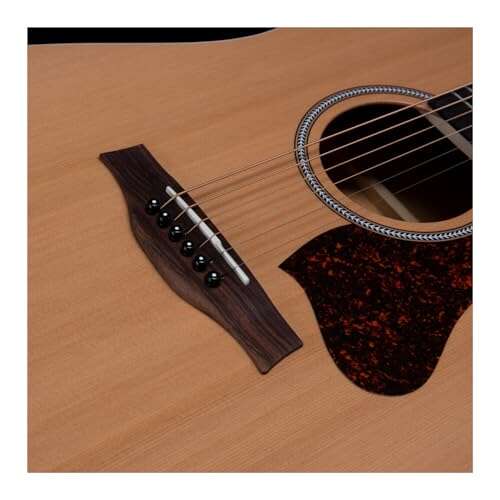
For an acoustic guitar, check the label or stamp inside the body. You may need a flashlight and a small mirror. Look for the model name, serial number, date, and country of origin.
The wood can also affect value. Solid spruce, rosewood, mahogany, maple, and Brazilian rosewood may carry different prices. Still, never assume expensive wood automatically means a high-value guitar. Condition and model history remain important.
Electric Guitar Identification
For an electric guitar, inspect the pickups, bridge, tuners, knobs, neck joint, and control cavity. Replacement parts can change both sound and value.
A guitar with vintage pickups may be worth more than one with modern replacements. On the other hand, a professional upgrade can improve playability without increasing resale value by the full cost of the work.

How Guitar Condition Changes the Price
Condition is often the biggest factor after brand and model. A clean, original guitar usually sells faster and for more money than a heavily worn or modified one.
Most buyers judge condition in five areas:
• Body and finish
• Neck and fretboard
• Frets
• Electronics and hardware
• Structural health
Small scratches may be normal on a used instrument. Deep cracks, repaired breaks, lifting bridges, warped necks, and water damage are more serious.
A guitar can look beautiful and still have costly problems. For example, a worn fretboard may need a refret. A guitar with high action may need a neck adjustment or bridge repair. These costs reduce the amount a buyer is willing to pay.
Common Condition Grades
Dealers may use different terms, but these general grades help:
• Mint: Almost no visible wear and close to its original state.
• Excellent: Light signs of use with no major damage.
• Very good: Normal play wear, but fully functional.
• Good: Noticeable wear, repairs, or replacement parts.
• Fair: Major cosmetic or structural issues, but still usable.
• Poor: Serious damage or expensive repair needs.
Be honest when grading your guitar. If you call a guitar “mint” and the buyer finds fret wear, finish cracks, or changed parts, trust disappears quickly.
Structural Damage Matters Most
Cosmetic wear can add character, especially to vintage guitars. Structural damage is different. A headstock repair, cracked top, loose neck joint, or badly warped neck can reduce value sharply.
A repair by a respected luthier is better than an amateur repair. Keep receipts and repair records. They can help prove that the work was done correctly.

Original Parts and Modifications
Originality plays a major role in how much is my guitar worth. Collectors often pay more for a guitar with its original pickups, tuners, bridge, finish, knobs, and case.
Modifications do not always make a guitar bad. A new bridge, locking tuners, or upgraded pickups may make it easier and more enjoyable to play. The issue is that players may value the upgrade, while collectors may see it as a loss of originality.
Before selling, list every change:
• Replacement pickups
• New tuners
• Refinished body
• Changed bridge
• Replaced nut
• Added routing
• New pickguard
• Repaired or replaced neck
• Non-original case
Keep the original parts if you have them. Selling the guitar with its original parts can improve buyer confidence. In some cases, returning the instrument to stock condition may help, but only if the work is safe and reversible.
One mistake I often see is assuming that a $400 pickup upgrade adds $400 to the guitar’s resale price. Usually, it does not. Upgrades can improve the playing experience, but used buyers rarely pay the full retail cost of modifications.

Use Sold Prices, Not Asking Prices
Online listings can help you research how much is my guitar worth, but asking prices are not proof of value. A seller may list a guitar for $2,000 and never receive a serious offer.
Sold prices are more useful because they show what buyers actually paid. Search for the exact brand, model, year, finish, and condition. Compare at least five to ten similar sales when possible.
Useful places to check include:
• Completed sales on major auction sites
• Sold listings on music gear marketplaces
• Local dealer prices
• Vintage guitar auction results
• Recent sales in musician groups
• Used inventory from established stores
Adjust each comparison for condition and originality. A 1970s guitar with a repaired headstock should not be compared with an all-original example in excellent condition.
A Simple Pricing Formula
You can create a reasonable estimate with this process:
-
Find the average price of similar sold guitars.
-
Add value for rare features or original accessories.
-
Subtract the cost of needed repairs.
-
Adjust for replaced parts and visible damage.
-
Reduce the price if you need a quick sale.
For example, suppose similar guitars sell for $900. Your guitar has $100 in needed repairs and missing original tuners. A realistic private-sale estimate may be closer to $700 or $750, not $900.

Private Sale, Trade-In, and Dealer Value
There is no single answer to how much is my guitar worth because the selling method changes the price.
A private sale often brings the highest amount. You deal directly with the buyer, but you must create the listing, answer questions, pack the guitar, and manage payment risks.
A music store offers convenience and lower risk. The store must cover staff, rent, testing, repairs, warranty work, and profit. For that reason, a cash offer or trade-in value is usually below the expected private-sale price.
An online consignment sale may bring more than a direct dealer offer. However, you may pay a commission and wait longer for the guitar to sell.
Typical Value Differences
These are broad patterns, not fixed rules:
• Private sale: Often the highest potential price.
• Store trade-in: Usually lower, but fast and convenient.
• Direct dealer sale: Lower than retail, with less effort.
• Consignment: Potentially strong price, minus fees and waiting time.
• Auction: Useful for rare guitars, but results can vary.
Ask each buyer whether the quoted amount is cash, store credit, trade value, or consignment value. Store credit may look higher, but it is not the same as cash.

Vintage Guitar Value and Collectibility
Vintage does not always mean valuable. A 1960s or 1970s guitar may attract attention, but age alone does not guarantee a high price.
Collectors usually care about:
• Brand reputation
• Model popularity
• Production year
• Original finish
• Original electronics
• Factory parts
• Rarity
• Documented history
• Condition
• Cultural or artist connection
A rare guitar from an unpopular brand may sell for less than a common model from a famous brand. This is why market evidence matters more than age alone.
Certain models have strong collector interest because musicians used them on famous recordings or stages. Even then, the story must be supported. A claim that a guitar belonged to a famous performer can increase value only when reliable documents or ownership records exist.
Avoid refinishing a vintage guitar before getting an appraisal. A new finish may look better but can lower collector value. The same applies to replacing old parts without saving them.

How Country of Origin Affects Value
The country where a guitar was made can influence price, but it should not be used as a simple quality score.
American-made instruments often sell at higher prices because of brand history, labor costs, and collector demand. Japanese guitars from certain periods also have strong reputations. Korean, Mexican, Indonesian, and Chinese guitars can range from entry-level models to high-quality professional instruments.
The exact model matters more than the country alone. A high-end guitar made overseas may be worth more than a basic American-made guitar.
Check the label, serial number, and official model information. Be careful with online claims that describe every older Japanese guitar as rare or every American guitar as collectible. Accurate pricing requires specific evidence.

How Accessories Affect Guitar Value
Accessories can make a guitar easier to sell and may increase its overall value.
Important accessories include:
• Original hard case
• Manufacturer paperwork
• Certificate of authenticity
• Original hang tags
• Tremolo arm
• Original pickups
• Replacement parts
• Purchase receipt
• Repair records
An original case can matter more for a vintage instrument than for a modern beginner guitar. Missing parts may seem small, but buyers may spend time and money replacing them.
Do not add the full retail price of accessories to the guitar price. A $250 case does not always add $250 to a used guitar. Its effect depends on brand, condition, fit, and buyer demand.

Should You Repair the Guitar Before Selling?
Repair decisions depend on the guitar’s value and the repair cost. Basic work can help almost any sale, but expensive work is not always worth doing.
Good pre-sale improvements may include:
• Fresh strings
• Professional cleaning
• Basic setup
• Tightening loose hardware
• Fixing scratchy controls
• Replacing dead batteries
• Providing accurate measurements
Be cautious with:
• Refretting
• Neck resets
• Finish work
• Headstock repairs
• Rewiring
• Pickup replacement
• Structural restoration
A professional setup may cost less than a major repair and can make the guitar feel much better. However, do not hide problems with temporary fixes. A buyer or technician may discover them quickly.
If the guitar is rare, speak with a qualified luthier or vintage dealer before making changes. The wrong repair can reduce the value more than the original problem.
How to Sell a Guitar for a Fair Price
Once you know how much is my guitar worth, prepare a clear and honest listing. Good information attracts serious buyers and reduces back-and-forth messages.
Include:
• Full brand and model name
• Approximate year
• Serial number, when safe to share
• Country of manufacture
• Condition grade
• Repairs and modifications
• Included case and accessories
• Recent setup or service
• Clear photos
• Asking price and payment terms
Photograph the guitar in natural light. Show the front, back, neck, headstock, serial number, fretboard, bridge, electronics, and damage.
Set the asking price slightly above your lowest acceptable price if you expect negotiation. Do not price far above recent sold examples. An unrealistic listing can sit for months and make buyers think something is wrong.
For shipping, use a strong guitar box, loosen the strings slightly, support the neck, and prevent movement inside the case. Consider insurance and signature confirmation for expensive instruments.
Common Guitar Pricing Mistakes
Many sellers lose money because they rely on emotion instead of evidence. A guitar may have personal meaning, but sentimental value is not always market value.
Avoid these mistakes:
• Pricing from a new retail listing
• Using the highest online asking price
• Ignoring repairs and modifications
• Assuming age equals rarity
• Claiming a guitar is “mint” without checking it
• Cleaning vintage finish with harsh products
• Replacing original parts before research
• Hiding cracks or repairs
• Forgetting selling fees and shipping costs
• Refusing reasonable offers
Another common mistake is using an automated guitar valuation tool as the final answer. These tools can provide a starting point, but they may not detect replaced parts, refinishing, fake labels, or regional price differences.
For a high-value instrument, get more than one opinion. A dealer may focus on resale value, while a luthier may focus on condition. Both views can be useful.
When to Get a Professional Appraisal
A professional appraisal makes sense when the guitar may be valuable, rare, inherited, insured, or part of an estate.
Consider an appraisal if:
• The guitar may be worth several thousand dollars.
• It has a famous previous owner.
• It is unusually old or rare.
• You need insurance documentation.
• You are dividing an estate.
• You suspect the guitar has been modified.
• You need proof for a legal or tax matter.
Ask what type of appraisal you are receiving. Insurance replacement value can be higher than fair market value. A quick dealer offer is not the same as a formal written appraisal.
Choose someone with experience in the guitar’s brand and era. Ask whether the appraisal includes photographs, serial details, condition notes, market comparisons, and the appraiser’s qualifications.
A Practical Example of Guitar Valuation
Imagine you own a 2008 American-made electric guitar. It is in very good condition, has its original pickups, and includes a hard case. Similar guitars have recently sold for $1,100 to $1,250.
Your guitar has light fret wear and a small finish mark. It also needs a basic setup that may cost $75.
A sensible estimate might look like this:
• Average market range: $1,175
• Minor condition adjustment: minus $75
• Setup cost: minus $75
• Realistic private-sale range: about $1,025 to $1,100
A dealer might offer less because the store needs room for testing, service, warranty coverage, and profit. That does not mean the dealer is undervaluing the guitar. It means the two prices serve different purposes.
This method gives you a grounded answer to how much is my guitar worth without relying on guesswork.
Frequently Asked Questions About How Much Is My Guitar Worth
How much is my guitar worth if I do not know the model?
Check the headstock, label, serial number, bridge, pickups, and country-of-origin markings. Clear photos sent to a reputable guitar dealer or experienced community can help identify the model before you estimate its price.
Does the age of a guitar increase its value?
Age can help, but it does not guarantee a high price. Brand reputation, model popularity, originality, condition, and current demand usually matter more than age alone.
Are modified guitars worth less?
Often, yes, especially when collectors want original parts. However, useful upgrades can make a guitar more attractive to players, so the effect depends on the model, quality of the work, and whether the original parts are included.
How can I find out how much is my guitar worth online?
Search for the exact model and compare recent sold listings rather than current asking prices. Adjust the results for year, condition, repairs, modifications, case, and location.
Is a guitar appraisal worth the cost?
An appraisal can be worthwhile for rare, expensive, inherited, or insured guitars. For a low-value instrument, a careful comparison of sold listings may provide enough information.
Does an original case increase guitar value?
An original case can add value and make the guitar easier to sell, especially for vintage or collectible instruments. Its exact impact depends on the brand, condition, fit, and buyer demand.
Should I sell my guitar to a store or privately?
A store is faster and simpler, while a private sale may bring more money. Compare the convenience, fees, time, safety, and expected price before choosing a selling method.
Conclusion
The best way to learn how much is my guitar worth is to identify the exact instrument, inspect its condition, confirm originality, and compare recent sold prices. Brand, model, year, repairs, parts, accessories, and buyer demand all shape the final number.
Do not rely on age, emotion, or the highest online listing. Take clear photos, keep repair records, seek a second opinion for valuable guitars, and choose the selling method that fits your goals.
Now inspect your guitar, record its details, and compare it with real market sales. With careful research, you can set a fair price and make a confident decision.

Senior Music Reviewer
Alex Carter is a seasoned music reviewer with over a decade of experience in the world of sound and instruments. Passionate about helping musicians and enthusiasts make informed choices, he brings sharp insights and in-depth knowledge to every review. From classical instruments to modern gear, Alex combines technical expertise with a love for music to deliver content that resonates with readers.
As a Senior Music Reviewer and expert author on Tuneluma.com, Alex is dedicated to sharing honest evaluations, practical advice, and thoughtful commentary to guide readers in their musical journey.