Is Simply Piano Worth It: Honest Review
Simply Piano is worth it for beginners who want guided practice, clear lessons, and a flexible way to learn at home.
The real answer to “is Simply Piano worth it” depends on your goals, budget, and learning style. After examining its lesson design, feedback tools, song library, limits, and value compared with private lessons, this guide will help you decide with confidence.
What Is Simply Piano?
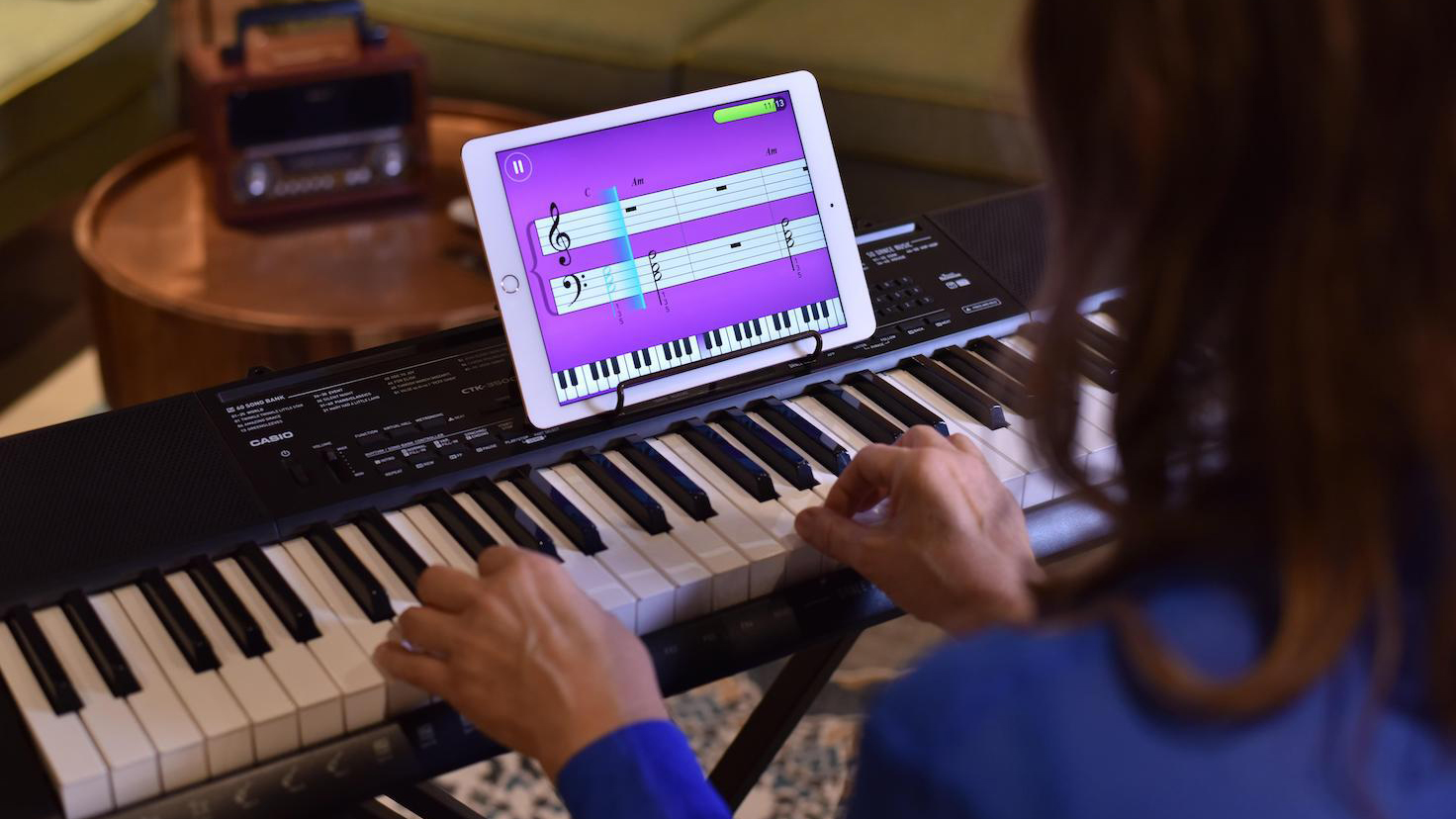
Simply Piano is a piano learning app made by JoyTunes. It works with an acoustic piano, digital piano, or electronic keyboard. The app listens as you play and gives feedback on notes, timing, and lesson progress.
The course uses short lessons, games, music reading drills, and popular songs. It is designed mainly for beginners, though some users with basic skills may also find useful practice material.
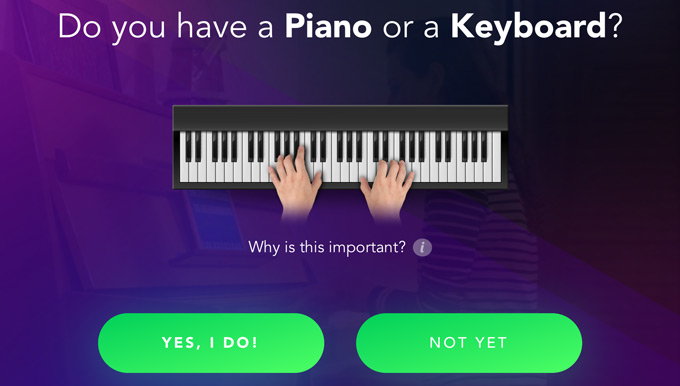
Simply Piano usually connects through your device microphone. Some digital keyboards can also connect through MIDI, which may improve note detection. The exact setup depends on your device, keyboard, and room noise.

Is Simply Piano Worth It for Beginners?
For most complete beginners, Simply Piano is worth it. It gives you a clear path instead of forcing you to guess what to practice each day.
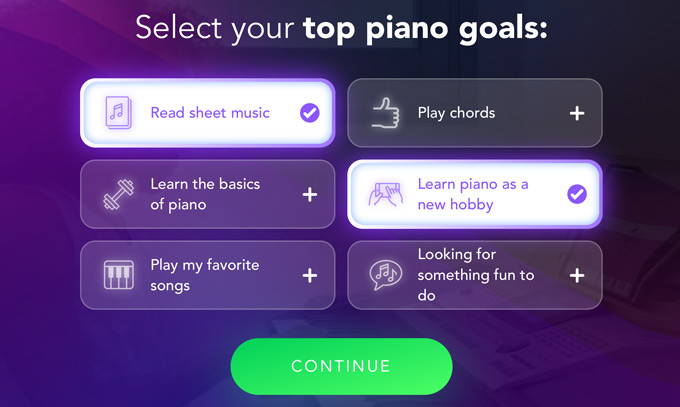
Many new players face the same problem: they want to learn piano but do not know where to start. Simply Piano solves this with a step-by-step course. You learn basic notes, rhythm, hand position, chords, and simple songs in a planned order.
The app also makes practice feel less serious and more like a game. You can see your progress, unlock songs, and complete short tasks. That design can help people build a regular habit.
Simply Piano is especially useful if you:
• Have never played piano before
• Want to learn at your own pace
• Prefer short lessons
• Feel nervous about taking private lessons
• Need help reading basic sheet music
• Own a keyboard and want structured practice
However, Simply Piano cannot fully replace a skilled teacher. The app can hear many playing errors, but it cannot always understand posture, hand tension, tone quality, or why a difficult passage feels uncomfortable.
How Simply Piano Works
Simply Piano breaks piano learning into small steps. This approach helps reduce the feeling that piano is too hard.
A typical learning path may include:
• Learning the names of piano keys
• Playing with the right hand
• Playing with the left hand
• Reading notes on the staff
• Understanding rhythm
• Using basic chords
• Playing with both hands
• Practicing songs in different styles
The app displays music on the screen while a song plays. You follow the notes and try to play along. If the app detects a mistake, it gives feedback and lets you repeat the section.
This method is similar to having a digital practice guide. It does not watch your hands like a teacher would, but it keeps your practice organized.
The lesson length is another benefit. You do not need a full hour to make progress. Ten to 20 focused minutes can be enough when you practice often.
Simply Piano Cost and Subscription Value
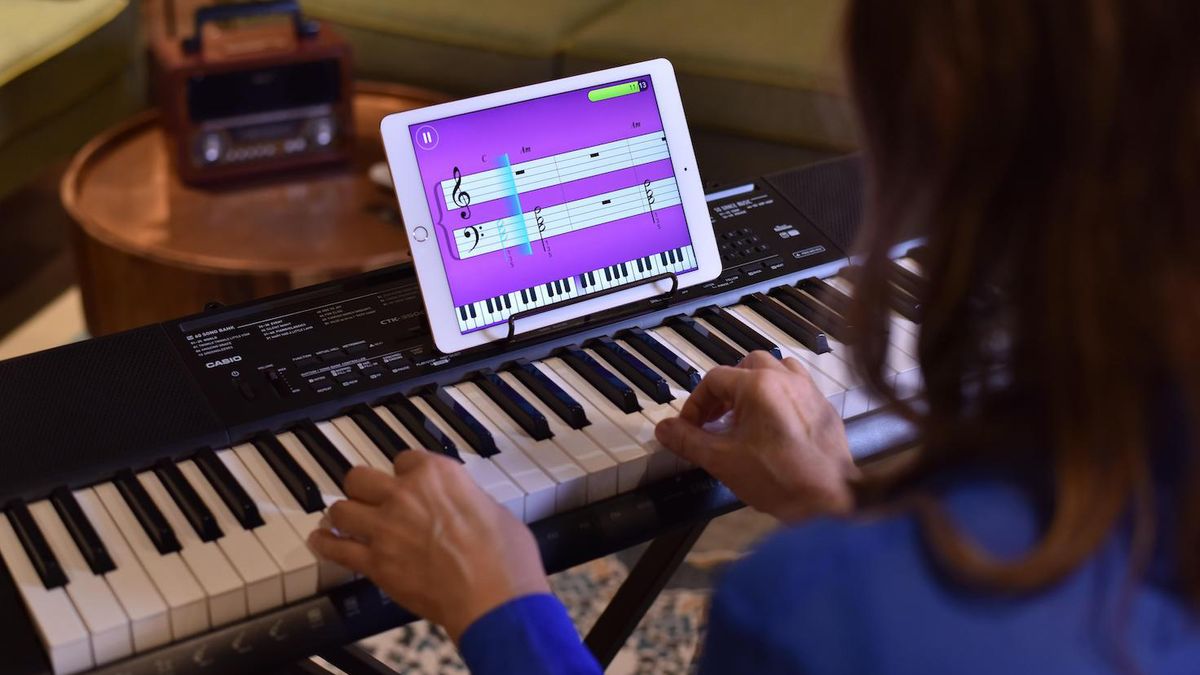
The cost of Simply Piano changes by plan, region, promotions, and billing period. The app often offers a trial or limited introductory access, but you should check the current price before subscribing.
A longer subscription may provide better value than paying month by month. Still, a cheaper plan is not always the best choice if you stop using the app after two weeks.
When judging whether Simply Piano is worth it, consider these costs:
• The app subscription
• A piano or keyboard, if you do not already own one
• A piano stand or bench
• Headphones for quiet practice
• Optional private lessons
A basic digital keyboard can make the app more useful. You do not need an expensive acoustic piano, but a keyboard with full-size keys and touch sensitivity can support better technique.
Simply Piano may cost less than regular private lessons. Yet private teaching offers personal correction, which the app cannot provide. The best value depends on whether you need convenience or detailed human guidance.
A smart approach is to use the trial period seriously. Practice on several different days. Test the beginner course, song lessons, and feedback system. Do not judge the app after only one session.

Main Benefits of Simply Piano
A Clear Learning Path
One of Simply Piano’s strongest features is its structure. You move from simple tasks to harder ones without needing to create your own curriculum.
This matters because random practice can waste time. A beginner who jumps between songs may learn a few melodies but miss rhythm, sight reading, or chord skills.
Convenient Practice
You can practice at home whenever you have time. There is no commute, appointment, or need to match a teacher’s schedule.
This convenience is helpful for parents, college students, and busy adults. A short lesson before work or after dinner may be easier than attending weekly classes.
Immediate Feedback
The app gives quick feedback as you play. This can help you notice wrong notes and improve timing.
The feedback is not perfect. Microphone problems, background noise, or soft playing can cause missed notes. A MIDI connection may offer more reliable detection with a compatible keyboard.
Encouraging Song Selection
Playing real songs can make practice more enjoyable. Simply Piano includes beginner versions of songs from several styles, such as pop, classical, film music, and traditional pieces.
Song choice can create momentum. When you enjoy the music, you are more likely to sit at the keyboard again tomorrow.
Useful for Sight Reading
Sight reading means playing music you have not practiced before. Simply Piano introduces this skill in small steps.
You may not become an advanced sight reader through the app alone, but regular note reading can build a strong base.
Limitations of Simply Piano
Simply Piano has clear limits, and understanding them will help you set realistic expectations.
The app may not be enough if you want to:
• Become a concert pianist
• Prepare for formal piano exams
• Learn advanced improvisation
• Fix long-term hand or posture problems
• Study complex classical works
• Receive detailed feedback on musical expression
The app also depends on accurate sound detection. An acoustic piano in a noisy room may create problems. The microphone may hear other sounds or miss quiet notes.
Another concern is technique. Beginners can develop poor habits if they practice with raised shoulders, collapsed fingers, or excessive force. An app may not notice these issues early.
Simply Piano also encourages a screen-based learning style. That works well for many people, but some learners prefer books, live instruction, or a traditional lesson plan.
The most common mistake is expecting fast results without regular practice. No app can remove the need to repeat scales, chords, and songs. Simply Piano can guide the work, but you still have to do it.
Simply Piano vs. Private Piano Lessons
The choice between Simply Piano and private lessons depends on what kind of support you need.
Simply Piano is usually better for convenience and cost control. Private lessons are better for personal feedback and accountability.
| Feature | Simply Piano | Private Teacher |
|---|---|---|
| Schedule | Practice anytime | Set lesson time |
| Cost | Usually lower | Usually higher |
| Feedback | Automated | Personal and detailed |
| Technique checks | Limited | Stronger |
| Lesson path | Built into the app | Created by the teacher |
| Motivation | Progress tools and songs | Human encouragement |
| Flexibility | High | Depends on the teacher |
For some learners, a mixed approach works best. You might use Simply Piano for daily practice and take a lesson once or twice each month. A teacher can check technique while the app provides extra structure between lessons.
If you are a nervous beginner, the app can be a gentle first step. If you have tried to learn before and keep getting stuck, a teacher may save time.
Simply Piano vs. Other Piano Learning Apps
Simply Piano is not the only digital piano course. Other popular options include Flowkey, Piano Marvel, Playground Sessions, Skoove, and YouTube-based lessons.
Each option has a different focus.
• Simply Piano is known for a friendly, game-like beginner path.
• Flowkey places strong emphasis on song lessons and video guidance.
• Piano Marvel offers structured exercises and sight-reading practice.
• Playground Sessions uses interactive feedback and popular songs.
• Skoove combines guided lessons with music theory and song practice.
• YouTube offers free content but less consistent structure.
When asking “is Simply Piano worth it,” do not compare only subscription prices. Compare lesson style, device support, song choices, feedback quality, and the type of learner each platform serves.
A free YouTube video may teach one song well. It may not give you a complete course. Simply Piano’s main value is the organized path, not just access to individual songs.
Is Simply Piano Good for Children?
Simply Piano can work well for children who enjoy games and visual rewards. Short lessons may be easier for a child than a long traditional practice session.
Parents should still monitor practice. The app may encourage a child to chase points or finish lessons instead of playing with relaxed technique.
A child may also need help with:
• Sitting at the correct height
• Keeping wrists relaxed
• Reading instructions
• Practicing slowly
• Staying focused
For very young children, a live teacher may be more effective. Young learners often need physical demonstrations and personal encouragement.
For older children, Simply Piano can support lessons or provide extra practice. The best results usually come from a calm routine rather than pressure.

Is Simply Piano Good for Adults?
Simply Piano is often a strong fit for adults. Many adults want to learn piano but have limited time and may feel embarrassed about starting late.
The app removes some pressure. You can repeat a lesson in private, slow down a song, and practice when your schedule allows.
Adult beginners should set a small goal. For example, practice for 15 minutes after breakfast, or learn one short song within a month. Small wins matter because piano uses both mental and physical skills.
Adults should also expect plateaus. Progress may feel quick at first, then slow down as two-hand playing becomes harder. This is normal. It does not mean the method has failed.
How Much Progress Can You Make With Simply Piano?
Your progress depends more on practice quality than on the app alone. A learner who practices 15 minutes on most days may improve more than someone who practices for an hour once a week.
A realistic beginner plan could look like this:
-
Practice five days each week.
-
Spend five minutes reviewing old skills.
-
Spend 10 minutes on the current lesson.
-
Spend five minutes playing a song for fun.
-
End by repeating one difficult part slowly.
After several weeks, many beginners can play simple melodies and basic songs. After a few months, consistent learners may gain better note reading, rhythm, and two-hand control.
These results vary. Age, practice habits, previous music experience, keyboard quality, and song difficulty all matter.
The app should be viewed as a training tool, not a promise of automatic skill. It can open the door, but your practice carries you through it.
Tips to Get Better Results From Simply Piano
Use Simply Piano as a course, not as background entertainment. Focus on accuracy before speed.
These habits can improve your results:
• Use a stable bench at the right height.
• Keep your fingers curved and your shoulders relaxed.
• Practice slowly when a song feels difficult.
• Repeat short sections instead of restarting the whole song.
• Count the beat out loud when rhythm is hard.
• Review old lessons each week.
• Use headphones when your device and keyboard support them.
• Record yourself once a week.
• Take breaks when your hands feel tense.
One lesson from testing digital learning tools is that feedback can become a score-chasing game. A high score feels good, but relaxed, musical playing matters more.
Do not rush through lessons just to unlock new songs. Piano skill grows like a plant. Daily care works better than a sudden flood of effort.
Who Should Not Choose Simply Piano?
Simply Piano may not be the best fit for everyone.
Consider another option if you:
• Need a teacher to correct your hands
• Want advanced classical training
• Prefer learning without screens
• Need a formal exam curriculum
• Want deep music theory lessons
• Have a keyboard that the app cannot detect well
• Rarely practice alone
Some learners also lose interest when lessons feel too simple. If you already read music and play with both hands, you may need a more advanced course.
A trial period can reveal this quickly. If the first lessons feel far below your level, choose a platform with stronger intermediate content or work with a teacher.
Is Simply Piano Worth It for Learning Piano Theory?
Simply Piano teaches some practical theory, such as notes, rhythm, chords, and basic musical patterns. This is enough for many beginners to understand what they are playing.
It may not cover theory as deeply as a dedicated music theory course. You may need extra study for key signatures, harmony, chord analysis, composition, and advanced notation.
That is not a major flaw for a beginner app. Learning theory works best when you connect it to actual music. Simply Piano gives you that practical connection.
You can add a beginner theory book or trusted educational videos when you want more detail.
Frequently Asked Questions About Is Simply Piano Worth It
Is Simply Piano really worth the money?
Simply Piano can be worth the money if you practice often and want a guided beginner course. It may not be worth it if you rarely use it or need detailed feedback from a live teacher.
Can you learn piano well with Simply Piano?
You can build a useful beginner foundation with Simply Piano. You can learn notes, rhythm, simple chords, and beginner songs, but advanced skill usually requires more study and personal feedback.
Is Simply Piano better than YouTube?
Simply Piano offers a planned course and interactive feedback, while YouTube provides a wide range of free lessons. YouTube can work well for self-directed learners, but Simply Piano may be easier for people who need structure.
Can Simply Piano replace a piano teacher?
Simply Piano cannot fully replace a good piano teacher. It can teach basic skills and support daily practice, but a teacher can correct posture, hand movement, tone, and technique in real time.
Is Simply Piano good for complete beginners?
Yes, Simply Piano is designed largely for complete beginners. Its short lessons and guided steps can make the first stage of piano learning less confusing.
Does Simply Piano work with an acoustic piano?
Simply Piano can work with an acoustic piano through your device microphone. Detection may be less reliable in a noisy room, so careful placement and a quiet space can help.
How often should you use Simply Piano?
Aim for 15 to 30 minutes on most days. Frequent, focused practice usually works better than one long session each week.
Is Simply Piano good for adults who start late?
Yes, adults can use Simply Piano to learn at a comfortable pace. Starting later does not prevent progress, but adults should set realistic goals and practice with patience.
Conclusion
So, is Simply Piano worth it? For beginners who want simple lessons, flexible practice, and an engaging song-based course, it can be an excellent starting point. Its main weaknesses are limited technique feedback, dependence on sound detection, and less depth for advanced players.
Use the trial period as a real test. Practice several times, check whether the feedback works with your piano, and notice if the lesson style keeps you motivated. If you want extra support, combine the app with occasional lessons from a qualified teacher.
Choose the learning method you will actually use. Start with a short daily practice routine, explore the course, and share your experience or questions in the comments.

Senior Music Reviewer
Alex Carter is a seasoned music reviewer with over a decade of experience in the world of sound and instruments. Passionate about helping musicians and enthusiasts make informed choices, he brings sharp insights and in-depth knowledge to every review. From classical instruments to modern gear, Alex combines technical expertise with a love for music to deliver content that resonates with readers.
As a Senior Music Reviewer and expert author on Tuneluma.com, Alex is dedicated to sharing honest evaluations, practical advice, and thoughtful commentary to guide readers in their musical journey.