Is Baldwin A Good Piano: Honest Buyer Guide
Yes, Baldwin can be an excellent piano, especially when the model is well cared for and priced fairly.
The answer to “is Baldwin a good piano” depends on the model, age, condition, and maker location. I have seen older Baldwin grands with rich tone and strong action, along with worn Baldwin spinets that were poor buys. This guide will help you separate the good instruments from the risky ones.
Is Baldwin a Good Piano Overall?
Yes, Baldwin is a respected American piano brand with a long history. The company built everything from small home pianos to concert-level grand pianos. Many Baldwin instruments are known for a warm tone, sturdy construction, and good value on the used market.
Still, not every Baldwin piano is equal. The brand made many models across several decades. A carefully maintained Baldwin grand can be superb, while an old, neglected spinet may need more money than it is worth.
When people ask, “is Baldwin a good piano,” I usually give this simple answer: Baldwin made both excellent and average pianos. The model and condition matter more than the logo alone.
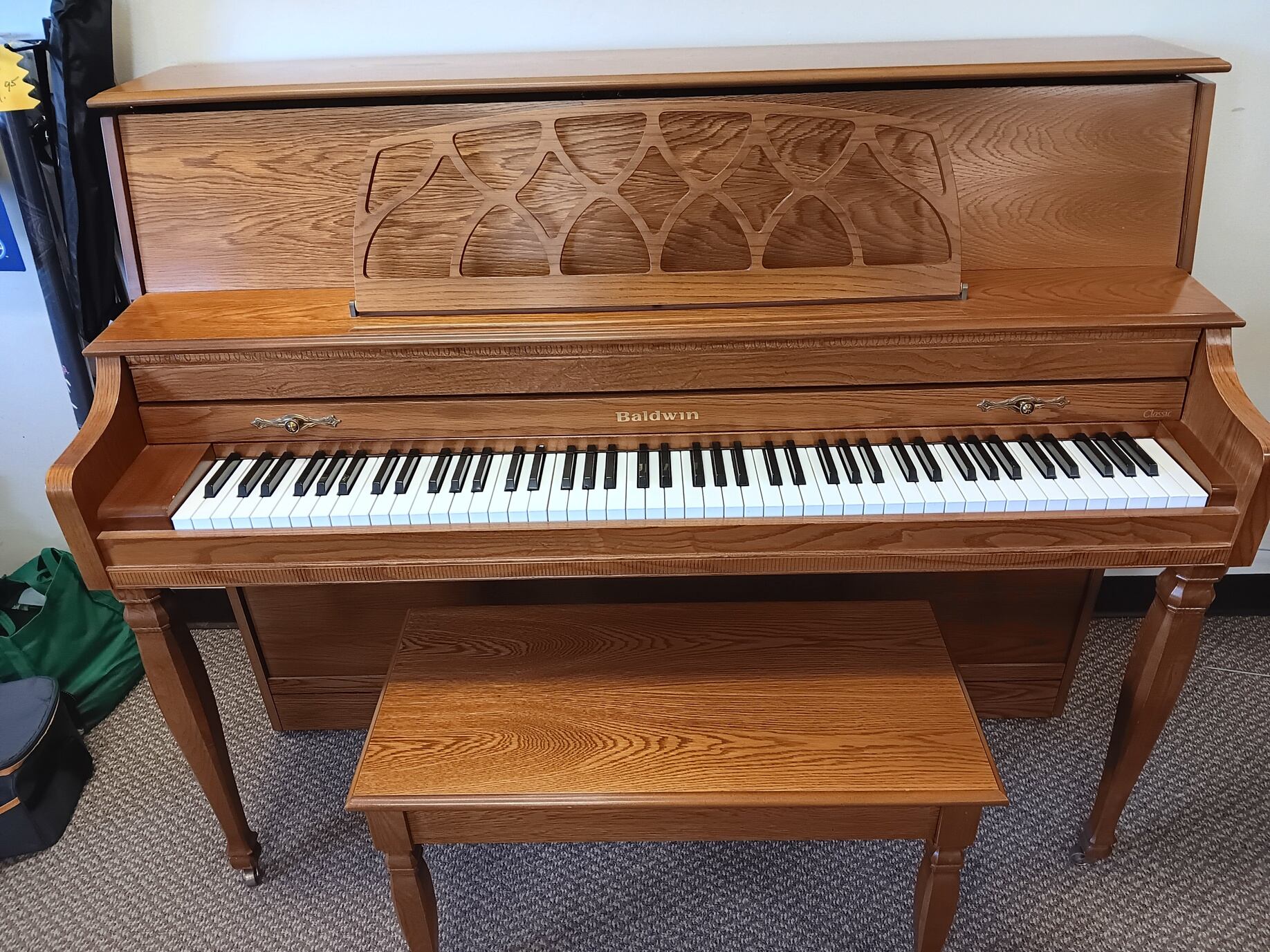
A Brief History of Baldwin Pianos
Baldwin began making pianos in the United States in the 19th century. The brand became well known for its American-made uprights, grands, and professional instruments.
Baldwin also built pianos under related names, including:
• Hamilton
• Acrosonic
• Howard
• Chickering
• Wurlitzer
The company later faced financial problems and changed ownership several times. Gibson Guitar acquired Baldwin in 2001. American production later declined, and many newer Baldwin-branded pianos were made in Asia.
This history matters because a 1920s Baldwin, a 1970s Baldwin, and a 2000s Baldwin may have very different designs and levels of quality.

Which Baldwin Piano Models Are the Best?
Some Baldwin models have earned a stronger reputation than others. Model quality can still vary by year and condition, but these names are often worth closer attention.
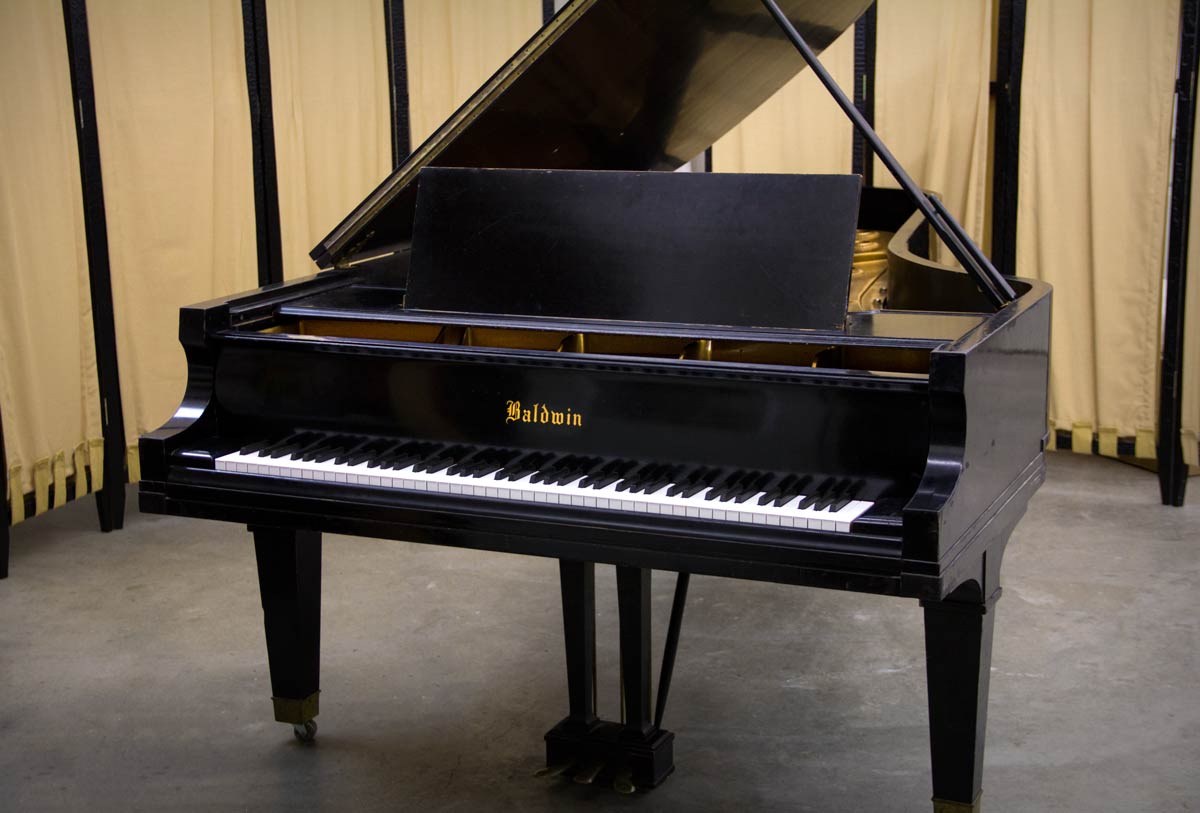
Baldwin Concert Grand Pianos
Baldwin concert grands were made for serious performance. The Baldwin SD-10 concert grand, for example, became known for its powerful sound and large scale. Some professional musicians and institutions have used Baldwin grands for decades.
A good Baldwin concert grand can offer:
• Strong projection
• A broad dynamic range
• A rich bass
• Clear treble
• A firm, responsive action
These pianos are large and expensive to move, tune, and maintain. They are usually not practical for a small home.
Baldwin R and L Grands
The Baldwin R and L grand pianos are popular used instruments. They often offer a strong balance between size and tone.
The Baldwin L is especially well known among piano buyers. It is large enough for serious playing but smaller than a concert grand. A well-maintained L can compete with many respected American and European instruments in the same price range.
Baldwin M and SF Grands
The Baldwin M is a smaller grand that can work well in a home or teaching studio. It may not have the deep bass of a larger grand, but a good example can still provide a pleasing tone and responsive touch.
The SF and related models may also be attractive, though buyers should inspect each piano carefully. Age, repairs, and individual voicing have a major effect on the playing experience.
Baldwin Hamilton Uprights
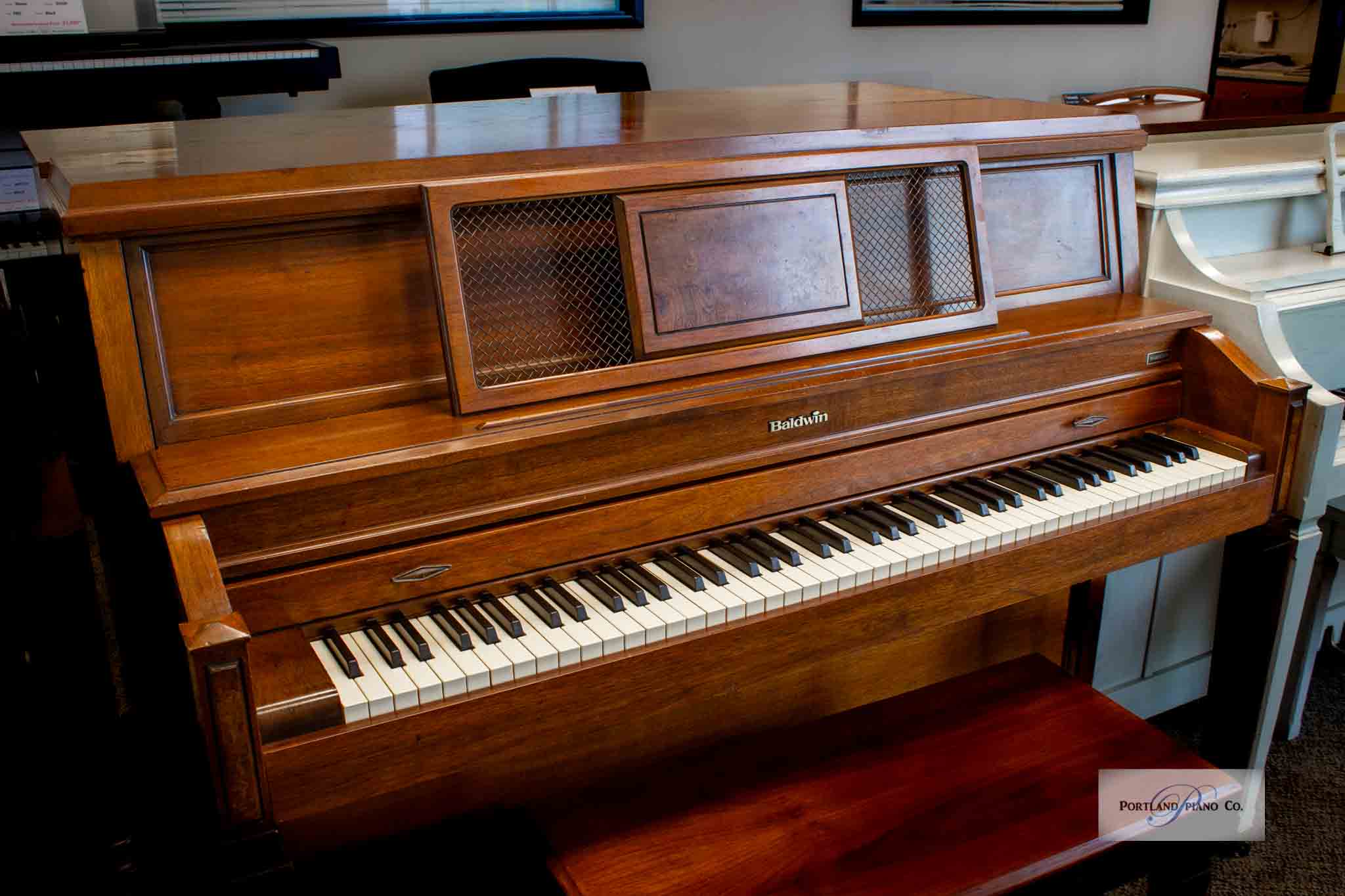
Hamilton pianos were often built for schools, churches, and institutions. Many Hamilton uprights are sturdy and practical. They may not have the refinement of a premium grand, but they can be reliable choices for lessons and home use.
A well-maintained Hamilton upright may be a better purchase than a newer but cheaply made piano. The key is to have the instrument inspected before buying.
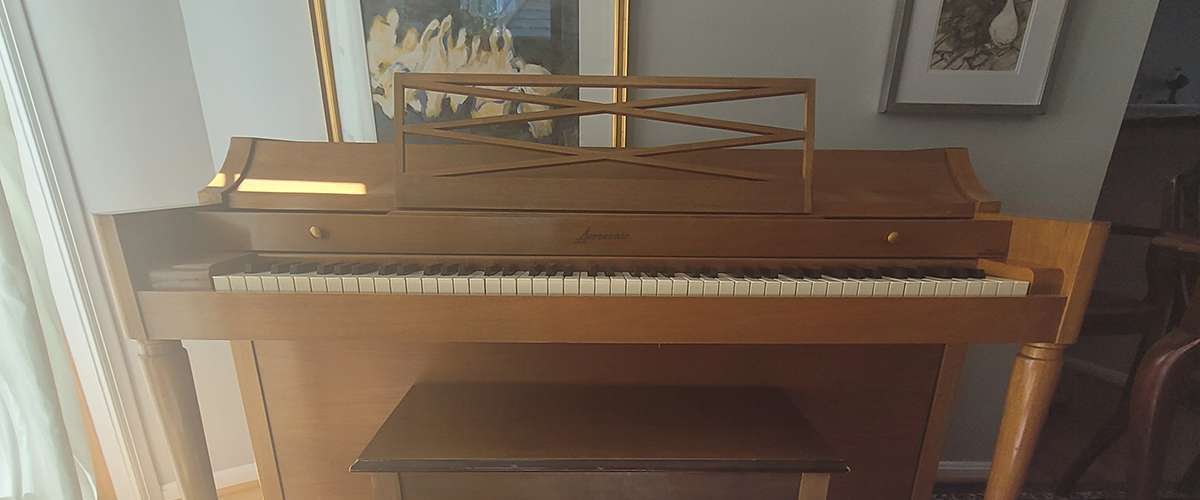
Baldwin Acrosonic Spinets
Acrosonic pianos are small spinets designed for homes with limited space. They are common on the used market and are often inexpensive.
However, an Acrosonic may have limited volume, a shallow action, and difficult-to-repair parts. It can be useful for a beginner with a very small budget, but it is not usually the best long-term choice for an advanced player.
What Makes Baldwin Pianos Good?
The answer to “is Baldwin a good piano” often comes down to design and materials. Many older Baldwin pianos used solid construction and durable parts. Their better models were designed to handle years of regular playing.
Strong Soundboards and Rims
A piano’s soundboard changes string vibration into sound. Its rim supports the frame and helps the case remain stable under high string tension.
Higher-quality Baldwin grands often have strong rims and carefully designed soundboards. This helps create power and sustain. A damaged soundboard or cracked rim, however, can make even a famous model a poor investment.
Musical Tone
Many Baldwin pianos have a warm, full tone. Some players describe older Baldwin grands as bold and American in character. Their sound can work well for:
• Classical music
• Jazz
• Gospel
• Pop music
• Church performance
Tone is personal. One pianist may love a bright, clear sound, while another prefers a dark, mellow voice. Always play the piano yourself or ask a trusted pianist to test it.
Responsive Action
The action includes the keys, hammers, jacks, and other parts that transfer your fingers’ movement to the strings. A good Baldwin action can feel direct and powerful.
Poor regulation, worn hammers, broken springs, or damaged bushings can make the action feel heavy or uneven. This is why brand reputation cannot replace a hands-on inspection.
Good Used-Piano Value
Baldwin pianos often sell for less than comparable Steinway, Yamaha, or Kawai instruments. That lower price does not always mean lower quality. Depreciation, brand demand, and production changes also affect resale value.
A clean Baldwin grand may offer excellent value for a buyer who wants a serious piano without paying top-tier prices.

Are Baldwin Pianos Better Than Yamaha or Kawai?
There is no single winner. Baldwin, Yamaha, and Kawai each have strengths.
Older American Baldwin pianos often provide a warm, powerful tone. Yamaha pianos are widely known for clarity, consistency, and strong action design. Kawai pianos often offer a smooth touch and modern manufacturing quality.
The better choice depends on your needs:
• Choose Baldwin if you want a warm American tone and find a well-maintained model.
• Choose Yamaha if you prefer a clear tone and predictable modern performance.
• Choose Kawai if you like a smooth action and newer construction.
A well-maintained Baldwin may be better than a neglected Yamaha or Kawai. Condition always comes first.
One practical lesson is worth remembering: buyers often compare brand names but forget to compare maintenance history. A piano is not just a product. It is a mechanical instrument that changes with age, climate, and use.
Are Newer Baldwin Pianos Good?
Newer Baldwin pianos require more careful research. Some were produced outside the United States, and quality can differ by factory, model, and production period.
This does not mean every newer Baldwin is bad. It means the name alone tells you less than it once did. Inspect the piano, identify its exact model, and learn where it was made.
Before buying a newer Baldwin, check:
• The serial number
• The country of manufacture
• The action design
• The condition of the soundboard
• The condition of the pinblock
• The availability of replacement parts
• The piano’s tuning history
A qualified piano technician can often identify problems that a casual player will miss.

Common Problems With Used Baldwin Pianos
A used Baldwin can be a great deal, but age creates risk. Most problems come from wear, neglect, moisture, or poor repairs rather than from the Baldwin name itself.
Worn Hammers
Hammers strike the strings thousands of times. Over time, they develop deep grooves and become hard or misshapen. This can create a harsh or weak tone.
Hammers can sometimes be reshaped and voiced. In severe cases, they may need replacement.
Loose Tuning Pins
The pinblock holds the tuning pins in place. If the wood weakens, the piano may not stay in tune.
A piano that needs regular tuning is not automatically defective. A piano that cannot hold a stable tune may need major repair.
Soundboard Damage
Small soundboard cracks are common in older pianos and may not be serious. Large cracks, loose ribs, or major separation can affect tone and stability.
Ask a technician to judge the repair. Do not rely on a seller’s quick opinion.
Rust and Moisture Damage
Humidity can damage strings, felts, wood, and action parts. Rust on strings or hardware may show that the piano lived in a damp place.
A musty smell, swollen wood, sticking keys, and corroded metal are warning signs.
Outdated Action Parts
Some older pianos may have action parts that are hard to replace. A technician may still repair them, but the cost can rise quickly.
This is one reason a low purchase price can be misleading. The real cost includes moving, tuning, regulation, repairs, and future maintenance.

How Much Is a Baldwin Piano Worth?
Baldwin piano prices vary widely. A small used upright may cost a few hundred dollars, while a restored professional grand may cost many thousands.
The main factors include:
• Model and size
• Age and serial number
• Country of manufacture
• Overall condition
• Recent restoration work
• Local demand
• Moving costs
• Service history
A free piano is not always free. Moving an upright may cost several hundred dollars. Moving a grand can cost much more, especially when stairs or long distances are involved.
A useful buying rule is to compare the piano’s total cost with the cost of a similar instrument from another brand. Include repairs and transport before deciding.

What to Check Before Buying a Baldwin Piano
Use this process before paying for any Baldwin piano.
-
Find the model and serial number. The serial number helps estimate the production year.
-
Play every key slowly. Listen for buzzing, rattling, weak notes, and uneven volume.
-
Test the pedals. The sustain pedal should work smoothly and return without noise.
-
Check the tuning. Ask whether the piano has been serviced recently.
-
Inspect the soundboard and bridges. Look for major cracks, loose parts, or repairs.
-
Examine the pinblock. A technician can test whether the tuning pins are stable.
-
Look inside the action. Check hammers, dampers, felts, and springs.
-
Ask about the piano’s history. Learn where it was stored and how often it was played.
-
Hire an independent technician. Do not use only the seller’s technician if possible.
-
Get a written repair estimate. This prevents a low purchase price from hiding expensive work.
The biggest mistake I see buyers make is falling in love with the cabinet first. A shiny case can hide worn action parts. Judge the instrument from the inside out.

Baldwin Piano Maintenance Tips
Even a good Baldwin piano needs regular care. Professional players may need tuning several times a year. A home piano used a few times each week may need tuning once or twice a year.
Follow these basic habits:
• Keep the piano away from heat vents and direct sunlight.
• Maintain steady indoor humidity when possible.
• Do not place drinks, plants, or heavy objects on the piano.
• Have a qualified technician tune and regulate it.
• Clean the keys with a soft, slightly damp cloth.
• Avoid household sprays near the finish or action.
• Fix sticking keys and strange noises early.
Small repairs are often cheaper than waiting for a major failure. A piano responds best to steady care, much like a car or a wooden instrument.
Who Should Buy a Baldwin Piano?
Baldwin can suit several types of players.
Beginners
A beginner may do well with a Baldwin upright if it has an even touch and stable tuning. Avoid choosing only by price. A poor piano can make learning frustrating.
Intermediate and Advanced Players
A strong Baldwin grand can offer enough power and control for serious study. Players should focus on action condition, tone, and size rather than the brand name alone.
Churches and Schools
Hamilton uprights and larger Baldwin instruments have often been used in schools, churches, and studios. Their durability can make them practical for regular group use.
Collectors and Restoration Buyers
Older Baldwin grands may interest collectors or restoration experts. These buyers should understand that restoration can cost more than the piano’s market value.
Is a Baldwin Piano Good for Beginners?
Yes, a well-maintained Baldwin upright can be good for beginners. It should have working keys, reliable pedals, stable tuning, and an action that is not excessively heavy.
Small spinets may fit a tight budget, but they can limit tone and control. If possible, choose a full-size upright that has been checked by a piano technician.
Is a Baldwin Piano Worth Restoring?
A Baldwin piano may be worth restoring when it is a desirable model with a strong frame, good scale design, and a healthy cabinet. Large grands and certain professional models often deserve closer consideration.
Restoration may include new hammers, strings, pinblock work, action rebuilding, refinishing, and soundboard repairs. Get two or more estimates before starting, because restoration costs can exceed the piano’s resale value.
How Long Does a Baldwin Piano Last?
A Baldwin piano can last for many decades with proper care. Some older Baldwin instruments remain musically useful after 50 years or more.
However, lifespan depends on climate, use, maintenance, and repair history. Age alone does not tell you whether a piano is good or bad.
How Can I Find the Age of a Baldwin Piano?
Look for the serial number inside the piano. On a grand, it is often found near the plate or soundboard. On an upright, it may be inside the cabinet or on the plate.
A piano technician or reputable piano dealer can use the serial number to estimate the production year and identify the model.
Should I Buy a Baldwin Piano Online?
Buying online can work, but it carries risk. Photos cannot show loose tuning pins, worn action parts, soundboard problems, or hidden cracks.
If you buy online, arrange an inspection before payment when possible. Also confirm the return policy, delivery insurance, and responsibility for moving damage.
Conclusion
So, is Baldwin a good piano? In many cases, yes. The best Baldwin grands and uprights can offer rich tone, strong construction, and excellent used value. But older age, poor storage, worn action parts, and uncertain repairs can turn a promising piano into an expensive project.
Focus on the exact model, condition, service history, and inspection report. Play the piano, compare its feel with other brands, and hire an independent technician before you buy. A careful inspection can help you find a Baldwin that brings music into your home for many years.

Senior Music Reviewer
Alex Carter is a seasoned music reviewer with over a decade of experience in the world of sound and instruments. Passionate about helping musicians and enthusiasts make informed choices, he brings sharp insights and in-depth knowledge to every review. From classical instruments to modern gear, Alex combines technical expertise with a love for music to deliver content that resonates with readers.
As a Senior Music Reviewer and expert author on Tuneluma.com, Alex is dedicated to sharing honest evaluations, practical advice, and thoughtful commentary to guide readers in their musical journey.