How Much Does A Grand Piano Cost: 2026 Price Guide
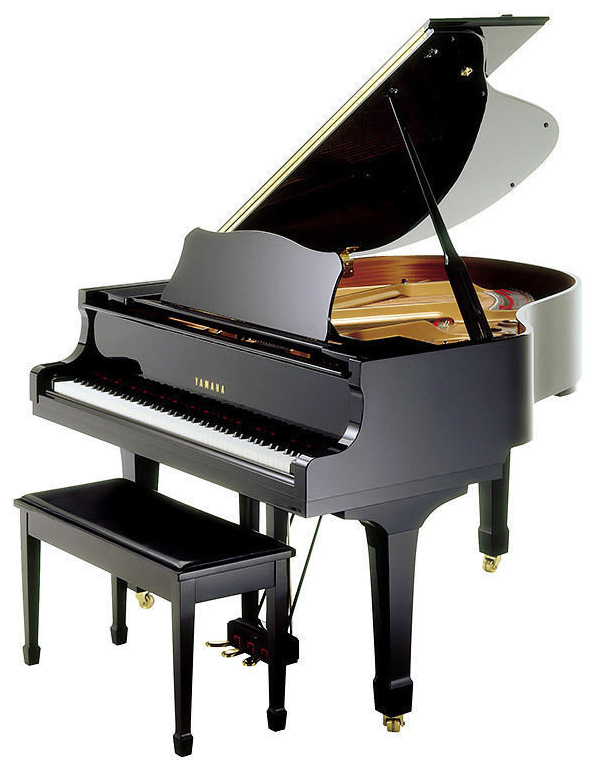
A new grand piano typically costs between $10,000 and $200,000, while used models often range from $3,000 to $50,000.
Navigating the world of luxury instruments can feel daunting. Asking “how much does a grand piano cost” is the best first step. I have worked with concert halls and private collectors for years. I have learned that a piano’s price is rarely only about wood and wire. It is about legacy, craft, and the unique tone of each instrument. Whether you are a conservatory student or a hobbyist who wants a centerpiece for the living room, understanding price drivers helps you make a smart choice. Below I’ll share practical advice, clear price ranges, and the key checks I recommend when shopping for a grand piano.
 <figcaption style=”font-size: 14px;color: #555;margin-top: 8px”>
Source: pianopricepoint.com
Factors That Influence Grand Piano Pricing
When you ask how much does a grand piano cost, look past the brand label. Size matters. Larger pianos need more wood and a longer build time. A baby grand is compact and fits many homes. A concert grand needs heavy support and precise engineering. That raises its price.
Material quality also changes the cost. High-end makers spend years seasoning soundboards. They hand-select premium felt for hammers. You pay for artisan hours. These craftspeople adjust action, voicing, and tone over hundreds of hours.
Brand prestige plays a big role too. Entry-level makers focus on volume. Top European and American brands limit production and handcraft parts. Famous names usually keep value better. When thinking about how much does a grand piano cost, remember legendary brands often depreciate less. That can make them a safer long-term buy.
Average Price Ranges by Size and Type
To make price comparisons easier, here are typical ranges you’ll see in the market. These are broad bands. Exact prices depend on brand, condition, and region.
- Baby grand (approx. 4–5 feet): $10,000–$40,000 new; $3,000–$20,000 used.
- Parlor / medium grand (approx. 5–6 feet): $15,000–$60,000 new; $5,000–$25,000 used.
- Semi-concert (approx. 6–7 feet): $30,000–$120,000 new; $10,000–$40,000 used.
- Concert grand (7+ feet): $60,000–$200,000+ new; $20,000–$100,000+ used, depending on maker and condition.
Top Brands and Typical Price Examples
Brand names help set expectations. Here are typical ranges for well-known makers. These numbers are approximate and meant to guide your search.
- Steinway & Sons: Entry-level new models start in the mid five-figures; concert models often exceed six figures.
- Yamaha & Kawai: Good range for home and studio. New baby and mid-size grands commonly fall in the low to mid five-figures.
- Bösendorfer, Fazioli, and other boutique makers: High-end, handcrafted instruments often start well into six figures.
These brand examples help when you compare models and set a budget.
New vs. Used Grand Pianos
Choosing between new and used changes both price and risk. A new grand gives you a warranty. It arrives in pristine condition. You are the first person to shape its tone as the hammers break in. That can be a meaningful bond between player and piano.
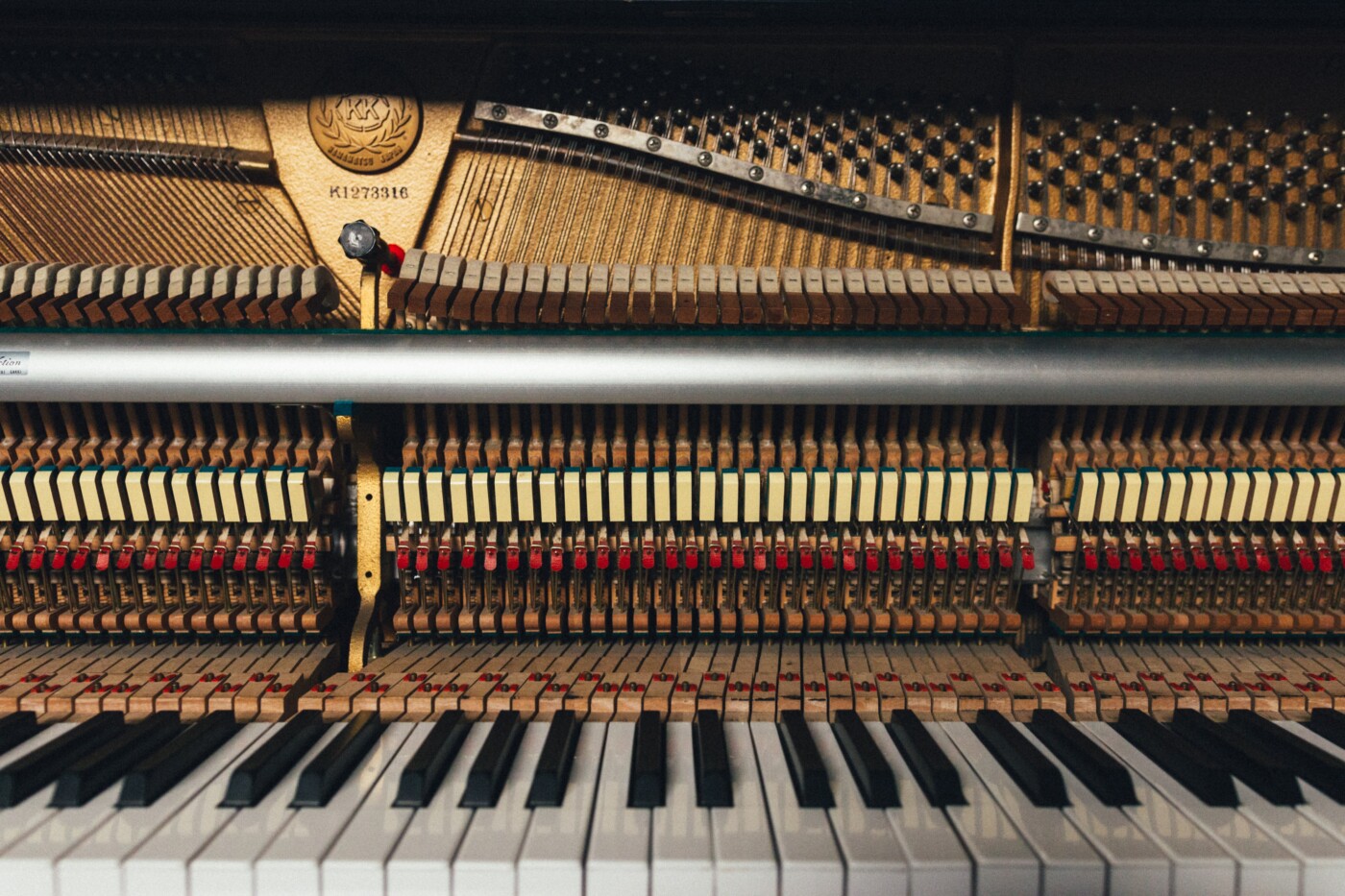
A used grand saves money but needs inspection. I’ve seen buyers fall for a beautiful cabinet only to find a worn pinblock or cracked soundboard. If you go used, hire an independent piano technician for a full appraisal. This step will save you money and headaches later.
Used prices reflect age, upkeep, and service history. A well-cared-for instrument from a respected brand can last more than fifty years. In that case, a used model can offer much better value than a cheaply made new piano. For budget buyers, look at institutional sales from schools or churches. These pianos are often serviced regularly and can be good bargains.
Buying Checklist: What I Inspect Before I Buy
When I advise buyers, I use a short checklist. You can use this at showrooms or during home visits:
- Hire an independent technician for a formal inspection.
- Check the soundboard for cracks and separations.
- Inspect the pinblock and tuning stability.
- Play every key and listen for even tone and response.
- Look at hammers, strings, and action regulation.
- Ask for maintenance records and serial numbers.
- Get a moving quote based on exact dimensions and access.
These checks cut risk and help you compare offers. They also provide bargaining points in price negotiations.
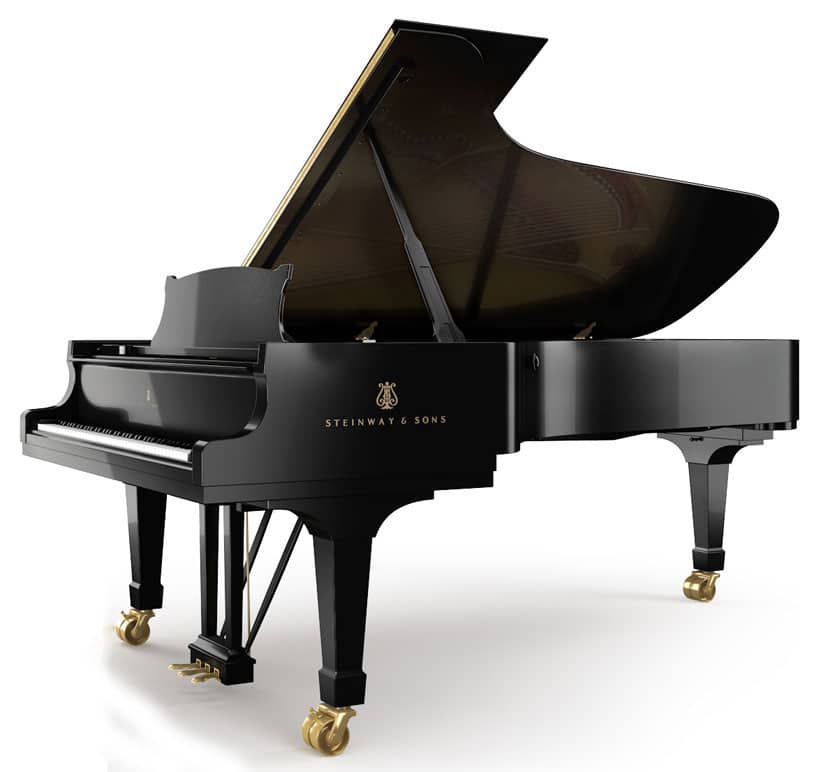
Understanding the Different Sizes
Size is the main physical factor that affects how much does a grand piano cost. Most home buyers look at baby grands. These usually measure four to five feet. They fit smaller rooms. They do not give the same deep bass as larger models.
Intermediate grands, often called parlor grands, are five to six feet. They balance size and sound. For many serious pianists with limited space, these models provide the best value. They have more dynamic range than baby grands, yet still fit in many homes.
Concert-sized grands sit at the top of the price bracket. These instruments usually exceed seven feet. They are meant to fill large halls. They deliver power and clarity. But they are rarely practical for most homes due to size and volume.
Maintenance and Ongoing Ownership Costs
Owning a grand piano means planning for ongoing costs. These add to the total cost of ownership.
- Tuning: Plan on $100–$250 per tuning. Two to four tunings a year are common for a home instrument.
- Regulation and voicing: Every few years expect $300–$1,500 depending on scope.
- Moving: Local piano moves often cost $300–$1,200. Long-distance moves can run $1,000–$3,000 or more.
- Humidity control: A humidity system for the piano room runs $300–$4,000 installed. This protects the soundboard and action.
- Major repairs: Soundboard cracks, pinblock work, or full action rebuilds vary widely. Budget for several thousand dollars for major restoration on older instruments.
These figures explain why some buyers spend more on care than on moving. Good maintenance preserves tone and resale value.
Where to Buy: Dealers, Auctions, and Private Sales
Where you buy will shape price and service. Consider these options:
- Authorized dealers and showrooms — best for warranties and service plans.
- Reputable used-piano shops — they often refurbish and offer short-term guarantees.
- Auction houses and estate sales — can yield bargains but carry more risk.
- Private sellers and classifieds — lowest prices possible, but no warranty.
- Institutional sales (schools, churches) — often well-maintained and fairly priced.
Try instruments in person whenever possible. A piano’s feel and tone are personal. Showrooms let you compare models side-by-side.
Frequently Asked Questions of how much does a grand piano cost
Is it cheaper to buy a grand piano from a private seller?
Yes, private sales can be cheaper. You avoid dealer markups. But there is no warranty. You must handle moving and inspections. I always recommend an independent technician before you pay a private seller.
How does the brand affect how much does a grand piano cost?
Brand affects price, durability, and resale value. Established makers command higher prices. You pay for heritage and proven engineering. That often means better long-term value.
What are the hidden costs of owning a grand piano?
Beyond purchase price, budget for moving, tuning, and climate control. Regular maintenance keeps wood stable and the action responsive. These costs add up but protect tone and resale value.
Does the finish of the piano change the price?
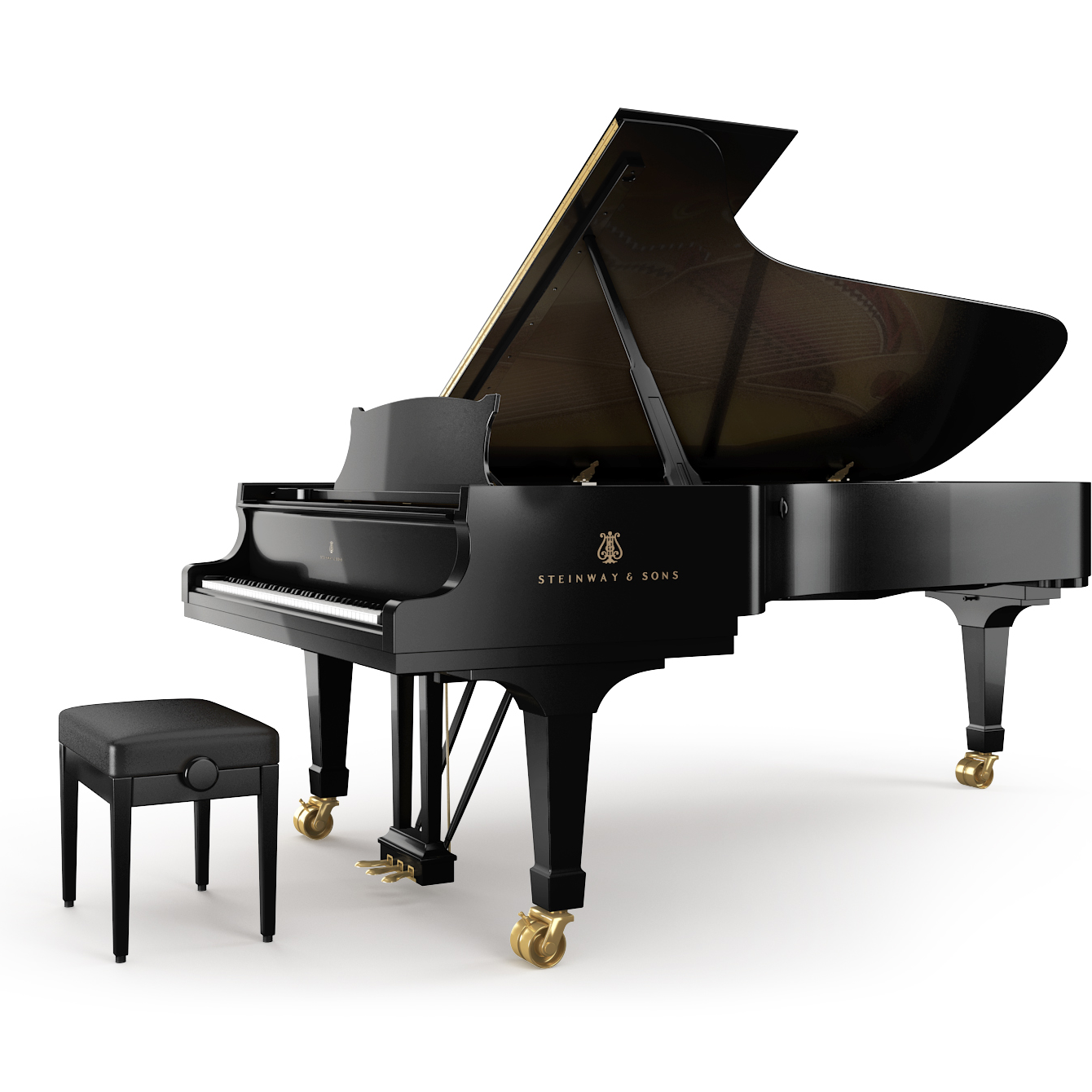
Yes. High-gloss polyester finishes need more labor than satin finishes. Custom veneers and specialty colors cost more than a standard ebony finish. The finish affects aesthetics and price.
How much does a grand piano cost for a beginner?
Beginners often choose entry-level grands priced from $8,000 to $15,000. These give the feel of a grand action without the full expense of a concert-grade instrument.
Conclusion
Understanding how much does a grand piano cost means balancing musical goals with finances. Whether you opt for a reliable starter model or invest in a concert-grade masterpiece, the true value is in the music it helps you make. Take time to play many models. Trust your ears. Don’t rush the buying process. If you are ready to start, visit a local showroom to test sizes and brands today. Feel free to leave a comment if you have more questions about selecting your first grand piano!

Senior Music Reviewer
Alex Carter is a seasoned music reviewer with over a decade of experience in the world of sound and instruments. Passionate about helping musicians and enthusiasts make informed choices, he brings sharp insights and in-depth knowledge to every review. From classical instruments to modern gear, Alex combines technical expertise with a love for music to deliver content that resonates with readers.
As a Senior Music Reviewer and expert author on Tuneluma.com, Alex is dedicated to sharing honest evaluations, practical advice, and thoughtful commentary to guide readers in their musical journey.